Newsletters


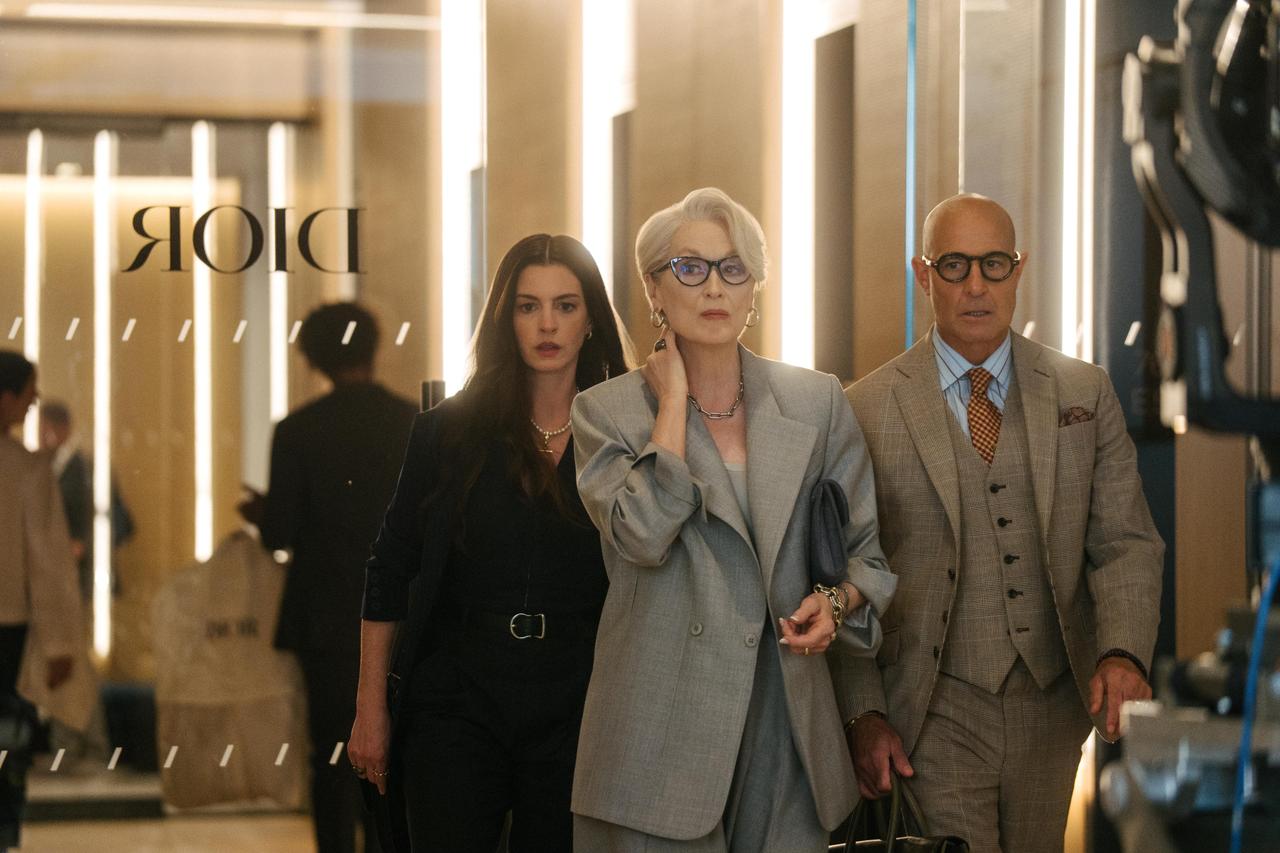


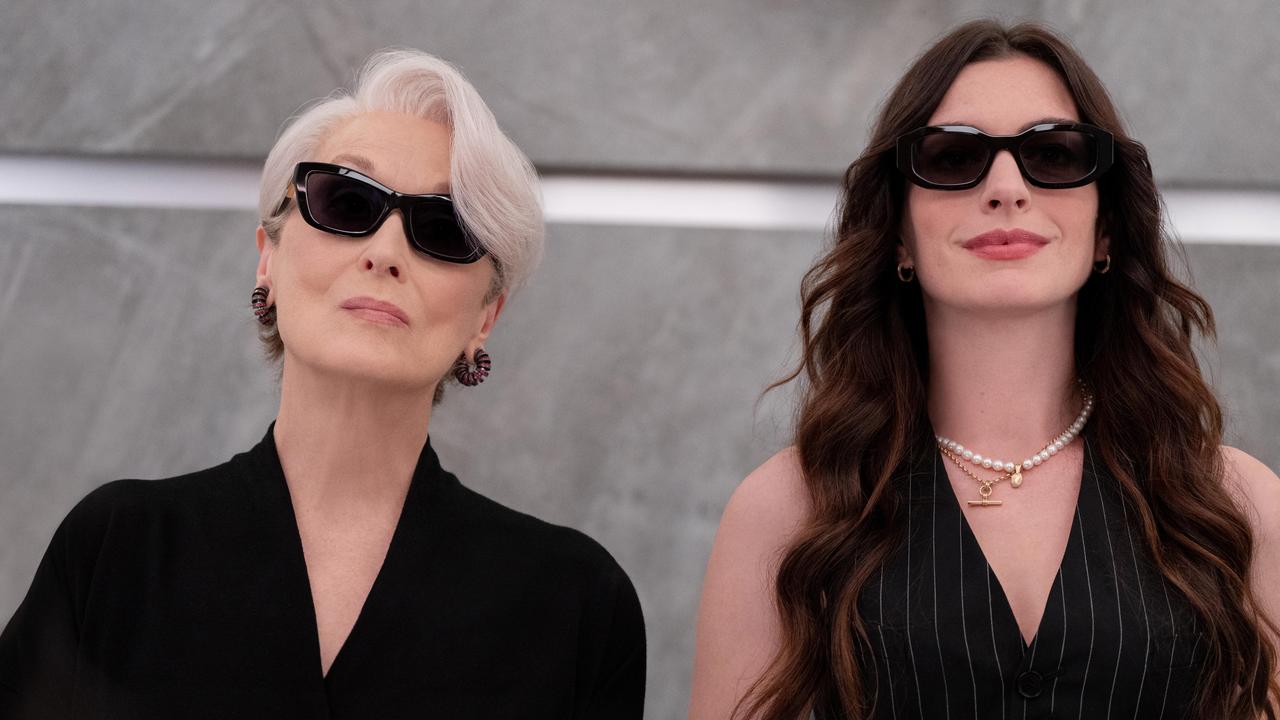
Meryl Streep has said the cast of "The Devil Wears Prada 2" only agreed to return if the sequel felt connected to the present moment, as the new film revisits Runway Magazine in a media landscape transformed by social media, AI and the decline of print journalism.
The sequel, released 20 years after the original 2006 film, brings back Streep as Miranda Priestly, the powerful editor-in-chief of the fictional Runway Magazine, a character long associated with Vogue’s Anna Wintour.
Anne Hathaway returns as Andy Sachs, Stanley Tucci reprises his role as Nigel Kipling, and Emily Blunt returns as Emily Charlton.
Speaking to BBC, Streep said there was “one way” the cast would agree to a sequel.
“If it spoke to the moment,” she said.
The film uses its high-fashion setting to reflect changes that have reshaped journalism and publishing, from shrinking print circulation and newsroom cuts to the loss of editorial control in a digital environment dominated by social media platforms and artificial intelligence.
“Everything has to have its own necessity for being, even the frothiest sort of fun movie,” Streep said.
Tucci described the sequel as a film that deals with “the issues of today,” including “the loss of control that journalists have because of social media and AI.”
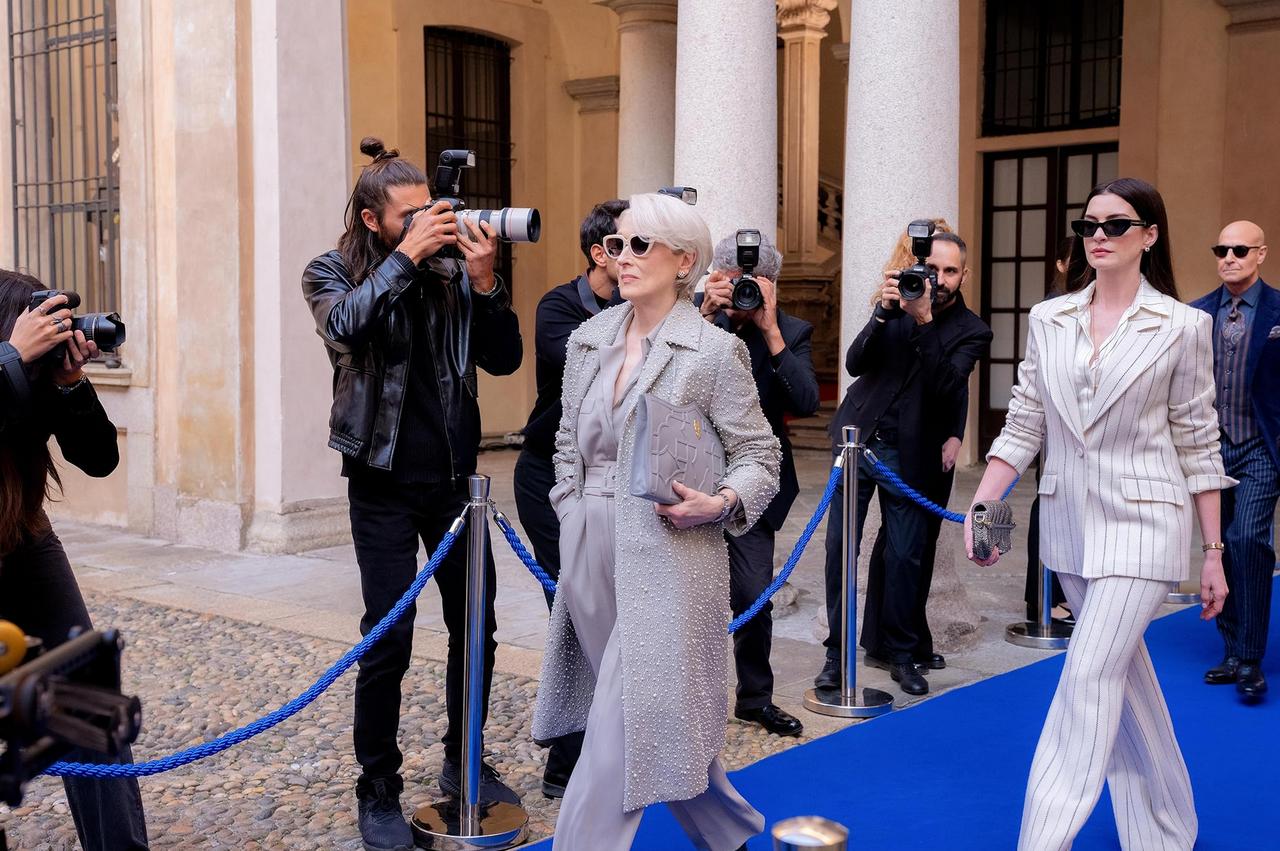

The original movie, "The Devil Wears Prada" became one of the most quoted workplace comedies of the 2000s, partly because of its sharp portrayal of ambition, hierarchy and power inside a fashion magazine.
The sequel does not simply return to that world unchanged.
In the new film, Andy Sachs is back at Runway as its features editor, while Emily Charlton has moved beyond her assistant role and now works as a senior executive in luxury retail. Nigel Kipling also returns to the magazine, as the characters confront a media and fashion industry operating under different pressures from those shown in the first film.
Anne Hathaway told the BBC that the film asks viewers to think about their own role in supporting journalism.
“One of the things I think the film does really well is show you have to participate in the world you want to live,” she said. “I hope people realise the fate of journalism really rests on them and if you believe in it, you believe it’s important. I personally do.”
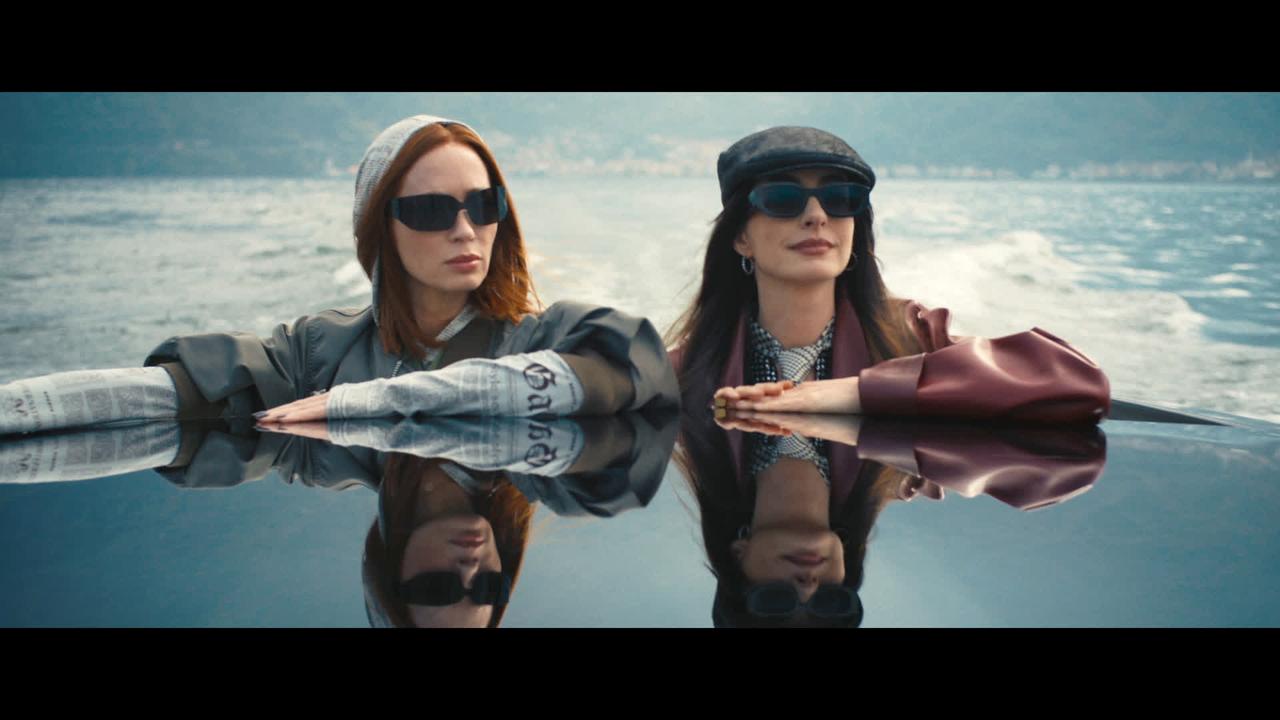
The cast has been careful not to present the sequel as a heavy media drama.
Meryl Streep joked that the team had not made "Spotlight," but "The Devil Wears Prada," with “a lot of fun and fashion.” Tucci called it “a nice bit of escapism” at a chaotic time, while Blunt said she hoped audiences would experience it as a “joy bomb” and enjoy its “nostalgia bank.”
The sequel was again written by Aline Brosh McKenna and directed by David Frankel. It includes designer fashion, New York and Milan settings, and cameos from figures including Marc Jacobs and Naomi Campbell. Lady Gaga also appears among the film’s cameo-heavy supporting world.
Early reviews have been mostly positive, although not unanimous.
Variety described the film as “a sequel made with intelligence and respect for both its predecessor and the legions who still love it,” while The Guardian called it “good-natured, buoyant entertainment.”
Empire said the film gives its characters “a fresh story” instead of relying only on the original’s familiar elements, but added that the story could have used higher stakes. The Hollywood Reporter was less convinced, describing it as “pretty and polished” but “as featherweight as a fawning magazine puff piece."
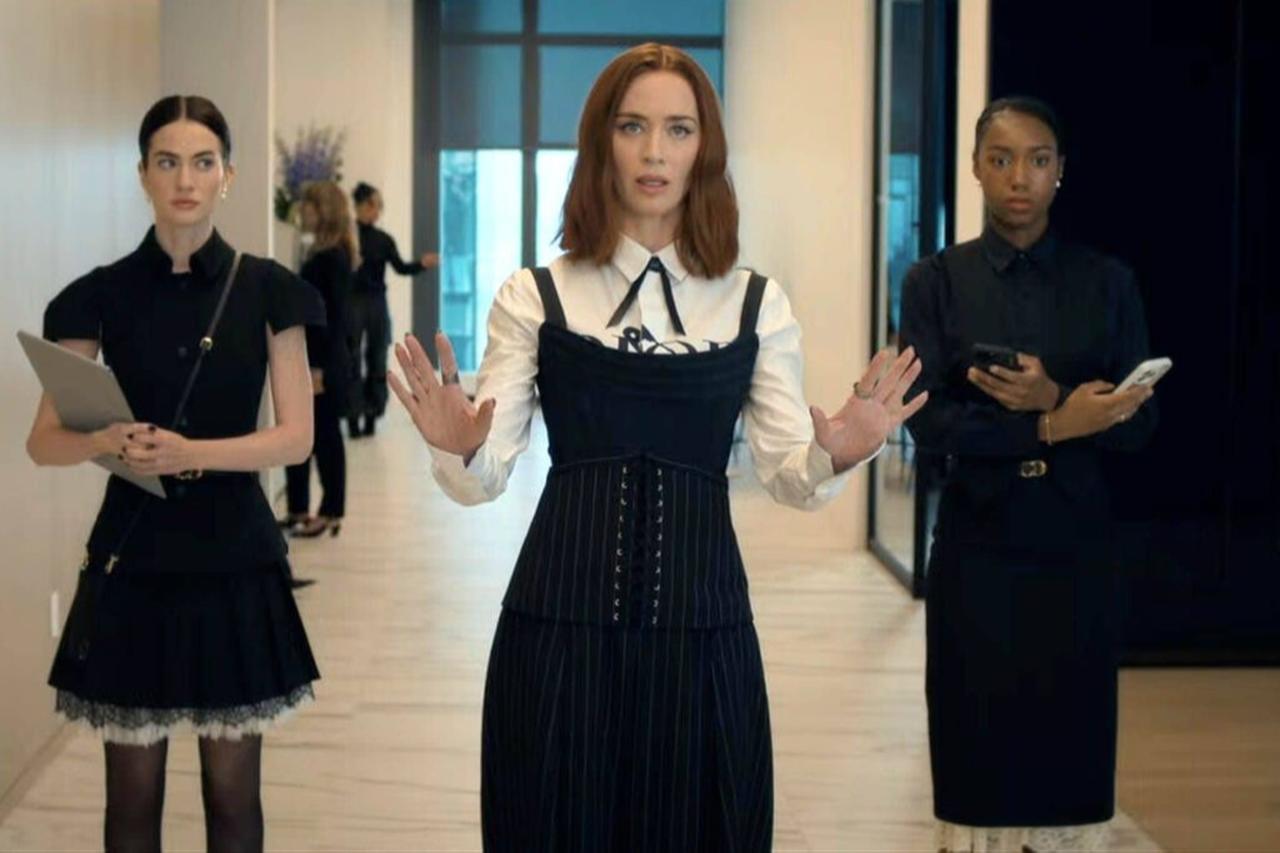
Beyond nostalgia, the film also returns to one of the original’s central themes, the way ambitious women are judged in professional life.
Streep said the question still matters because ambition remains more heavily policed when it appears in women.
“For young women who pursue a career, it’s always been that ambition is seen as an unattractive quality in women. We would hope that feeling would be obsolete but it isn’t, it’s alive and kicking,” she said.
Hathaway made a similar point, arguing that stories about women who are deeply committed to their work remain rare in Hollywood.
“Stories about women who love what they do, who work at it and who prioritise it, are few and far between in Hollywood,” she said.
The sequel also addresses the personal cost of high-pressure careers. Hathaway said the question of what makes a “full life” remains personal, adding that for some people fulfilment comes through a career, while for others it does not.
Streep added that this is not only a message for women.
“I think it’s a message that men can take to heart as well,” she said. “No man on his deathbed says ‘damn, I wish I’d been at the office more,’ I don’t think. We all want to keep our lives in balance.”
Although the sequel features several returning stars and new names, not every planned appearance made it into the final version.
According to Entertainment Weekly, Sydney Sweeney filmed a three-minute scene in which she played herself, with Emily Charlton dressing her inside Dior offices before Andy, Miranda and Nigel arrive. The scene was cut for structural reasons, described as a creative decision rather than a reflection on Sweeney’s performance.
Conrad Ricamora was also removed from the final film. He had been cast as Andy’s roommate, but Variety reported that test audiences questioned the character’s purpose. Ricamora later wrote on Instagram that his character “didn’t make sense in the grand scheme of the film,” while also joking that he had actually been cut for “being too sexy and hott and my muscles being too big.”
Anna Wintour, whose career helped inspire the world of "The Devil Wears Prada" also filmed one take on set, but her cameo was left out. Frankel told Entertainment Weekly that the filmmakers did not want Wintour in the film because it would make the fictional world too self-referential.
“We actually explicitly didn’t want Anna to be in the movie because it’s a parallel world,” he said. “It was like, well, what is Vogue and who is Anna Wintour in a world where there’s a Runway and Miranda Priestly? It felt like it was too meta and would be distracting.”
Adrian Grenier, who played Andy’s boyfriend Nate in the original film, did not appear either. Frankel said there had been an idea to bring Nate back in a cameo, but the production schedule made it impossible.
The result is a sequel built around the original film’s central women rather than its romantic side plots, with Miranda, Andy and Emily again placed at the centre of a story about work, power and the cost of ambition.


 Set as preferred source
 Set as preferred source



 3 min read