Newsletters


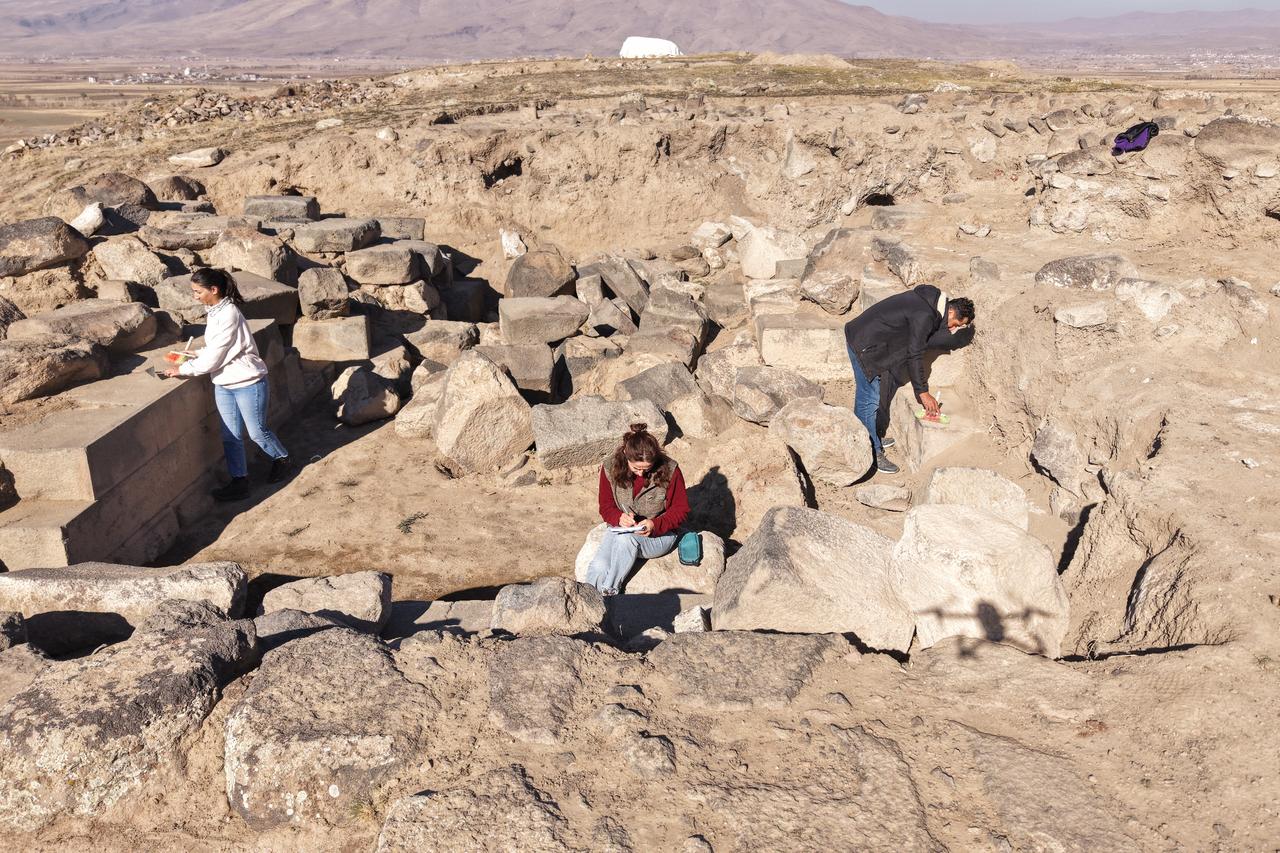


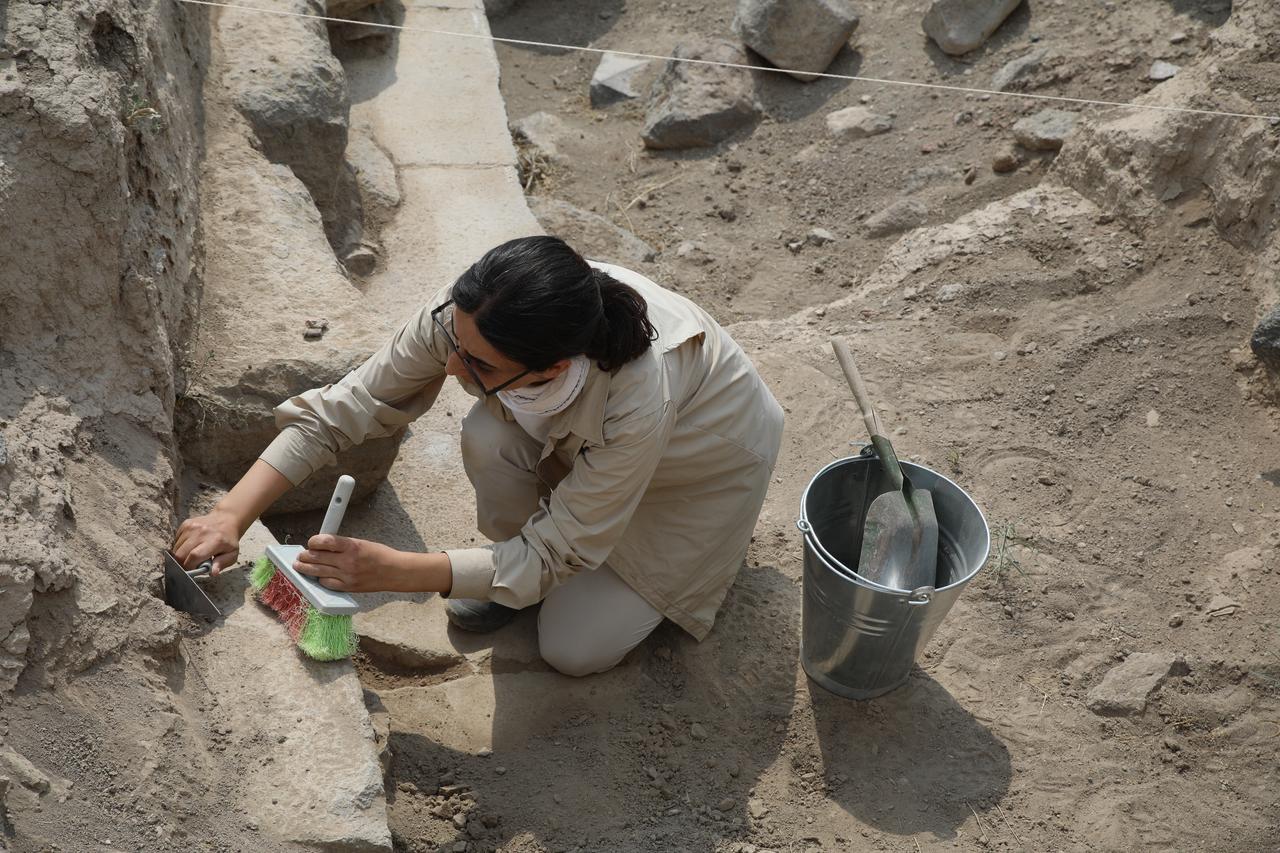
Archaeologists working at Korzut Castle in the Muradiye district of Van have uncovered a monumental entrance system leading into the citadel, revealing massive basalt fortification walls and a carefully controlled Urartian defense layout that sheds light on the region’s ancient history.
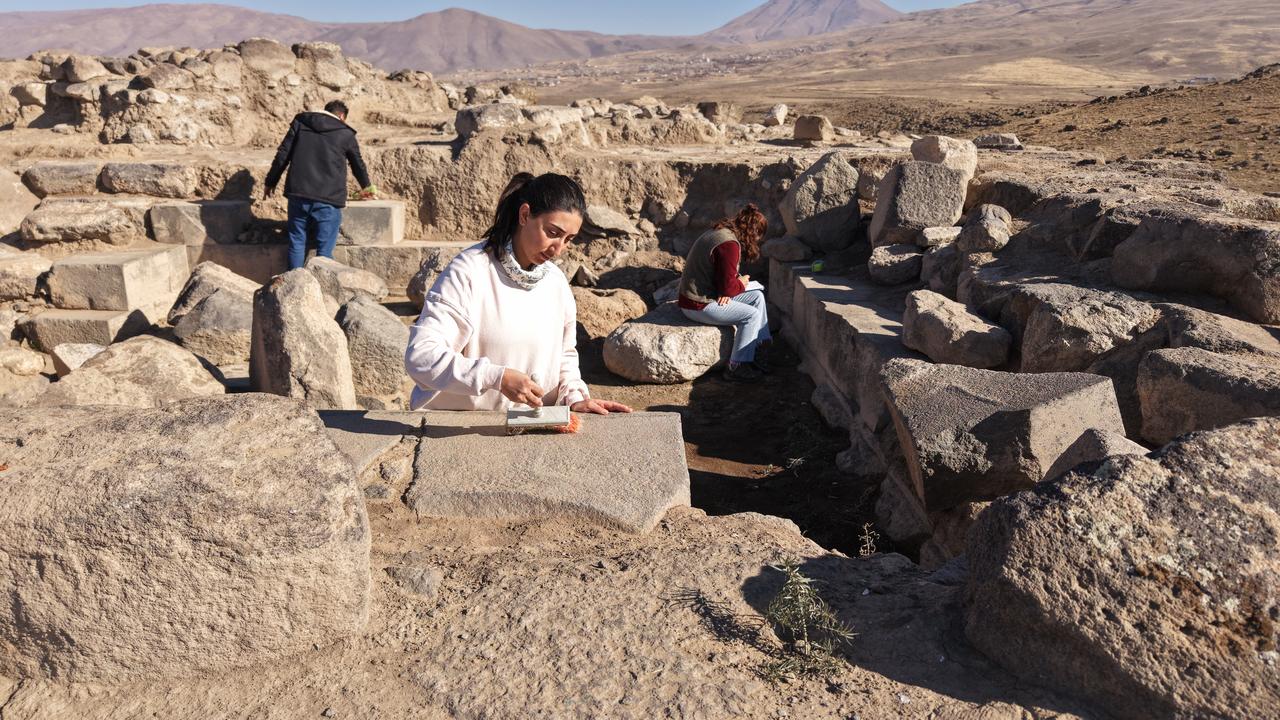

The fortress, built on a rocky area near Ulusar by Urartian King Minua, has been under excavation since 2022 with permission from the Ministry of Culture and Tourism. Work is being carried out under the leadership of Associate Professor Sabahattin Erdogan from Van Yuzuncu Yil University’s Faculty of Letters, Department of Archaeology, with support from the Ministry, Van Governorship and Muradiye District Governorship.
This year, the excavations were included in the "Heritage for the Future" project, conducted under the Presidency of Türkiye. Within this framework, the team has been uncovering Urartian-period structures and finds that, according to the archaeologists, these help to illuminate the history of the wider region.
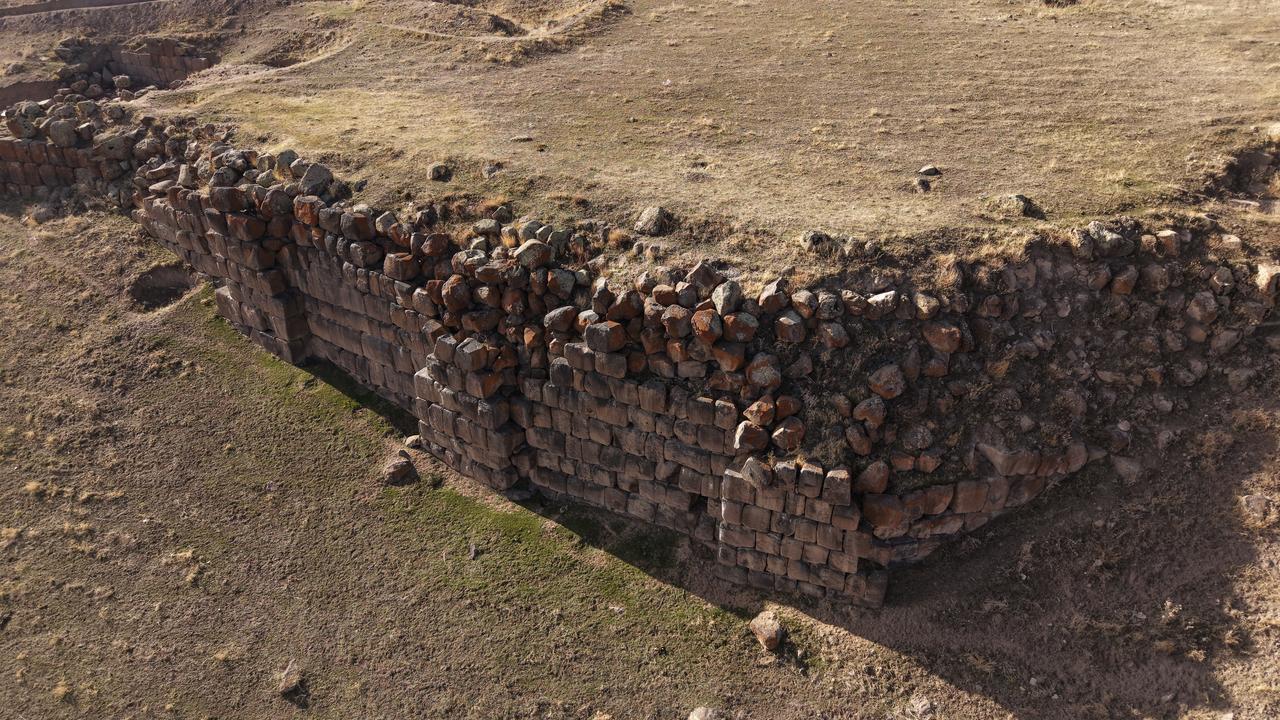
The latest discovery is an entrance unit integrated into the fortification system that leads into the citadel, the upper part of the city, usually surrounded by defensive walls and used as a secure refuge in times of attack. The newly exposed gateway consists of a rectangular, planned, open courtyard aligned with the surrounding walls.
Erdogan explained that the team identified this feature on the northeast corner of the fortress, where they traced a distinctive entrance route connected directly to the main defensive walls. The structure reaches around 8 to 10 metres in height and about 4 metres in width, and is built as part of a larger defensive complex.
He noted that the entrance reflects characteristic Urartu gate architecture, which was based on an axial but indirect system. Instead of allowing a straight, direct passage, the layout forces anyone entering to follow a more controlled, indirect route. Erdogan stated that this design meant that forces approaching from outside could not move straight into the citadel, which allowed defenders to manage the advance along a carefully planned line and maintain tighter control over the defence.
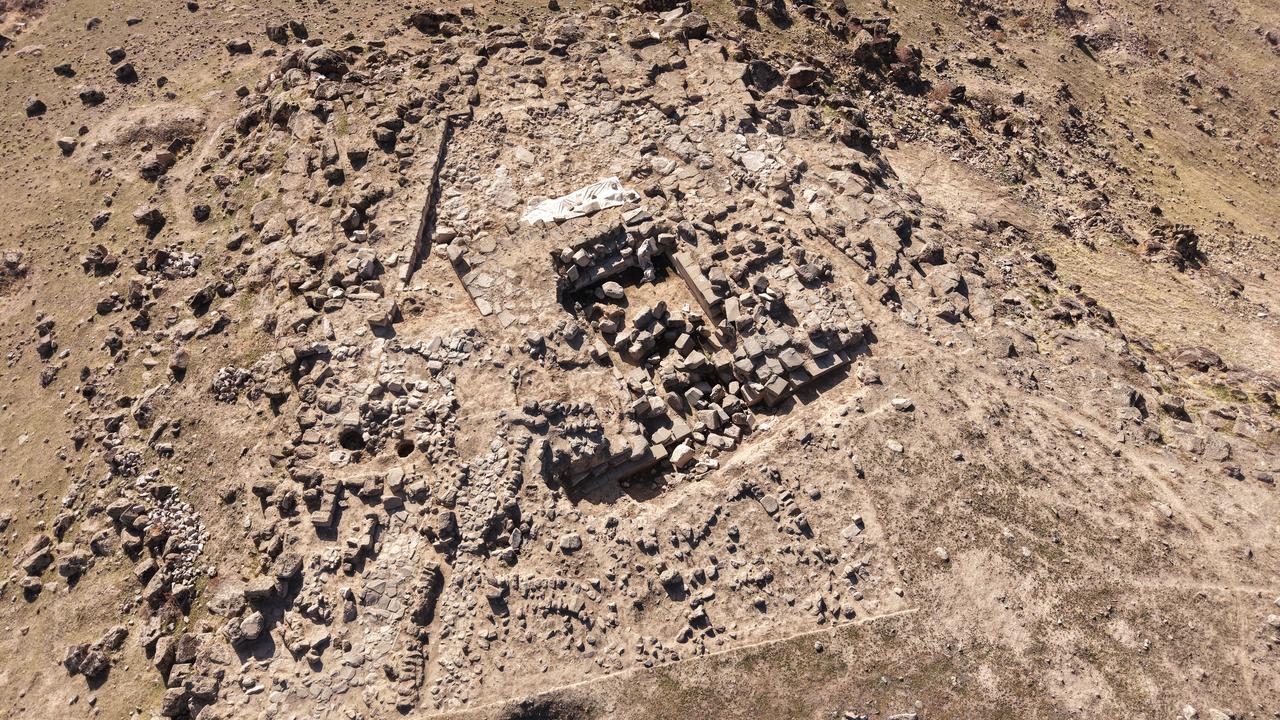
Excavations at Korzut Castle have already brought to light many architectural remains and artefacts from different periods. The team first focused on one of the most important buildings of the fortress, the Haldi Temple, which they succeeded in uncovering. During this phase, they also identified new fortification walls adjoining the temple.
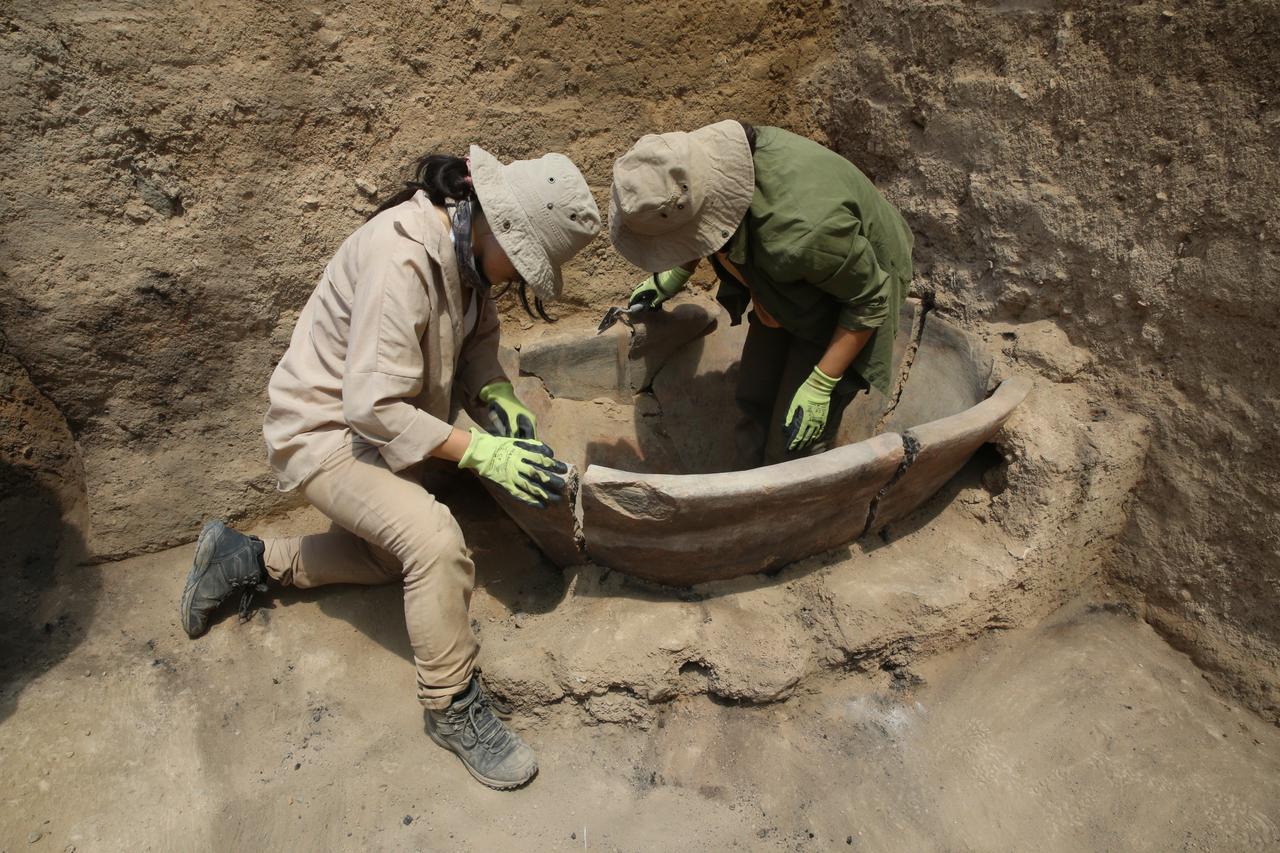
Across the site, archaeologists have documented fortification walls built from massive basalt blocks, two temples, and two stone blocks bearing six lines of cuneiform inscriptions. In addition, they have found metal arrowheads, bronze bracelets, and coins from the medieval period, together with both glazed and unglazed ceramic fragments.
Erdogan said that the walls revealed so far “have an impressive architecture” and underlined that the architectural evidence and small finds together “reveal how important the castle was.” He added that ongoing work continues to turn up new material that fits into this picture of a strategically significant stronghold.
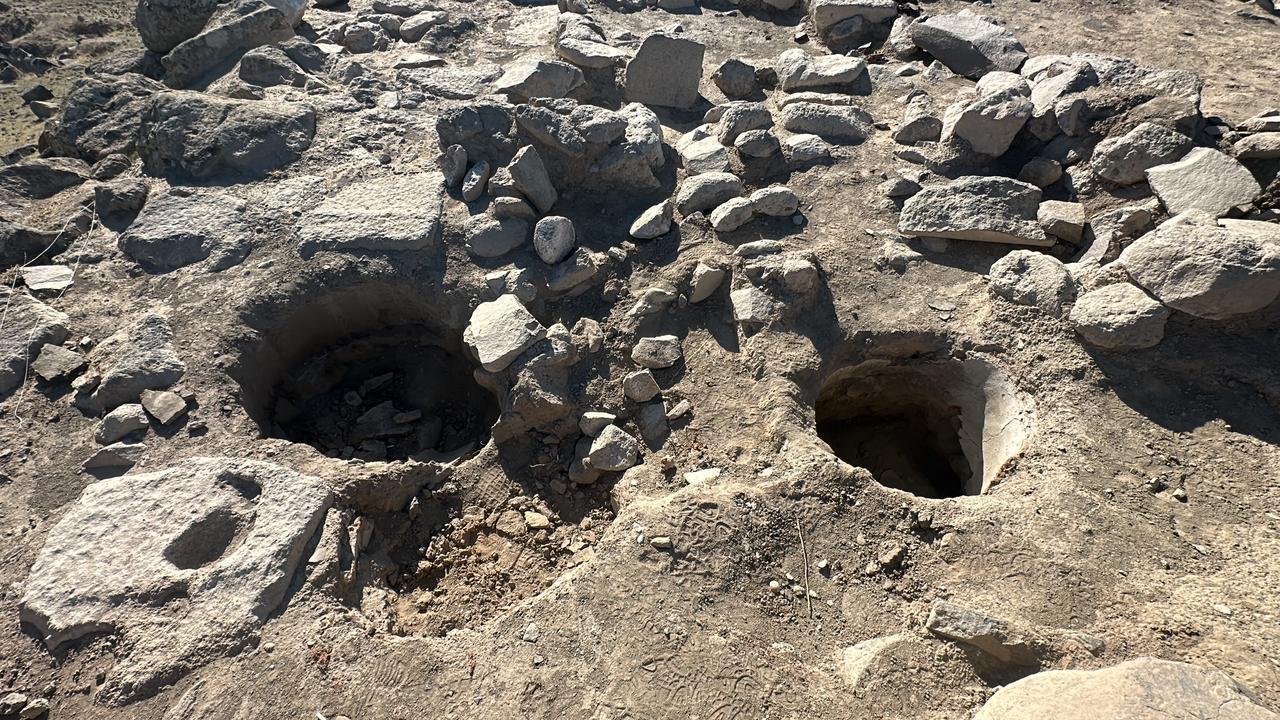
According to Erdogan, the newly exposed fortifications are made up of nine courses of stone, forming a towering wall in which different defensive elements can be read. On the outer faces, the team has identified bastions, outward-projecting tower-like elements, and features known as kurtin, the wall stretches between two bastions.
These elements form a regular pattern along the defensive line and, as Erdogan pointed out, demonstrate the importance Urartu engineers attached to the planning of such structures. The combination of bastions, connecting walls and an indirect gateway shows how the defenders designed the fortress to delay, divert and control any attacking force.
Alongside the architectural discoveries, the excavations carried out under the Presidency have also produced metal arrowheads, bronze bracelets and broken inscribed fragments. Erdogan stated that these finds strengthen the view that Korzut Castle held a significant position in the military and defensive system of the Urartu kingdom.
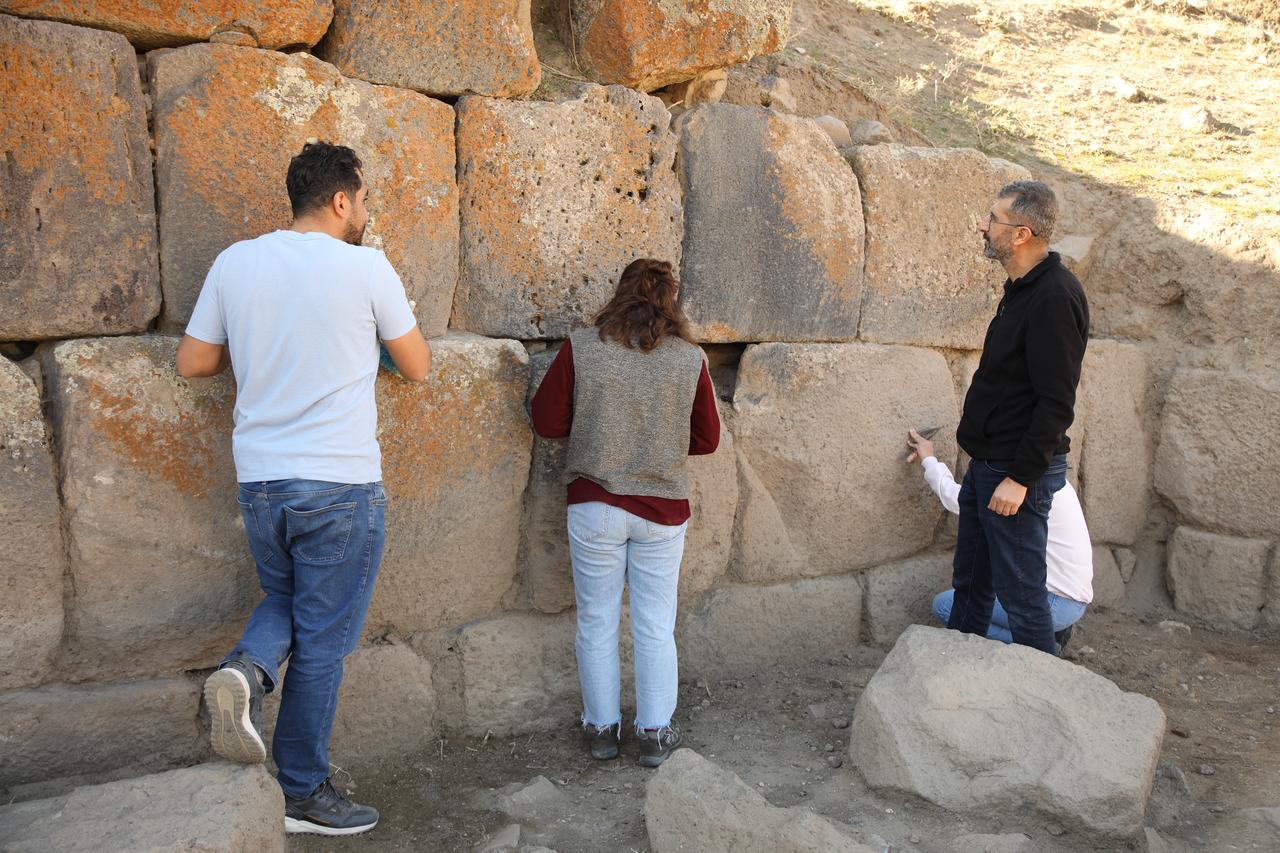
The scale and workmanship of the stone blocks used in the walls stand out as another key aspect of the discovery. Erdogan emphasised that the fortification system of the entrance unit is built from huge blocks forming nine horizontal rows, reaching 8 to 10 metres in height and about 4 meters in thickness.
He noted that each of the blocks used in the system is about 2 meters in length. Some of these stones were cut directly from the rock in the area where the fortress stands, while others were quarried from higher ground, then slid down to be placed in the fortification walls. Erdogan explained that this method both opened up new areas and ensured efficient use of building material.
He underlined that blocks of this size have not been observed at other Urartu castles. There are large stones at Van Castle as well, but the blocks at Korzut Castle are even larger. For Erdogan, this points to a truly monumental fortification system and, as he stressed, clearly shows how important the site was in military and defensive terms within the Urartu period landscape.


 Set as preferred source
 Set as preferred source


 1 min read
 1 min read