Newsletters


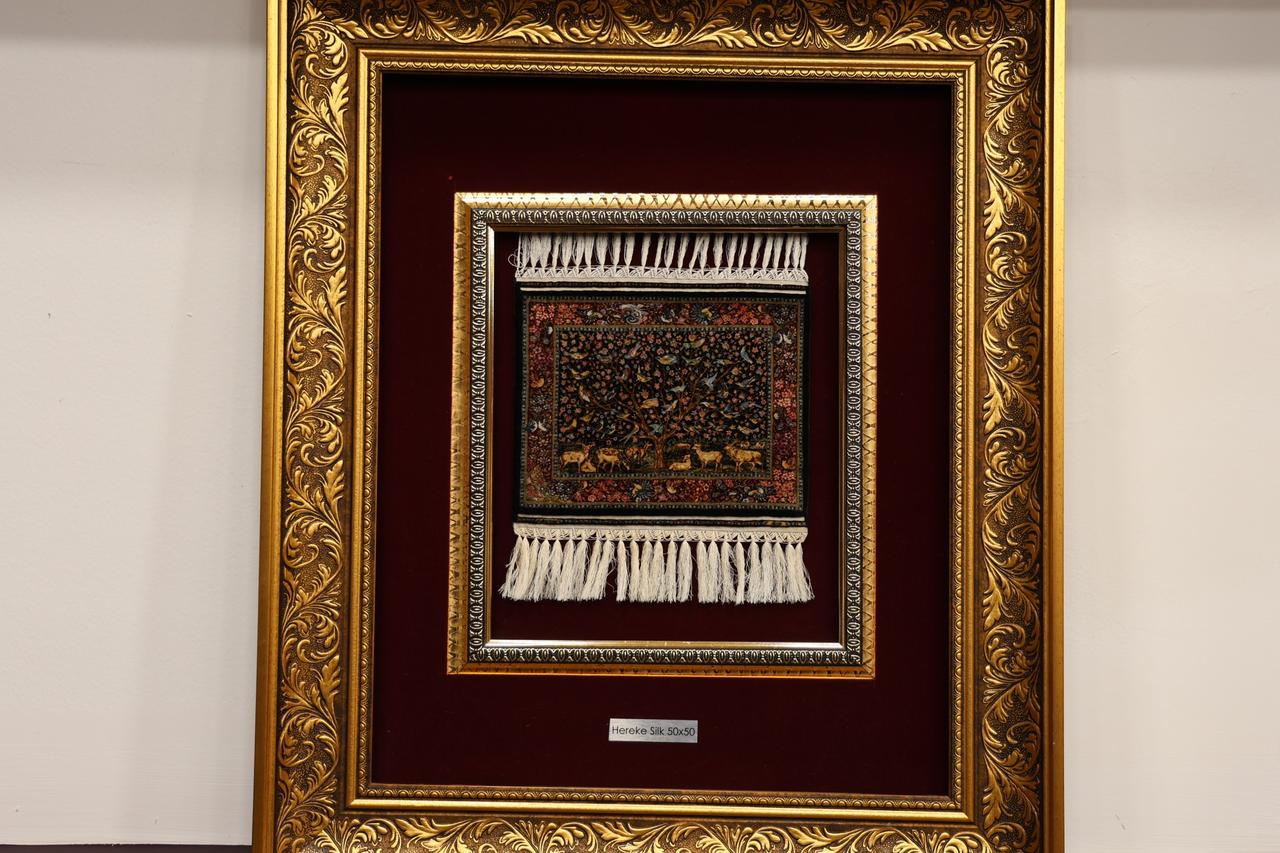


A silk carpet displayed in Türkiye’s Cappadocia region is drawing international attention for what experts say may be the most densely woven carpet ever produced, featuring an extraordinary level of craftsmanship that has taken five years to complete.
According to carpet expert Hakan Demiratan, who works in Cappadocia, the silk carpet contains an exceptional weaving density that sets it apart from any similar piece currently on record. The carpet reportedly features 2,500 double knots within a single square centimeter, achieved through a weaving pattern of 50 by 50 knots.
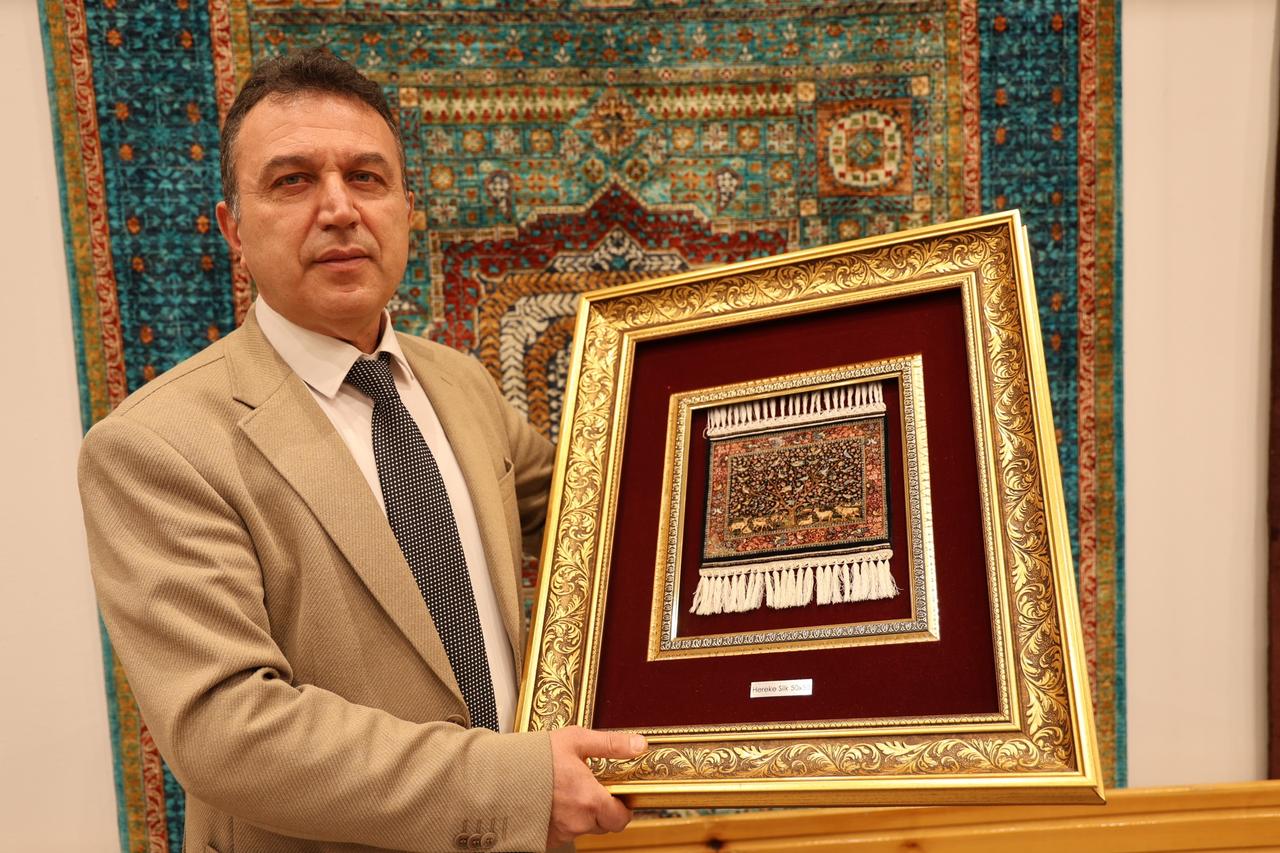

Demiratan explained that the highest officially recognized density in the Guinness World Records currently stands at a carpet with 25 by 25 knots per square centimeter, amounting to 675 double knots. He said preparations are underway to submit the Cappadocia carpet for Guinness evaluation.
Referring to the technical achievement behind the piece, Demiratan said the carpet is considered the most densely woven silk carpet known so far, adding that entering the Guinness records requires an extensive verification process that the team is now preparing for.
The carpet was created over five years of meticulous work, reflecting both advanced weaving techniques and deep-rooted craftsmanship.
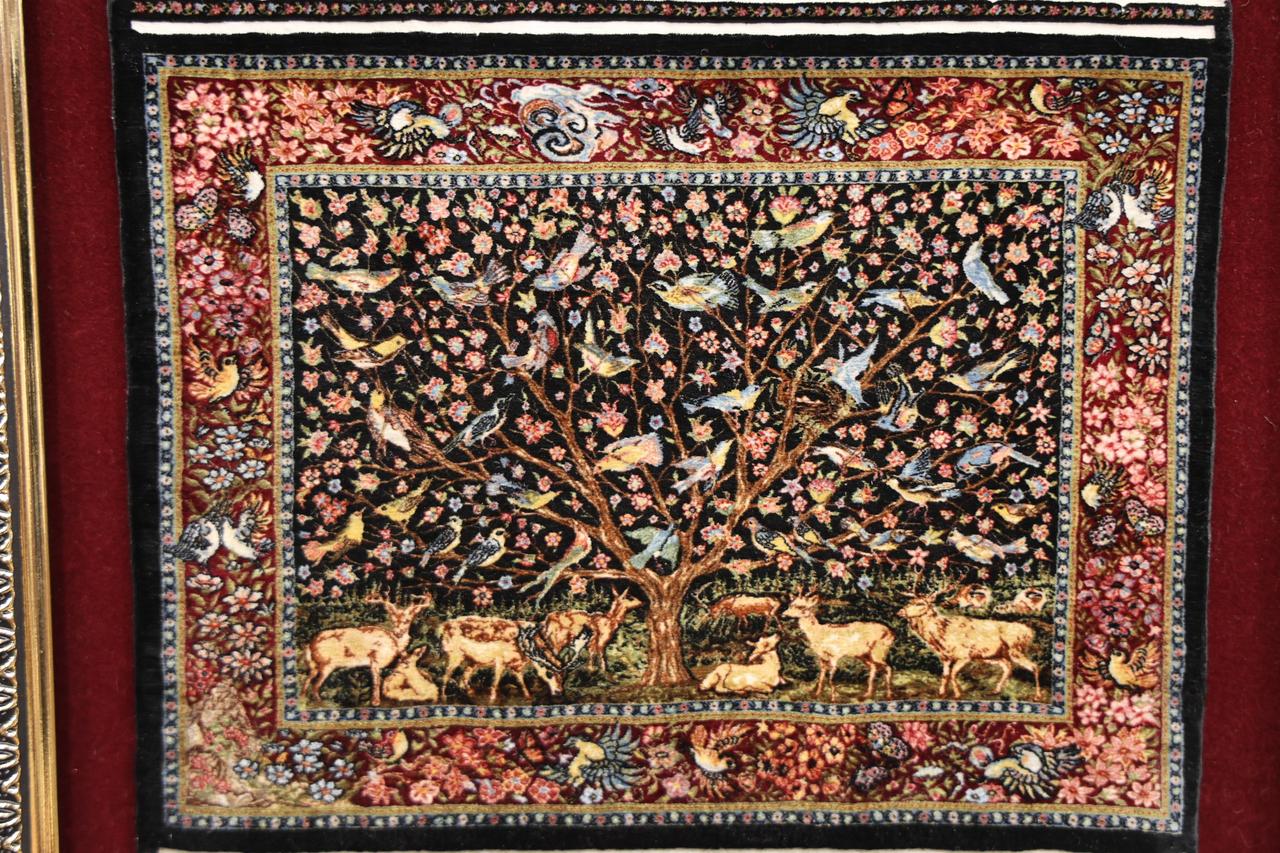
Beyond its technical complexity, the carpet also stands out for its symbolic design centered on the “Tree of Life” motif, a traditional pattern that represents continuity and eternity.
The motif has origins in Central Asian traditions and appears across different cultural narratives, including Altai shamanic beliefs and Scandinavian mythology, where the image of a cosmic tree symbolizes the connection between life, nature and the universe.
Within the carpet’s design, the central tree figure is surrounded by carefully woven animals, birds and plant motifs, each rendered with remarkable detail. Artisans used authentic Bursa silk, a material historically associated with high-quality textile production in Türkiye.
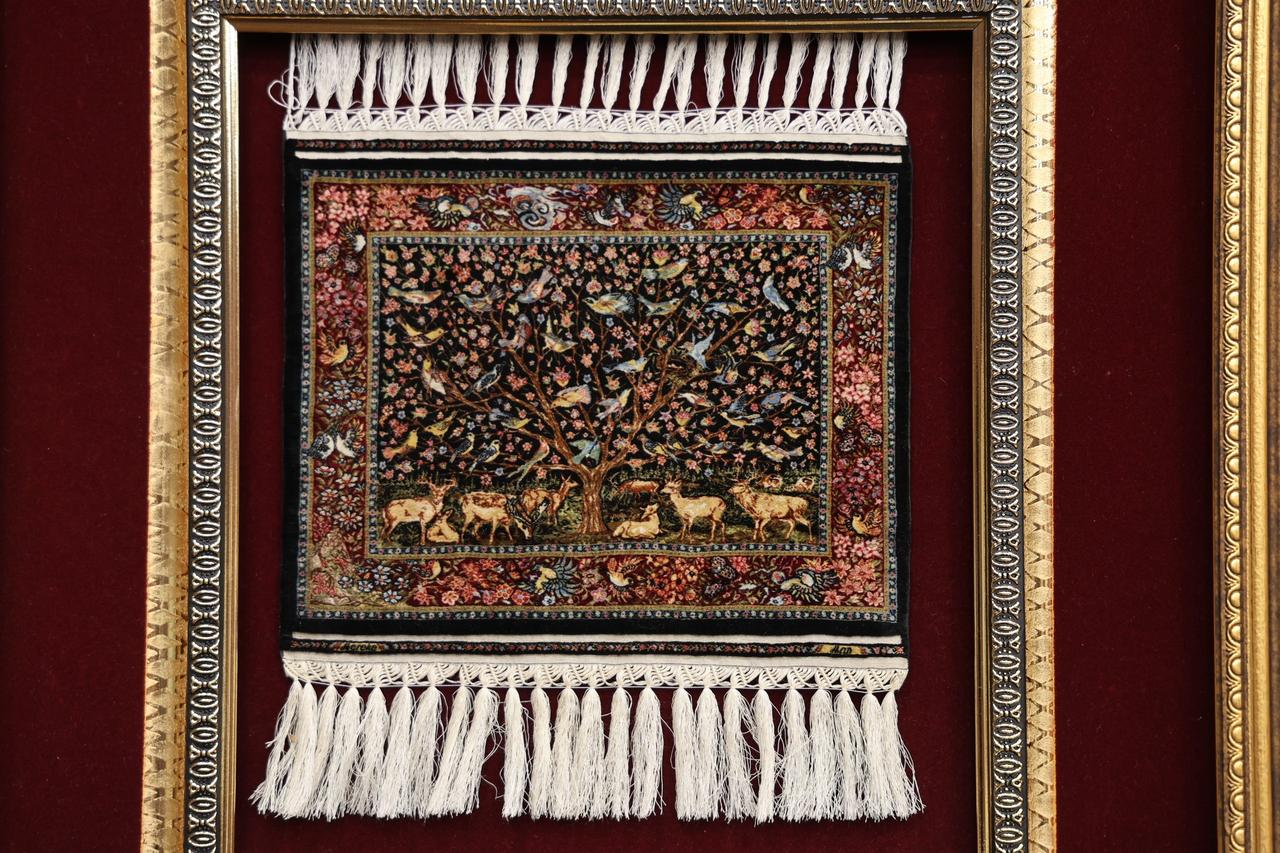
Experts say the piece reflects not only years of labor but also a weaving heritage that spans roughly 150 years of tradition. Because of the combination of technical mastery, rare materials and symbolic design, the carpet has been described by its creators as “priceless.”
The carpet is currently on display at the Carpet House in Cappadocia, where visitors are invited to view the work while preparations continue for its potential entry into the Guinness World Records.


 Set as preferred source
 Set as preferred source


 3 min read