Newsletters


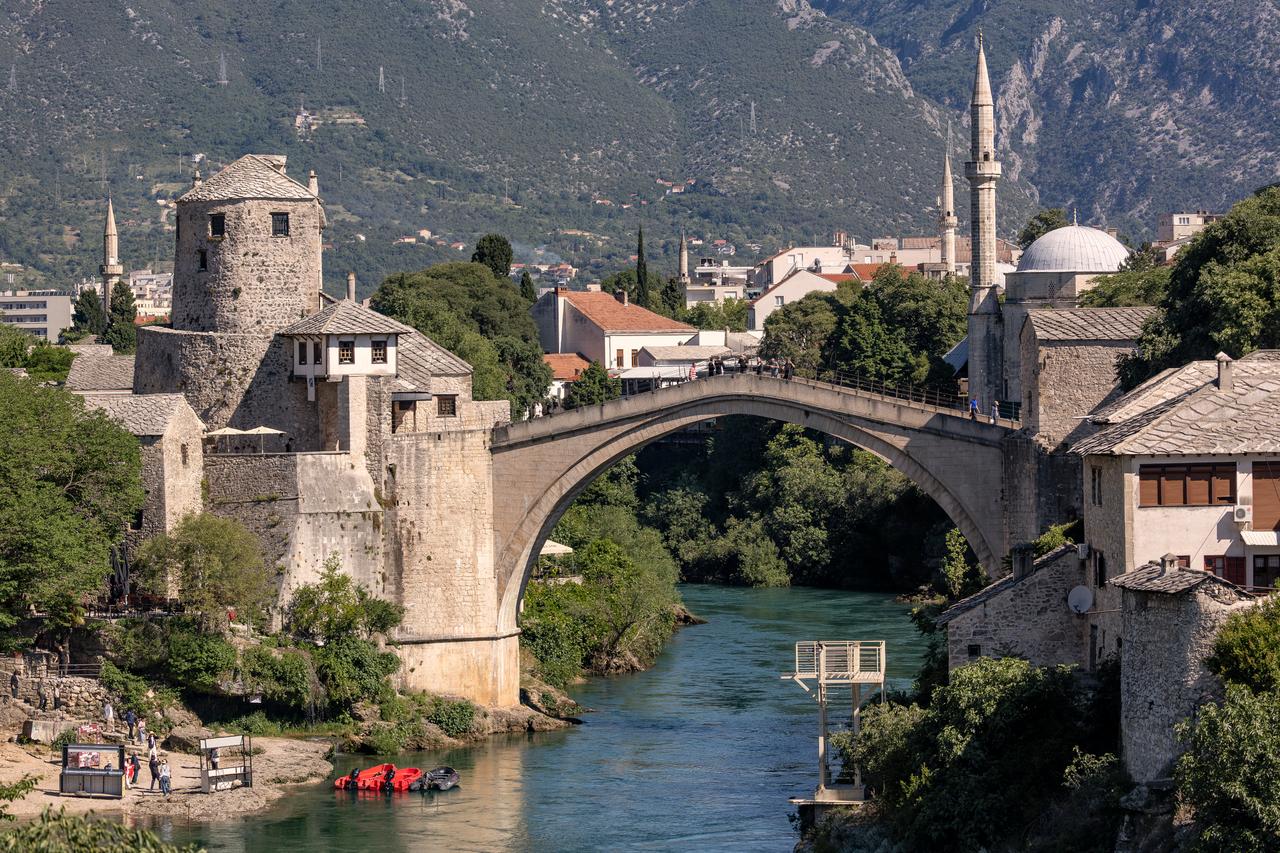


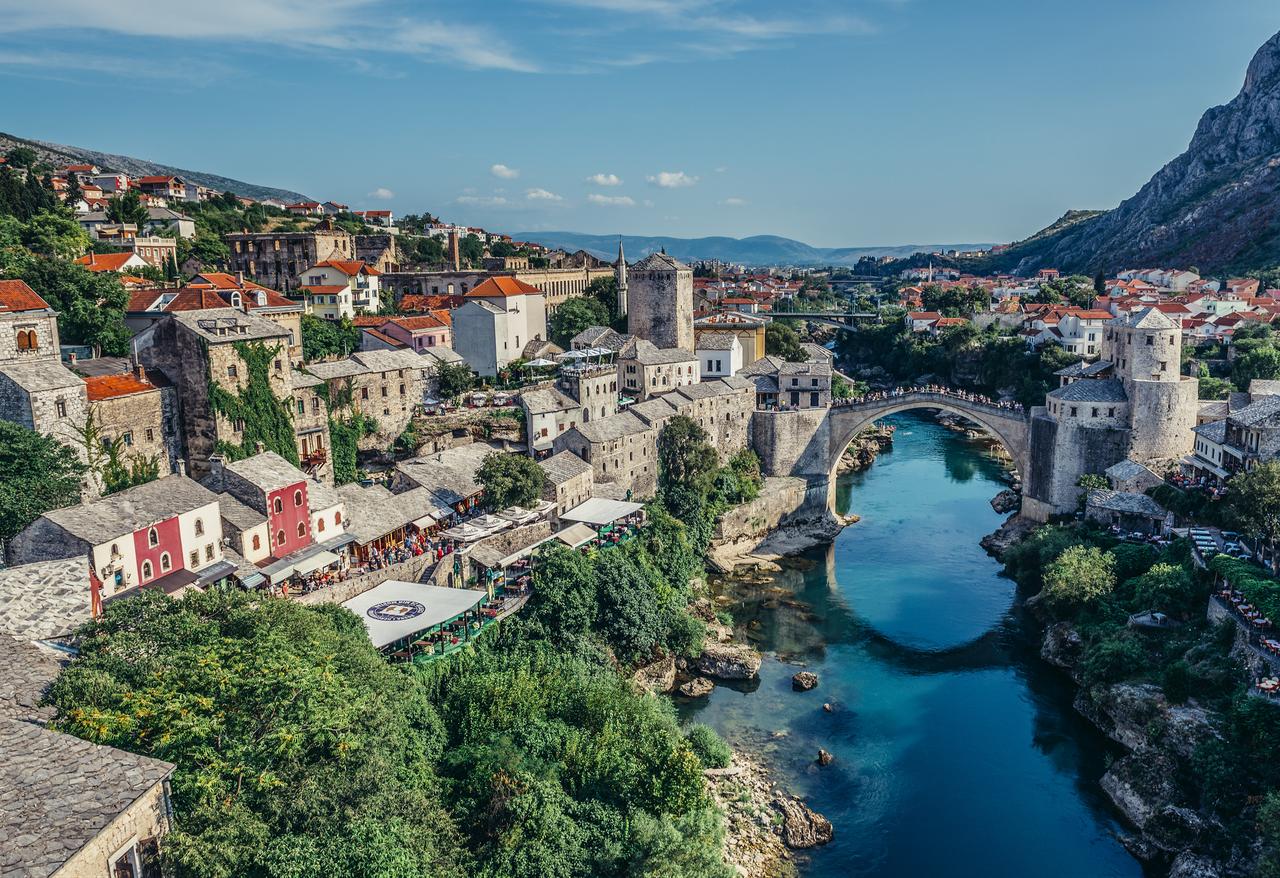
The Mostar Bridge, a 16th-century Ottoman structure spanning the Neretva River in southern Bosnia and Herzegovina, marked 33 years since its destruction on Nov. 9. Rebuilt and reopened in 2004, the bridge connects the two banks of Mostar and remains one of the most visited sites in Bosnia and Herzegovina and the wider Balkans.
Mostar lies in the Herzegovina region, about 130 kilometers (81 miles) southwest of the capital Sarajevo. The city takes its name from the bridge.
Architect Mimar Hayreddin, a student of Mimar Sinan, the most important figure in Ottoman architectural history, built the bridge in 1566. Hayreddin placed the single-arch, pointed-arch structure of cut stone at the Neretva River's deepest, narrowest point. The bridge's highest point stands 24 meters (79 feet) above the water.
Ottoman traveler Evliya Celebi described the bridge as unmatched in his travel writings. For five centuries, it has linked Bosniaks and Croats on opposite banks and contributed to the city's multiethnic character. Locally, the bridge is also known as Stari Most, meaning Old Bridge.

Young Mostar residents, regardless of religion or ethnic background, use the bridge as a platform for diving into the river below. An organized diving competition has been held at the bridge since 1968.
Historical accounts say muezzins at the nearby historic mosque recited the call to prayer from the height of the bridge’s midpoint. The accounts also say a pilot flew a small plane under the arch during the Yugoslav era, and that the stunt was not permitted again.
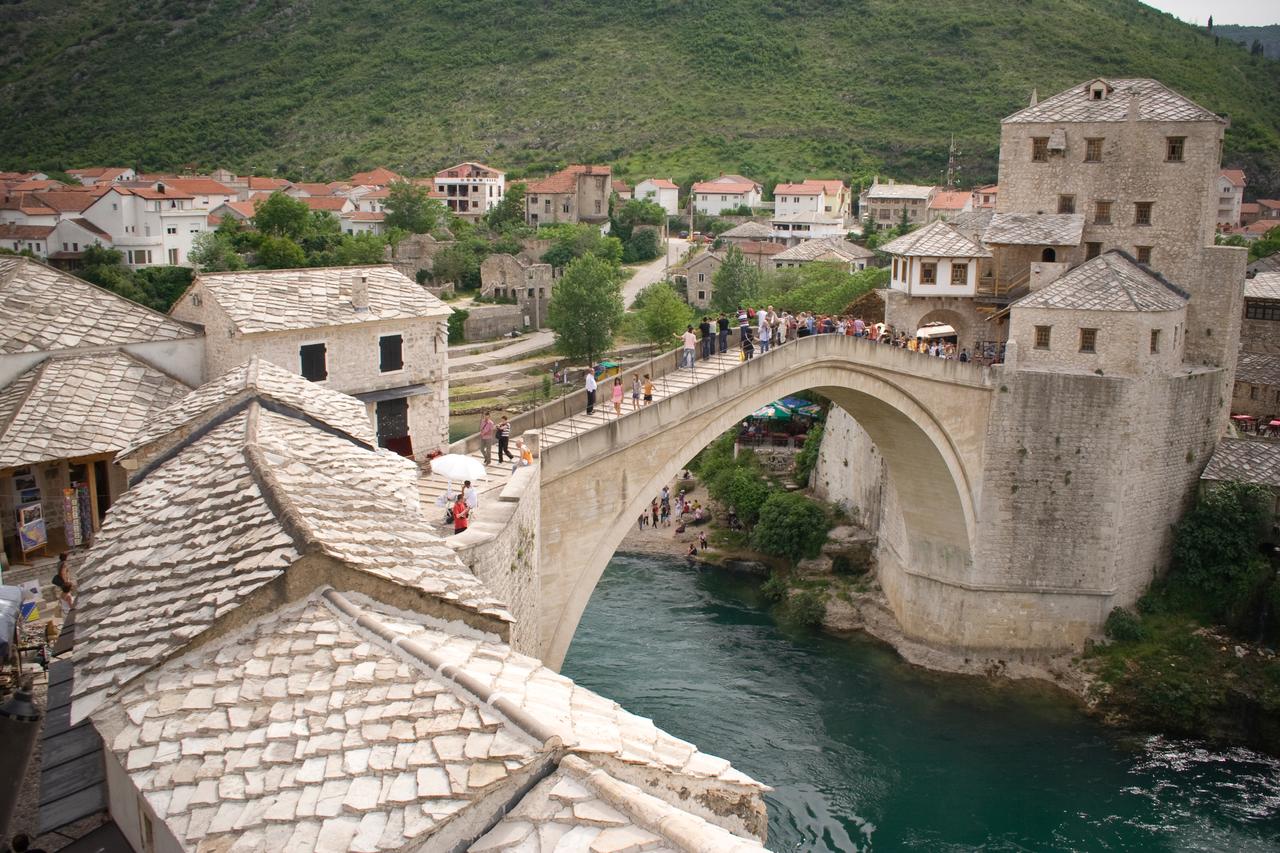
Artillery units of the Croat Defense Council (HVO) opened heavy fire on the bridge on Nov. 8, 1993, during the Bosnian War. The structure collapsed at 10:16 a.m. the next day. Footage of the collapse was recorded and came to light years later.
The Bosnian War lasted from 1992 to 1995. In Mostar, fighting in 1993 pitted the HVO against the Army of Bosnia and Herzegovina, and the city was divided along the Neretva River. The war ended with the Dayton Agreement in December 1995.
The loss of the bridge drew some of the strongest reactions from the international public during the war. Residents who witnessed the collapse remember the day as dark and regard the bridge as part of themselves.
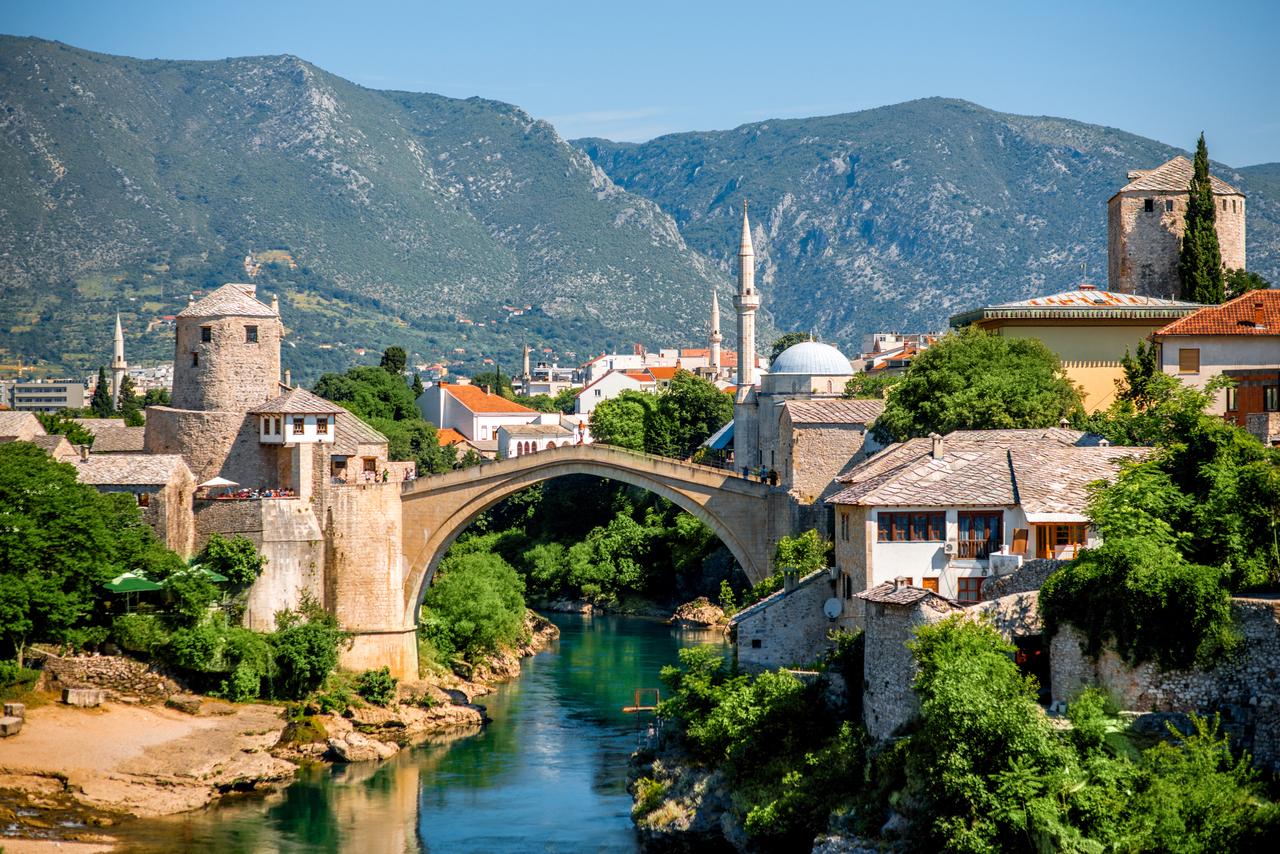
The bridge was rebuilt in its original form with the support of several countries, including Türkiye, and international organizations. It reopened in 2004 with a ceremony. Reconstruction work began in 2001. Please verify.
One year later, the bridge and the surrounding old city on both banks were added to the UNESCO World Heritage List.
The bridge is now seen as a symbol of peace and tolerance and has helped bring people of different religions and ethnic backgrounds into closer contact. Mostar holds commemorations every year on Nov. 9.


 Set as preferred source
 Set as preferred source


 2 min read