Newsletters


Nestled in the Fergana Valley in eastern Uzbekistan, Namangan has long been known as the country's "city of flowers."
Each summer, the city transforms into a living canvas of color as the International Flower Festival returns to its streets, parks and public squares.
Now in its 65th edition, the event has grown from a local celebration into one of Central Asia's most anticipated cultural gatherings, drawing visitors from more than 50 countries to witness a city in full bloom.
Babur Park serves as the festival's beating heart, with its 8-hectare main venue hosting large-scale floral compositions prepared by more than 250 growers, florists and designers.
The park's pathways, lined with seasonal plantings, guide visitors through an open-air exhibition that stretches across nearly every corner of the venue.
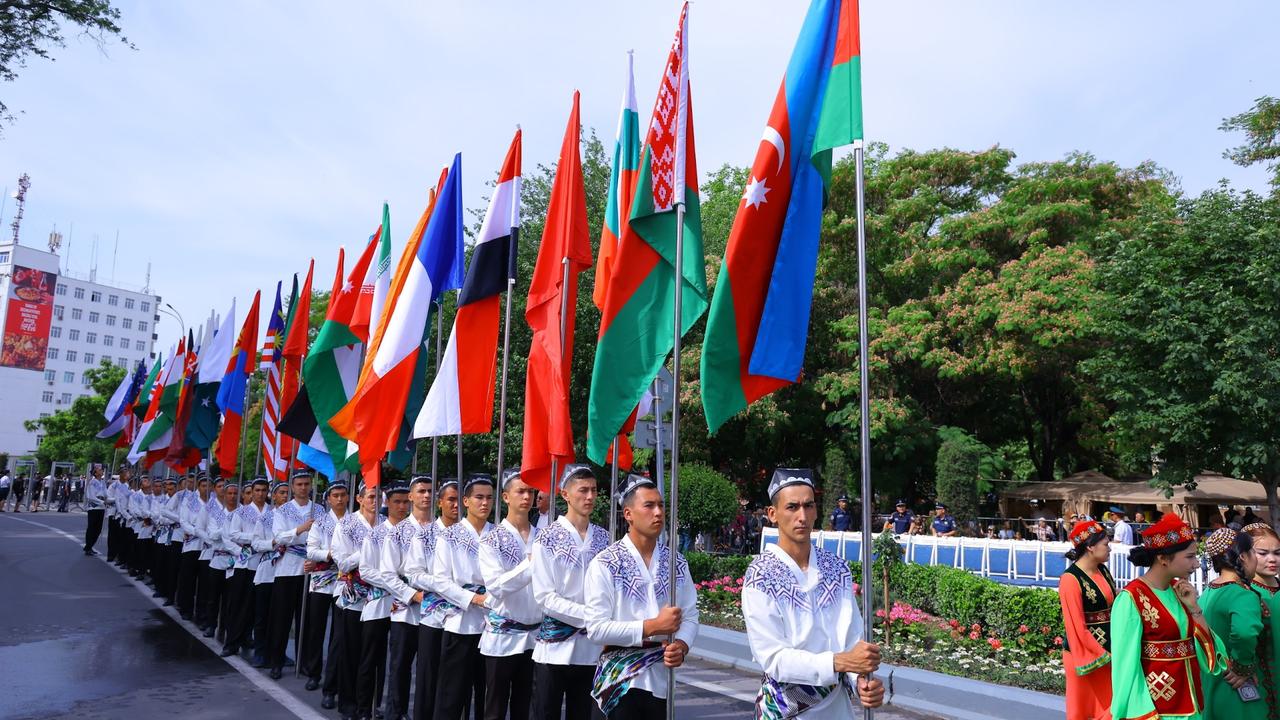
Some 150 million seedlings representing 120 flower varieties are planted across Namangan for this year's festival — a figure that dwarfs previous editions.
In 2018, the city planted 4.5 million flowers; by 2024, that number had reached 45 million.
Stands, decorative installations and miniatures throughout the city are filled with these plantings, reinforcing Namangan's identity as a city shaped by its relationship with flowers.
Ahead of the festival's opening, a record attempt was quietly underway. Between April 20 and May 20, approximately 30 million flowers were planted specifically for a Guinness World Records submission in the category of most flowers planted by a team within one month.
All planting activities were documented to international standards, and the necessary data were submitted to Guinness World Records officials.
The certificate is expected to be presented at the opening ceremony.
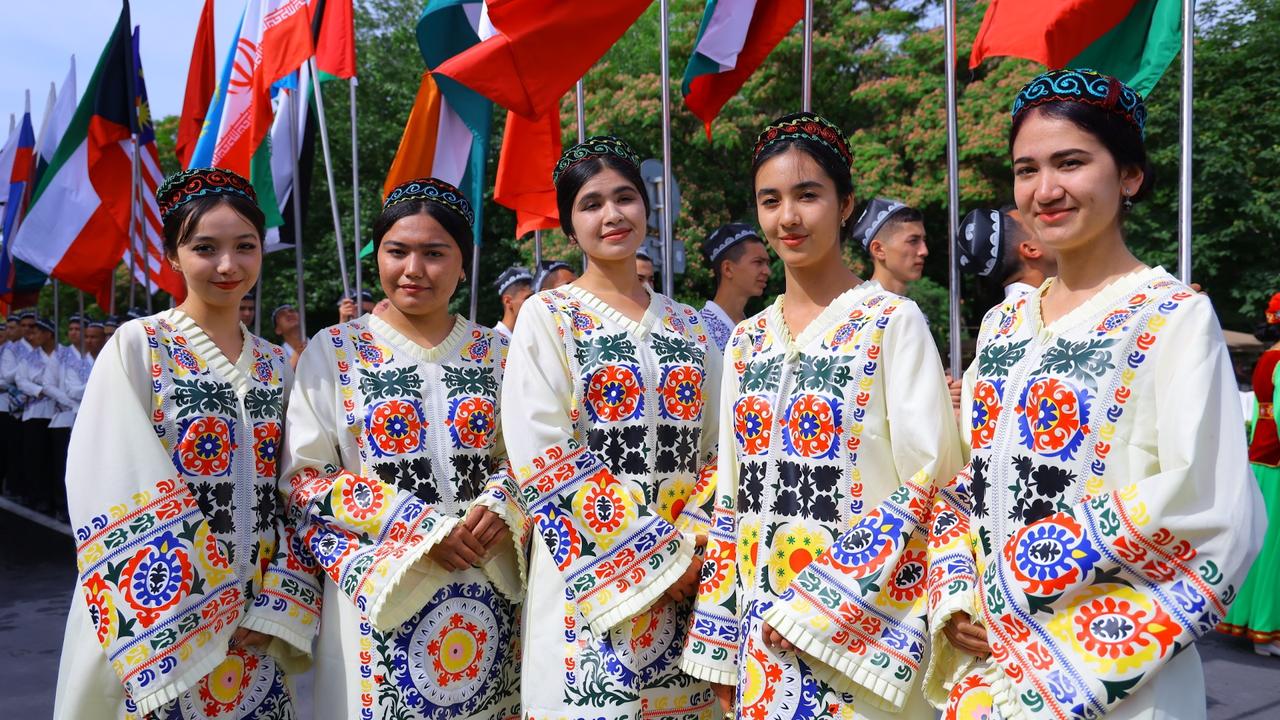
Nearly 500 growers, florists and floral designers from Uzbekistan and abroad gather each year to present their work at the festival, with over 1,000 flower varieties on display—including rare species not commonly seen in commercial cultivation.
This year's edition draws participants from over 50 countries, reflecting the festival's steady growth as a professional platform for horticulture and floral design alongside its identity as a public celebration.
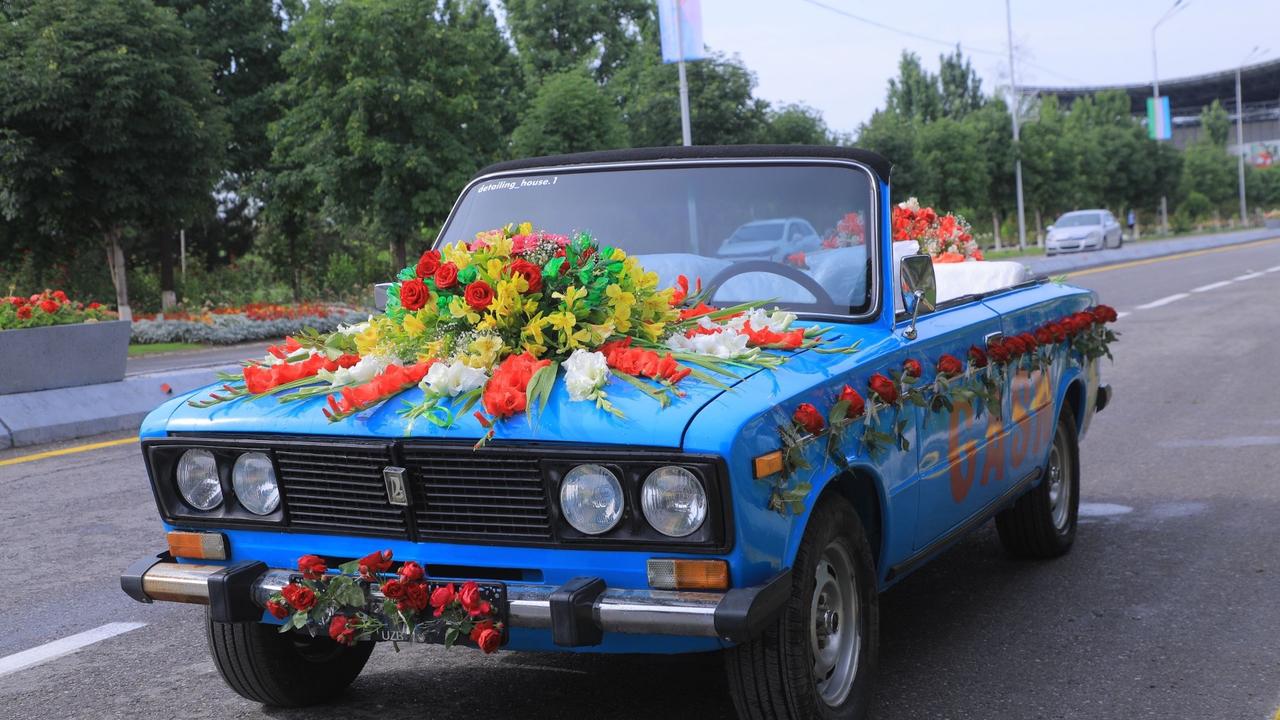
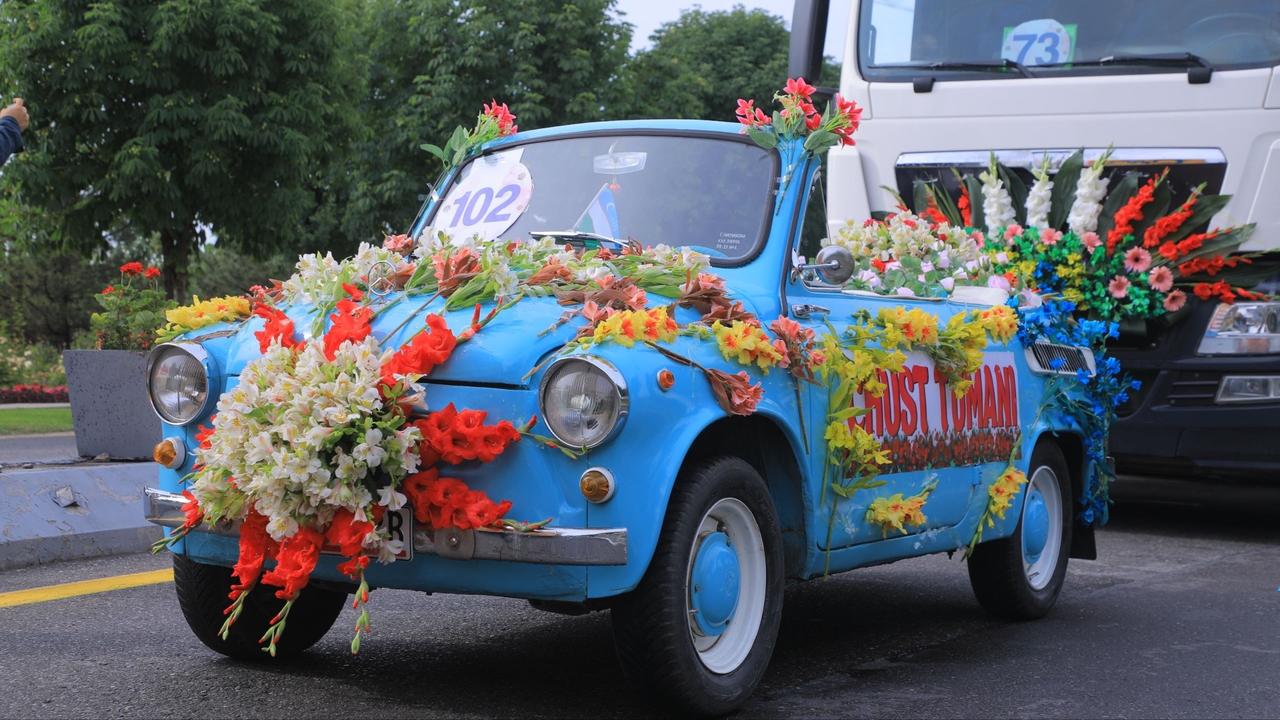
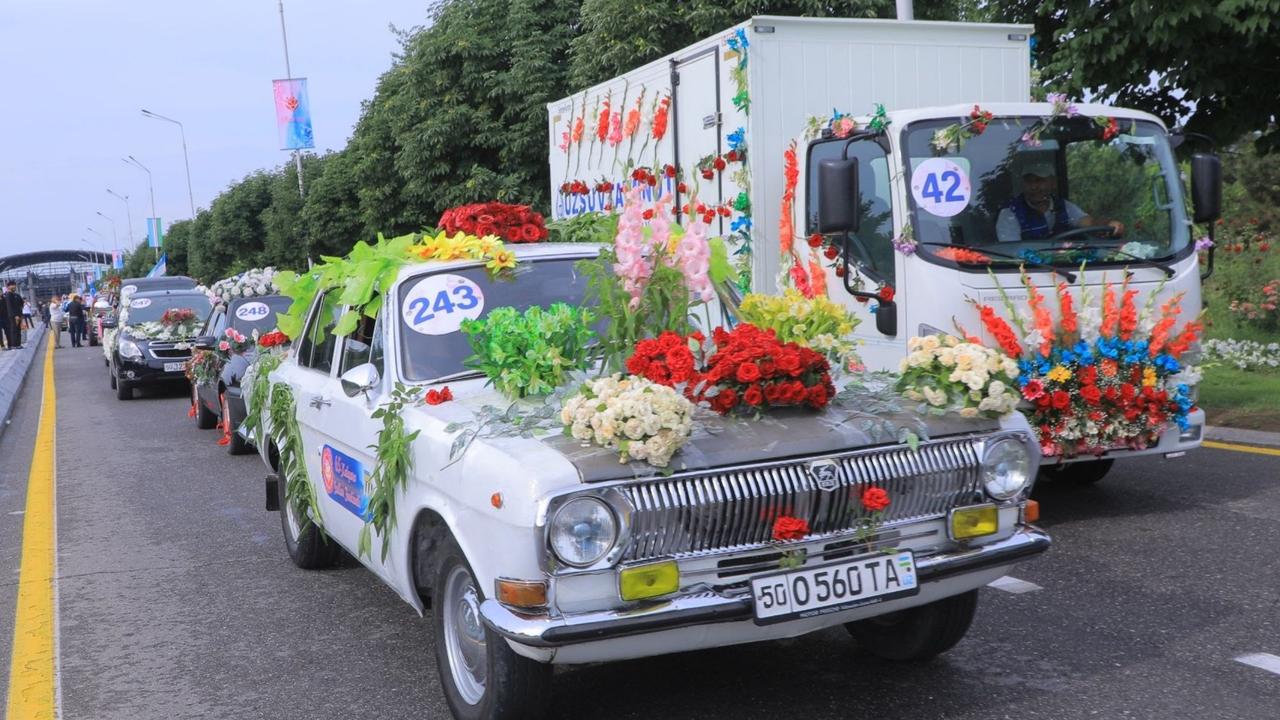
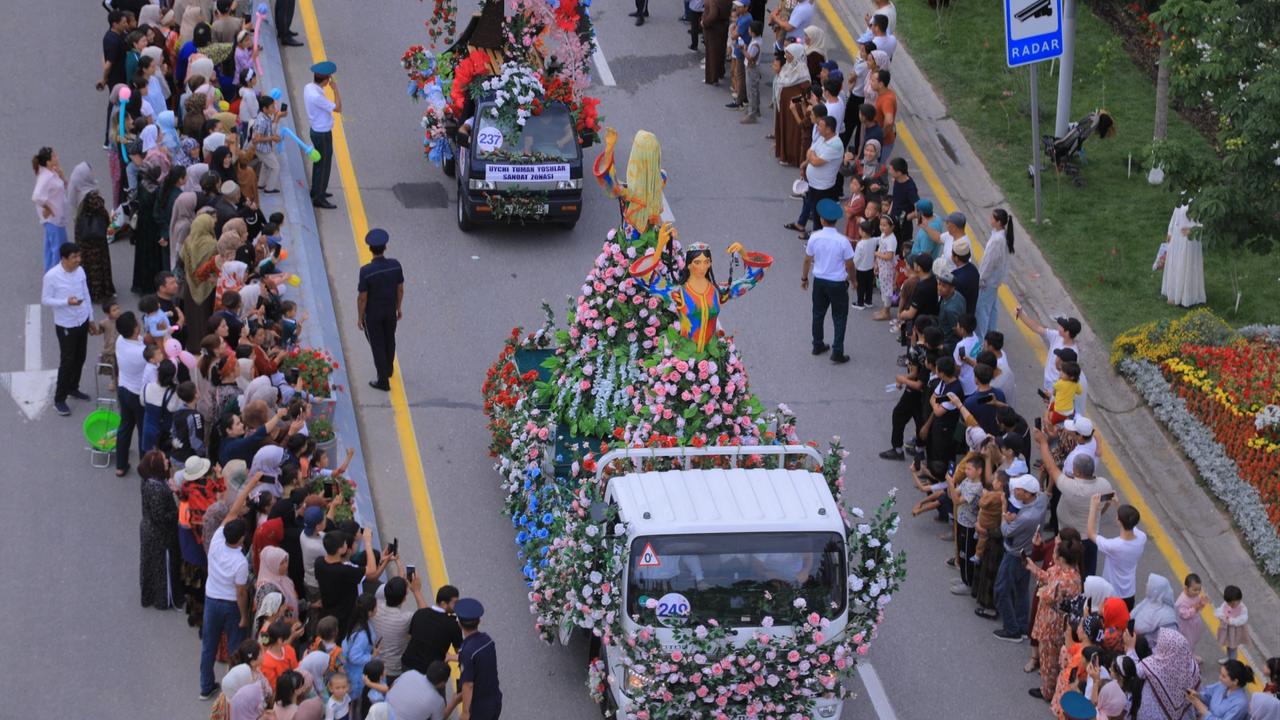
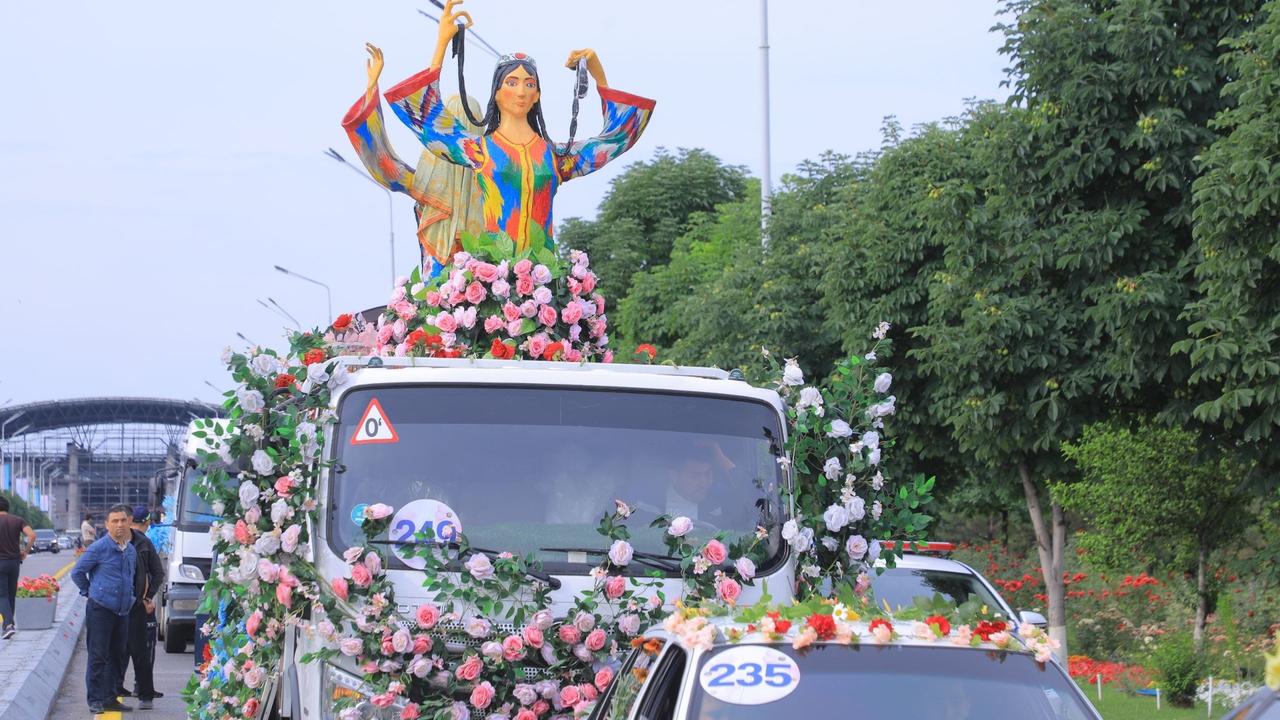
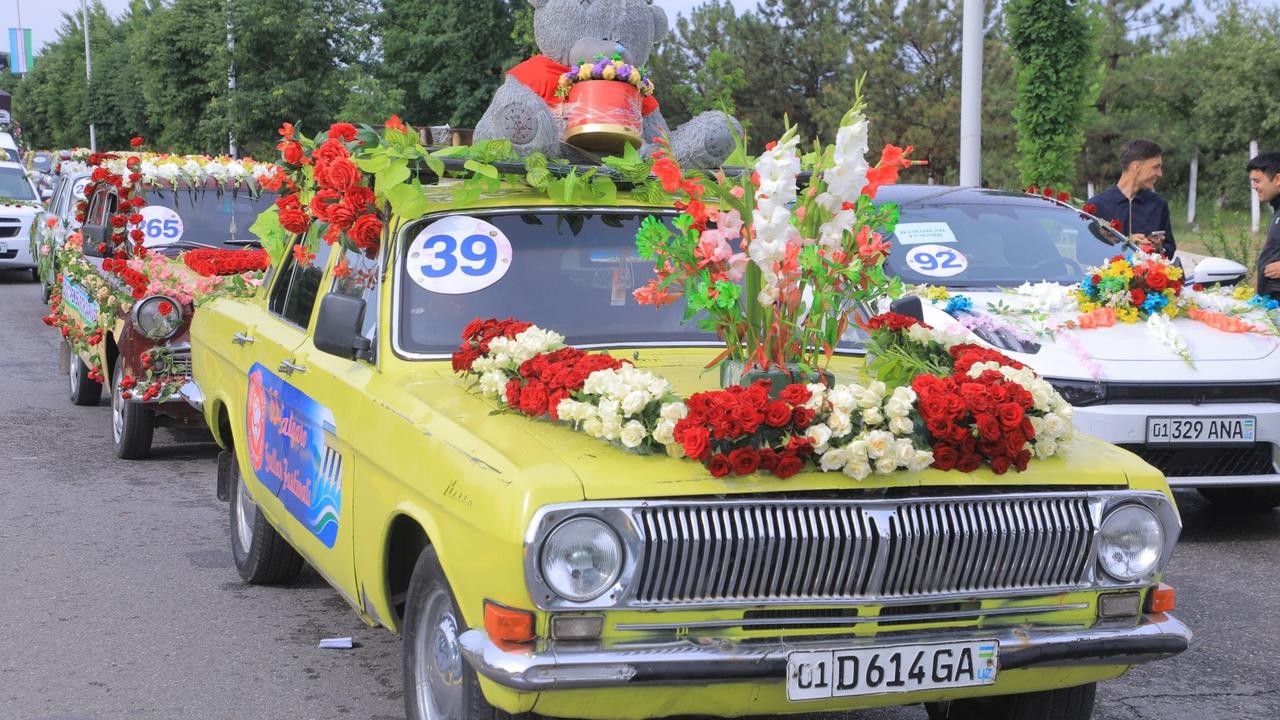
A cortege of approximately 200 vehicles decorated with fresh flowers travels the roughly 10-kilometer route between Namangan Airport and Babur Park, marking one of the festival's most visually distinctive traditions.
The procession draws crowds along its path and signals the formal start of the festival period, connecting the city's entry point to its main venue in a moving display of floral decoration.
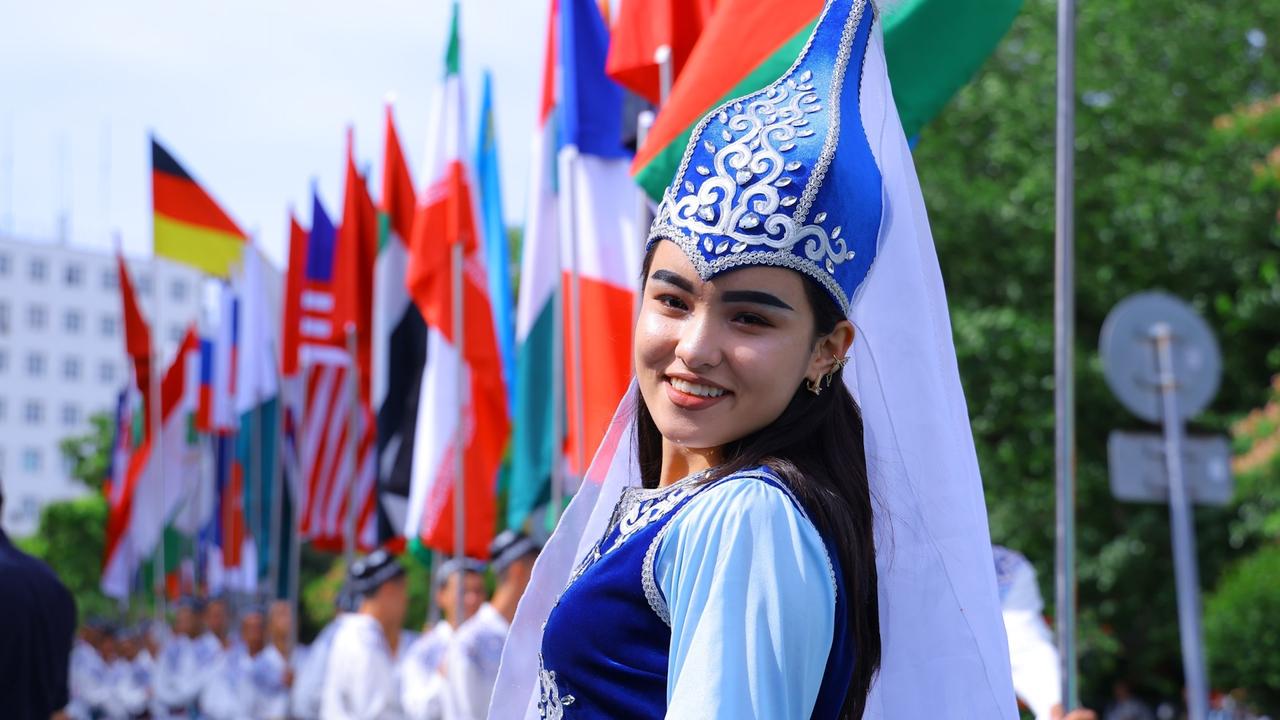
Florists and master craftspeople from the Netherlands, Japan and Türkiye lead hands-on workshops throughout the festival, offering instruction in floral arrangement techniques to both professionals and the public.
Children's programming runs alongside adult workshops, with sessions in flower planting, ikebana and painting scheduled across the festival grounds.
The workshops reflect the event's dual role as both a public spectacle and a space for skills exchange.
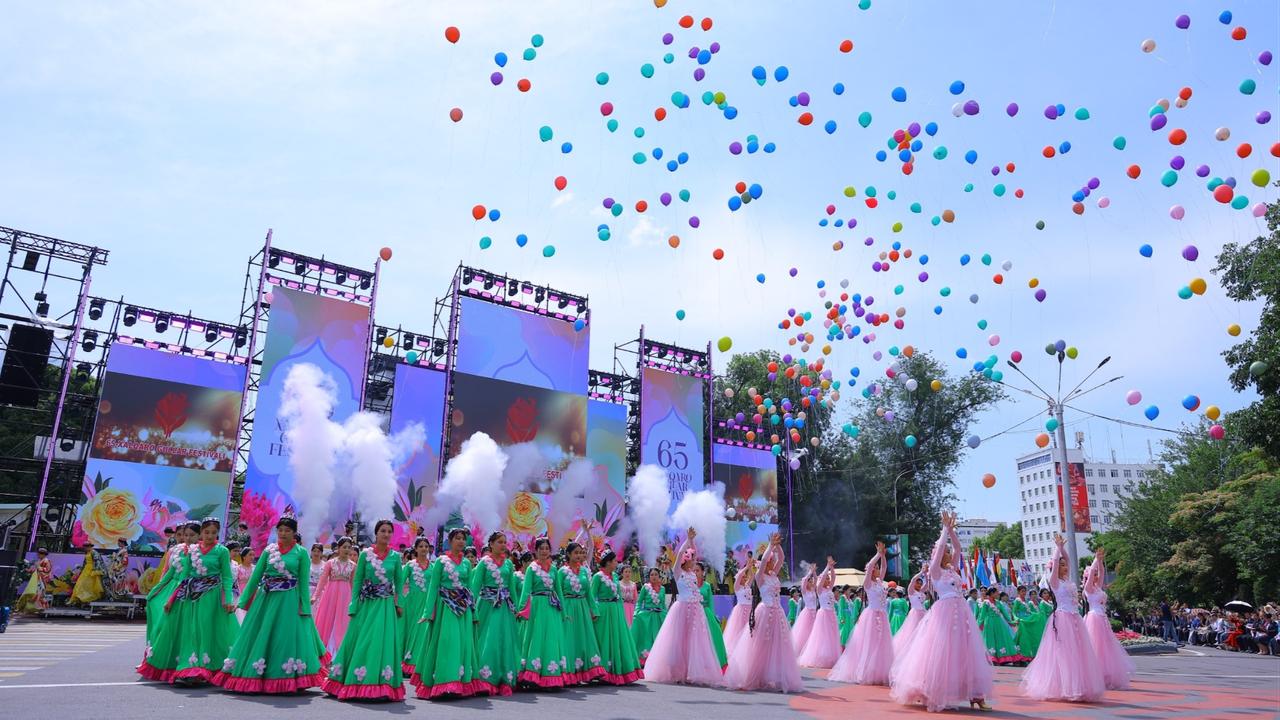
The festival's cultural program spans more than 150 events, including concerts, theater and circus performances, gala evenings, fashion presentations and gastronomy showcases.
Fashion Week 2026 features flower-themed collections from designers representing Türkiye and numerous other countries.
A drone display with more than 500 craft performing under the theme "Spring in the Sky" and a gastronomy event titled "Flavors of the World in Namangan" are among the headline attractions.
Hotels across Namangan are at 95 percent occupancy as the festival draws an estimated 1 million foreign tourists and approximately 7 million domestic visitors.
The city's strong ties with international partners are reflected in the festival's multilingual volunteer team: more than 60 volunteers fluent in Uzbek, Russian, English and Turkish staff the venue's eight entry gates throughout the event's run to July 12.
Efsaneler Vadisi Park, where award ceremonies recognize participants across multiple categories.
Namangan Governor Sevket Abdurazzakov noted that the city's sister-city relationship with Isparta, Türkiye—formalized in 2018 on the basis of both cities sharing the "city of flowers" designation—has led to practical exchanges, with Ispartan experience in rose oil and rose water production now being applied by entrepreneurs in Namangan.


 Set as preferred source

 3 min read