

 Newsletters


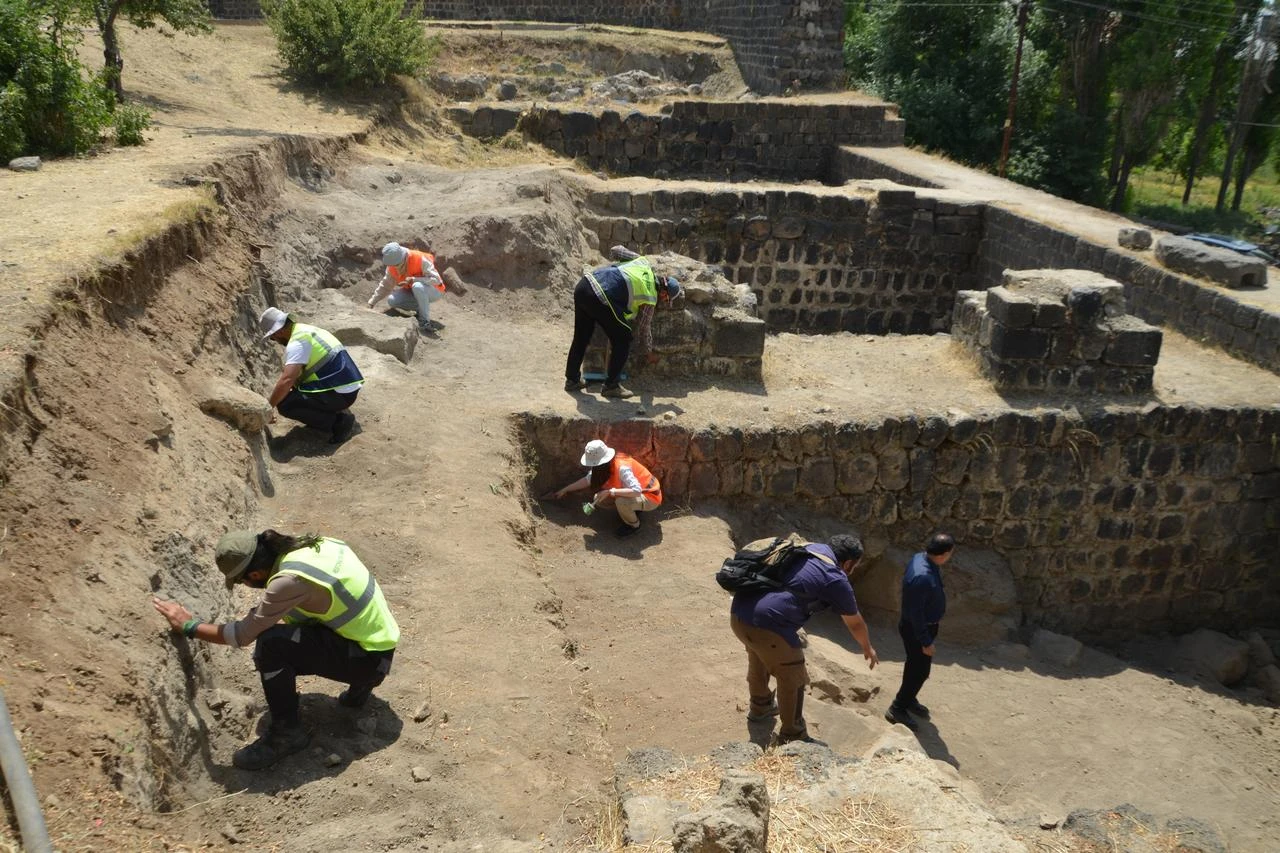


Nearly 2,000 archaeological artifacts uncovered in and around Malazgirt are helping researchers build up a clearer picture of the area's past, while fieldwork continues to identify the site of the 1071 Battle of Manzikert and reveal the remains of the historic town.
The findings have emerged through two linked initiatives backed by the Ministry of Culture and Tourism's General Directorate of Cultural Heritage and Museums and carried out in cooperation with Mus Alparslan University.

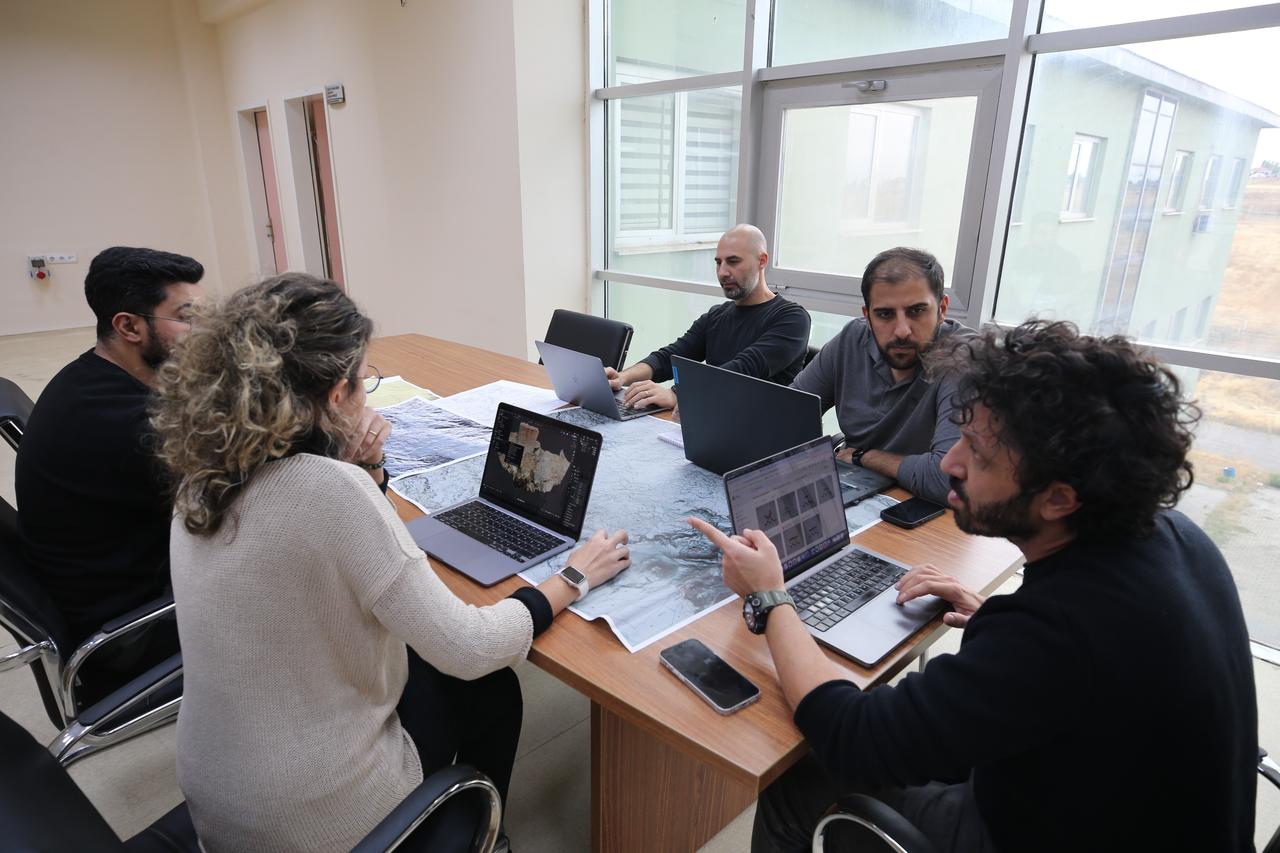
The Malazgirt Battlefield Identification, Historical and Archaeological Surface Survey Project has been underway since 2020. A team of archaeologists, anthropologists, art historians and historians is working across a broad area, including Afsin, around 7.5 kilometers from the district center, where excavations are taking place at a site believed to be a Seljuk-era martyrs' cemetery.
Mehmet Sengul, the provincial director of culture and tourism, said the project aims to pinpoint the battlefield through scientific methods, bring out archaeological traces of the fighting and clarify the region's historical development.
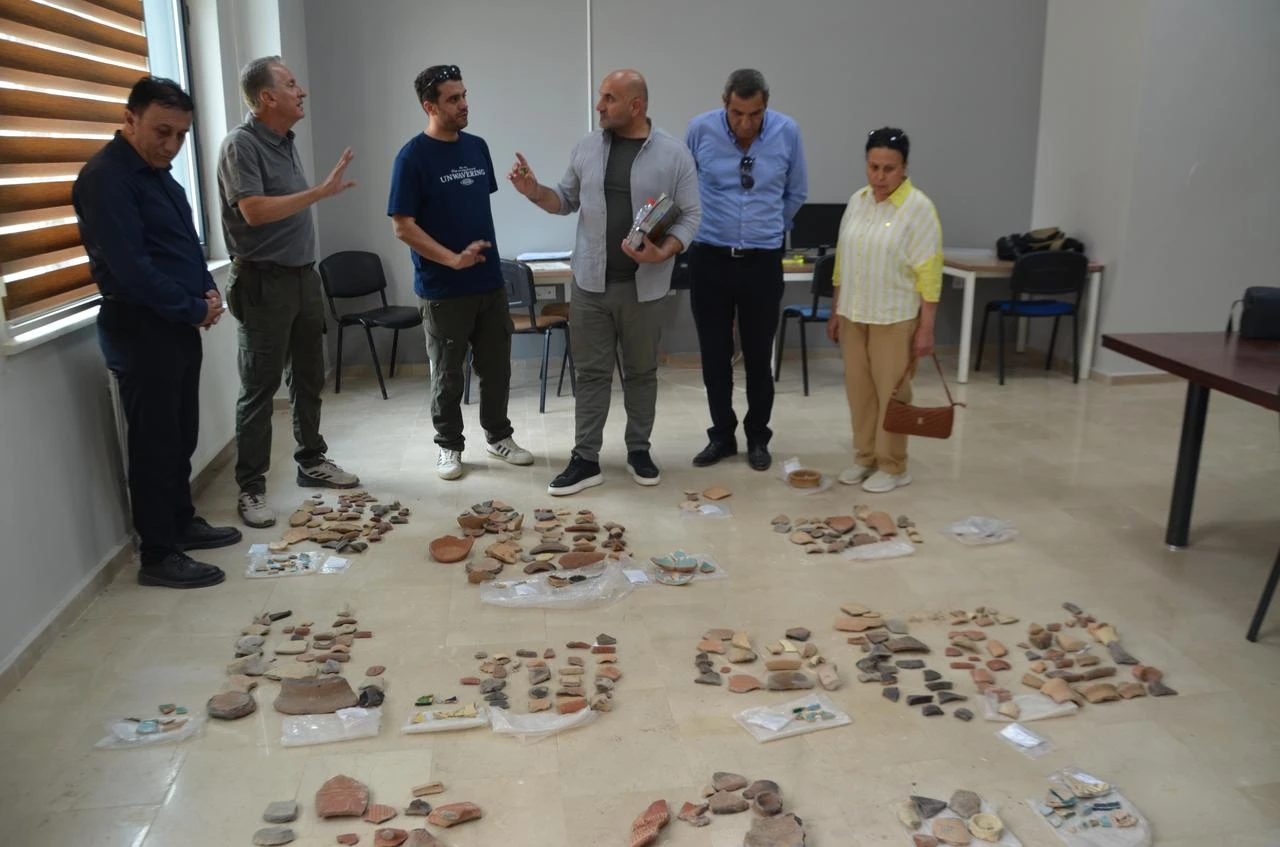
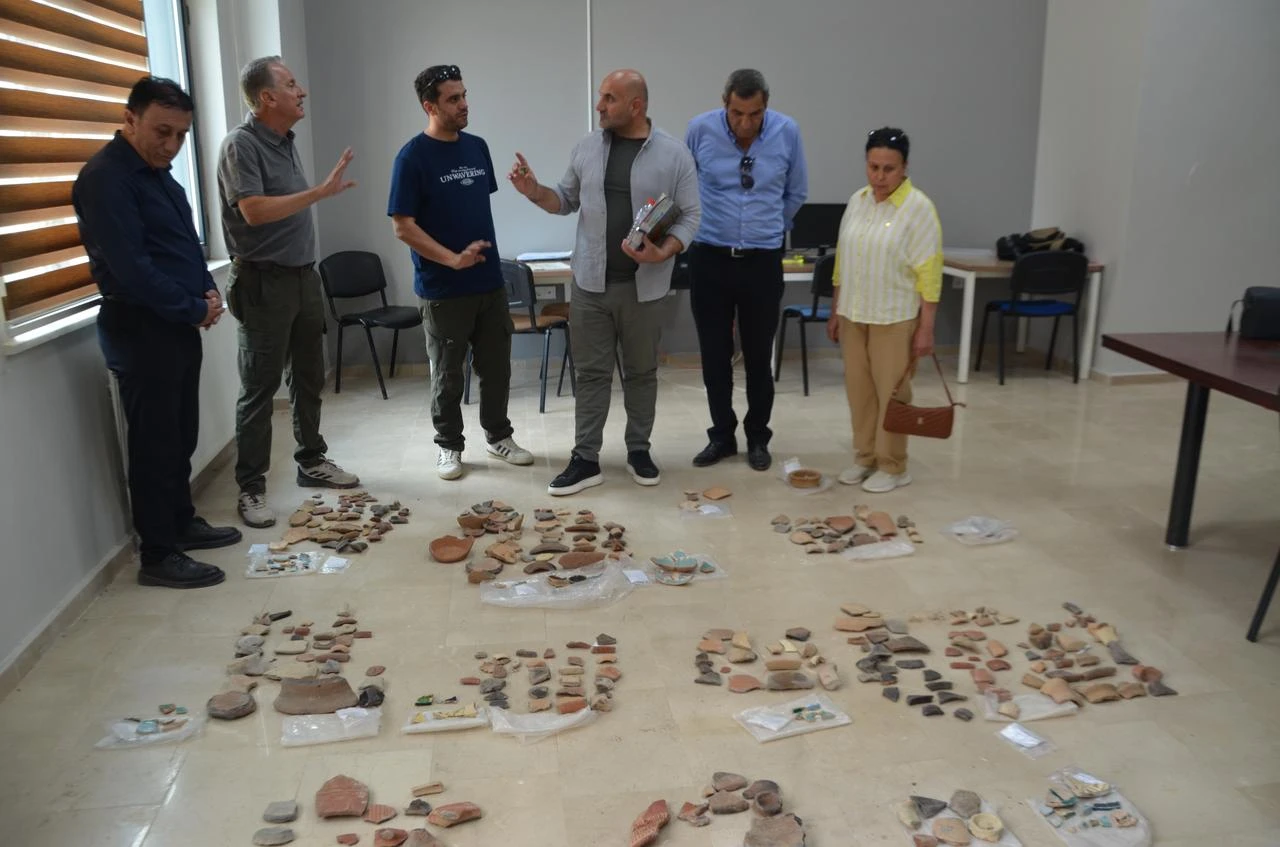
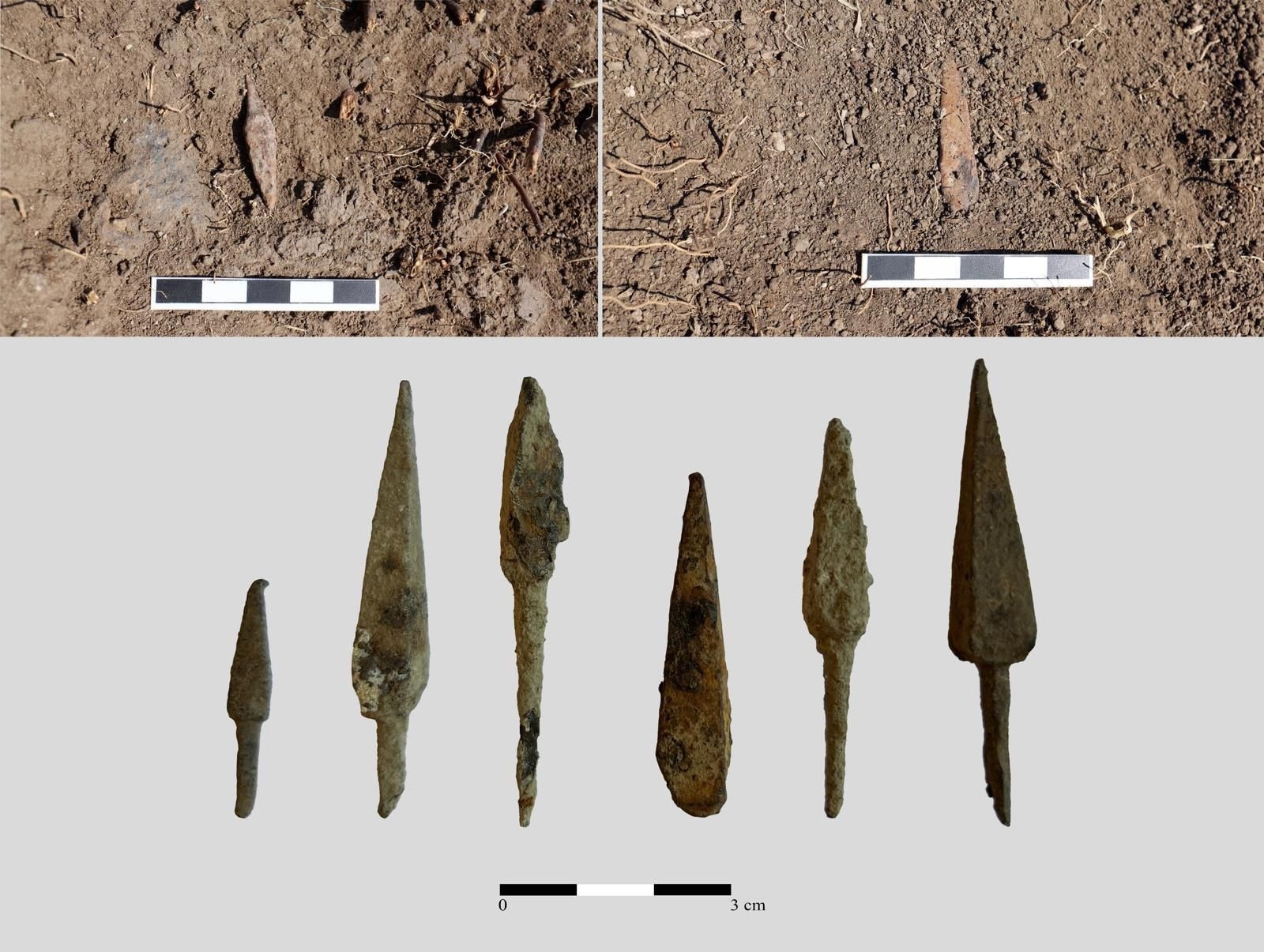
Surface surveys carried out across Malazgirt and nearby locations have turned up coins from the Roman and Byzantine periods, along with numerous arrowheads, spearheads and other military metal finds.
The research is being conducted under the scientific direction of Professor Adnan Cevik of Mugla Sitki Kocman University's History Department and under the supervision of the Ahlat Museum Directorate.
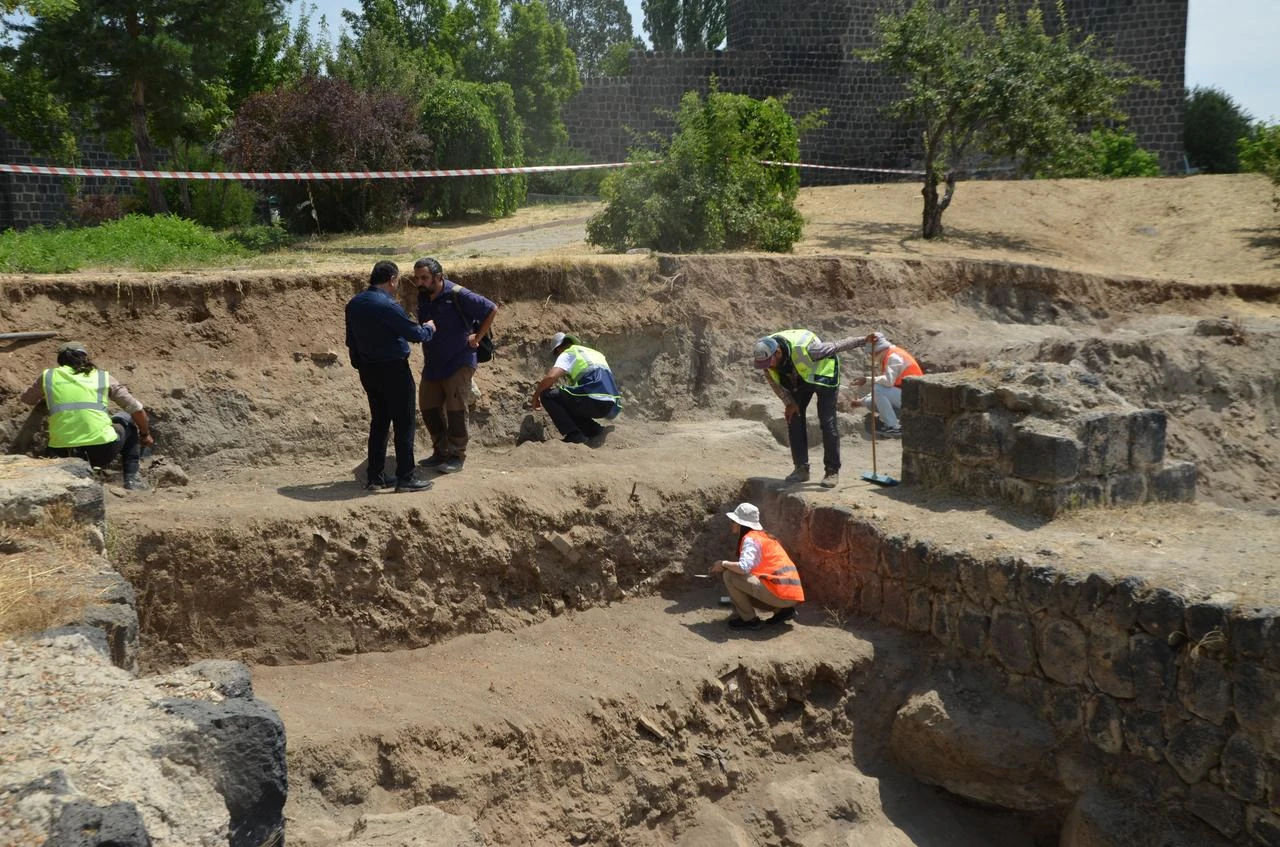
A second project, the Historic Malazgirt City Excavation, began in 2025 and is continuing inside Malazgirt Castle under the direction of Dr. Ahmet Oguzhan Karacetin of Mus Alparslan University.
Excavations at the Inner Castle uncovered a previously unknown space near the entrance, while seven graves were documented through scientific methods in the area known locally as the Arab Cemetery, a historic Muslim burial ground.
Sengul said the work at the castle and cemetery is helping researchers understand Malazgirt's medieval development more clearly, while also bringing together evidence from the town and the surrounding battlefield landscape.
 1 min read
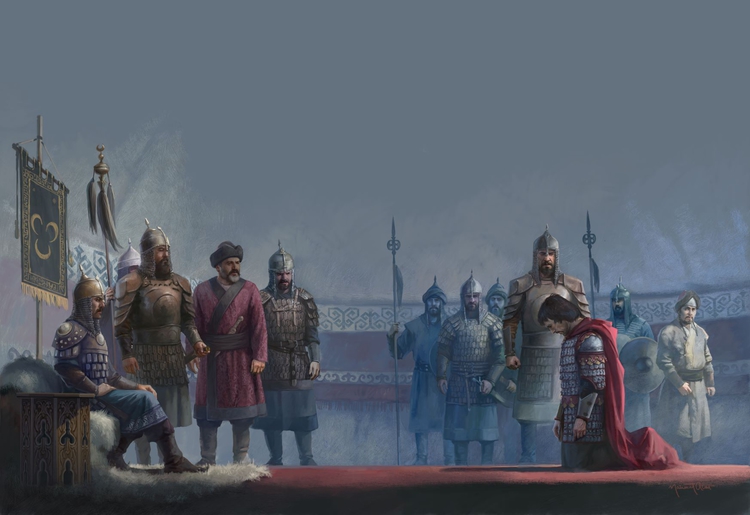
"Nearly 2,000 artifacts have been brought to light so far. They are being kept in our excavation facility, which is nearing completion. In the coming period, the artifacts are planned to be displayed both in Malazgirt and at the Mus Archaeology Museum," Sengul said.
He added that the projects would continue in the coming years, with the findings set to be shared with both the academic community and the public as research moves forward.


 Set as preferred source
 Set as preferred source



 1 min read


