

 Newsletters


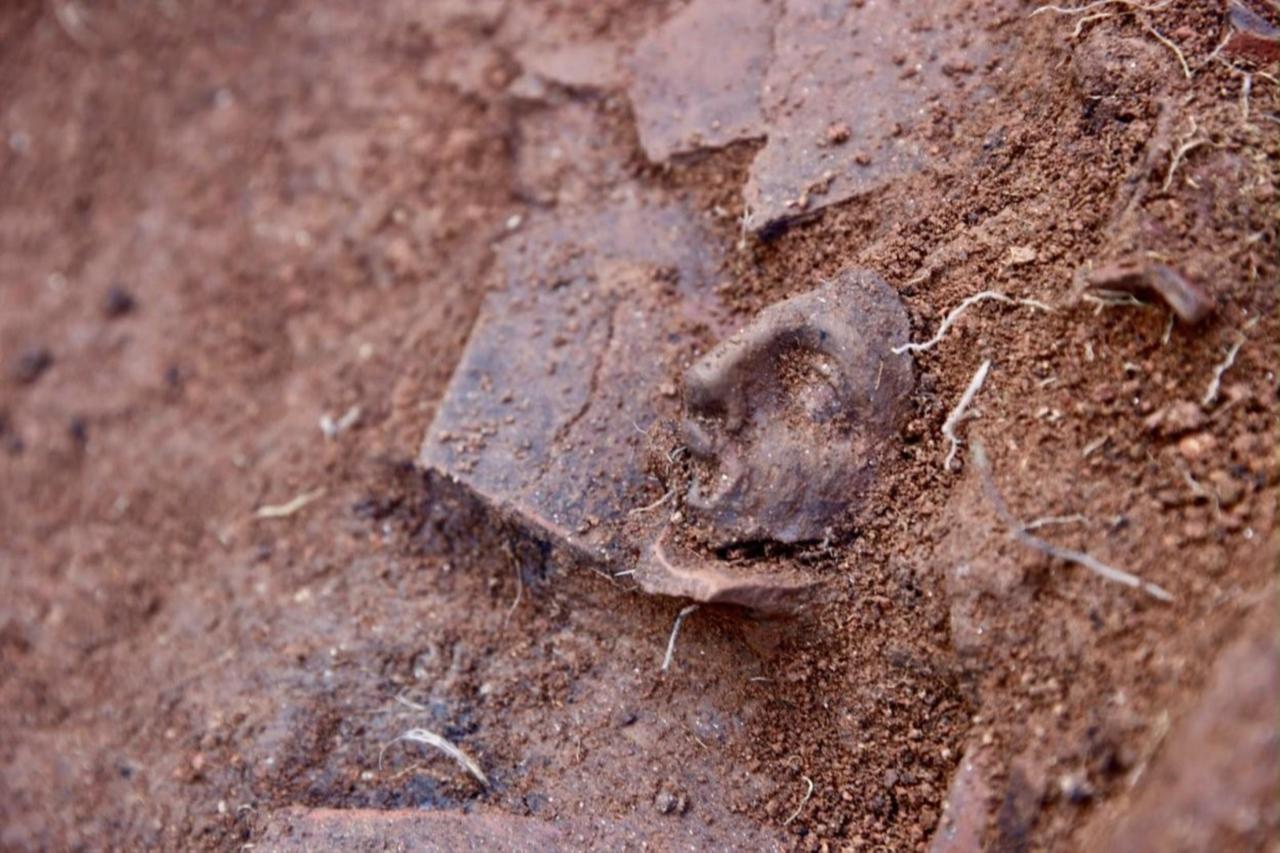


Archaeologists excavating the 2,300-year-old Kurul Castle in northern Türkiye have uncovered new areas associated with the ancient cult of Dionysos, adding to earlier discoveries linked to the goddess Cybele and revealing further evidence of religious practices at the ancient settlement.
Located in the Bayadi neighborhood of Ordu's Altinordu district along Türkiye's Black Sea coast, the fortress was built during the reign of Mithridates VI, ruler of the ancient Kingdom of Pontus, and is recognized as the first site in the eastern Black Sea region to undergo scientific archaeological excavations.
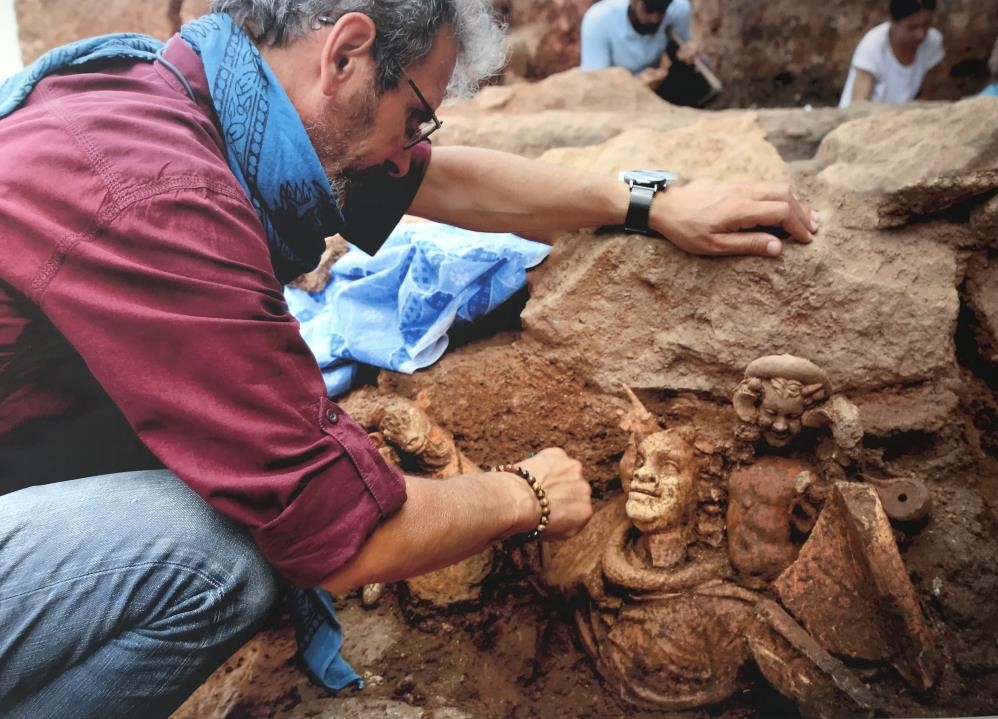
The excavations, led by Professor Suleyman Yucel Senyurt of Ankara Haci Bayram Veli University, have previously brought to light a statue of Cybele, a mother goddess worshipped in ancient Anatolia, along with a figure of the child Dionysos, the Greek god associated with wine and festivity, a representation of Pan and composite vessels decorated with goat-shaped animal figures.
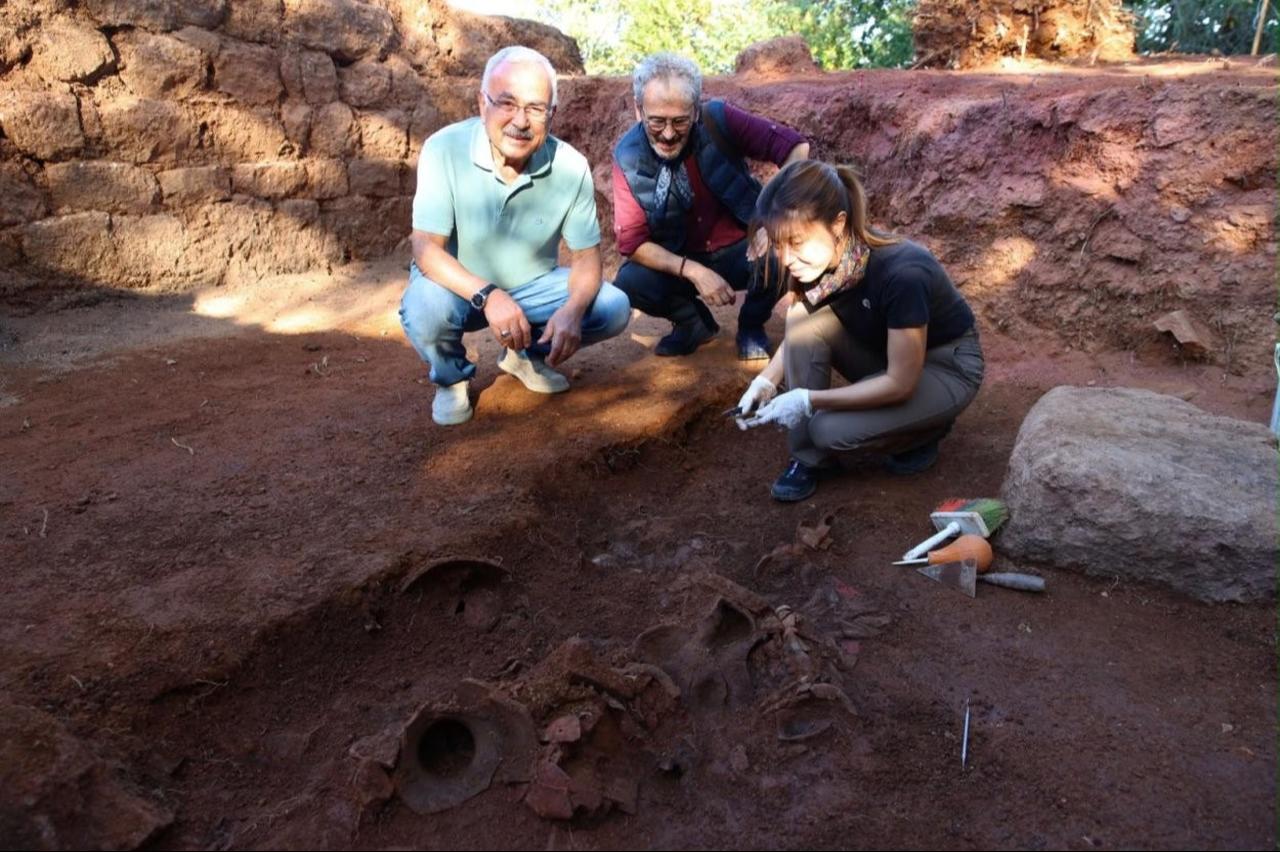

Senyurt said this year's excavations had uncovered previously unidentified areas associated specifically with the cult of Dionysos, building on earlier discoveries connected to ancient pagan religious practices.
He explained that Kurul Castle had already attracted attention within the archaeological community because of its significant finds associated with Cybele, while the latest discoveries could help researchers better understand the presence of both religious cults in ancient Anatolia.
 1 min read
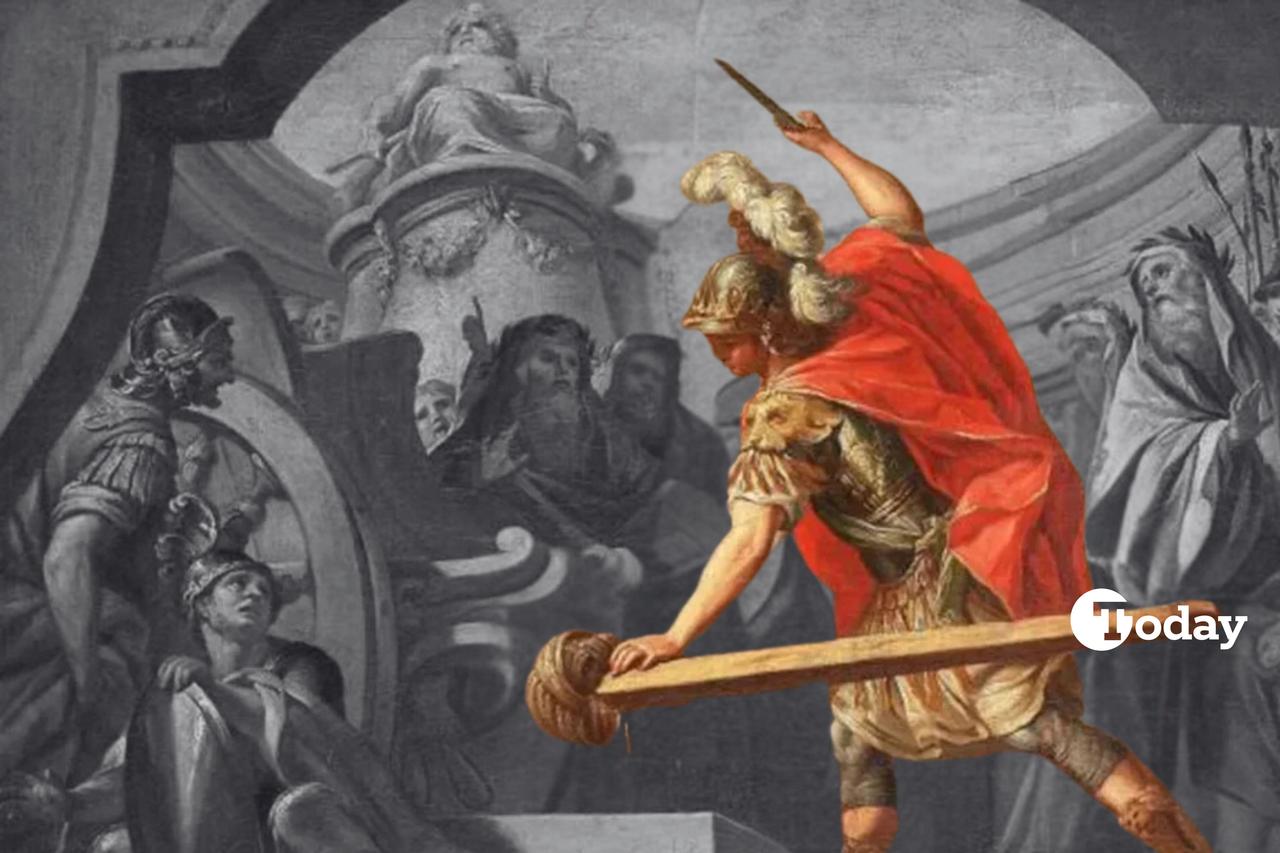
The excavation director also highlighted the site's monumental architecture and the range of artifacts recovered, describing Kurul Castle as an important example of the archaeological heritage preserved in the eastern Black Sea region.
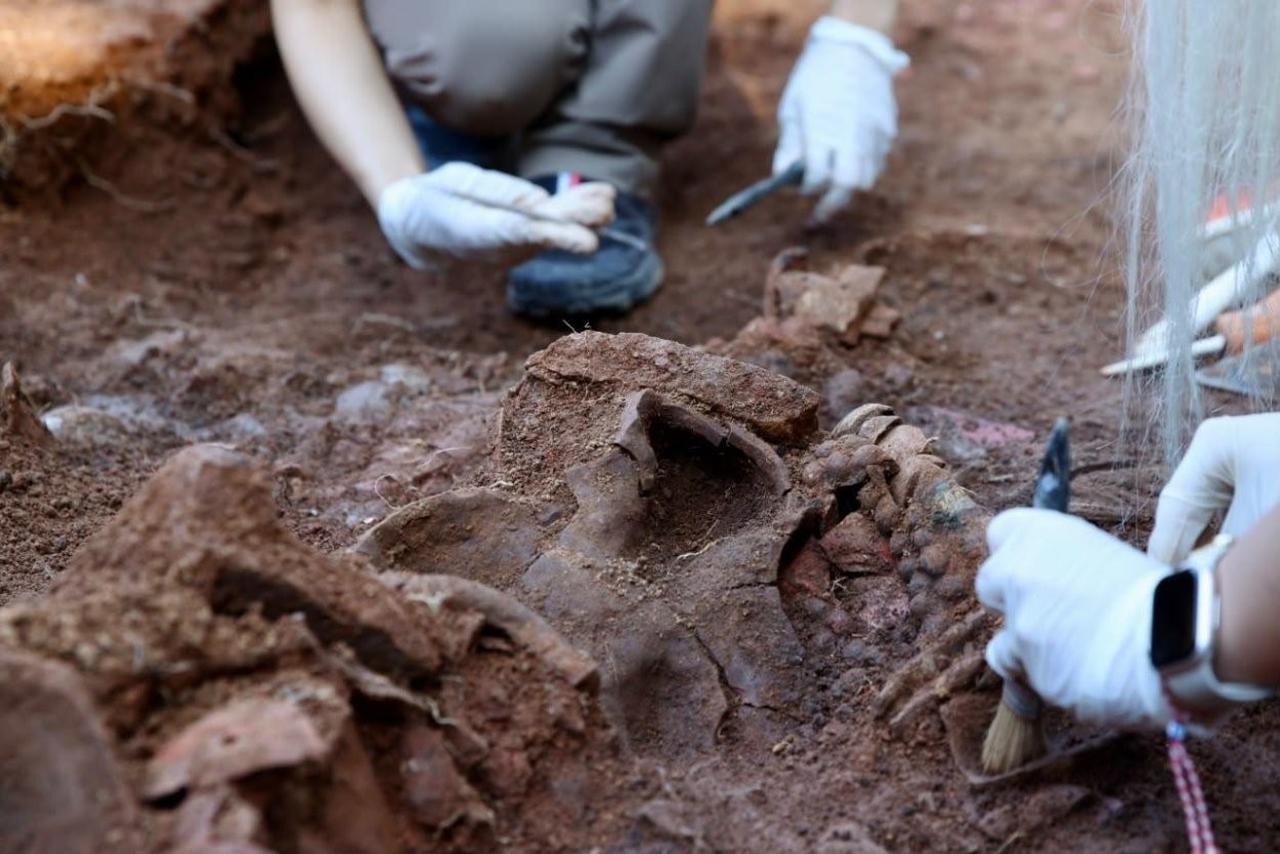
Ordu Metropolitan Mayor Mehmet Hilmi Guler, who visited the excavation site and received updates from Senyurt, said approximately 40% of the archaeological work had been completed.
Guler emphasized that the artifacts uncovered so far suggested Kurul Castle had served as more than a defensive fortress, with evidence pointing to a broader settlement complex.
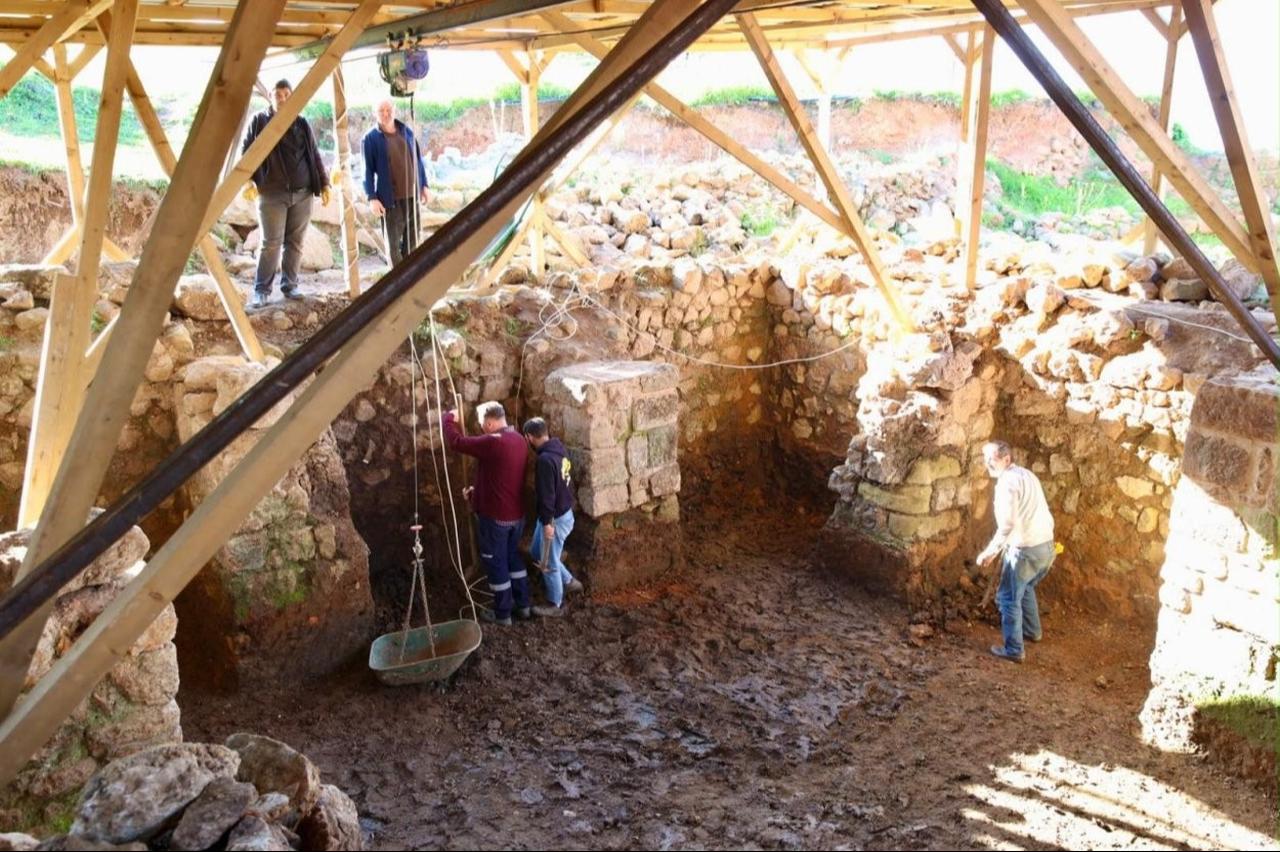
"This is not just a castle, but also a settlement. The objects discovered here lead us to that conclusion," Guler said.
He added that the discoveries were helping shed light on the region's past and could contribute to its cultural value.
The excavations are continuing with support from Türkiye's Ministry of Culture and Tourism and Ordu Metropolitan Municipality, as researchers work to uncover further evidence of the ancient settlement and its religious traditions.


 Set as preferred source
 Set as preferred source


 1 min read


