

 Newsletters


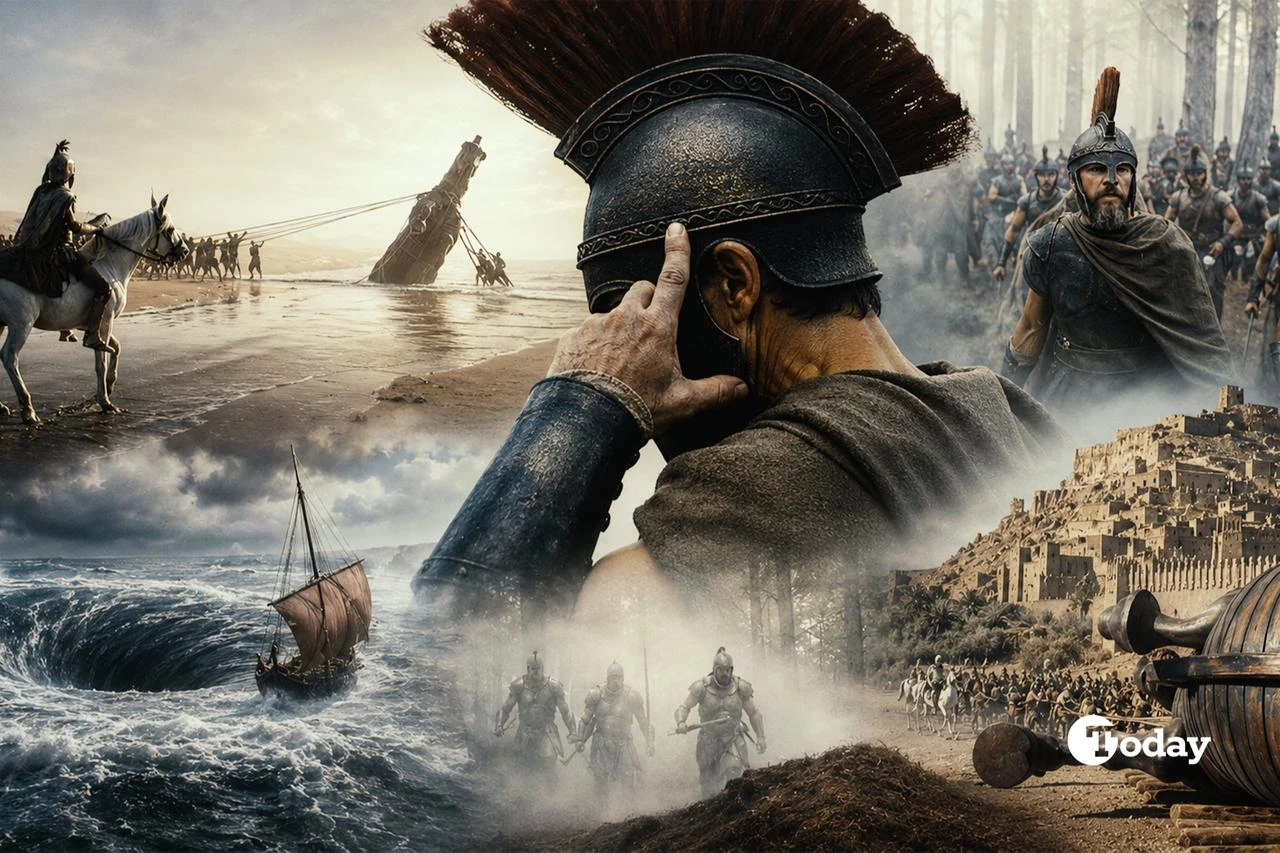


Christopher Nolan's "The Odyssey" is already being discussed as a film that could send travelers toward Greece and Sicily. Ridvan Golcuk, however, believes that one place must not be pushed to the margins of this global tourism wave: Troy.
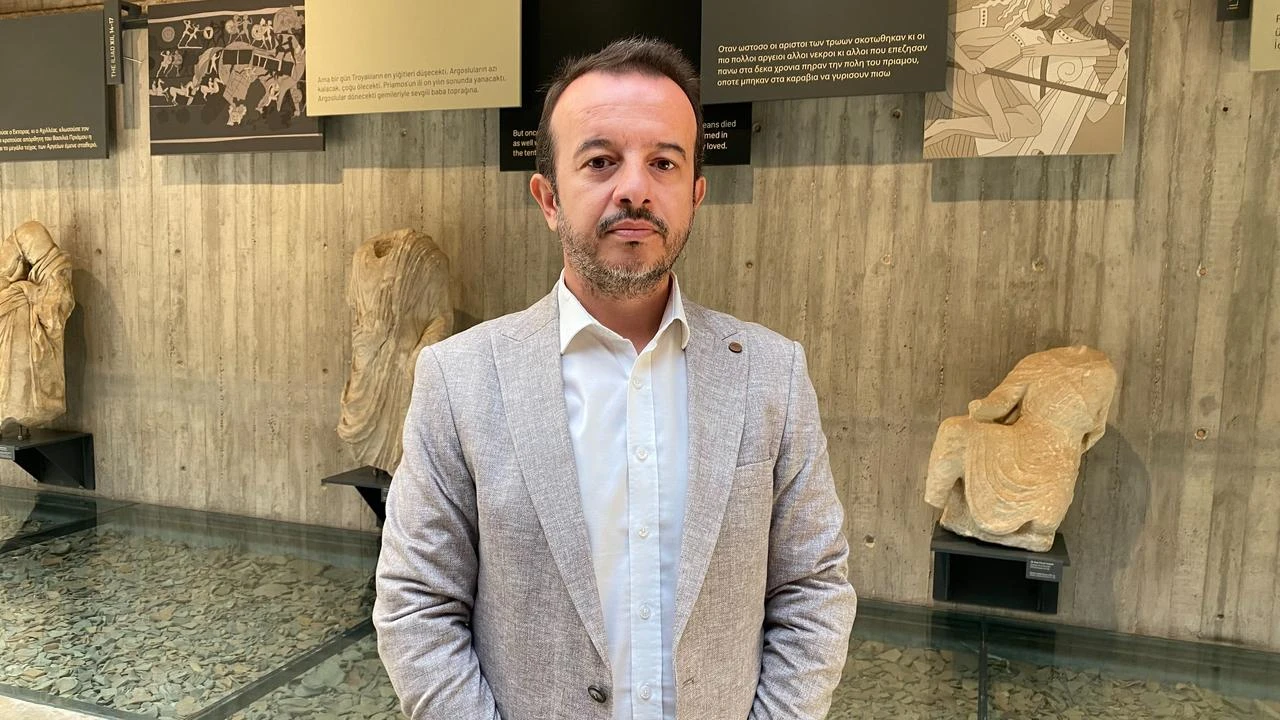
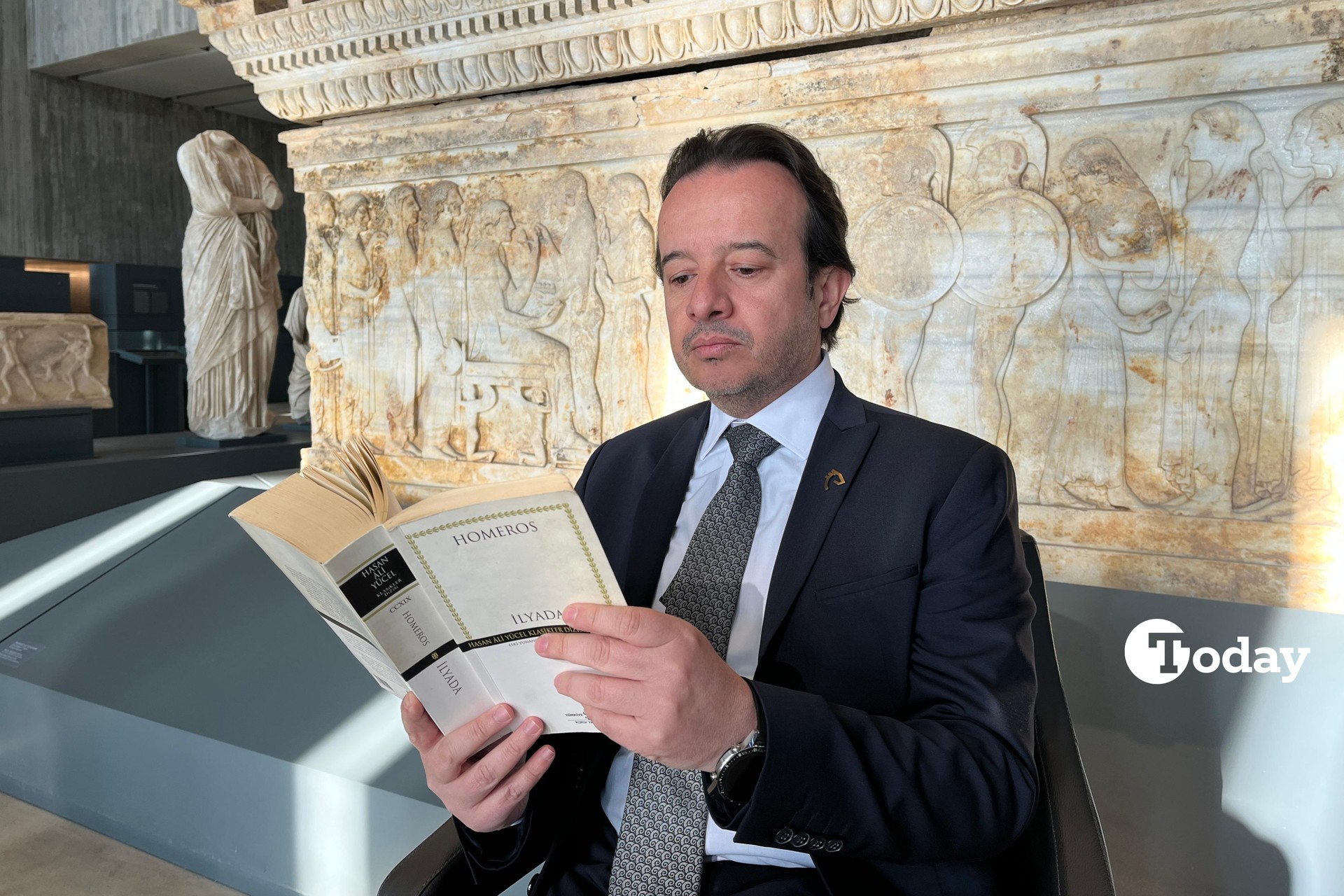
Speaking to Türkiye Today, Golcuk, the director of the Yasar Museum and a well-known museum specialist in Türkiye, said the story of Odysseus cannot be separated from Canakkale and western Anatolia, where the Trojan War narrative begins.
With Universal listing the film for theatrical release on July 17, 2026, the production has already become part of the screen tourism debate, a term used for travel inspired by films and television productions.

That debate has been strengthened by the newly released Screen Tourism Forecast Index 2026, which predicts countries and cities likely to witness a growth in visitors because of major film and TV releases.
Euronews described "set-jetting" as travel inspired by a destination seen on screen and reported that Greece and Sicily both appear in the index's top 10 because of Nolan's "The Odyssey."
The trend is not limited to one film. Expedia's 2026 set-jetting forecast says screen-inspired travel has moved into the mainstream, with younger travelers especially planning trips around locations they see in movies and TV series.
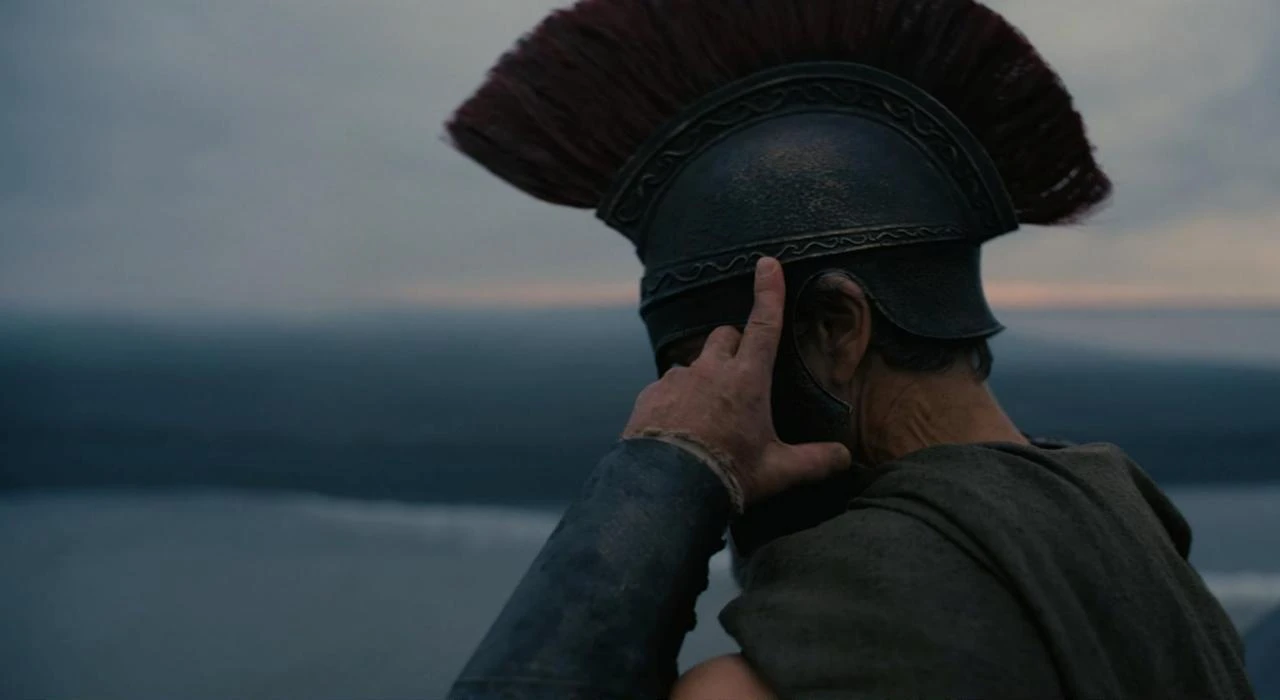
Golcuk said this rise in screen tourism is not surprising because cinema can bring cultural memory back into circulation, revive old stories and make certain geographies visible again. However, he said the current discussion leaves out a central point: Odysseus came to Troy for war, the idea of the world-famous Wooden Horse took shape there, and his long journey began from Troy.
Online travel coverage around the film has already started to turn Nolan's locations into cultural itineraries. Travel.gr framed the film as a return to a living Homeric landscape, while Visit Italy presented Sicily's filming locations as a chance for Italy to shine through American cinema.
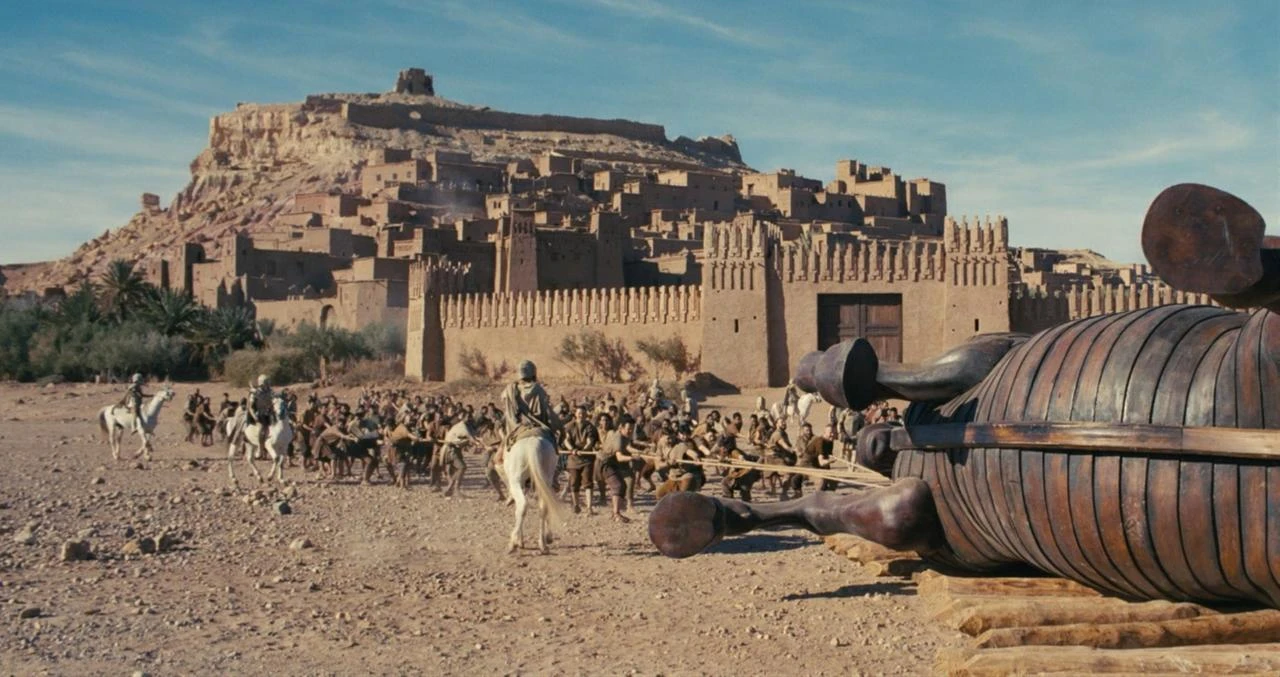
Other travel writers have also highlighted Morocco, Greece, Malta, Iceland and Scotland as destinations connected to the production. One travel piece said the ancient city of Troy was reimagined in the film through Ait Ben Haddou in Morocco, while another listed Greece as the country most directly associated with the origin of the story.
For Golcuk, this is exactly why Türkiye must keep Troy visible in the international conversation. He said the beginning of the story is Troy, Canakkale and western Anatolia, while Homer also belongs to the cultural memory of this wider geography, particularly Izmir.
Troy's location is not a matter of interpretation. UNESCO identifies the Archaeological Site of Troy as being on the mound of Hisarlik, overlooking the plain along the Turkish Aegean coast near the Dardanelles. The site is in present-day Türkiye and has long been tied to the wider cultural memory of the Trojan War.
Golcuk argued that those preparing global forecasts and travel narratives may not fully recognize that Troy is in Canakkale, on Anatolian soil. He said reducing the issue only to a lack of knowledge would be too simple, because the larger question is about who builds the cultural heritage narrative.
In his view, whoever shapes the story also shapes its identity, tourism value and economic potential.
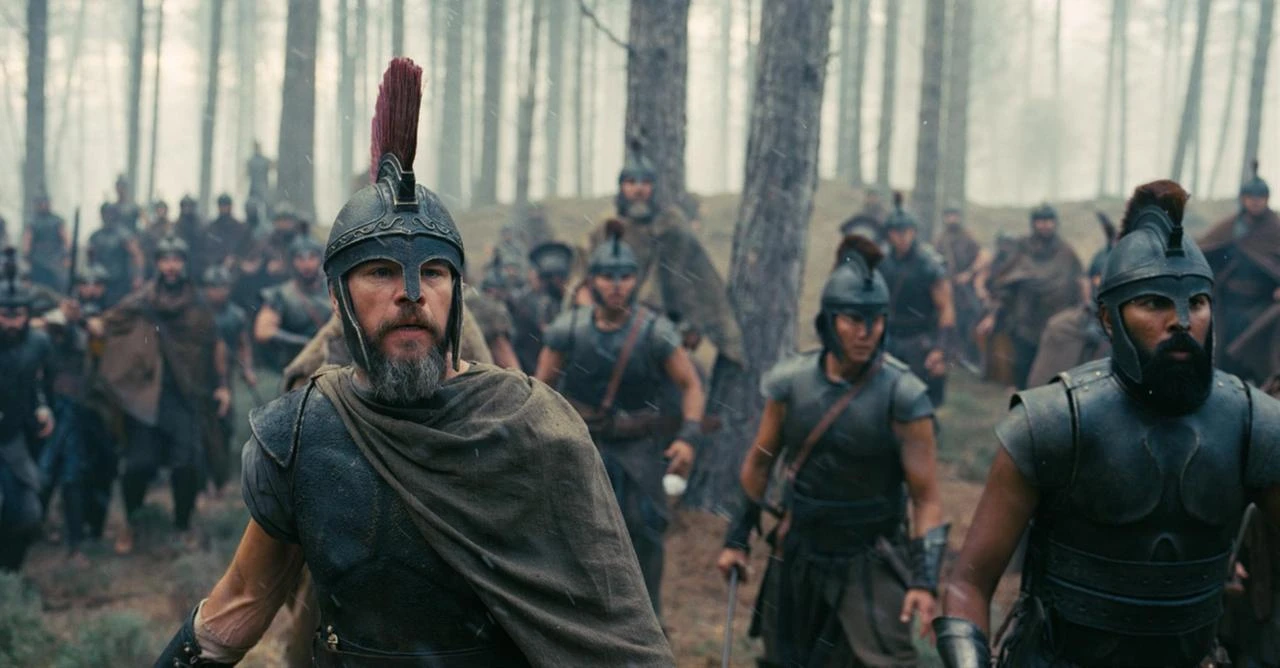
The discussion around Nolan's film has also moved beyond tourism. In a Guardian commentary, Greek-British journalist Chris Cotonou criticized the absence of Greek actors from the film's cast, presenting it as part of a wider concern over how ancient stories are used in global cinema. The piece argued that ancient myths are often treated as part of a shared Western inheritance.
Although Golcuk's focus is on Troy and Türkiye's cultural tourism, the wider debate shows how strongly "The Odyssey" is already being discussed through questions of place, identity and narrative control.
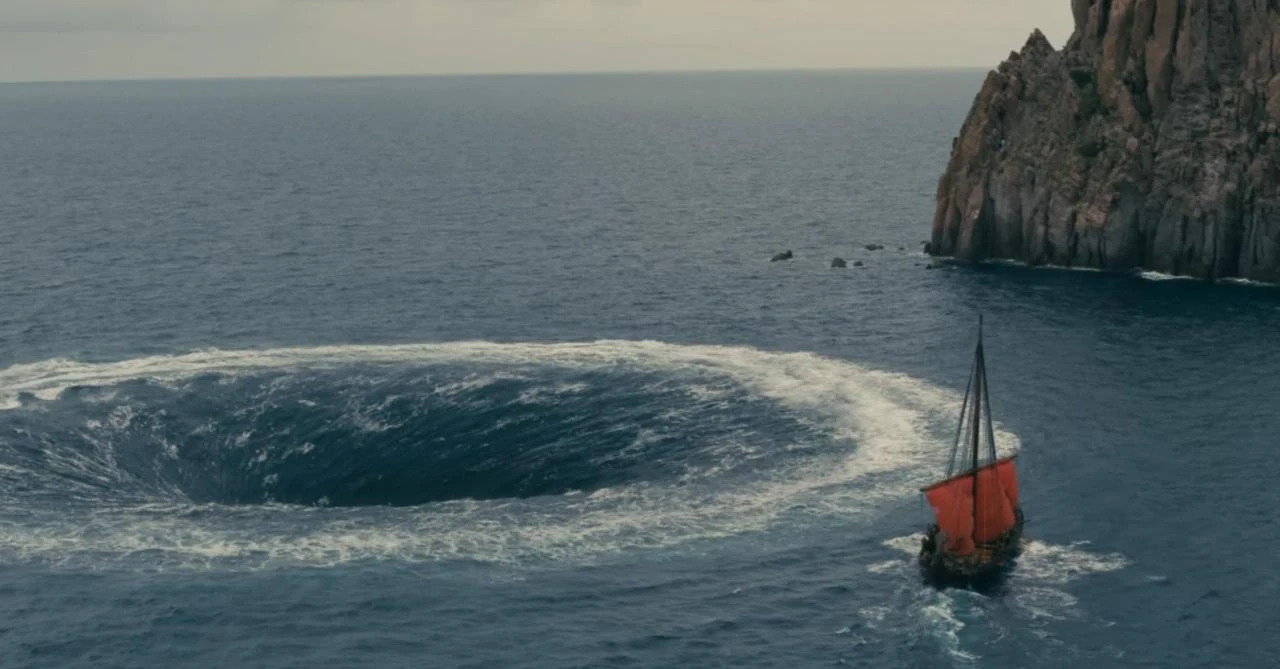
Golcuk said that during his time as director of the Troy Museum, work began in late 2024 to respond to this opportunity before the film reached global audiences.
He said the aim was to use the international attention that "The Odyssey" could bring and to position Troy as an active part of the conversation rather than a passive backdrop. He said official initiatives were launched and social media campaigns were carried out to draw attention to Troy's place in the story.
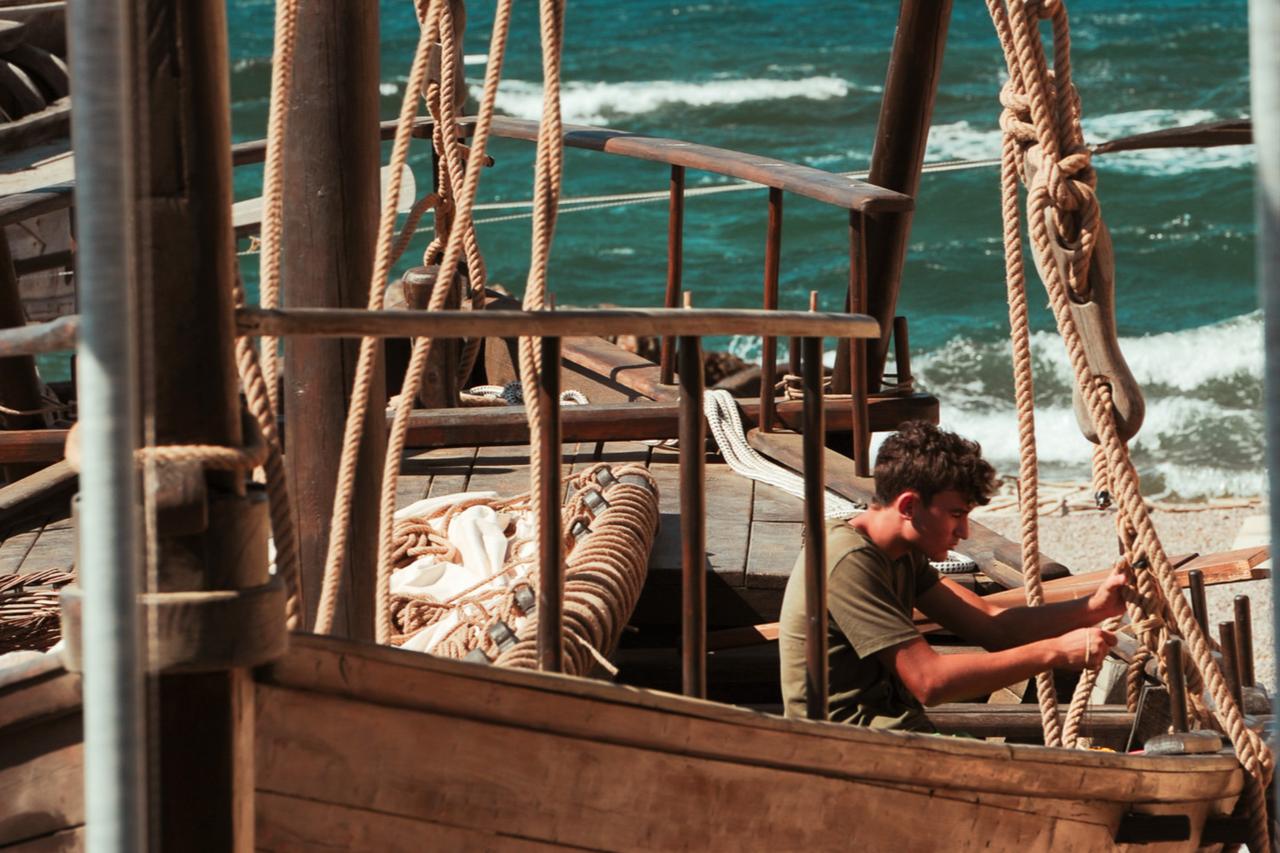
One of the most concrete steps, he said, was the "Wind of Odysseus" project. As a part of it, an ancient-style sailing boat was put back on the waters of the Aegean, while a model of the vessel was opened to visitors at the Troy Museum, physically linking the story to the land where it began.
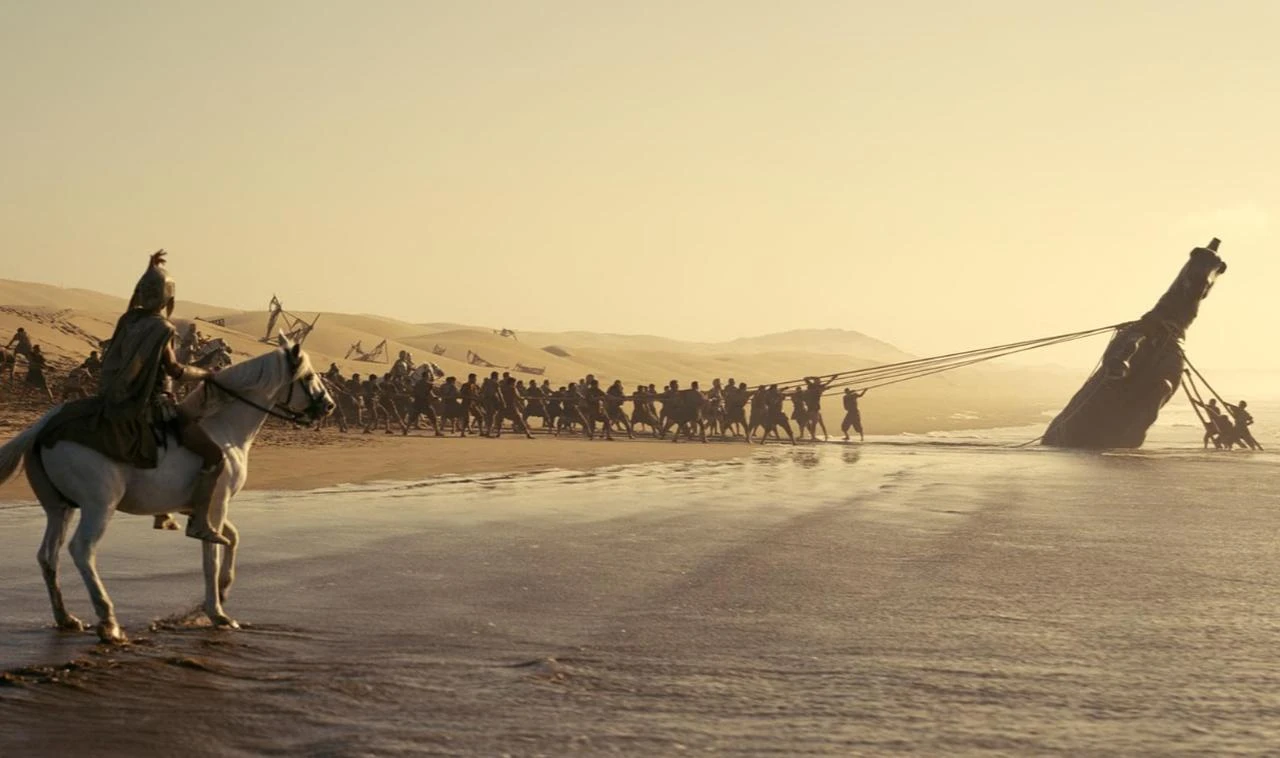
Golcuk said the film's release creates a strong communication opportunity that could have an impact for years. He added that Türkiye's cultural tourism can benefit from this momentum only if the follow-up communication is handled at the highest level, with intelligence and continuity.
 1 min read
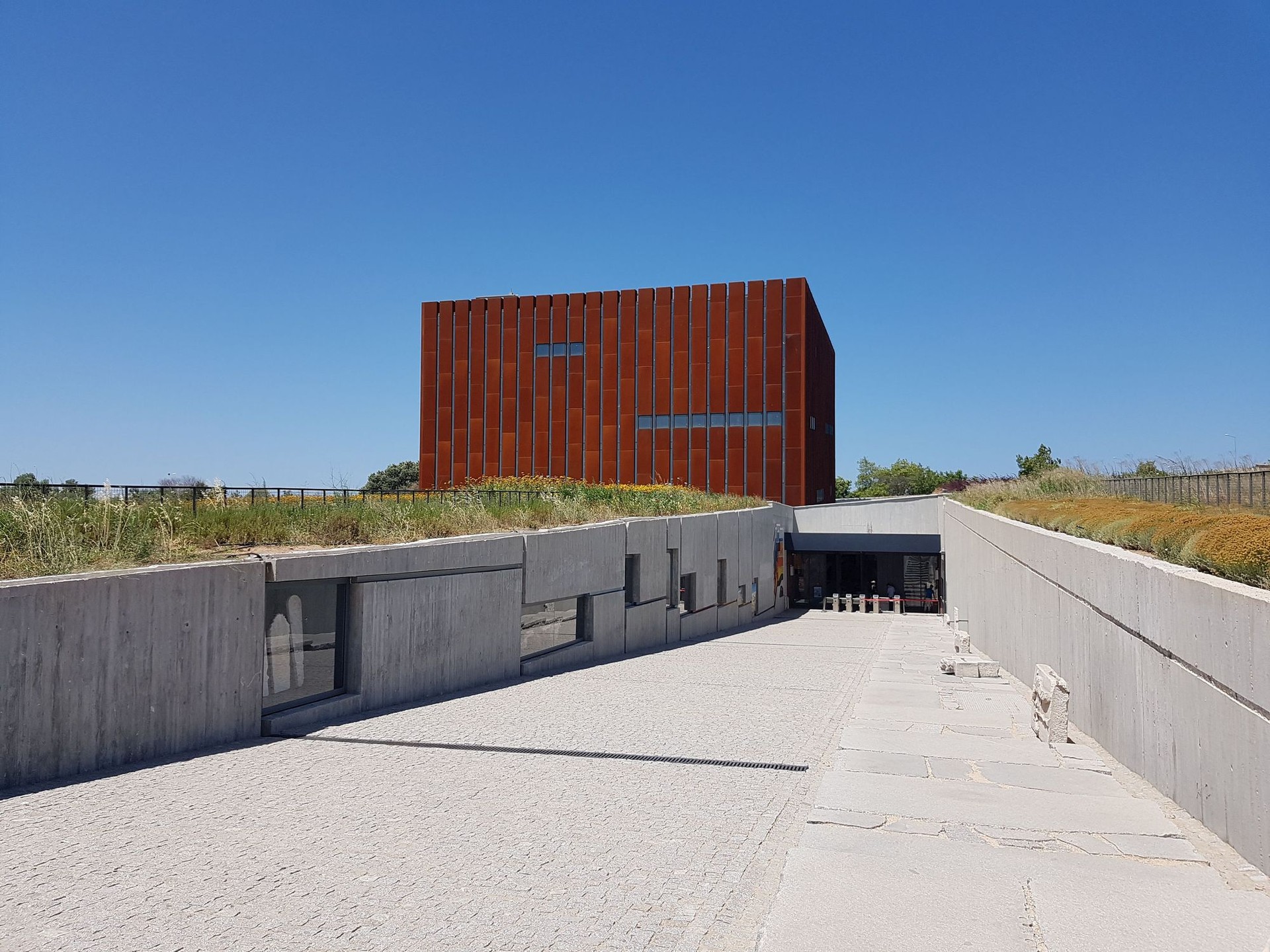
Otherwise, he said, Troy risks remaining under the shadow of incomplete geographical knowledge and cultural hegemony.
"We also have to lead the narrative of our cultural heritage," Golcuk said.


 Set as preferred source
 Set as preferred source


 1 min read


