

 Newsletters


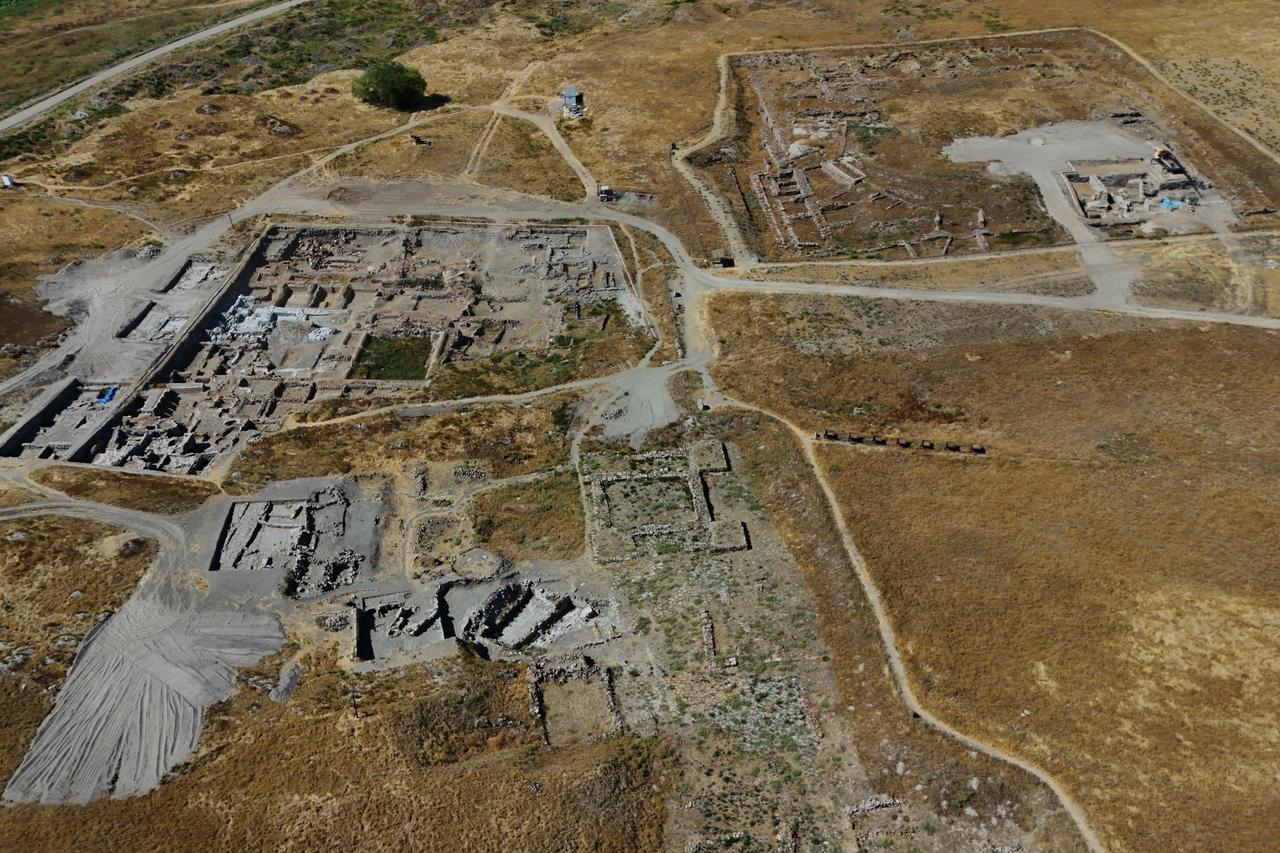


Archaeological evidence from the Kultepe-Kanis-Karum archaeological site suggests that Kayseri and its surroundings had a warmer and more humid climate around 5,000 years ago, allowing crops such as olives, figs and artichokes to be grown in the region.
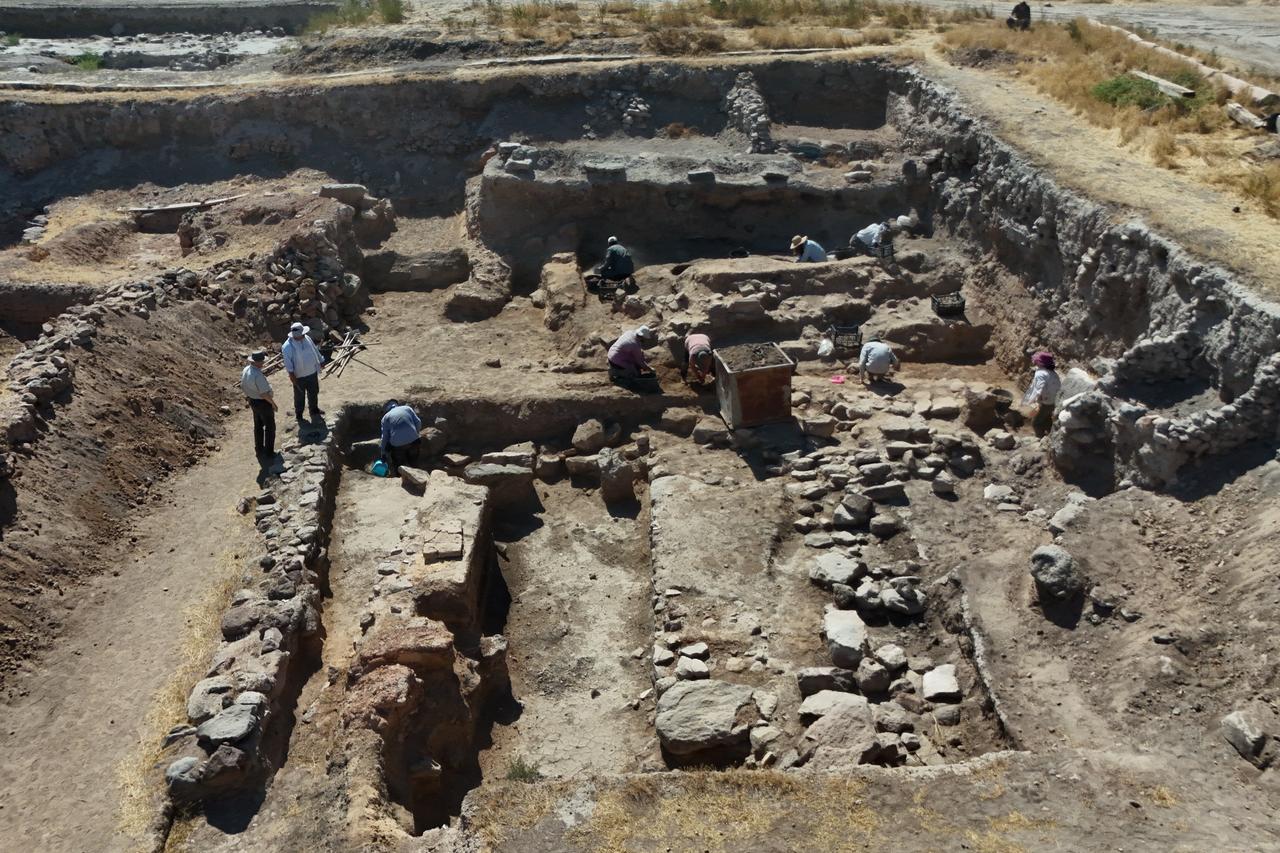
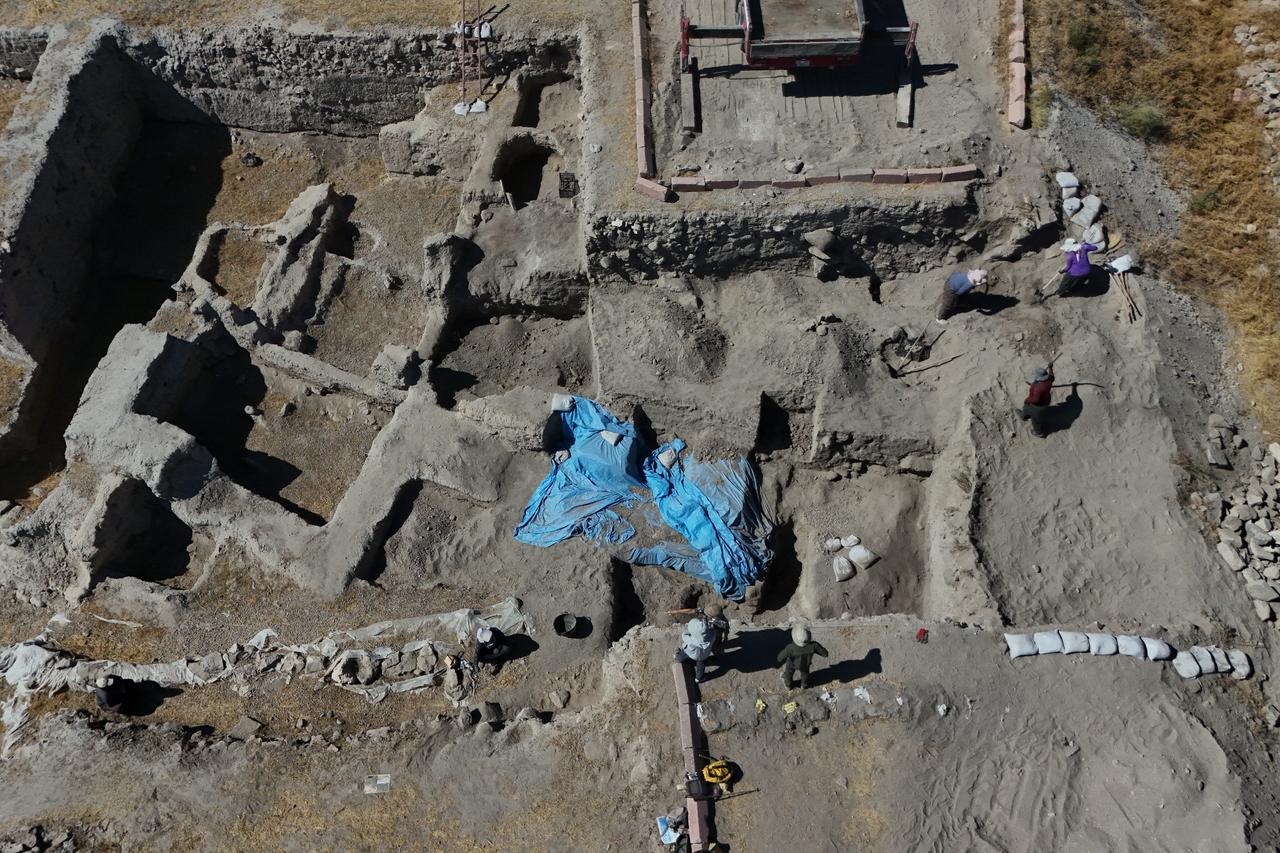
The site, located on the Kayseri-Sivas road, is known as one of Türkiye's longest-running archaeological excavations and is often described as the place where Anatolian history began. Excavations led by Professor Fikri Kulakoglu have brought out findings that shed light not only on Kayseri's ancient past, but also on how climate shaped farming and daily life in central Anatolia.
Kulakoglu said the archaeological record points to farming practices that would not normally be associated with Kayseri's present-day climate. He noted that olives and artichokes, crops more commonly linked with the Aegean and other warmer regions, were grown in the area around 5,000 years ago.
According to Kulakoglu, the presence of olive cultivation is especially important because the findings suggest that olives were not simply growing naturally, but were deliberately raised. He said this showed that the climate was suitable at the time, with higher humidity and enough water resources to support such agriculture.
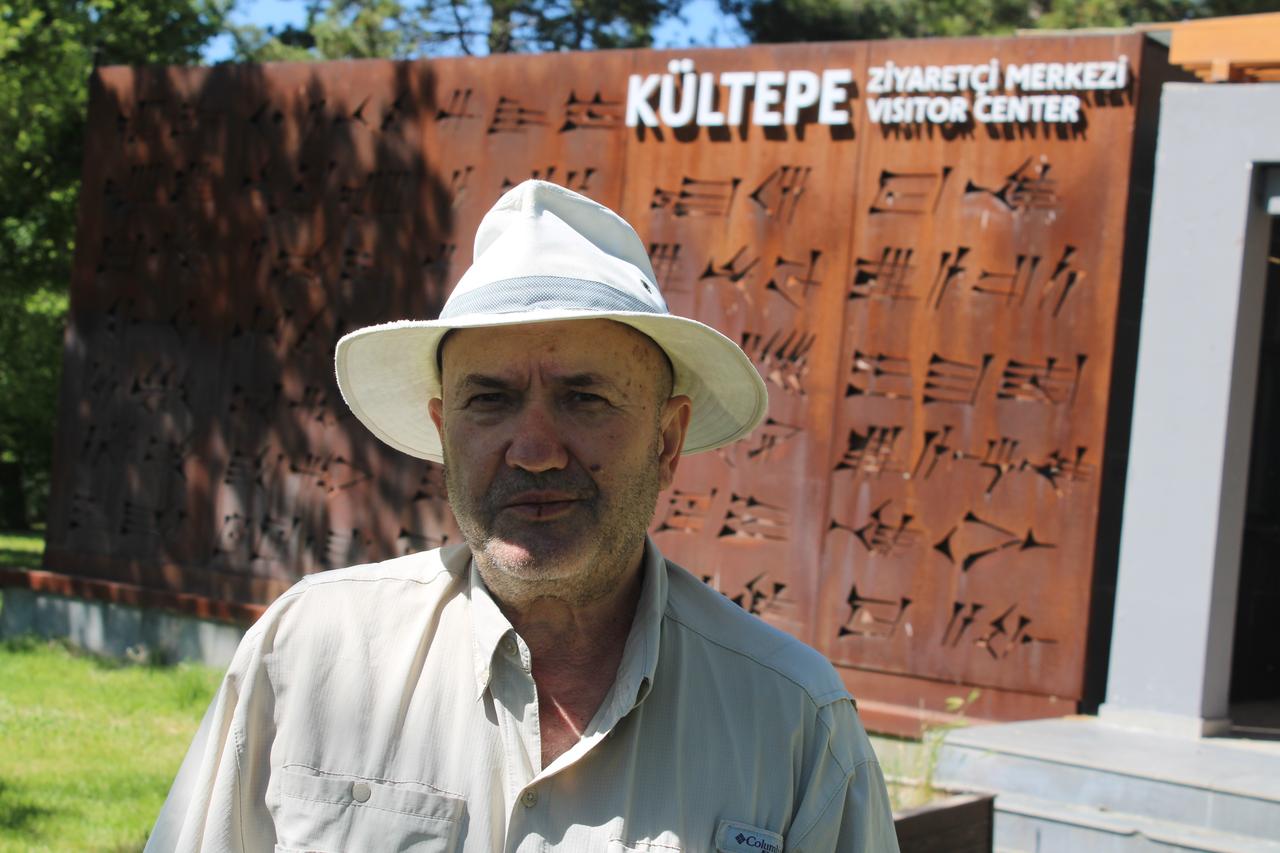

Kulakoglu also linked this agricultural diversity to the fertile plain around Kultepe and to nearby micro-basins such as Gesi, Koramaz Valley and Yesilyurt. These areas, he said, had their own climate conditions and helped build up agricultural variety in the wider Kayseri region.
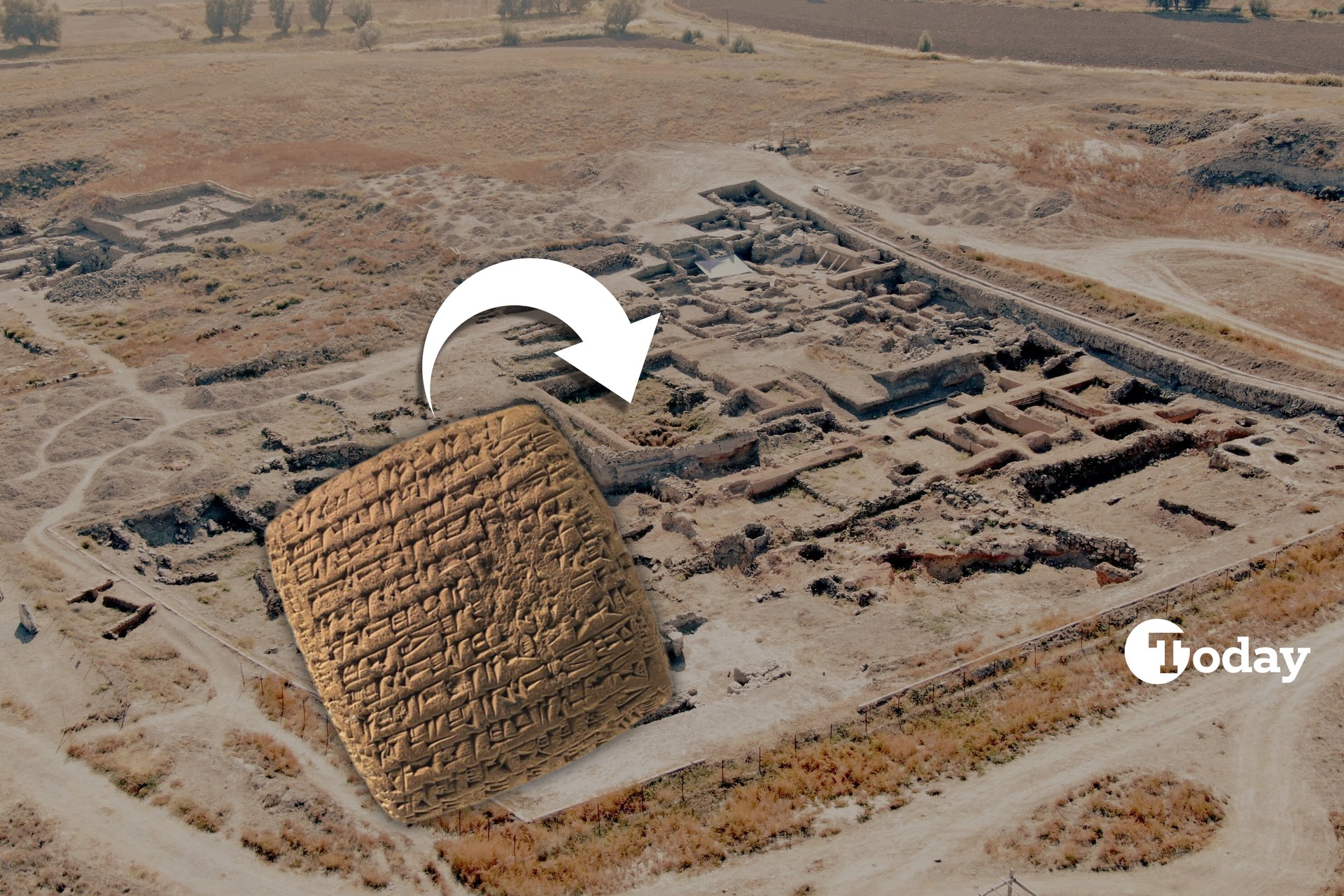
He added that similar conditions could be seen in different parts of Cappadocia, where some local microclimates still allow plants associated with southern Anatolia to grow. Ottoman-era records also mention limited olive cultivation in Cappadocia, while Kultepe tablets refer to olive oil in different quality classes, pointing to its economic importance in the ancient region.
Alongside olives, Kulakoglu said fruits such as pomegranates and figs were also grown in the region in ancient times. He added that wheat, barley and other grains formed the core of agriculture in earlier periods, while crops widely seen today, such as sugar beet and sunflower, entered local farming later.
The findings also show that climate affected animal husbandry and food culture. Kultepe tablets and archaeological remains point to the presence of goats, sheep and cattle, as well as wild animals such as gazelles, deer and mountain sheep that were consumed in the region.
Kulakoglu said much of the area's natural structure had remained broadly stable over thousands of years, allowing parts of its plant life, animal presence and food culture to carry on into the present. He said many basic foods eaten today also held an important place in the diet of people who lived in the same geography in the past.
 1 min read
Kulakoglu also underlined Kayseri's rich plant diversity, saying the province has more than 300 endemic plant species within its borders. He described the region as part of what he called the Turan route, a corridor through which plants, pollen and animals moved from the east, including Iran and Turan, toward the west.
Although Kayseri may appear today as a steppe landscape, Kulakoglu said its hidden valleys, its position north of the Taurus Mountains and wind flows from distant regions all helped increase plant diversity. He added that the presence of so many endemic plants in a central Anatolian region often described as dry or steppe-like was striking, but understandable because of its location.


 Set as preferred source
 Set as preferred source


 1 min read


