Newsletters


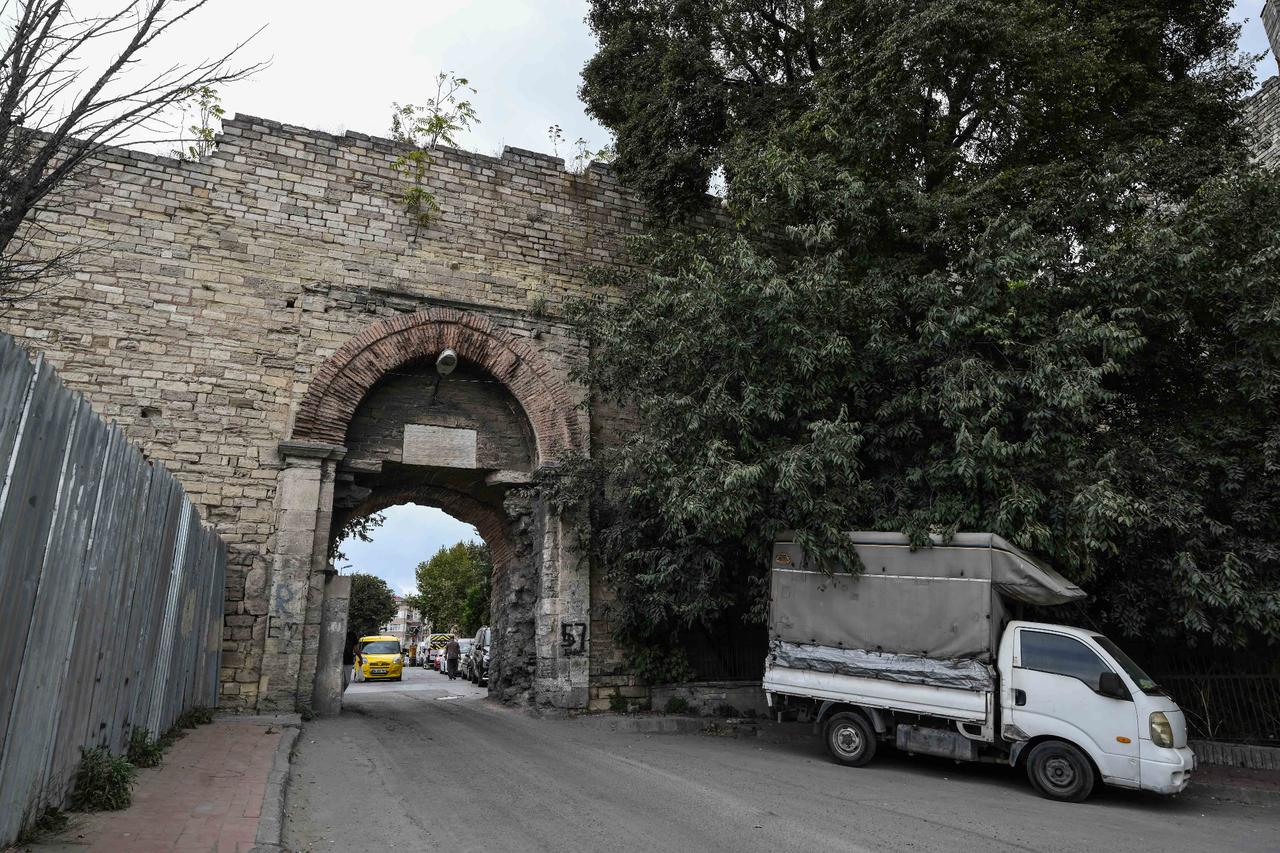


Istanbul's historic Yedikule Gate, standing along the city's ancient land walls near the Sea of Marmara, preserves traces of Byzantine defensive architecture and Ottoman restoration efforts, offering a glimpse into how the city's fortifications evolved over centuries.
Located near Yedikule Fortress and north of the Golden Gate, the historic passageway is featured in the ninth installment of Anadolu Agency's "Gates Opening onto the City's History" series.
The gate stands between two towers of Istanbul's land walls, where a surviving pointed arch and inscriptions from the 18th century reflect repairs carried out under Ottoman Sultans Ahmed III and Osman III.

Kadir Pektas, a professor of art history at Istanbul Medeniyet University, explained that Yedikule Gate served defensive purposes during the Byzantine period before continuing to function as a defensive and security passageway under Ottoman rule.
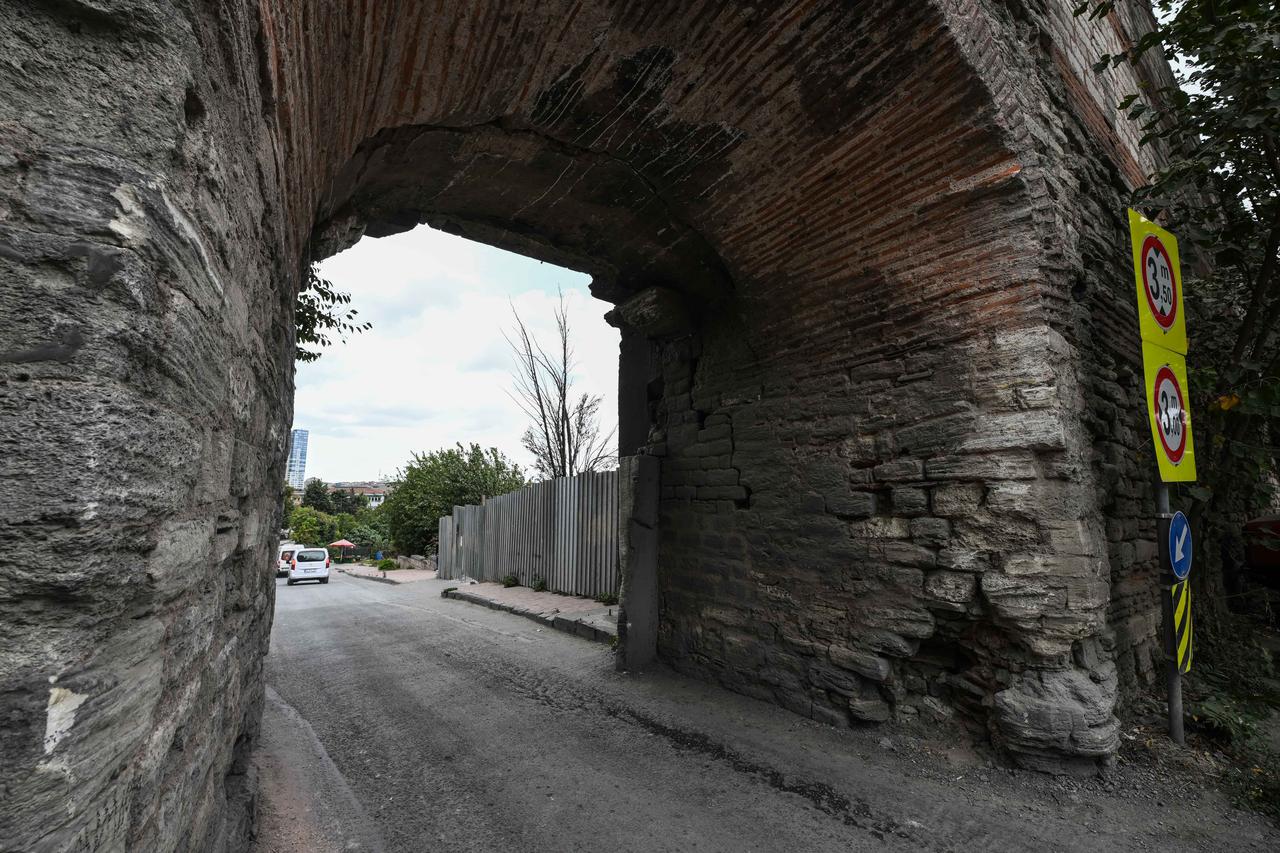
Although the gate once connected the area within the city walls to its surroundings, only the passageway through the main wall remains today.
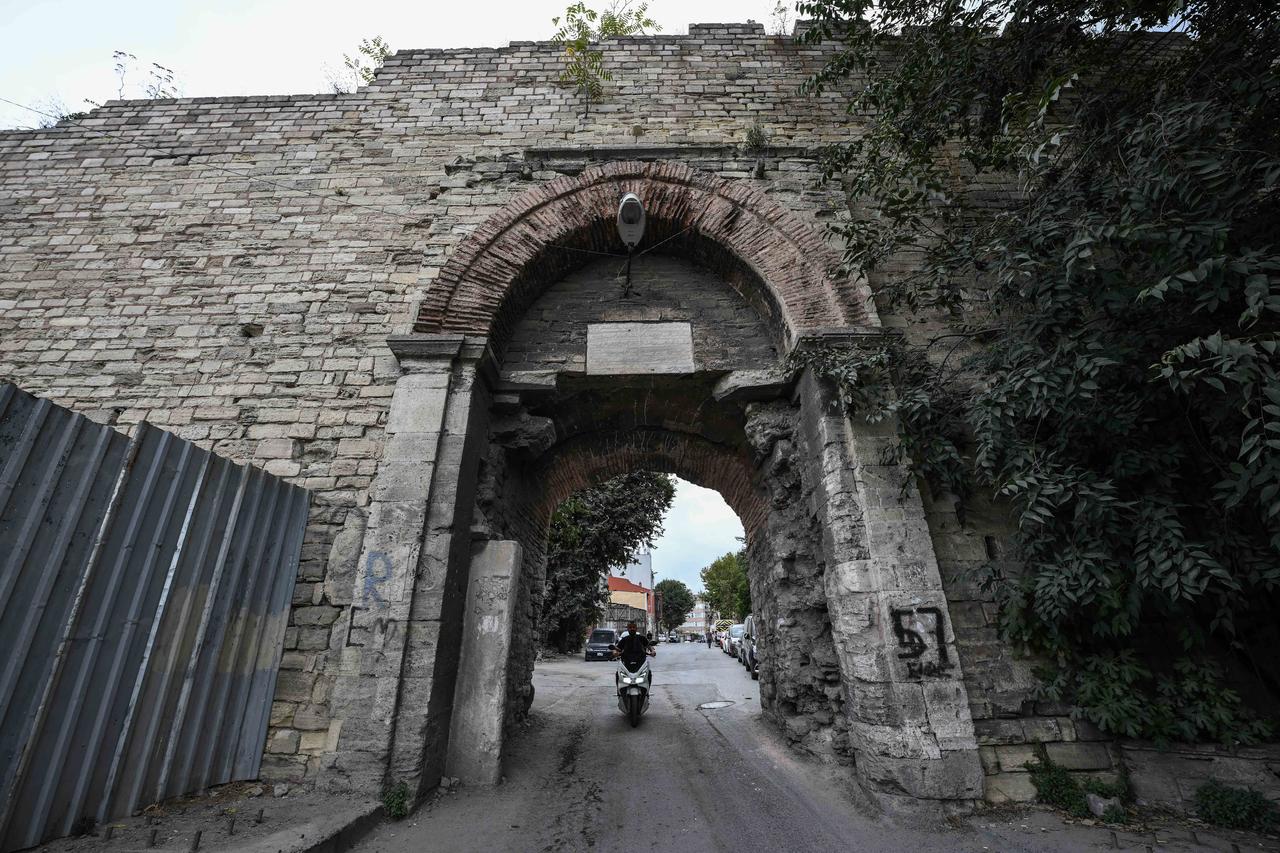
Pektas noted that 19th-century photographs show evidence of a second arched passageway in the outer defensive wall, which has since disappeared. Archaeological research suggests that this lost section may have originated during the Byzantine or Late Byzantine period.
The surviving gateway, meanwhile, features a pointed arch constructed with two courses of brick, an architectural characteristic that Pektas identified as distinctly Ottoman.
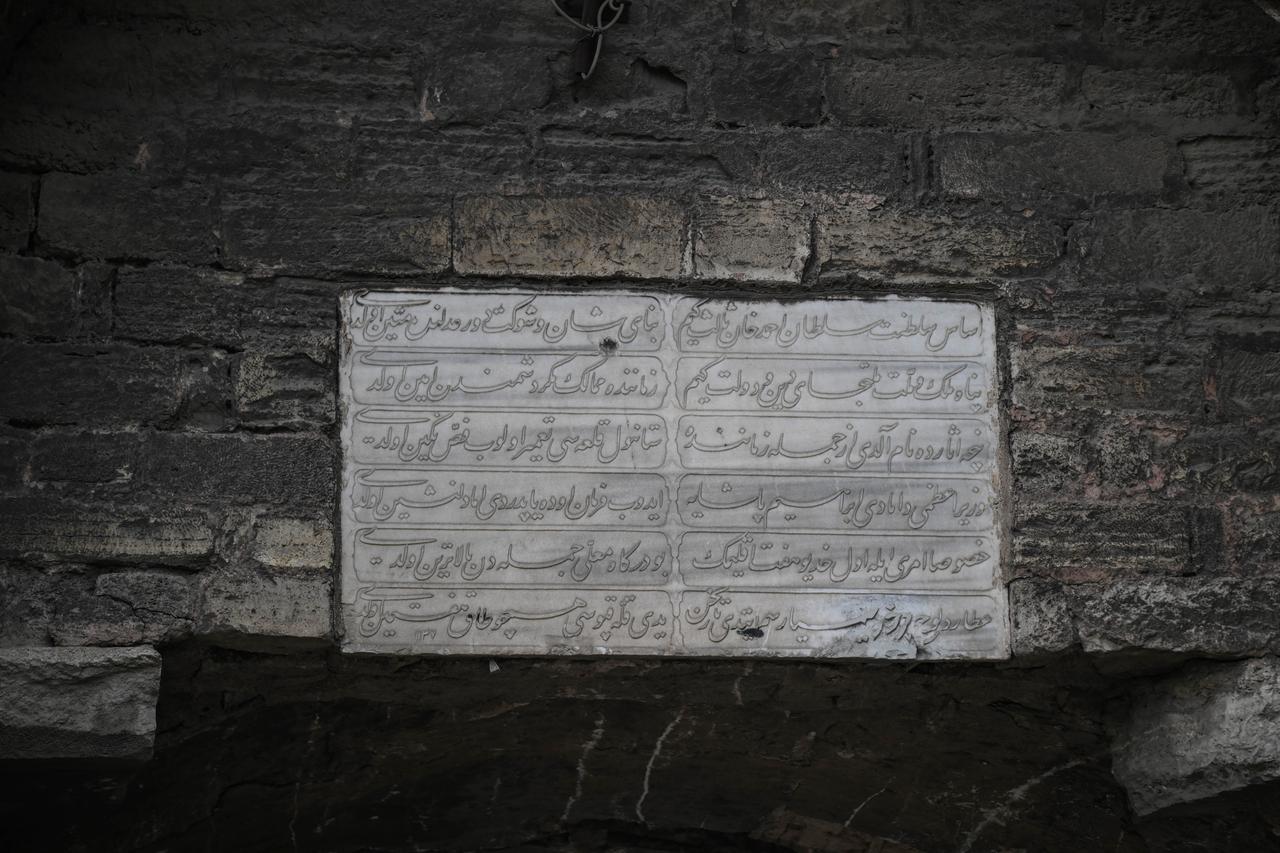
The gate's connection to the Yedikule Dungeons, a historic fortified complex, may help explain why it underwent extensive repairs during the 18th century.
According to Pektas, a restoration inscription above the surviving arch dates to the reign of Sultan Ahmed III, while two additional inscriptions along the surrounding walls document repairs undertaken during the reigns of Ahmed III and Osman III.
He suggested that the gateway may have received more extensive restoration than other entrances along Istanbul's land walls because it provided direct access to the Yedikule Dungeons, which continued to be used during the Ottoman period.
Beyond its surviving architectural features, the gateway has also lost some of its historical decoration. Pektas said figurative reliefs, or sculpted representations, once visible on the side facing the city have disappeared.
Today, the remaining arch and Ottoman inscriptions document successive periods of construction and restoration, preserving evidence of the gateway's changing functions across Istanbul's Byzantine and Ottoman past.


 Set as preferred source
 Set as preferred source



 1 min read