Newsletters


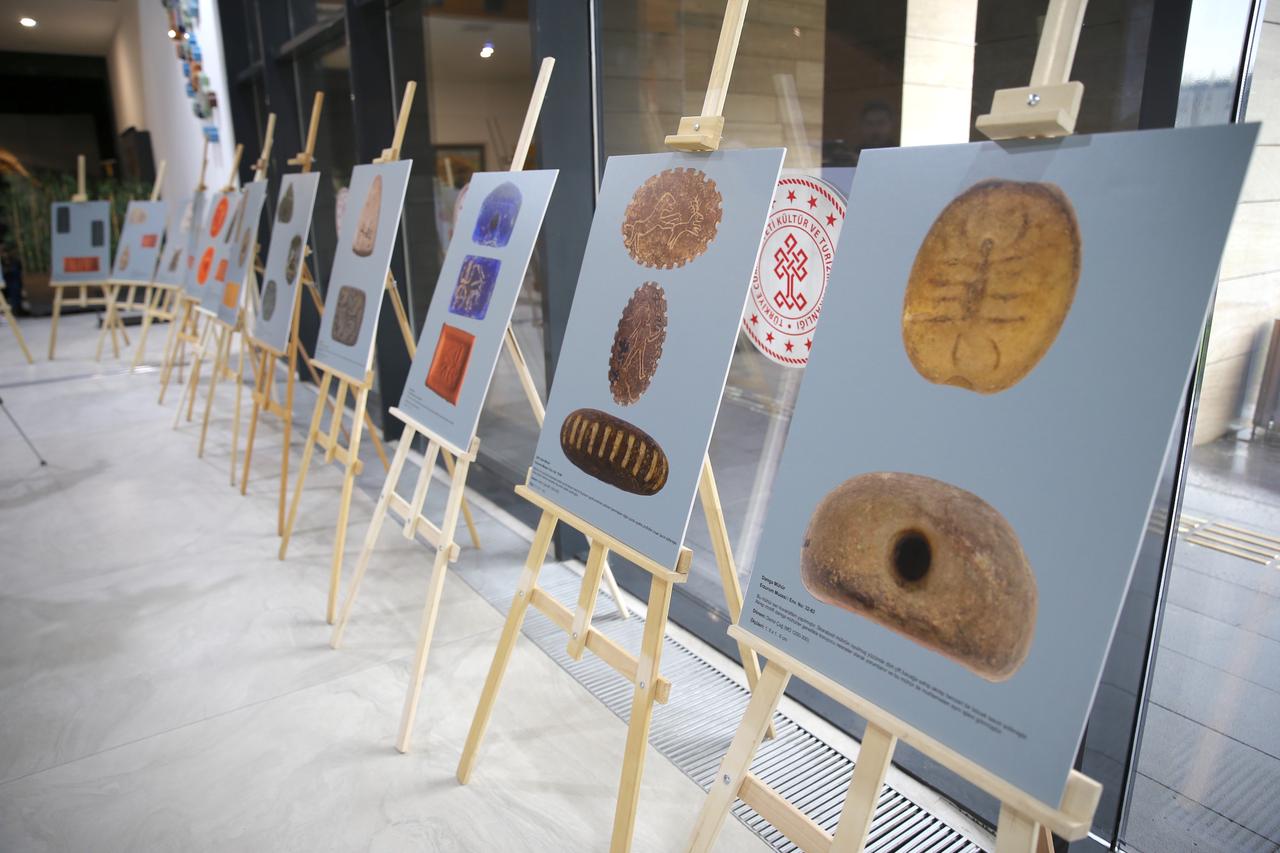


A new exhibition in Erzurum is bringing together photographs of ancient seals that reflect Persian and Mesopotamian influence, offering a rare look at objects linked to social, administrative and religious life from the ancient world.
The exhibition, titled “Mesopotamian Breezes at the Summit of Anatolia,” opened at Erzurum Museum under the leadership of Ataturk University’s Archaeology Department.
Prepared with contributions from Erzurum Museum Director Husnu Genc, the Erzurum Regional Directorate of Restoration and Conservation, and Professor Suleyman Ozkan from Ege University’s History Department, the project presents selected examples from the museum’s seal collection.
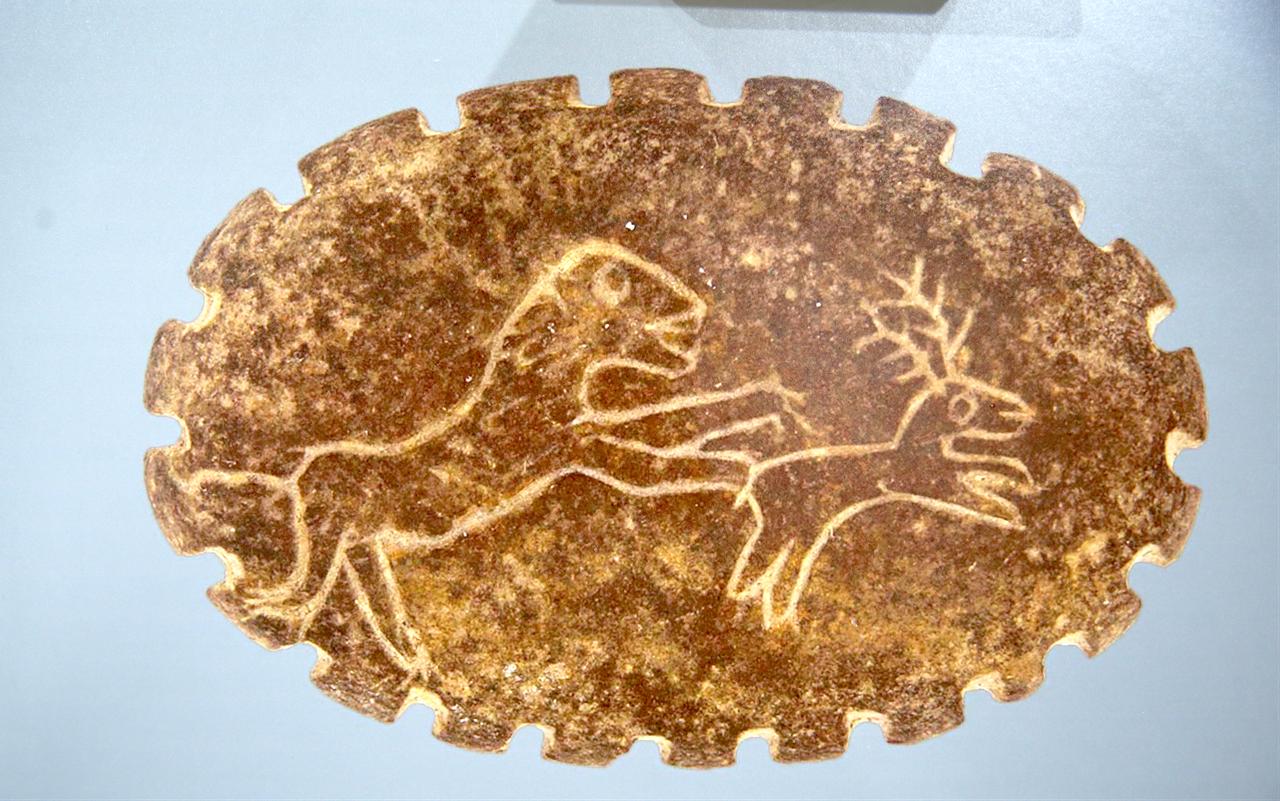

Ahmet Cuneydi Has, a faculty member at Ataturk University’s Archaeology Department, said the exhibition was built around seals kept at Erzurum Museum and displayed through photographs.
He noted that such objects had not previously been brought together in this academic form in eastern Anatolia.
According to Has, the wider project will also lead to a catalog book prepared as part of Ataturk University’s scientific research projects. Out of 122 seals examined, 24 selected examples were chosen for the exhibition.
Has said that the seals range from around 6,500 B.C. to 600 B.C., with strong Persian and Mesopotamian influence. He underlined that the objects were not originally from Erzurum but had entered the museum collection after being brought to the region over time.
He added that Erzurum’s position as a transition zone helped explain why such objects became part of the museum’s holdings.
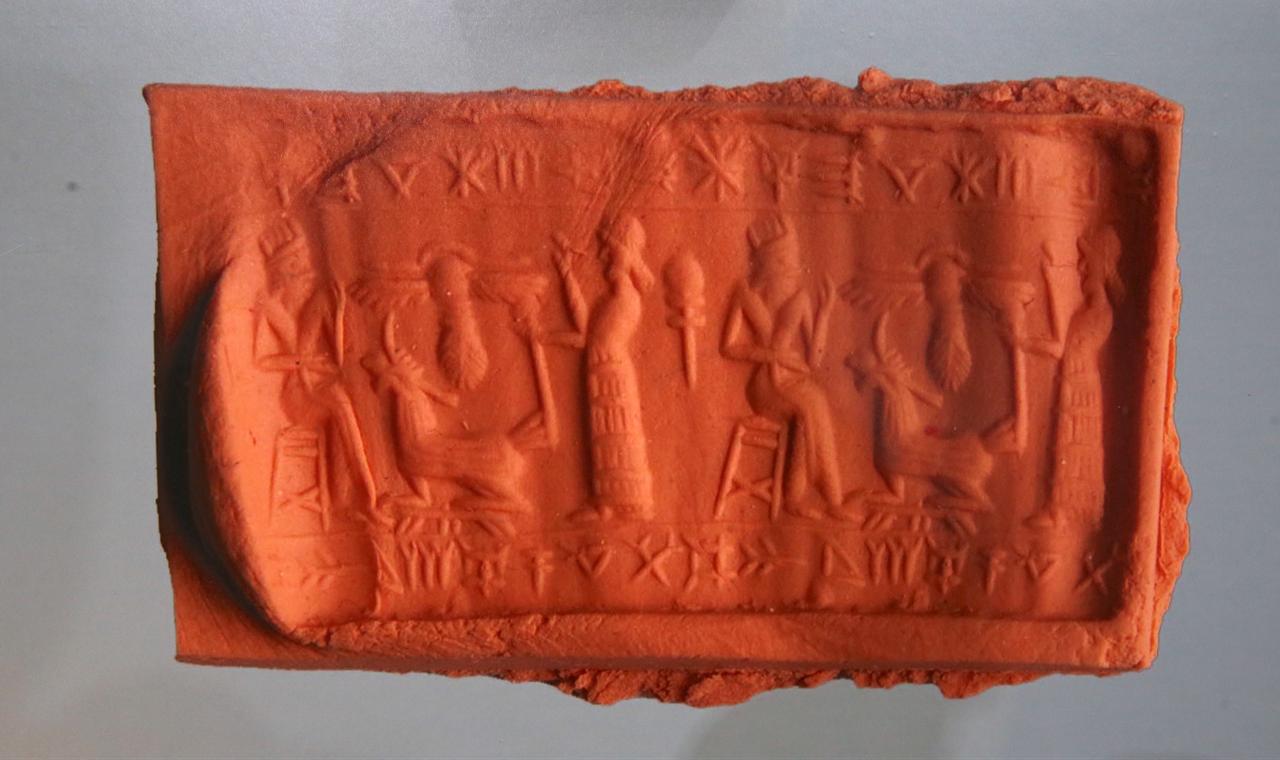
The exhibition also includes seals with cuneiform inscriptions from the Persian period. Cuneiform, one of the earliest writing systems, was formed by pressing wedge-shaped marks into clay or other surfaces.
Has said these seals were widely used in religious rituals and were important because they reflected the socioeconomic, administrative and religious structure of their time.
He explained that the engraved surface of a seal could reveal signs of economic life, social identity and state authority.
Among the highlighted pieces are cylinder seals, which Has described as especially important. Cylinder seals are small carved objects that can be rolled over a surface to create a continuous image or scene.
Has said they were not native to Anatolia but were associated with Mesopotamia, adding that their surfaces could carry more than one composition.


 Set as preferred source
 Set as preferred source


 2 min read