Newsletters


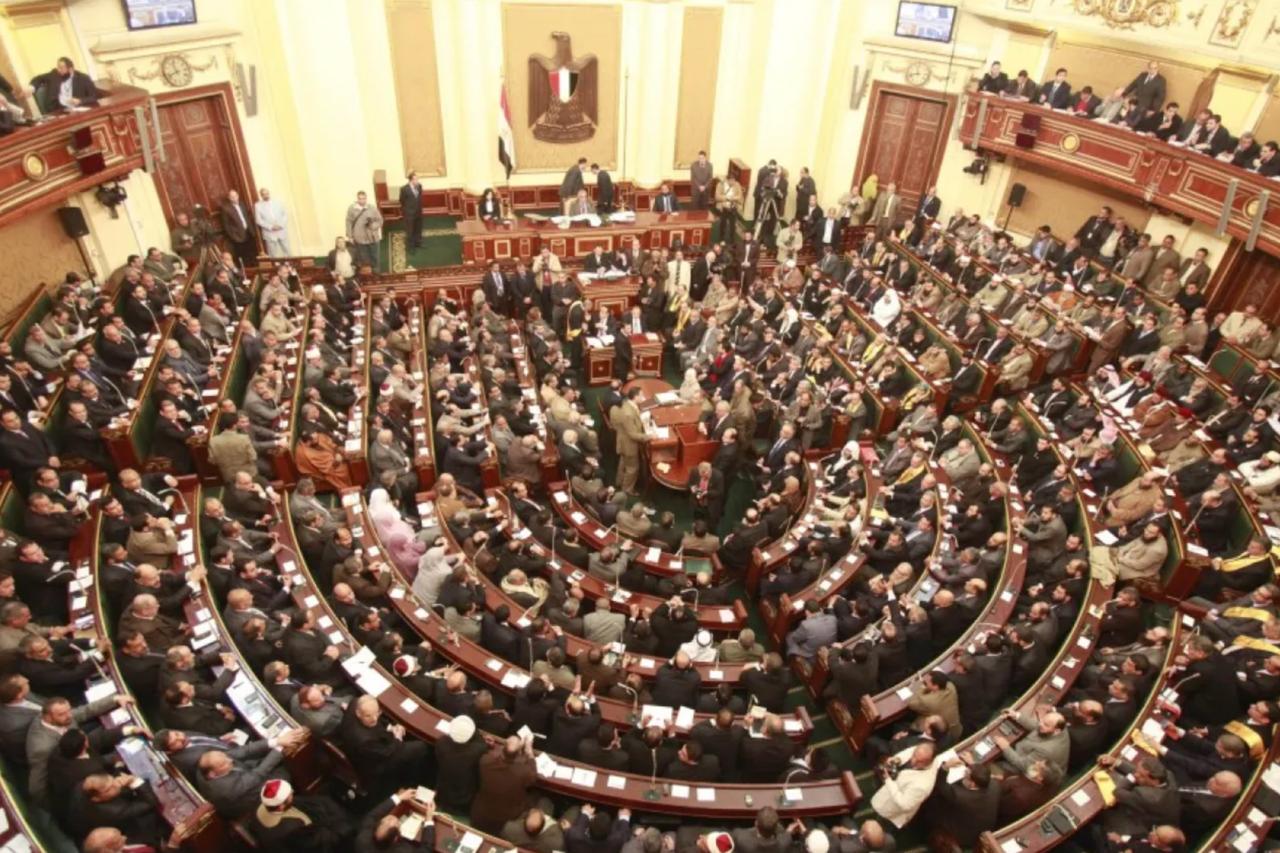


Egyptian Sen. Amira Saber submitted a proposal to the Senate speaker on Thursday, addressed to the health minister.
It calls for the establishment of a “national human tissue bank” and the activation of an organ and tissue donation system after death.
The proposal seeks to end reliance on importing human tissue, which costs about 1 million Egyptian pounds ($20,000) per case.
It calls for a sustainable national system that could save hundreds of children with severe burns each year.
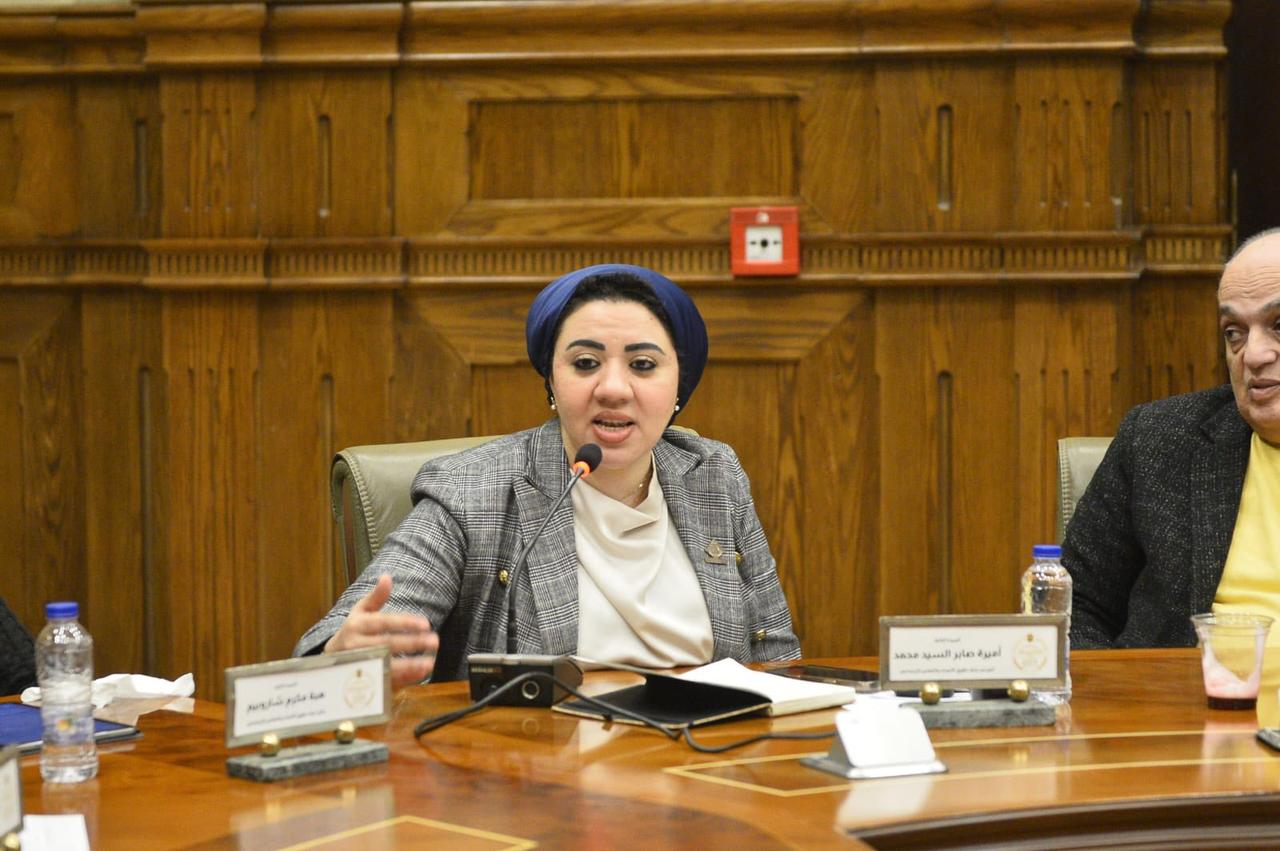

According to the proposal, building a national system would reduce dependence on imported tissue and create a framework that can provide timely medical support for critical cases.
It argues that imported tissue imposes a major financial burden and is not a durable solution for long-term needs.
The proposal’s explanatory memo highlighted the role of the Ahl Masr Foundation in treating burn victims, noting that it received its first shipment of preserved natural skin in December last year.
It stressed that “donated skin” is a life-saving medical intervention, particularly for children whose burns exceed 40% of their body surface area. Those cases face high rates of death and permanent disability in the absence of proper skin coverage.
The proposal has triggered debate and raised questions about feasibility, as well as medical and legal permissibility. Some critics argue that the idea is religiously prohibited.
In remarks to Telegraph Masr, Ahmed Karima, a professor of comparative jurisprudence and Islamic law at Al-Azhar University, said donating human skin remains highly disputed among Islamic scholars.
He said some permit it under the principle that a person who can benefit another should do so.
Others oppose it on the grounds that a person’s organs and faculties ultimately belong to God and may only be used within the limits set by Islamic law.
Karima said the matter requires an institutional religious opinion from recognized authorities, including Al-Azhar’s Council of Senior Scholars, Dar al-Ifta, and Islamic jurisprudence professors at Al-Azhar.
In televised remarks, Heba el-Sewedy, chair of the board of trustees of the Ahl Masr Foundation and Hospital, said donating skin is no different from donating any other organ.
She said skin is the body’s largest organ and that the practice is implemented worldwide, but is new and shocking to the Egyptian public.
Sewedy also said complex surgeries have been performed to save children with severe burns after importing natural skin from abroad.
She added that Egypt’s organ donation law has not been fully activated, and that current donations are limited to first-degree relatives.
Commenting on the controversy, MP Amira Saber said in an exclusive statement to Sada El Balad TV’s website that she did not introduce anything new.
She noted that an existing law, No. 5 of 2010 and its amendments, permits the donation of organs and tissues after death.
However, she said, practical implementation faces administrative and cultural obstacles, stressing that the problem lies in the law’s executive regulations


 Set as preferred source
 Set as preferred source


 2 min read