Newsletters


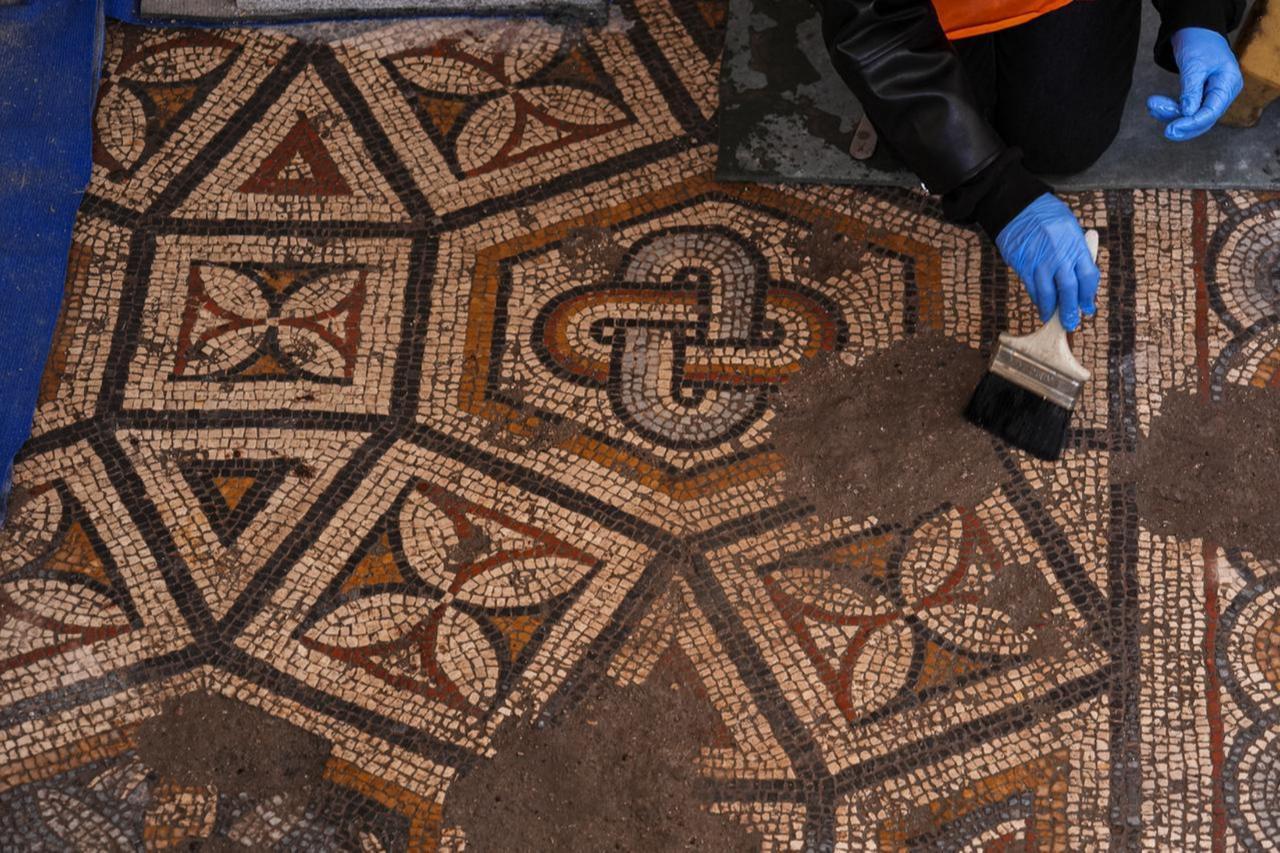


Archaeologists working in the heart of Izmir have uncovered a rare mosaic room at the ancient city of Smyrna, drawing particular attention to a central “Solomon's Knot” motif that reflects beliefs in protection against evil and misfortune during Late Antiquity.
The find emerged during ongoing excavations at the Smyrna ancient city, located in the present-day urban core of Izmir in Türkiye. The work is being carried out year-round under the Ministry of Culture and Tourism’s “Heritage for the Future" project, which aims to preserve and bring forward key archaeological sites across the country.
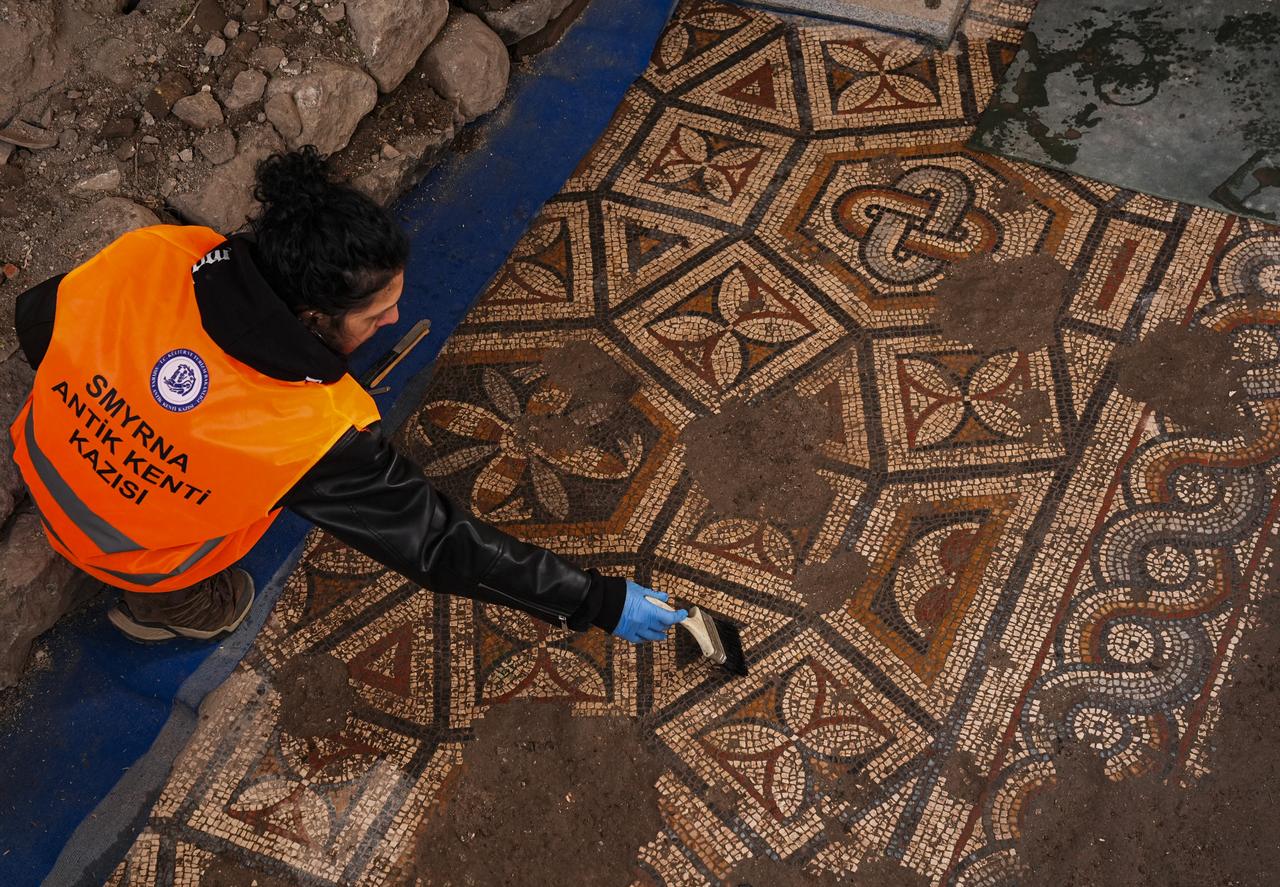
Excavations along the Agora North Street, one of the city’s main arteries in antiquity, revealed a mosaic floor measuring roughly three by four meters. The surface is decorated with interlocking twelve-sided panels, a geometric design widely used in the Late Roman period. At the center of the floor, archaeologists identified the Solomon's Knot, a symbol formed by intertwined loops that has appeared across cultures and eras.

The excavation team, led by Professor Akin Ersoy of Izmir Katip Celebi University, explained that Smyrna was a carefully planned city rebuilt after the era of Alexander the Great. Today, archaeological work mainly focuses on the agora, meaning the public square, and the ancient theater, both key elements of civic life in the classical world.
According to Ersoy, the mosaic belongs to a structure built between the fourth and sixth centuries A.D., a period known as Late Antiquity. While researchers have not yet determined whether the building served as a private residence or a public space, its location on an important street suggests it played a notable role in urban life.
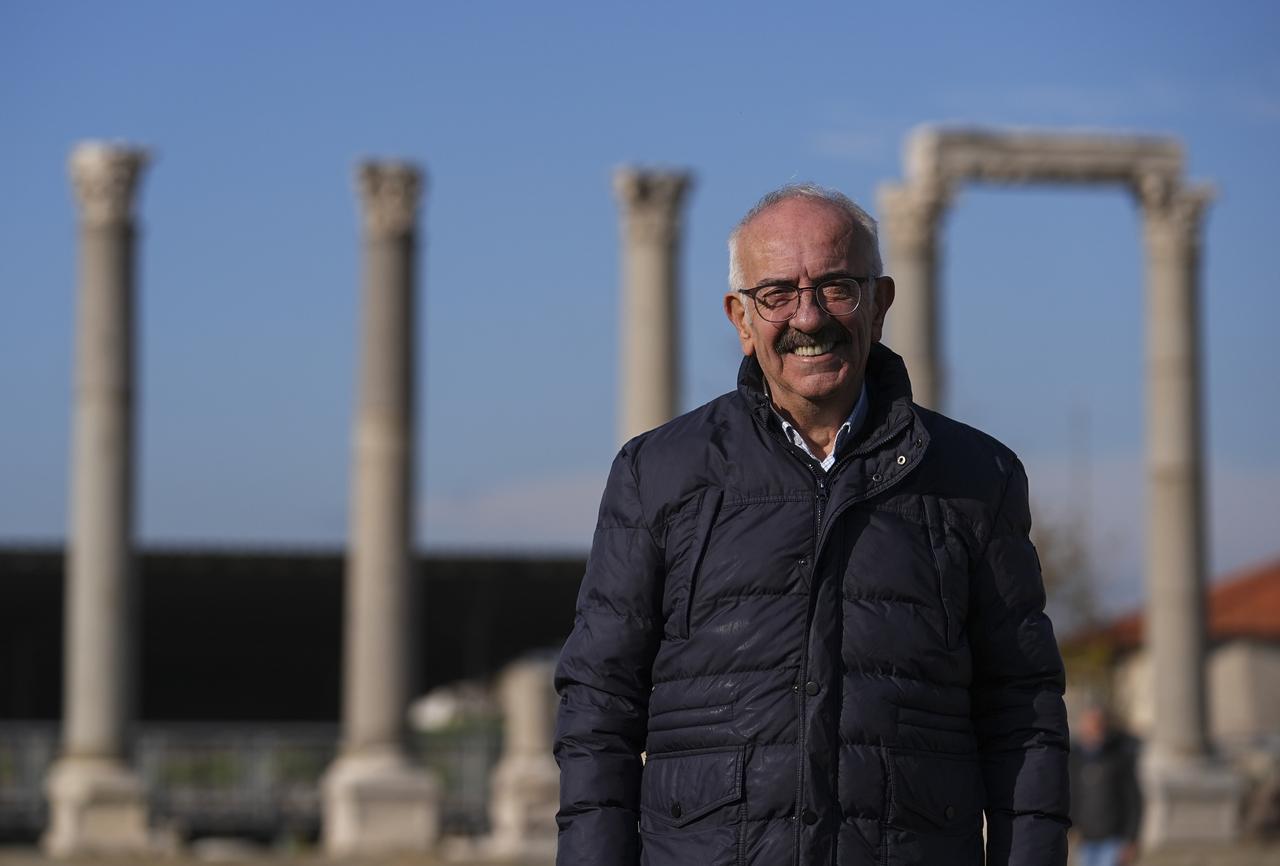
Ersoy noted that although a “mosaic hall” had been discovered in Smyrna around seventy years ago, uncovering another mosaic floor after such a long gap came as a surprise. The newly found space has therefore been described as a “mosaic room,” reflecting its more modest scale compared to large ceremonial halls.
The floor features plant-based motifs and geometric ornaments typical of the era. However, the Solomon's Knot at its center stands out as the most meaningful element of the design.
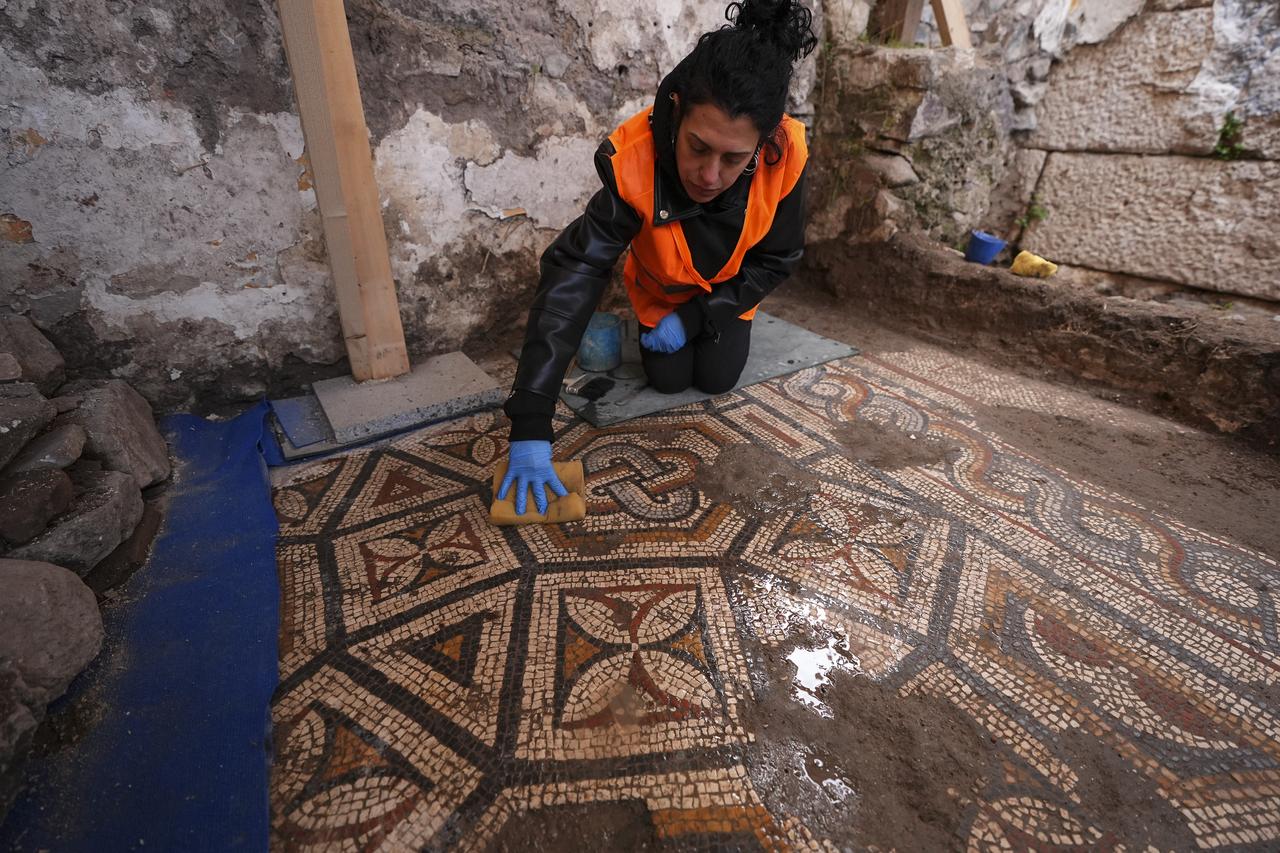
The excavation team interprets the Solomon's Knot as a protective symbol. In antiquity, such motifs were believed to ward off envy, jealousy, and harmful gazes, often referred to today as the “evil eye.” Ersoy explained that protective symbols were commonly placed at entrances or on floors to safeguard both the space and its users.
Around the central knot, small cross figures were also identified. These elements reflect a decorative tradition that later became associated with monotheistic religions, while still carrying earlier symbolic meanings. Taken together, the motifs suggest a layered belief system aimed at spiritual protection rather than pure decoration.
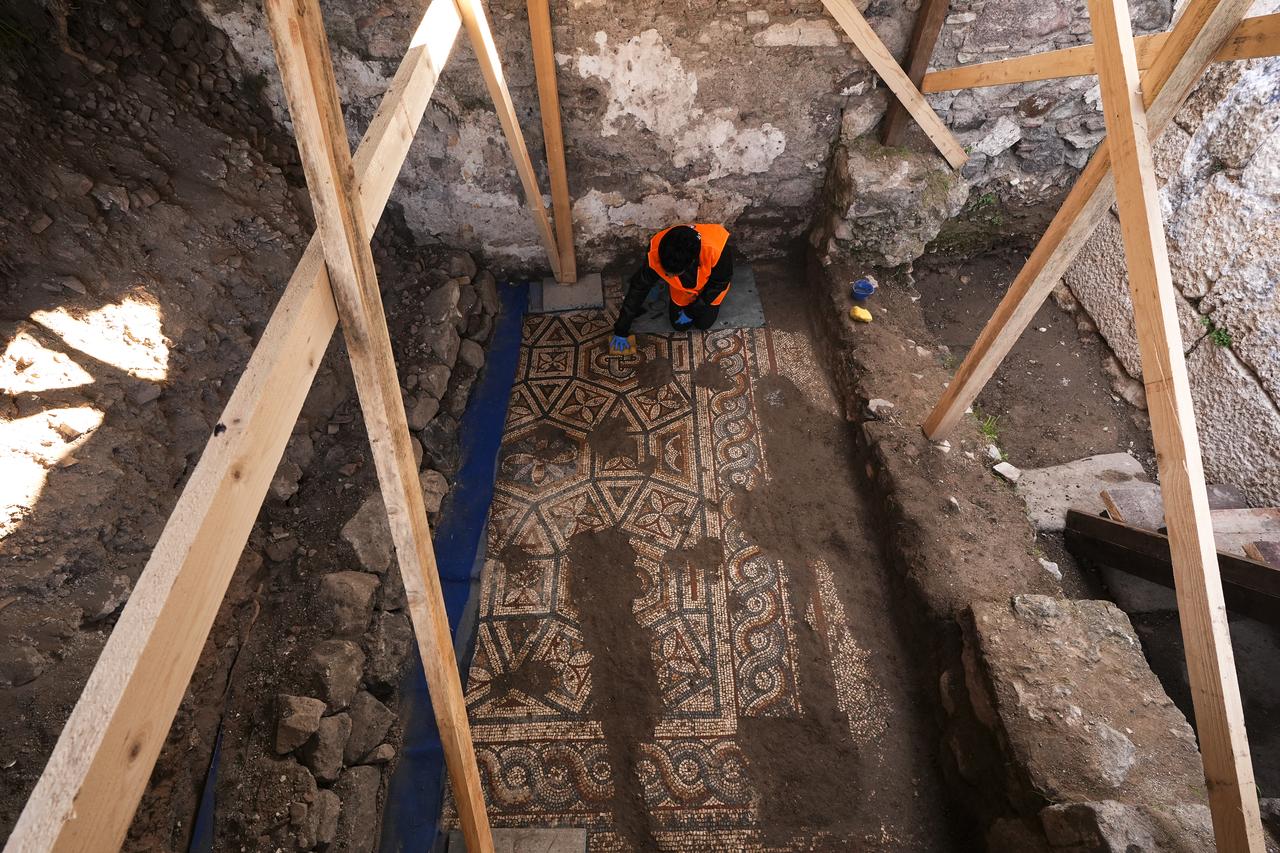
One of the most striking aspects of the find is evidence that the mosaic room was reused in the nineteenth century. Ersoy stated that buildings linked to a non-Muslim hospital or nearby residences were constructed directly on top of the ancient floor. Traces of wall plaster laid over the mosaic show that the design was uncovered, appreciated, and then incorporated into later structures.
This reuse indicates that the mosaic floor remained visible and functional long after antiquity, extending its life by many centuries.
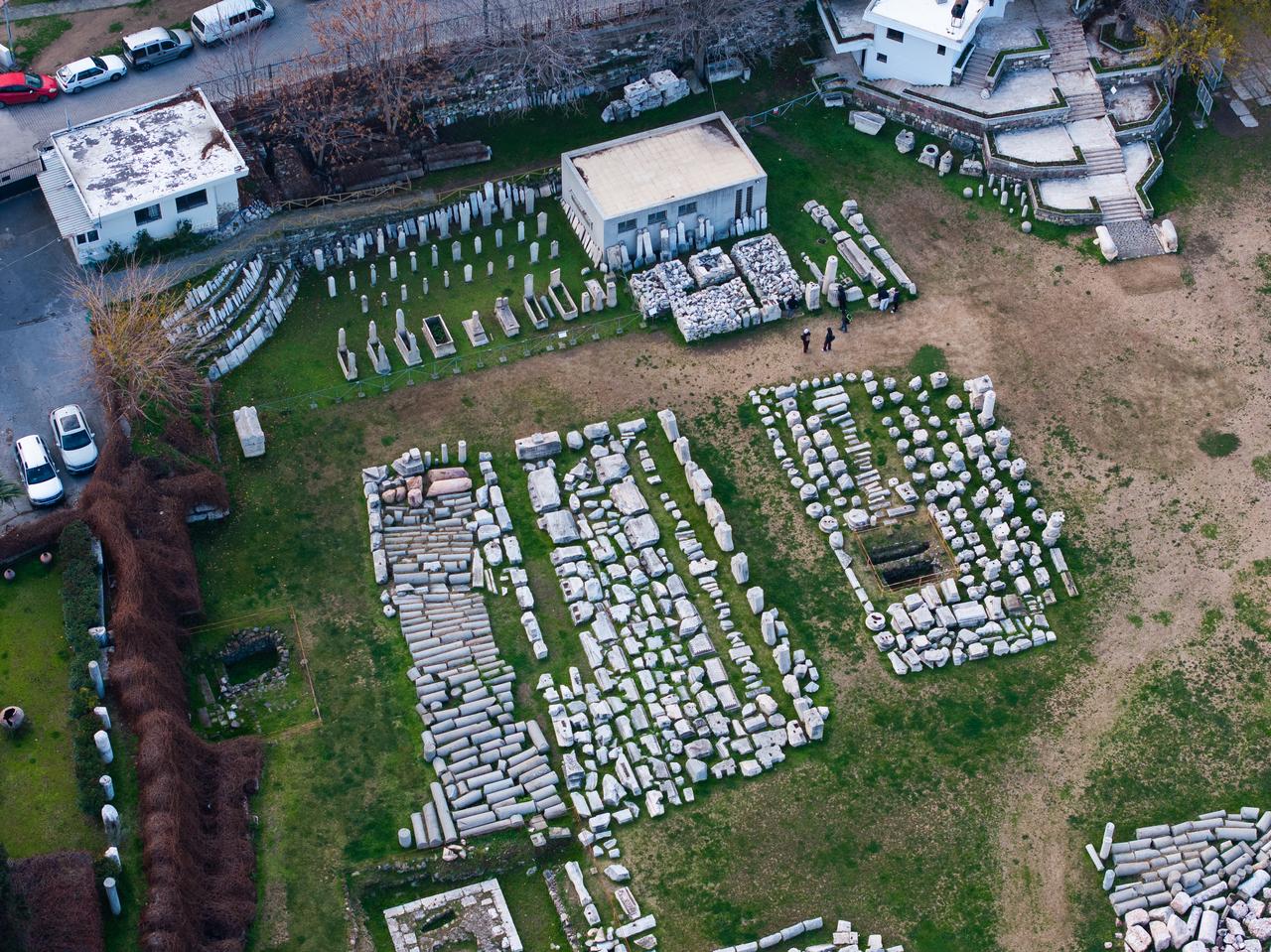
As work at the site continues, archaeologists expect the excavation area to grow in 2026.
Ersoy suggested that expanding the dig could bring additional rooms or structures to light, offering a broader picture of daily life in Late Antique Smyrna.


 Set as preferred source
 Set as preferred source


 1 min read
 1 min read