Newsletters


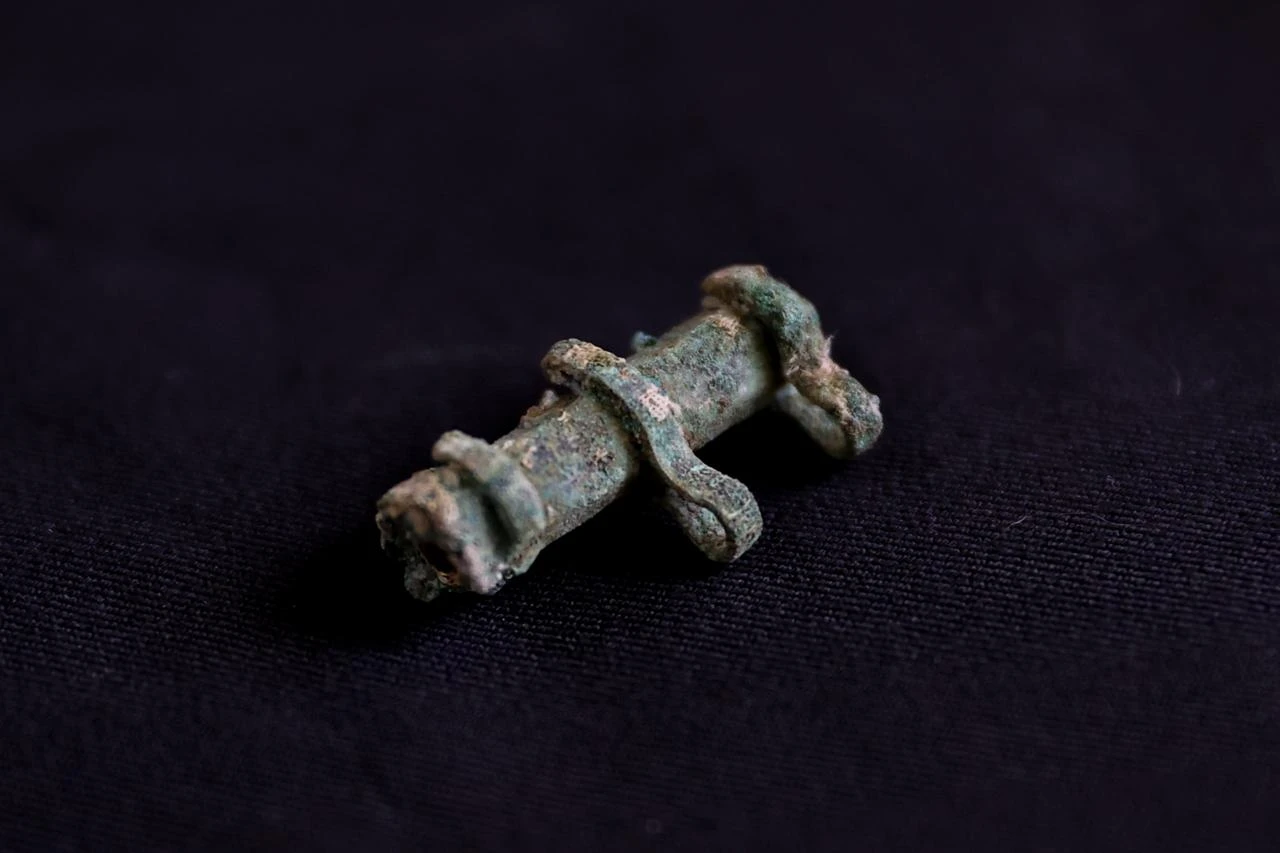


Archaeologists working at Turkmen Karahoyuk in central Türkiye have uncovered a rare early Christian gold amulet and a roughly 3,500-year-old stone seal bearing a hieroglyphic Luwian inscription, providing new evidence about the settlement’s religious and administrative history.
The discoveries were made during the third excavation season at the site in Konya’s Cumra district. The project got underway after six years of surface surveys and is being carried out with permission from Türkiye’s Ministry of Culture and Tourism.
Michele Ruzgar Massa of Bilkent University and James Osborne of the University of Chicago are jointly heading up the excavations, with Huseyin Erpehlivan of Bilecik Seyh Edebali University serving as deputy director.
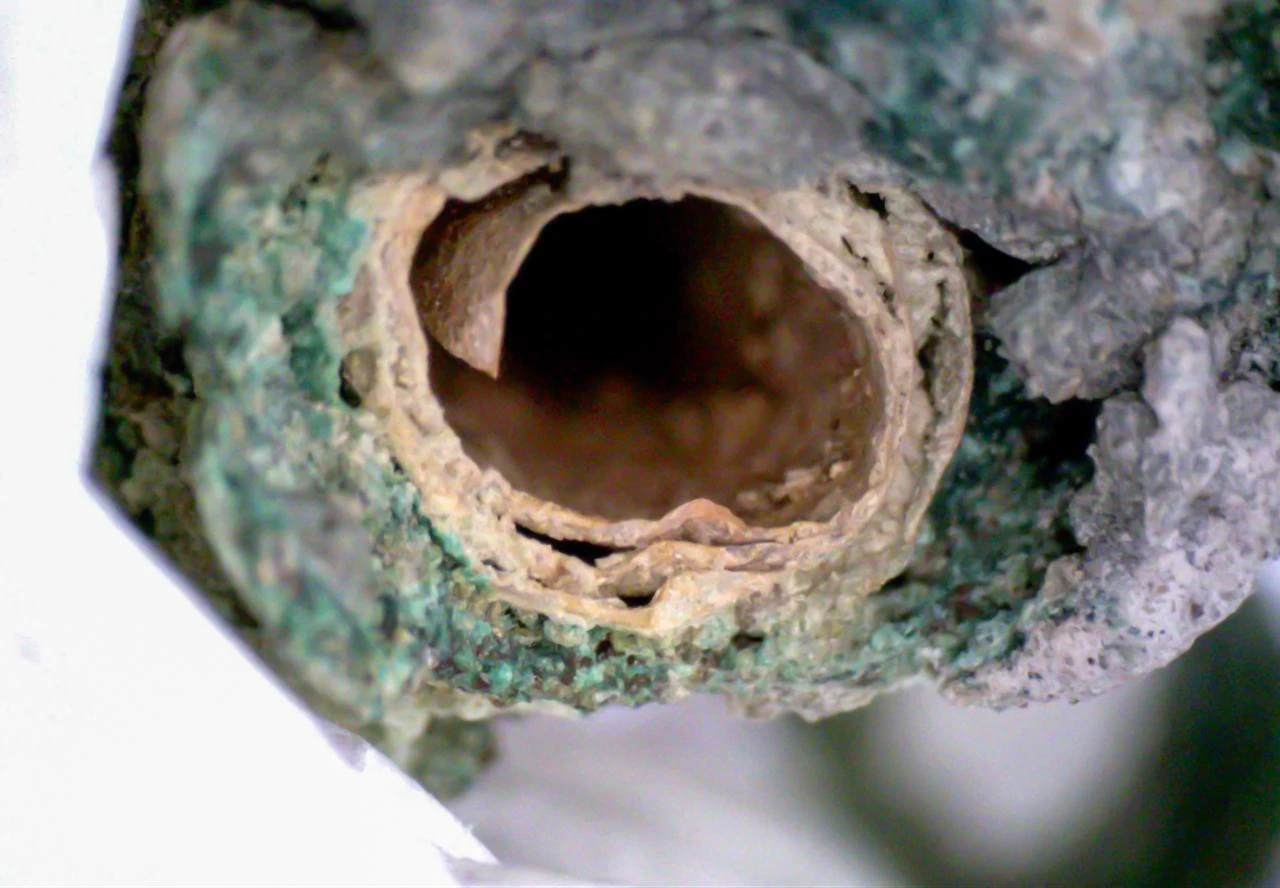

The Christian amulet, dated to the fourth or fifth century A.D., was found inside a small copper container. It held an extremely thin gold sheet, measuring only 0.1 millimeters in thickness, which researchers believe may carry a passage from the Bible.
Massa said the object appeared to have belonged to a young child and was probably worn or carried for protection.
“Inside a copper box, we found an extremely thin gold sheet, only 0.1 millimeters thick, most likely carrying a passage from the Bible. It belonged to a small child. We can think of it as something like a nazar boncugu, a traditional evil-eye charm,” Massa said.
He noted that such amulets are rare, pointing out that one of the few comparable examples was discovered in Germany.
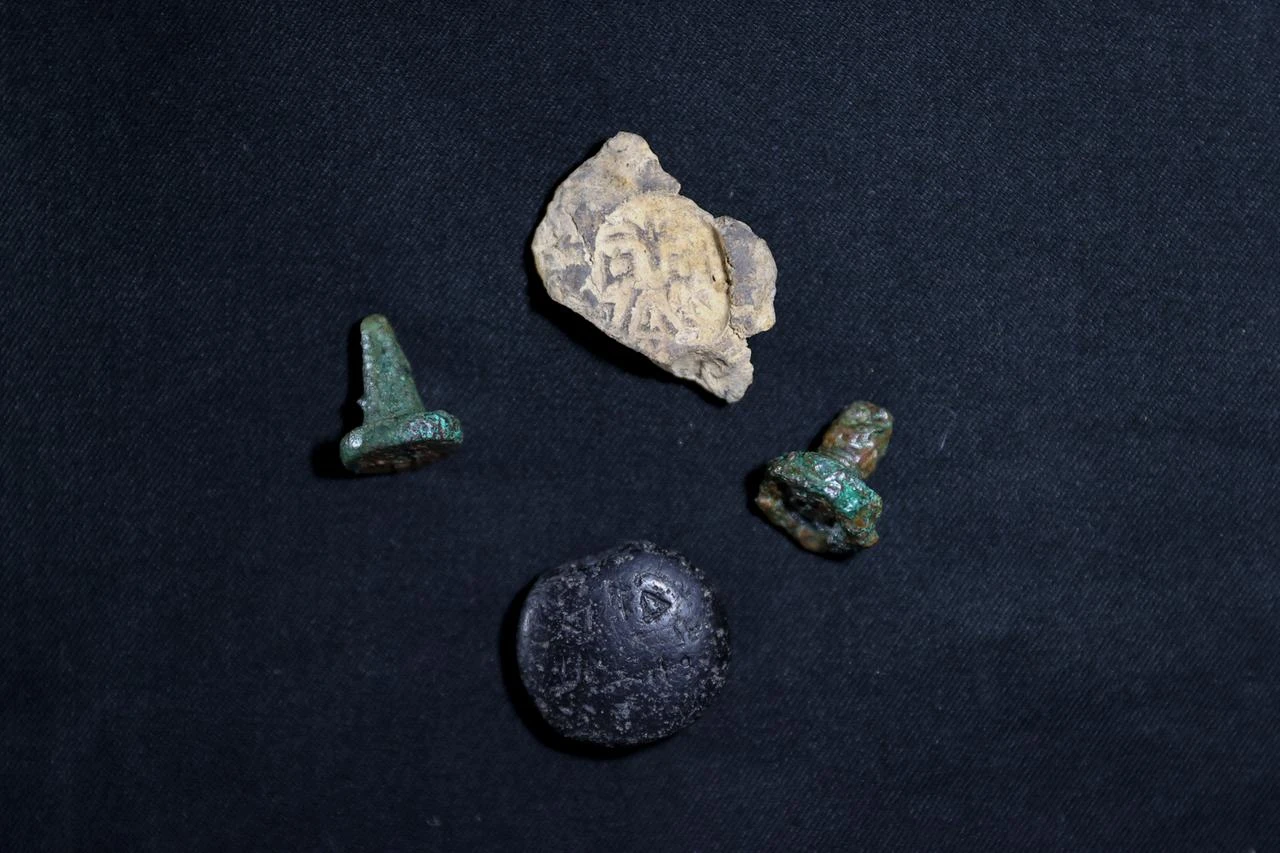
The excavation team also brought to light a stone seal inscribed in hieroglyphic Luwian, an ancient language used across parts of Anatolia during the Bronze and Iron ages.
The inscription includes a personal name and an official title. According to Massa, the seal belonged to someone who did not hold the highest-ranking position but was nevertheless part of an organized state bureaucracy.
The discovery suggests that Turkmen Karahoyuk functioned as a major administrative center around 1,500-1,400 B.C.
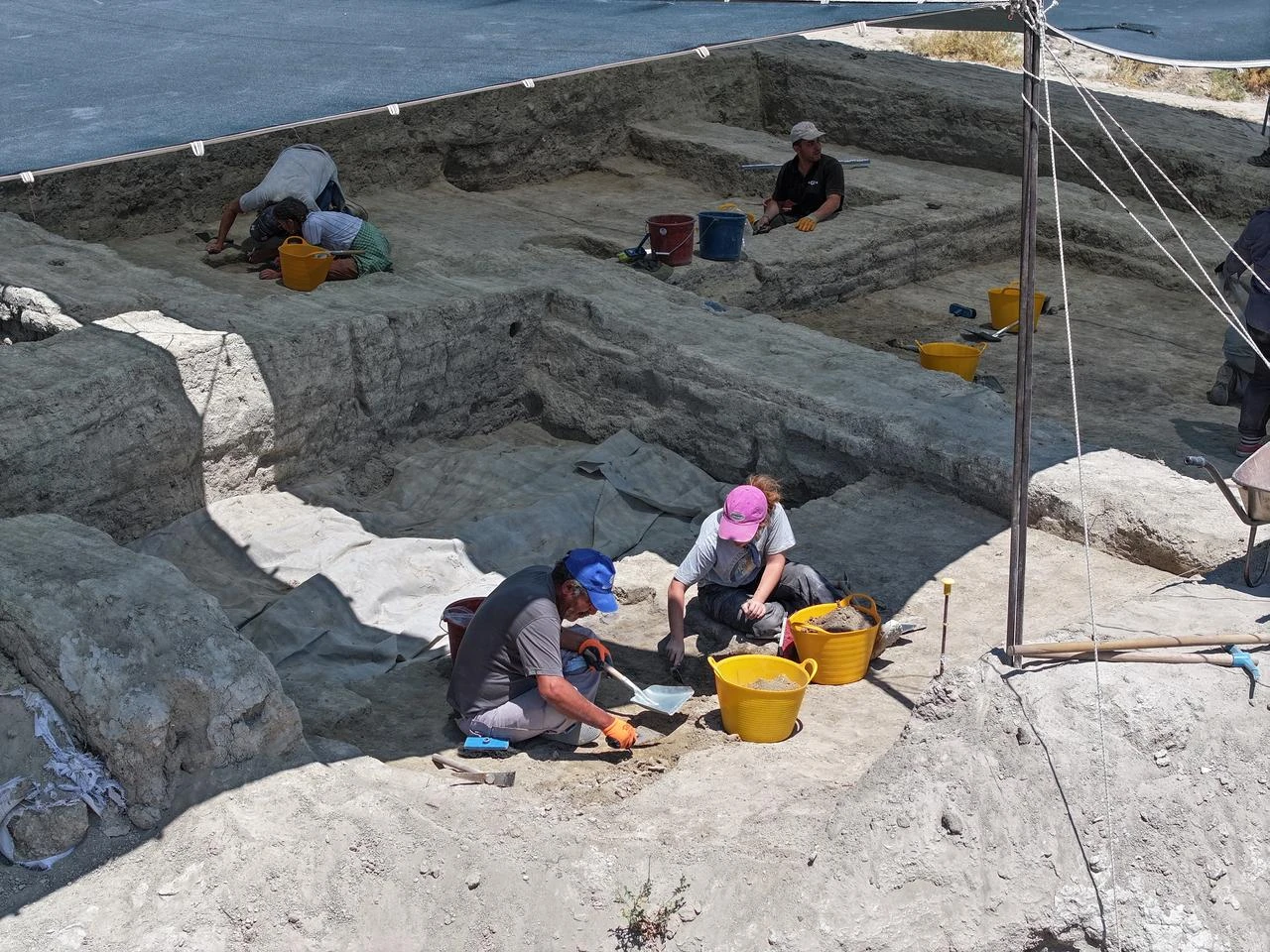
The name “Kurunti-ziti” appears on the stone seal and is connected to Kurunta, a deity who held an important place in the Hittite religious world.
Two copper seals and a clay seal impression were also uncovered. The clay impression bears a different name, indicating that several officials may have used their individual seals to authorize or secure administrative documents.
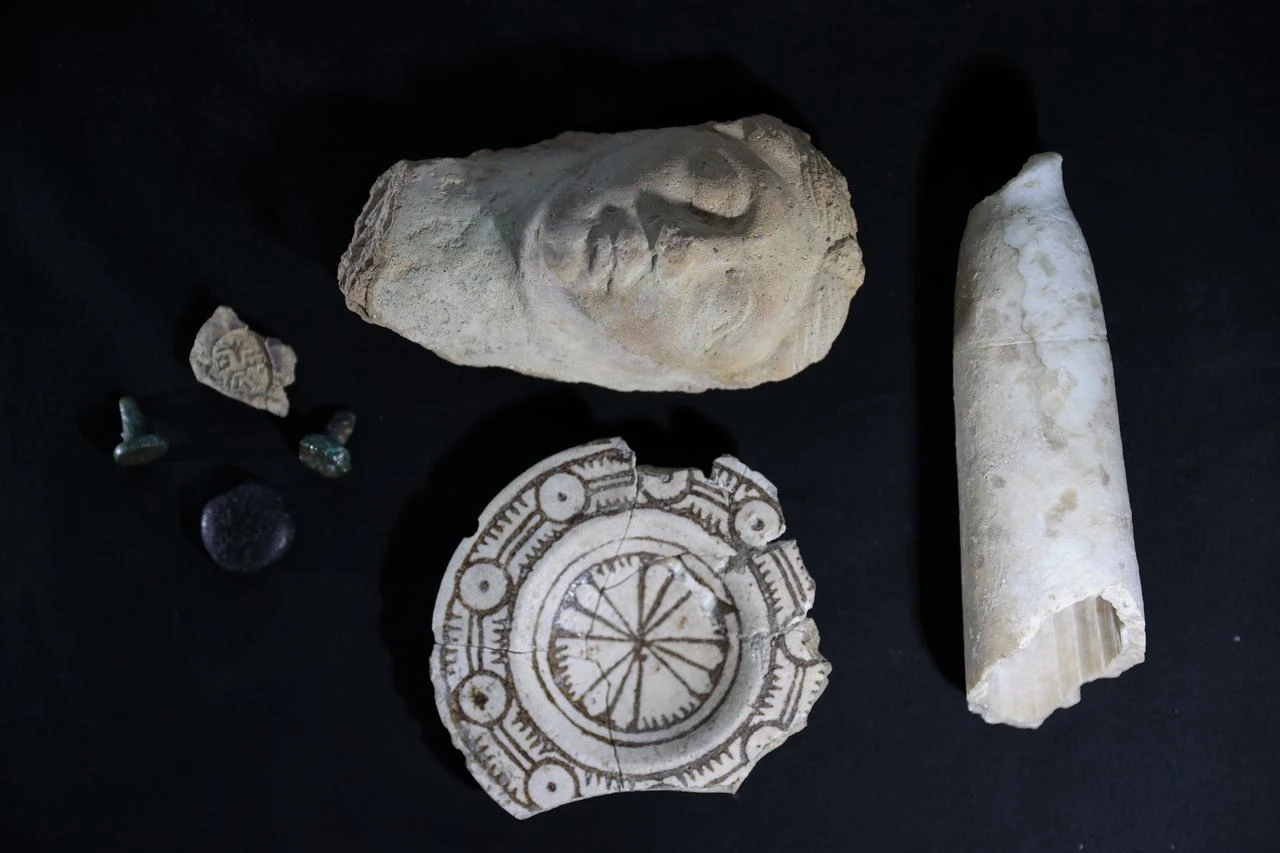
Turkmen Karahoyuk is a hoyuk, or settlement mound formed as generations repeatedly built new structures over earlier remains. Rather than focusing on a single civilization, the excavations cover layers ranging from the late Hellenistic period through the Iron and Bronze ages and into earlier eras.
Erpehlivan said the site occupied an important position in Anatolian archaeology because Konya lies at a central meeting point for different cultures.
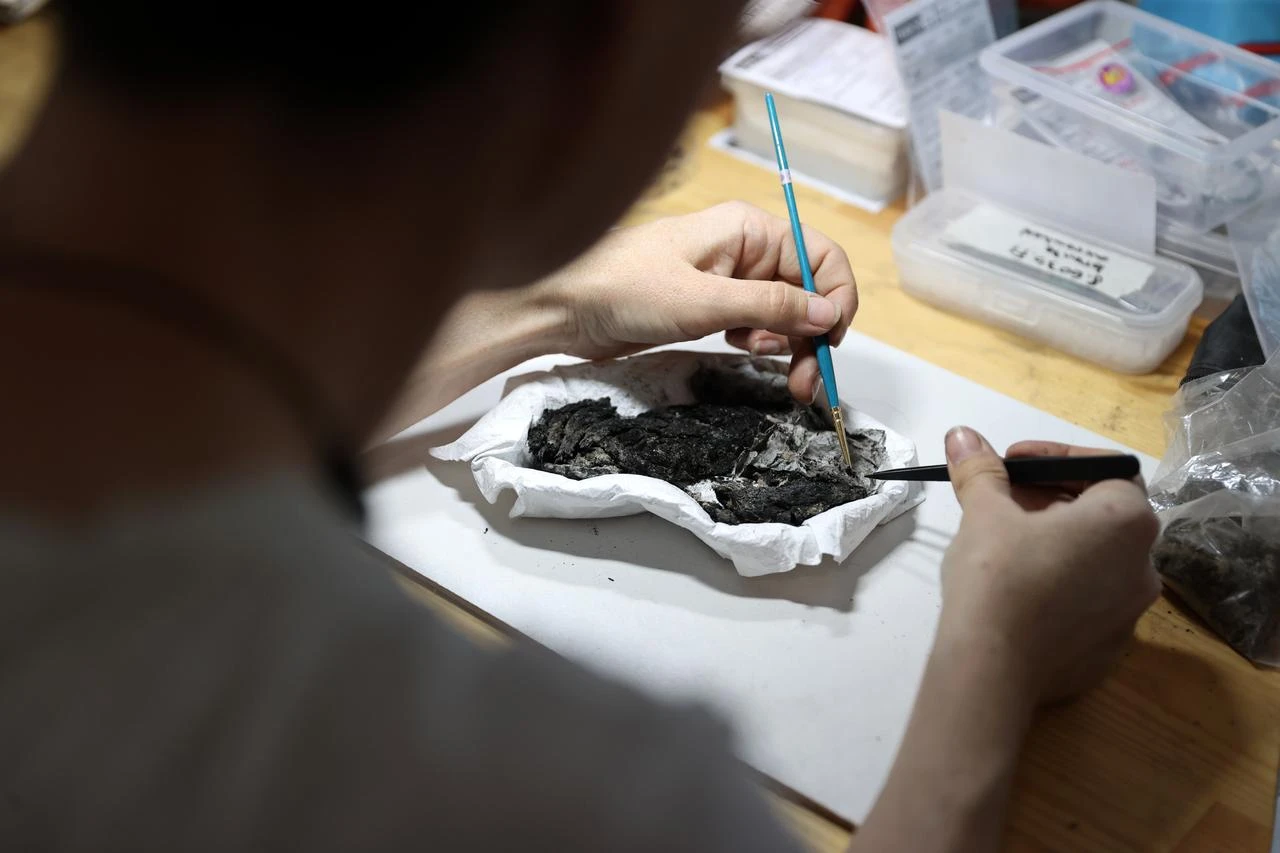
Around 150 people are working on the project, including approximately 60 researchers from 13 countries. The excavations are supported by universities in Bilkent, Chicago, New York and Pavia, along with the British Institute at Ankara and Konya Metropolitan Municipality.


 Set as preferred source
 Set as preferred source


 1 min read
 1 min read