Sign in
 Newsletters


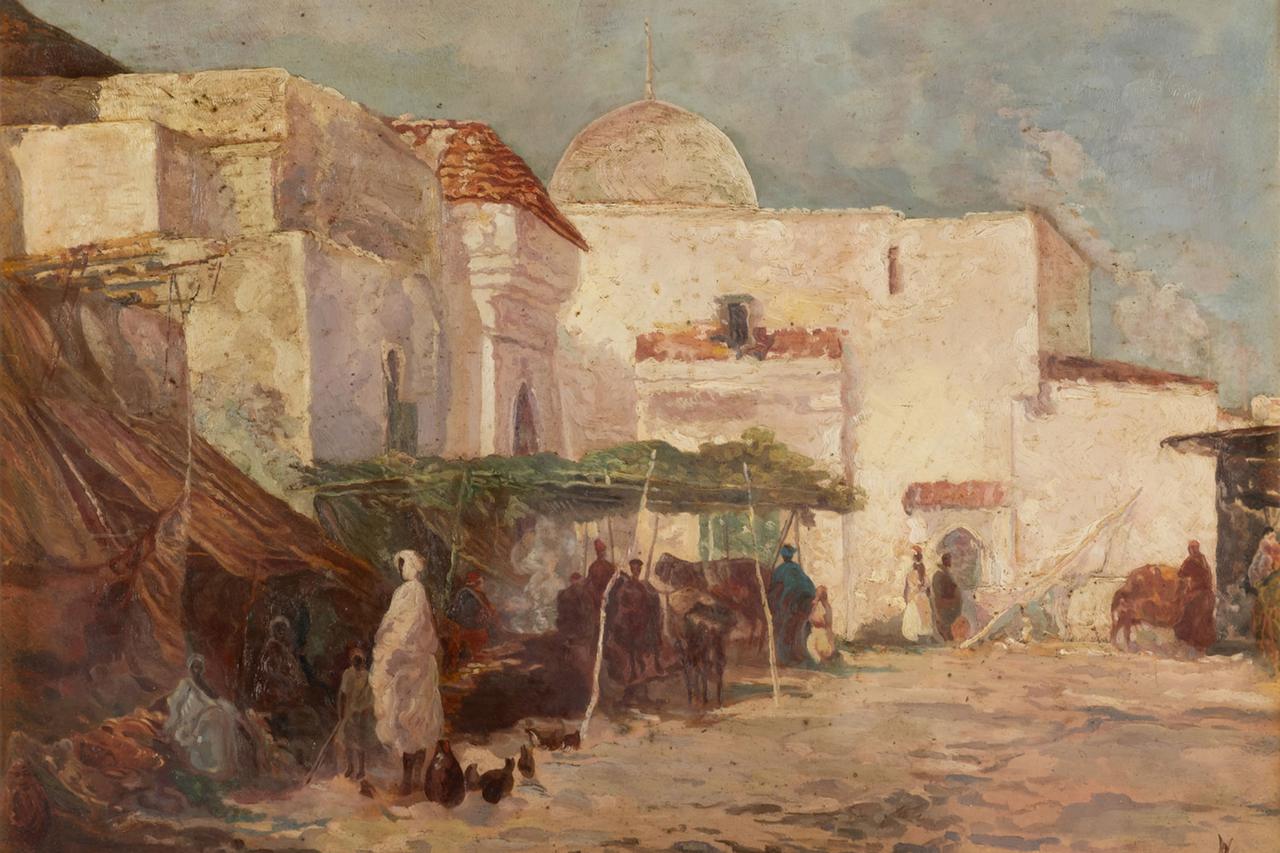


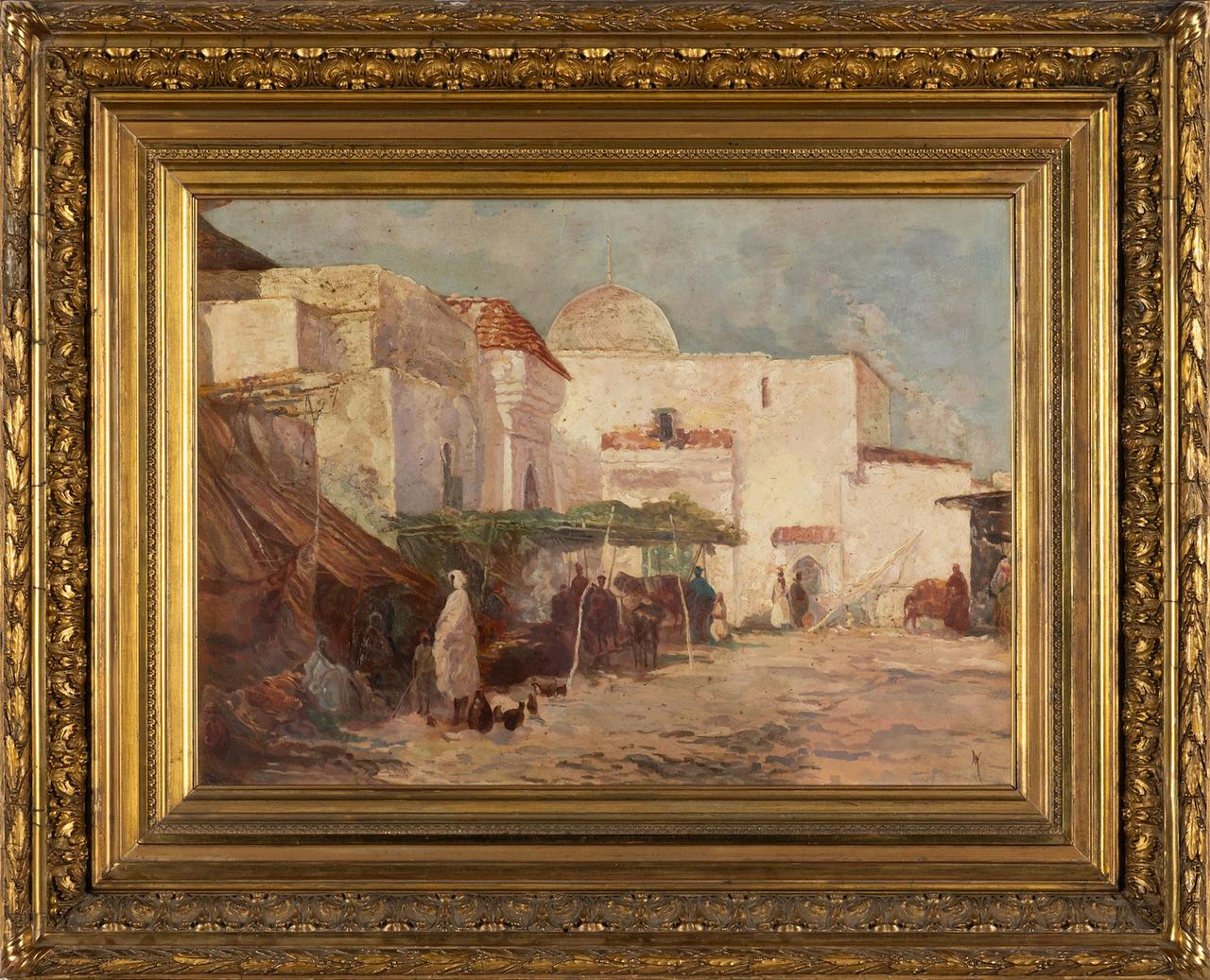
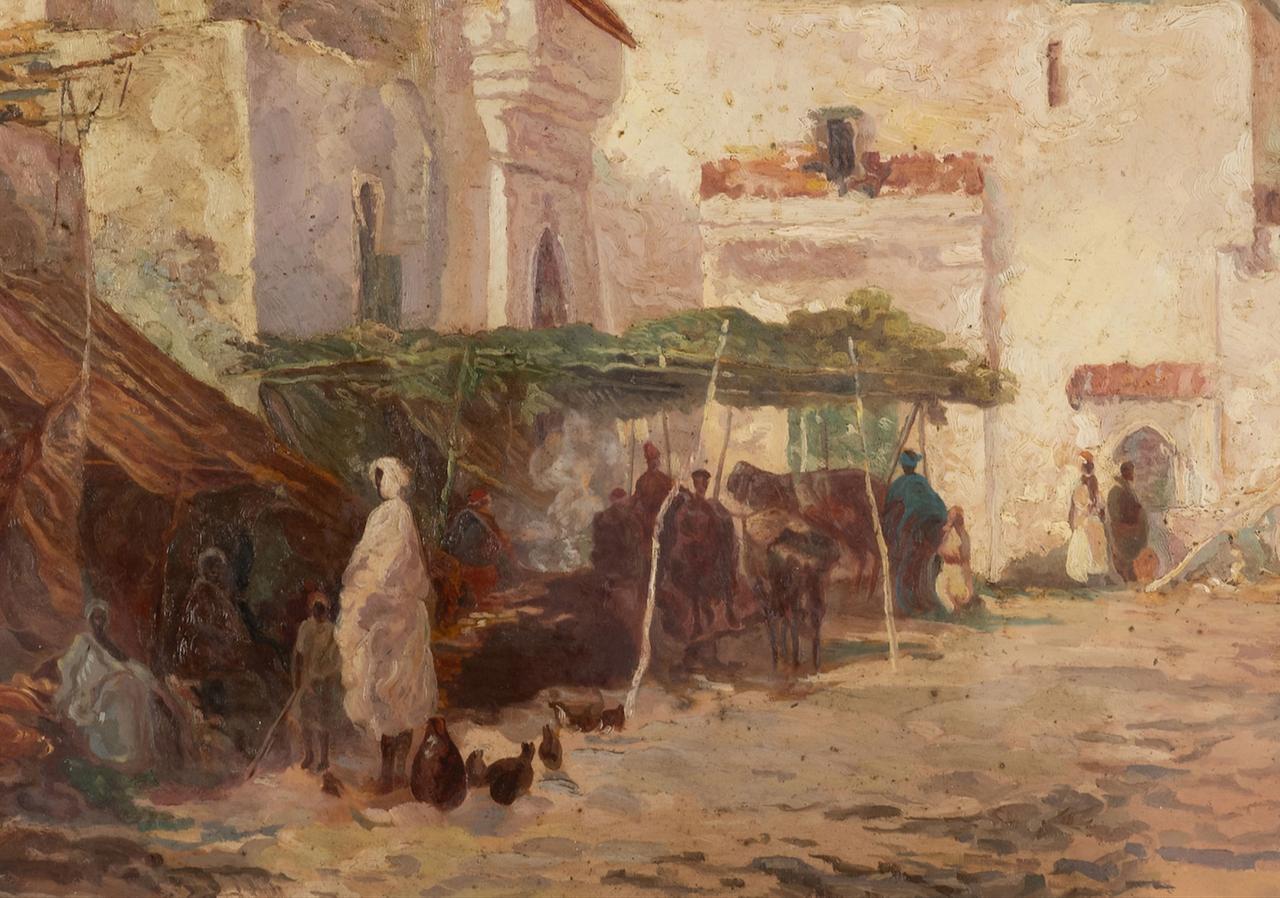
A rare painting by Ottoman artist and archaeologist Osman Hamdi Bey, featuring signatures in both Latin and Ottoman scripts, will go under the hammer for the first time at an Istanbul auction on Nov. 29.
The painting, titled "Domed Mosque in an Eastern Bazaar" (Sark Pazarinda Kubbeli Camii), dates back to the 1870s and will headline Arthill Museology's 51st Museum-Quality Artifacts Auction, which will bring together Turkish paintings, Ottoman palace objects, historical documents and private collection pieces.
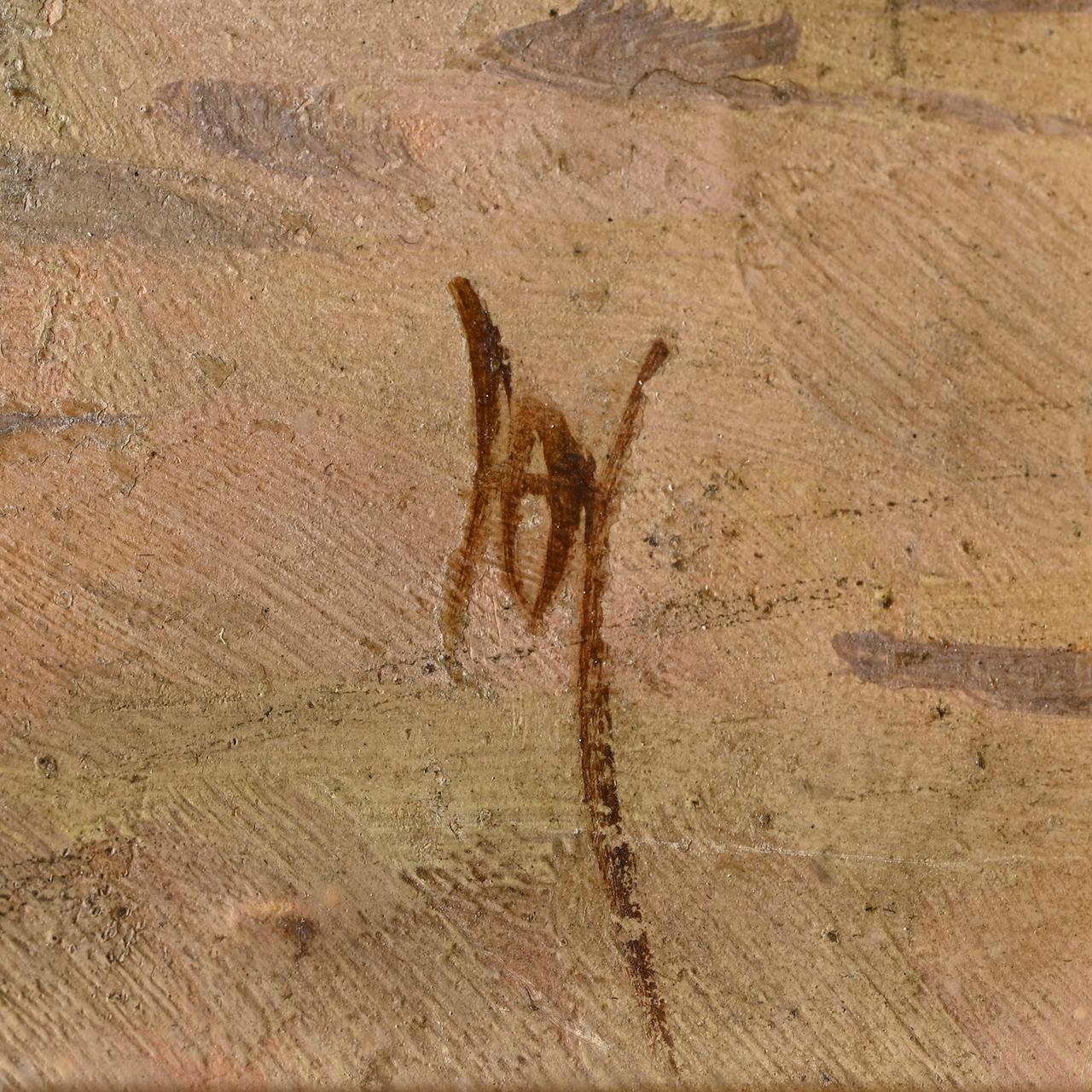
According to the auction house, the oil painting on cardboard measures 41.5 by 57.3 centimeters (16.3 by 22.6 inches) and carries two distinct signatures: the Latin-letter monogram "O.H." and the artist's name, "Hamdy," written in Ottoman script.
The work will be offered alongside expert examination documents, certification records and a laboratory analysis report from IACC in Paris.

Another significant item in the auction is Osman Hamdi Bey's personal seal, commissioned after he was appointed director of the Imperial Museum, known in Ottoman Turkish as the Muze-i Humayun, in 1881.
The official seal, manufactured in Lyon, France, bears the museum's name and reflects the period when Ottoman museum institutions were becoming formally established.
Osman Hamdi Bey's painting and seal will be presented alongside other objects connected to the Ottoman court and prominent figures in Türkiye's cultural and sporting history.
Among the historical objects going up for auction is a pocket watch presented to Ali Sami Yen, founding president of Galatasaray Sports Club, by fellow founding members to mark the club's 20th anniversary in 1925.
The watch features a gold "GS" emblem and an Ottoman-script dedication, while its dust cover carries historical wording describing the club's founding purpose.
The selection also includes a diamond-studded gold dagger made for Sultan Abdulhamid II and a Longines pocket watch bearing the gold monogram of Ottoman Grand Vizier Mehmed Talat Pasha. A grand vizier served as the empire's highest-ranking government official under the sultan.
Another unusual object is a six-dial skeleton clock displaying both the Hijri Islamic calendar and the Rumi calendar, a historical Ottoman dating system, through a single mechanism.
A three-page letter sent by Sultan Abdulmecid to French General Pelissier on June 28, 1855, will also be offered. The document carries the sultan's signature and a wax seal bearing his "tughra," the calligraphic emblem used by Ottoman rulers.
The collection further includes an 18th-century oil painting depicting the reception of a French ambassador at Istanbul's Topkapi Palace.
The auction will also feature works by prominent Turkish painters, including Ibrahim Calli's "Semazen," from his Mevlevi series depicting the whirling dervishes associated with the Sufi tradition, and Mubin Orhon's 1976 work "Abstract Composition."
Ottoman calligraphy will be represented by Kazasker Mustafa Izzet Efendi's "Besmele-i Serife," a work featuring the Islamic invocation traditionally translated as "In the name of God, the Most Gracious, the Most Merciful."
Other objects include a calligraphy desk bearing Sultan Abdulhamid II's tughra and a silver inkwell bearing the imperial emblem of Sultan Mahmud I.
 1 min read
Arthill Museology's 51st Museum-Quality Artifacts Auction will take place on Nov. 29 at 3 p.m. local time, with participation available in person and online.
The auction house stated that it has not accepted participation from abroad since 1918, maintaining a policy centered on preserving cultural heritage objects within Türkiye.
The 143 lots, or individual items and groups of items offered for sale, can be viewed at Arthill Gallery daily between noon and 6 p.m. until the auction.
Prospective buyers can also examine the online catalog and submit advance bids through the auction house's website.


 Set as preferred source
 Set as preferred source




 1 min read