Newsletters




Gaziantep Archaeology Museum is preparing to reopen in June after strengthening and restoration work was completed following damage caused by the Feb. 6, 2023 Kahramanmaras-centered earthquakes, with 327 artifacts set to be displayed for the first time.
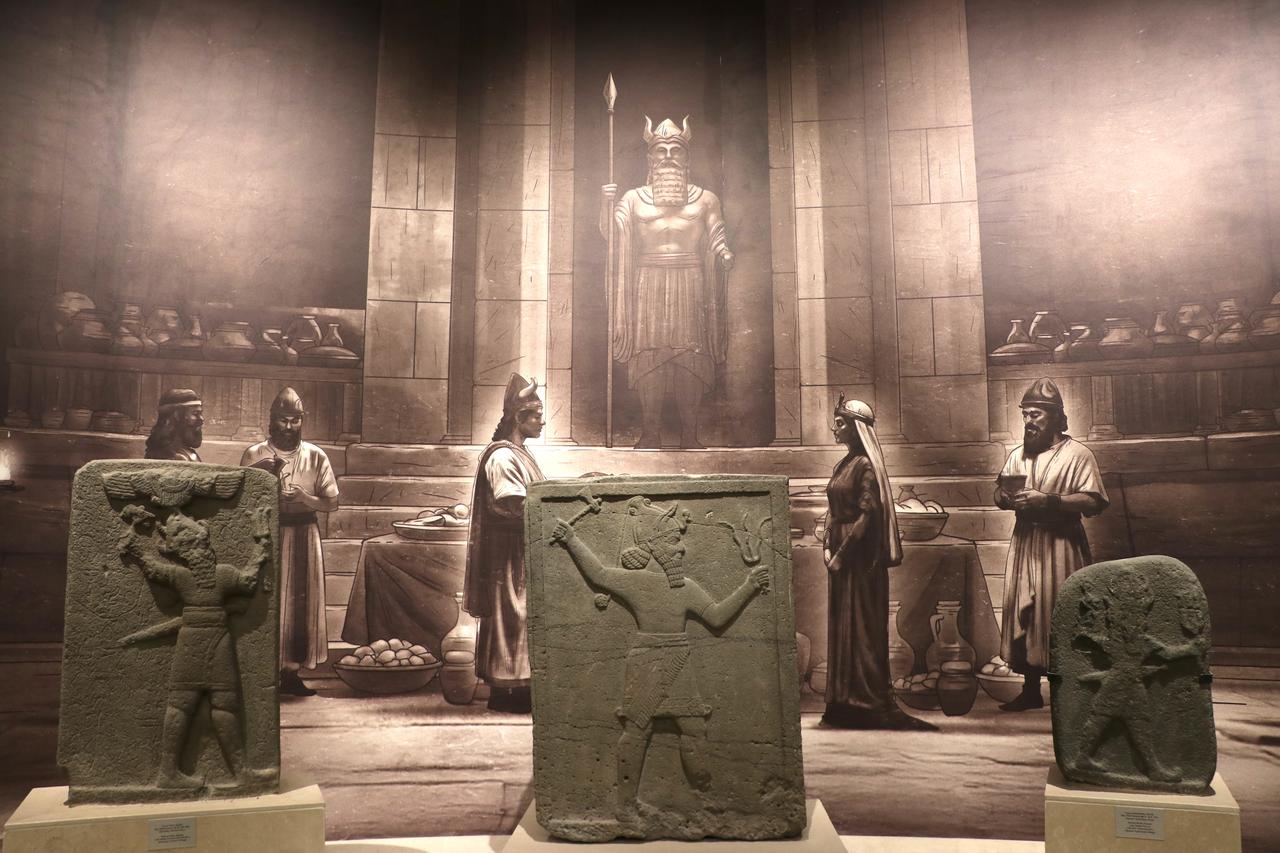
The museum, restored by Türkiye’s Ministry of Culture and Tourism, will bring together works from a wide chronological range, including the Geological, Paleolithic, Neolithic, Chalcolithic, Bronze Age, Hittite, Persian, Greek, Roman, Islamic and Ottoman periods.
Among the highlights will be remains belonging to the extinct Maras Elephant, as well as rare finds connected to ancient military life, regional trade and belief systems.

Gaziantep Museum Director Ozgur Comak said some sections of the museum suffered moderate damage during the earthquakes, adding that strengthening work had now been completed and a renewed exhibition design had been put in place.
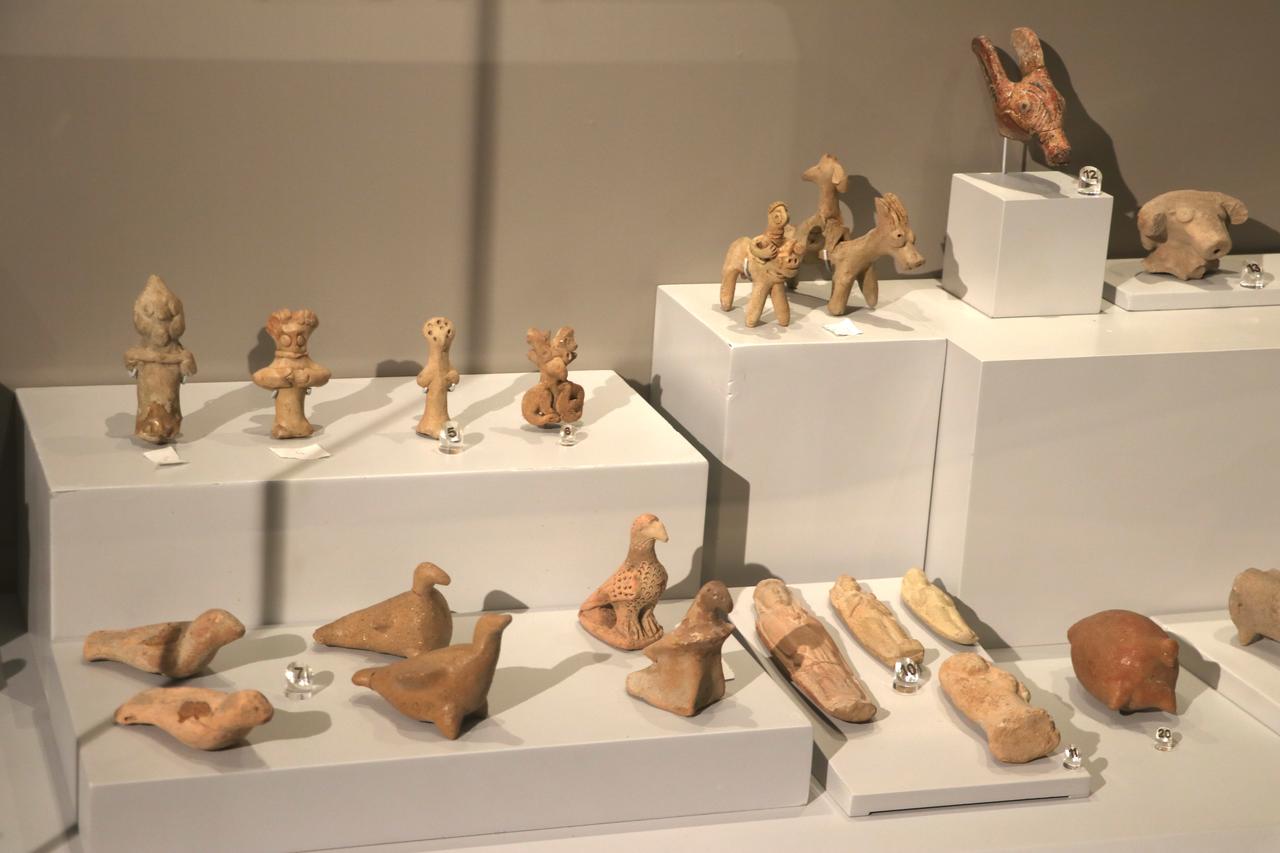
The museum will display a total of 3,235 artifacts, including works placed in the garden and open exhibition areas inside the building. The renewed presentation will include 102 display cases, with 327 objects appearing before visitors for the first time.
Comak said the museum would present its collection in chronological order, allowing visitors to follow the cultural history of the region through different periods.
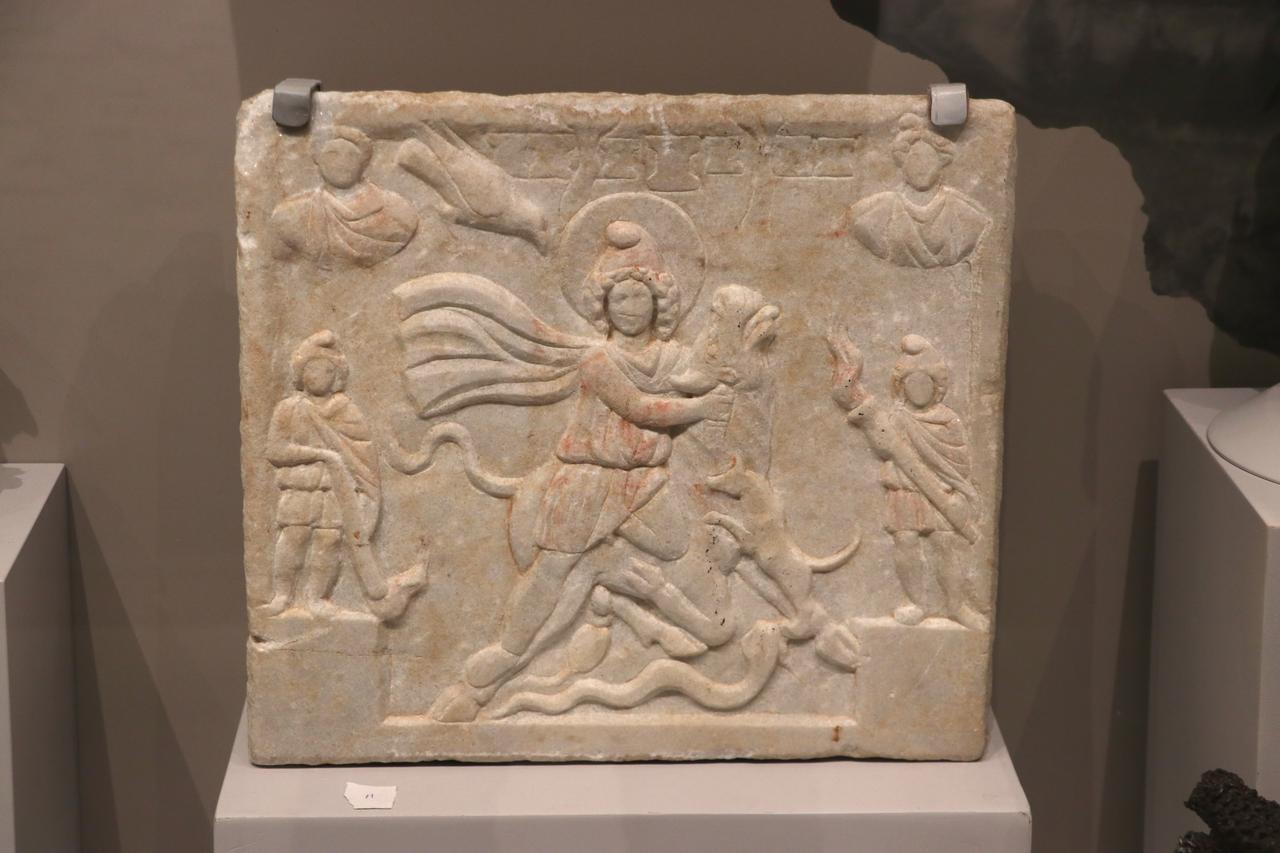
One of the most important pieces to be shown for the first time is a marble relief depicting Mithras, a deity associated with a mystery cult practiced in parts of the Roman world.
“Among the artifacts to be displayed for the first time is the Mithras relief. This is a very important work for us,” Comak said.
He said the relief was the only archaeological evidence found so far in Zeugma related to the Mithras belief. It was discovered in the military legion settlement area, known as the hippodrome area, where a legion camp was located.
The well-preserved marble relief, dated to the second century A.D., will be exhibited alongside objects linked to military life in Zeugma.
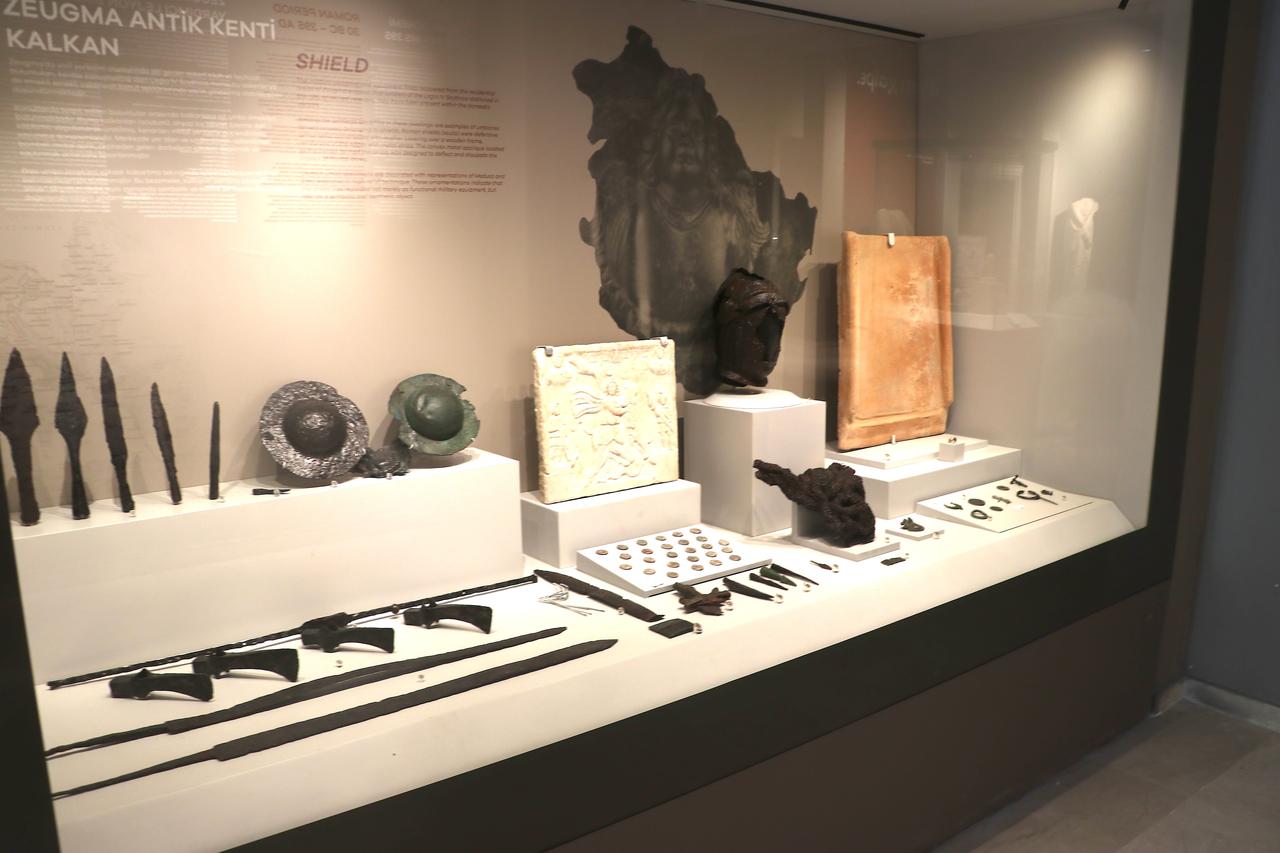
The museum will also display items connected to the Fourth Scythian Legion stationed in Zeugma, including helmets, armor, tools and equipment used by soldiers in warfare.
Comak said these works would be shown in an important display case together with the Mithras relief, offering visitors a closer look at the military presence in the ancient city.
Another notable object is a terracotta flask uncovered during 2017 excavations at the ancient city of Karkamish. The flask, dated to the Middle Bronze Age and around 3,700 years old, carries a smiling face described as resembling an emoji.
The artifact will be displayed in the Karkamis Hall as part of the museum’s renewed exhibition.
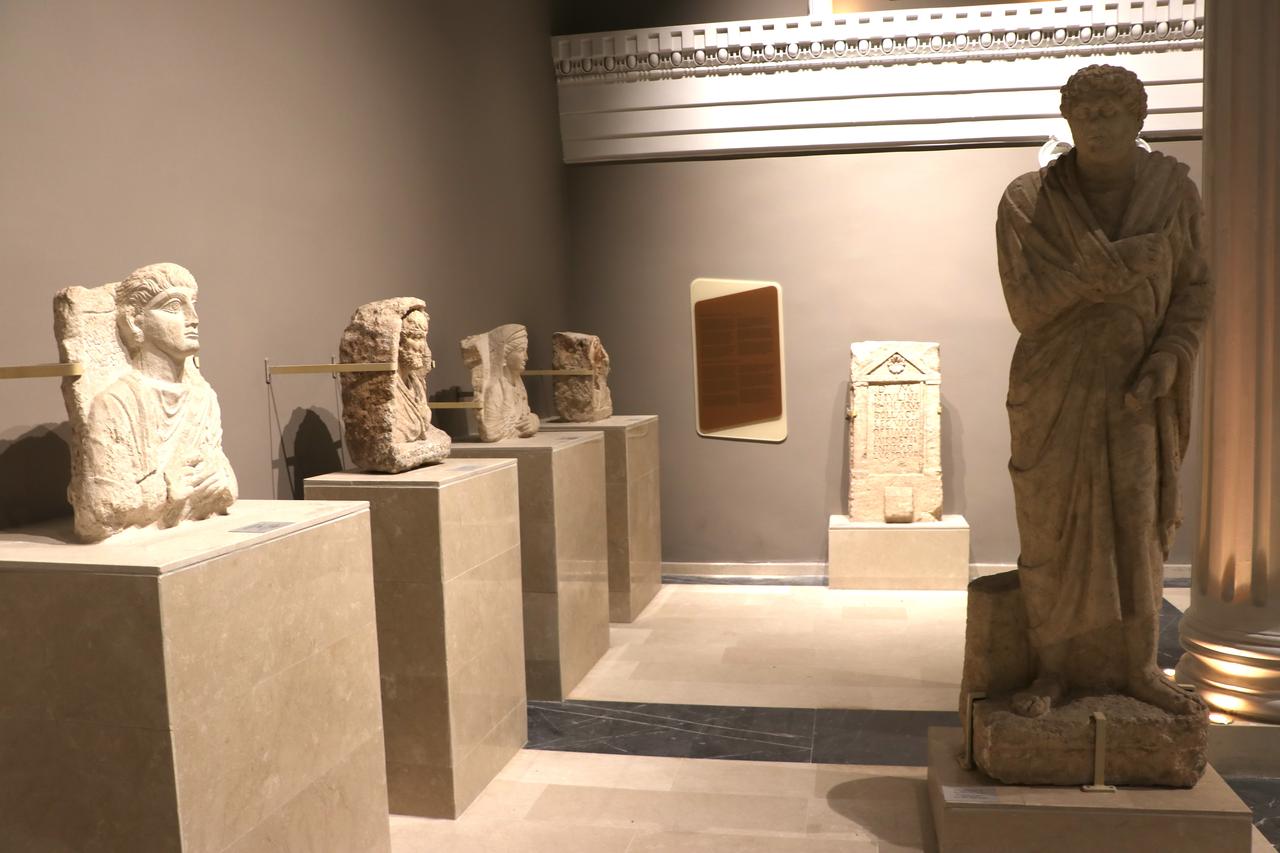
Comak said exhibition arrangement work was almost complete and invited museum visitors to attend the upcoming reopening.
With its restored building and newly displayed artifacts, Gaziantep Archaeology Museum is set to return as one of the city’s key cultural institutions after the earthquake damage.


 Set as preferred source
 Set as preferred source


 3 min read