Newsletters


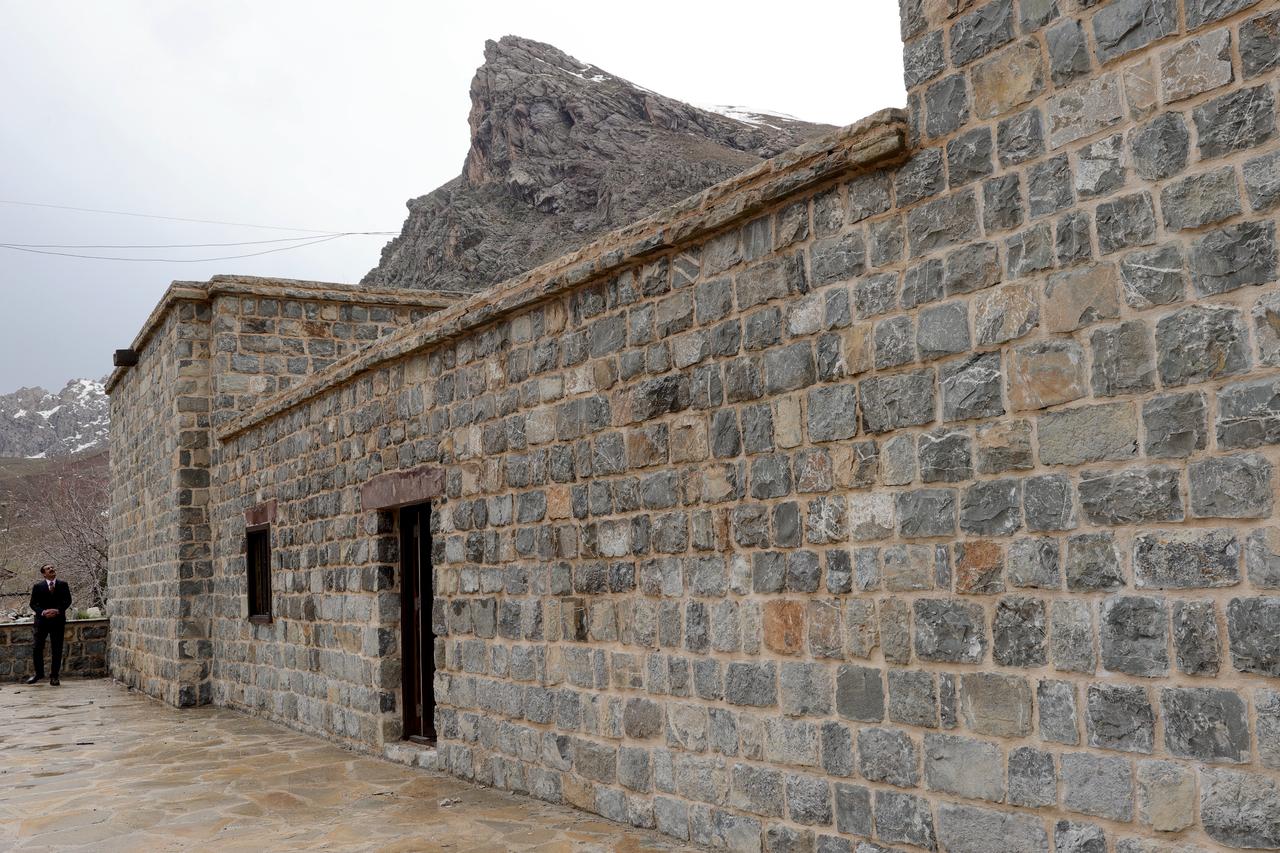


A 466-year-old Ottoman madrasa in southeastern Türkiye has been brought back to life through restoration, with plans now in place to turn the site into an archaeology museum and strengthen the city’s cultural tourism offer.
The Zeynel Bey Madrasa, originally commissioned in 1560 by Hakkari ruler Zeynel Bey, had largely fallen into ruin over time until its remains were identified during surface surveys in 1998. Excavation and cleaning work carried out in 2005 brought the structure back into view, laying the groundwork for a full restoration.
Located in the Bicer neighborhood near the city center, the madrasa, an Islamic educational institution, was historically used as a place of learning after its construction.
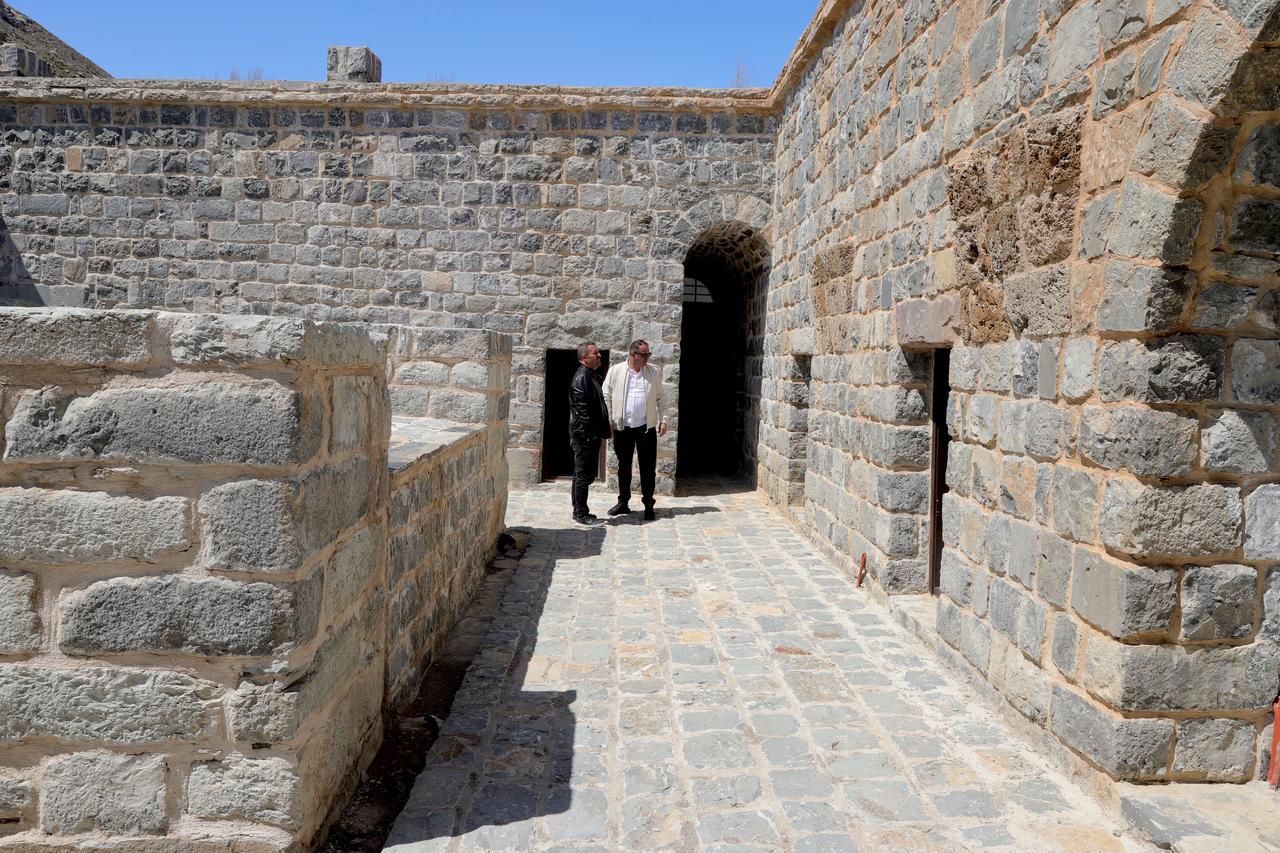

The restored complex reflects its original layout, built entirely of stone and organized around a central courtyard. Surrounding this courtyard are eight rooms and an iwan, a vaulted space open on one side facing the courtyard, commonly found in traditional Islamic architecture and used for teaching or gathering.
The site also contains the tomb of Zeynel Bey, who, according to local officials, died during an Ottoman-Safavid conflict in Iran and was buried in the madrasa’s courtyard.
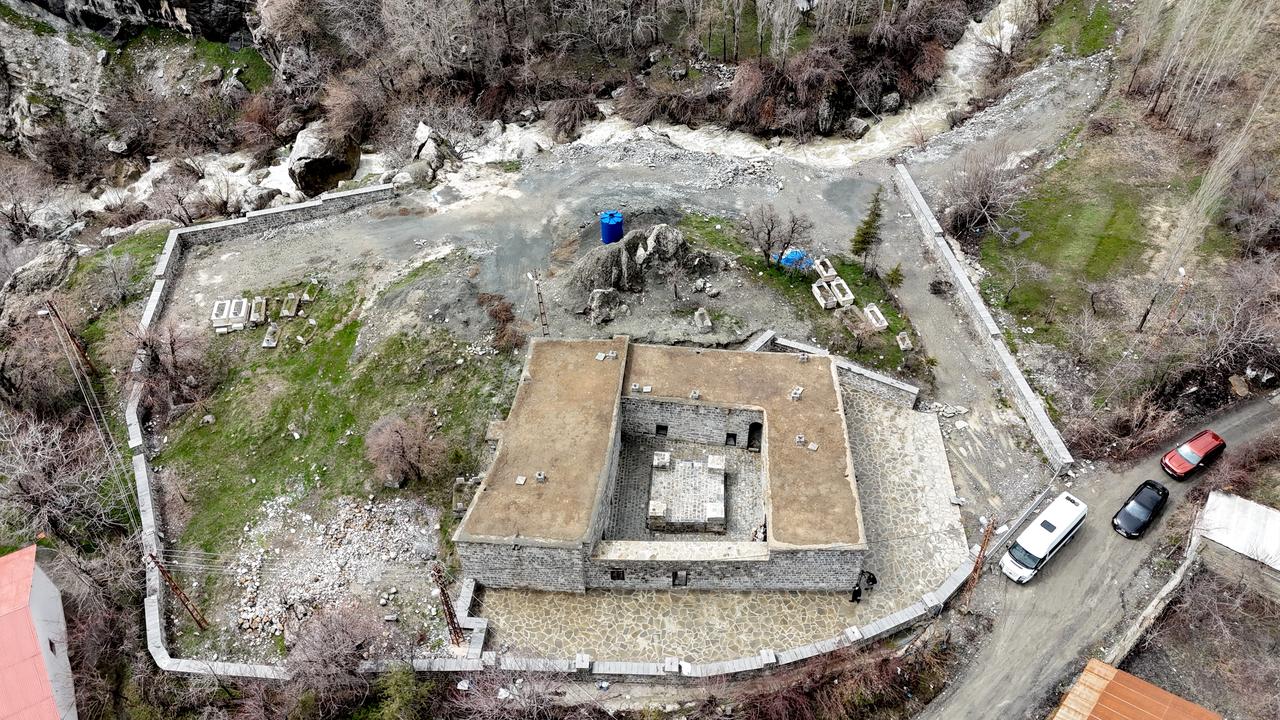
Authorities now aim to convert the restored madrasa into an archaeology museum, addressing the absence of such an institution in the city. The exhibition and display project has been included in the 2026 national investment program.
Hakkari’s provincial culture and tourism director, Idris Agacanoglu, said the restoration was completed at the end of last year after being added to the presidential investment program and carried out with support from the Ministry of Culture and Tourism, the governor’s office, and local administration.
He noted that transforming the madrasa into a museum is expected to help pass cultural heritage on to future generations while also drawing more visitors to the region. He also pointed out that around 15 historical structures have been restored in the city over the past decade, forming part of a broader cultural route that includes landmarks such as Mir Castle, Meydan Madrasa, Kizil Kumbet cemetery and lodge, and Melik Esat Mosque.
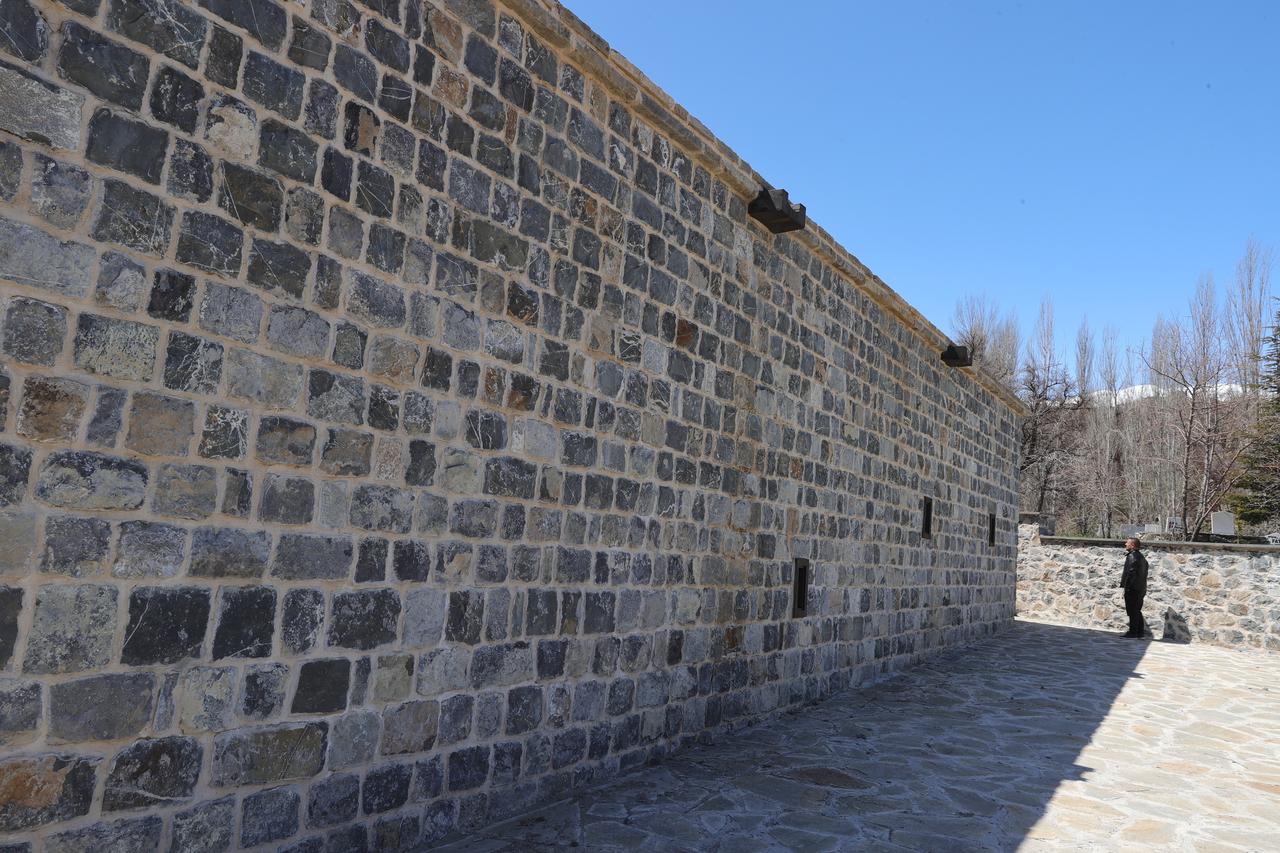
Officials emphasized that the presence of multiple madrasas in the same area once supported the training of students, scholars, and state officials, underlining Hakkari’s historical role as a center of learning.
With its courtyard-based layout and preserved architectural features, Zeynel Bey Madrasa is now expected to stand out as a key stop on the city’s evolving heritage route once its museum conversion is completed.


 Set as preferred source
 Set as preferred source


 3 min read