Newsletters


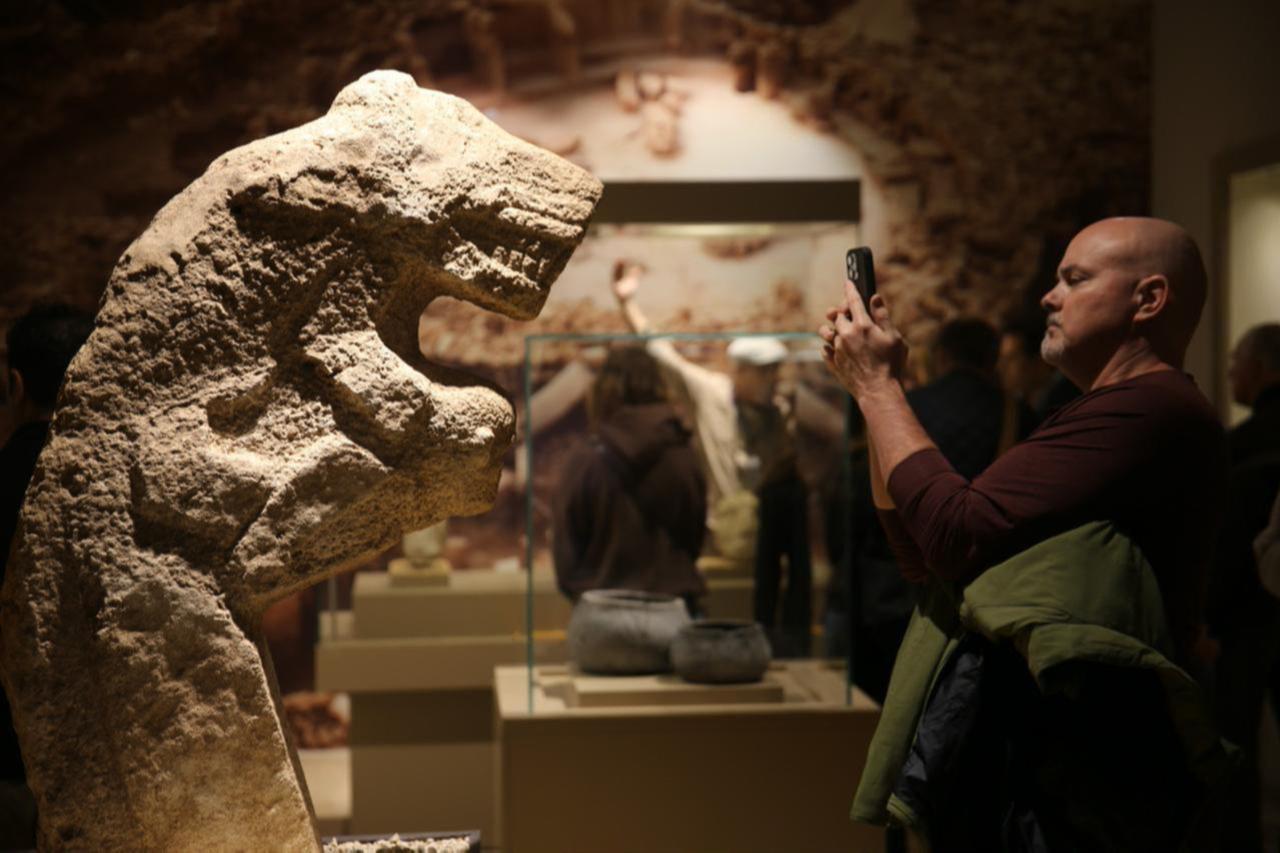


Türkiye’s nationwide Culture Route Festival has opened its 2026 program in Sanliurfa, positioning the southeastern city at the center of a cultural initiative that combines heritage, tourism, and economic strategy.
The opening ceremony took place at the Sanliurfa Museum, marking the first stop of a festival series that will expand across 26 cities. Officials framed the event not only as a cultural program but as part of a broader effort to reshape how cities are presented to both domestic and international audiences.
Deputy Culture and Tourism Minister Nadir Alpaslan described the initiative as a development model, stating that the festivals aim to “increase the brand value of cities, make cultural heritage visible, and transform culture into economic value.”
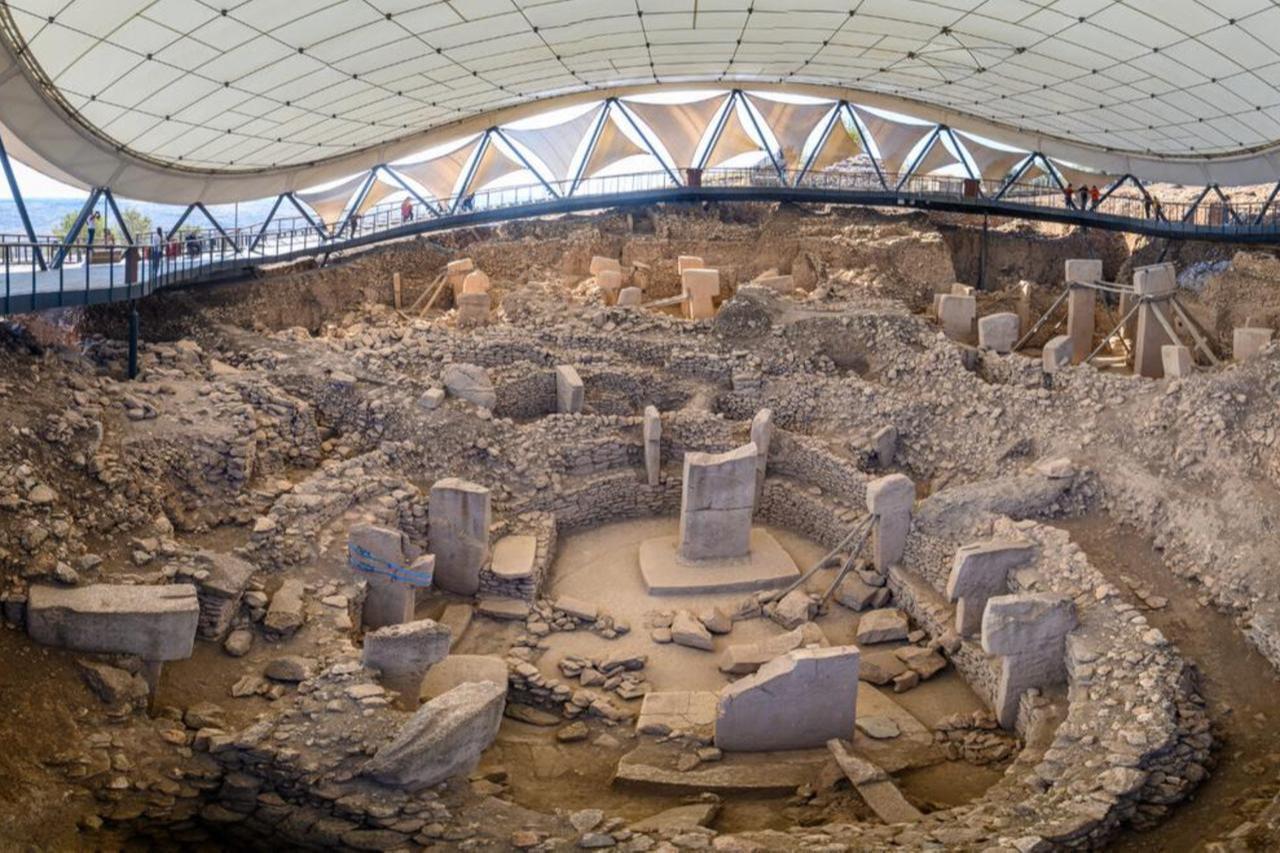
He emphasized Sanliurfa’s historical significance, referring to it as “the place where the story of humanity began,” and pointed to archaeological sites such as Gobeklitepe and Karahantepe as central to that narrative.
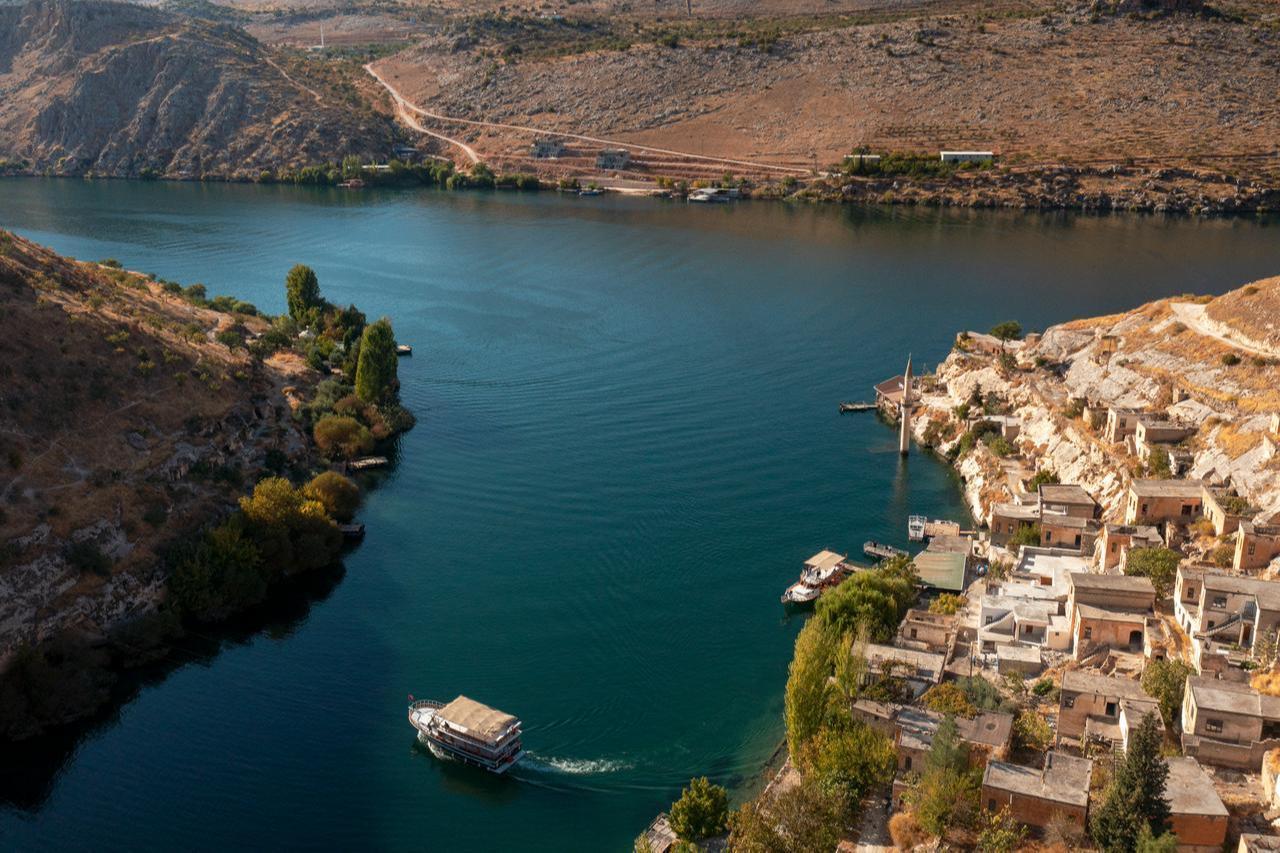

Officials repeatedly linked the festival to tourism growth and international visibility, highlighting recent investments in museums, restoration projects, and archaeological research.
According to Alpaslan, more than 800,000 visitors traveled to Gobeklitepe in 2025 alone, which he presented as evidence of growing global interest in the region.
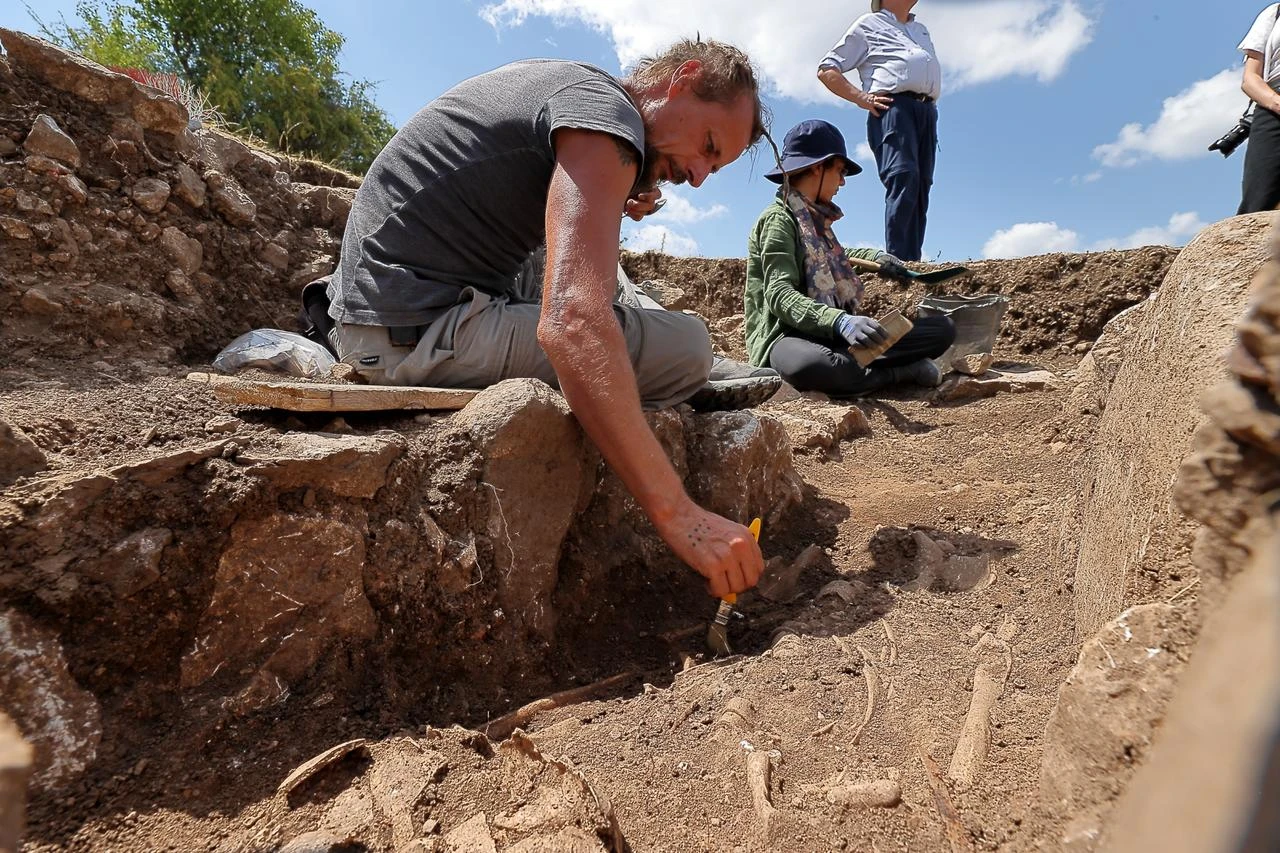
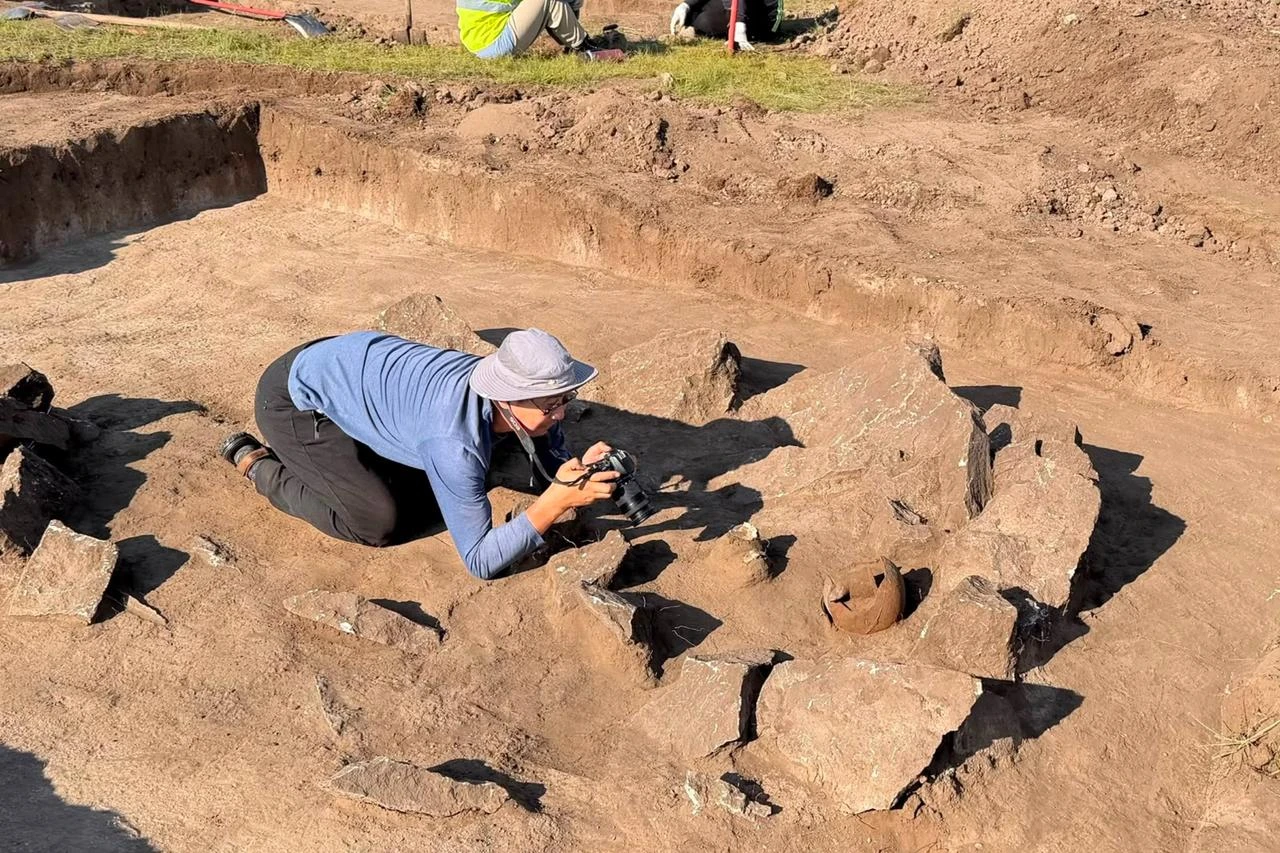
He also underlined the role of the "Tas Tepeler" project, where ongoing excavations across 11 sites continue to reshape understanding of the Neolithic period.
“These lands are not only the center of the past, but also of the future,” he said, adding that international exhibitions in cities such as Rome and Berlin have helped carry Sanliurfa onto the global stage.
Sanliurfa Governor Hasan Sildak focused more directly on tourism positioning, stating that the city’s primary responsibility is to integrate itself into the tourism market through stronger presentation and infrastructure.
“Our biggest responsibility is to ensure that Sanliurfa is included in the tourism market with a strong presentation,” he said, pointing to recent improvements in accommodation capacity and service quality.
The festival will run until May 3 and includes a wide-ranging program designed to combine historical narrative with contemporary cultural production.
Organizers plan 159 events across 21 venues, covering exhibitions, workshops, performances, and outdoor activities.
Key elements of the program include:
Outdoor activities, including guided walks, cycling tours, and photography events, extend the program beyond museum spaces, while a dedicated children’s area offers interactive workshops and performances.
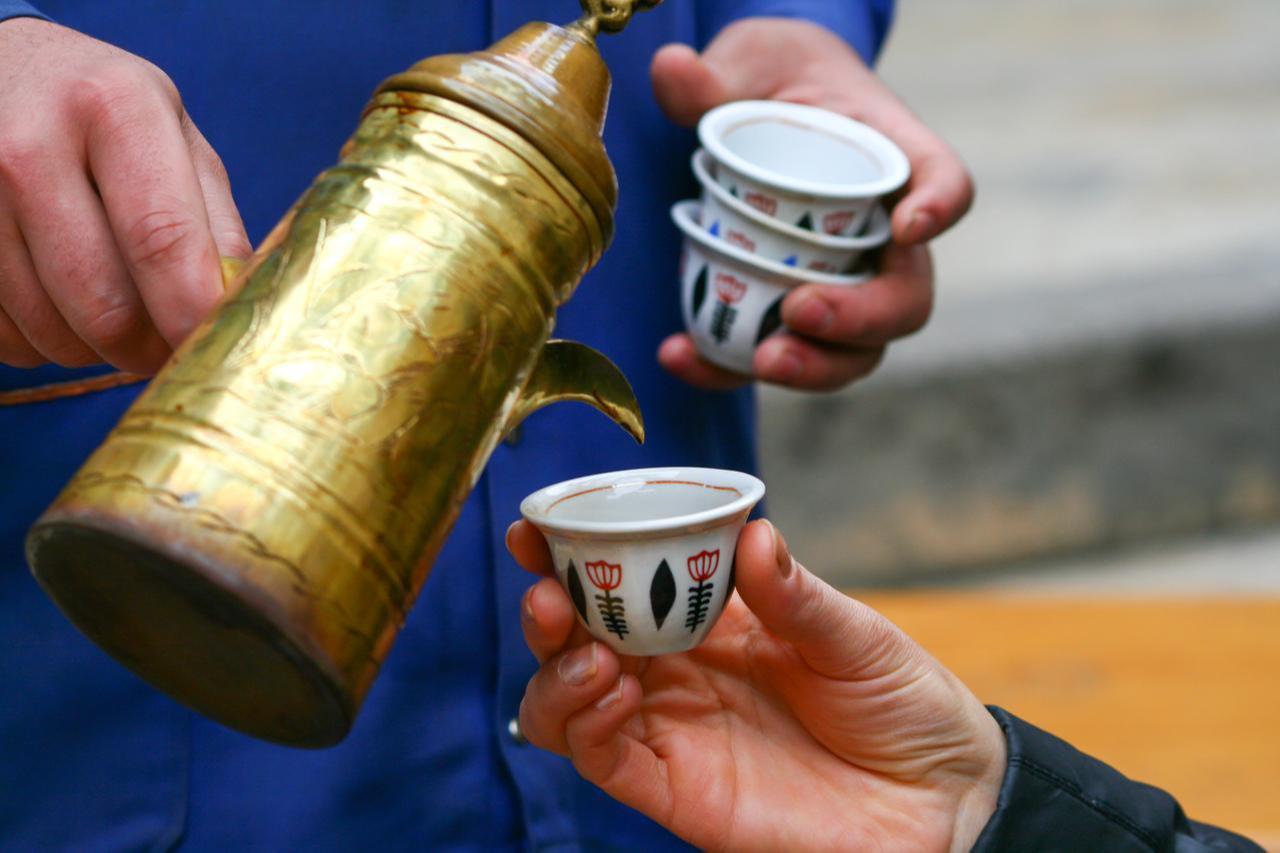
Food remains a central component of the festival through the “Lezzet Noktasi” (Taste Points) project, which maps out a curated route across 33 selected restaurants in the city.
The initiative allows visitors to experience Sanliurfa’s culinary traditions directly, with selections determined by a board of chefs and gastronomy experts.
Officials and organizers present the program as an attempt to integrate cultural heritage, everyday life, and tourism consumption into a single framework, where visitors are not only spectators but participants.
As the first stop of the 2026 festival calendar, Sanliurfa is expected to set the tone for how the Culture Route model will be applied across other cities in the coming months.


 Set as preferred source
 Set as preferred source


 3 min read