

 Newsletters


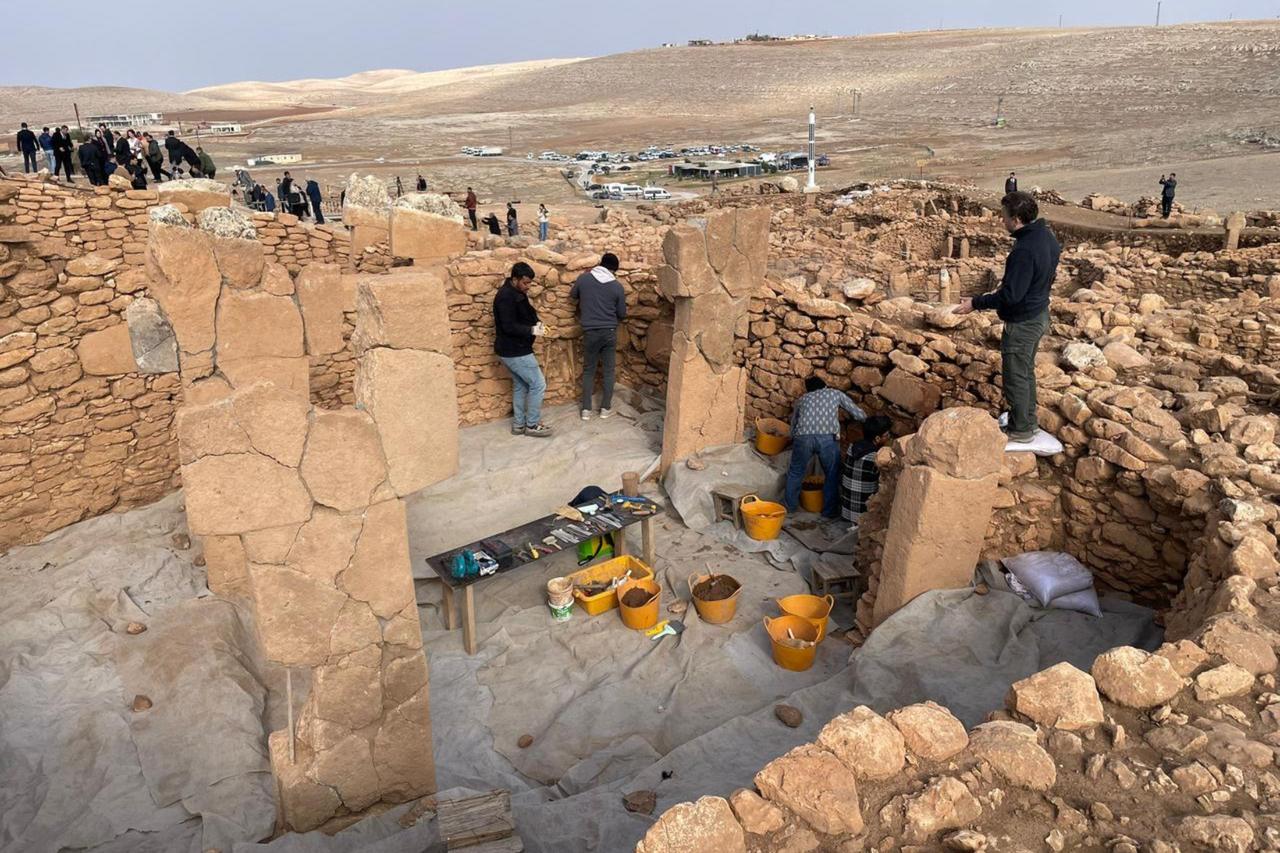


A cluster of 12 active excavation sites across a roughly 100-square-kilometer zone in Sanliurfa is being used to piece together new details about the Neolithic period, the era when communities began to settle down and shift toward producing food.
The work is being carried out under the Tas Tepeler (Stone Mounds) project, described as one of the most extensive archaeology programs in the history of the Republic of Türkiye, and researchers say the scale of simultaneous digging is allowing exceptionally well-preserved architecture and finds to be brought to light.
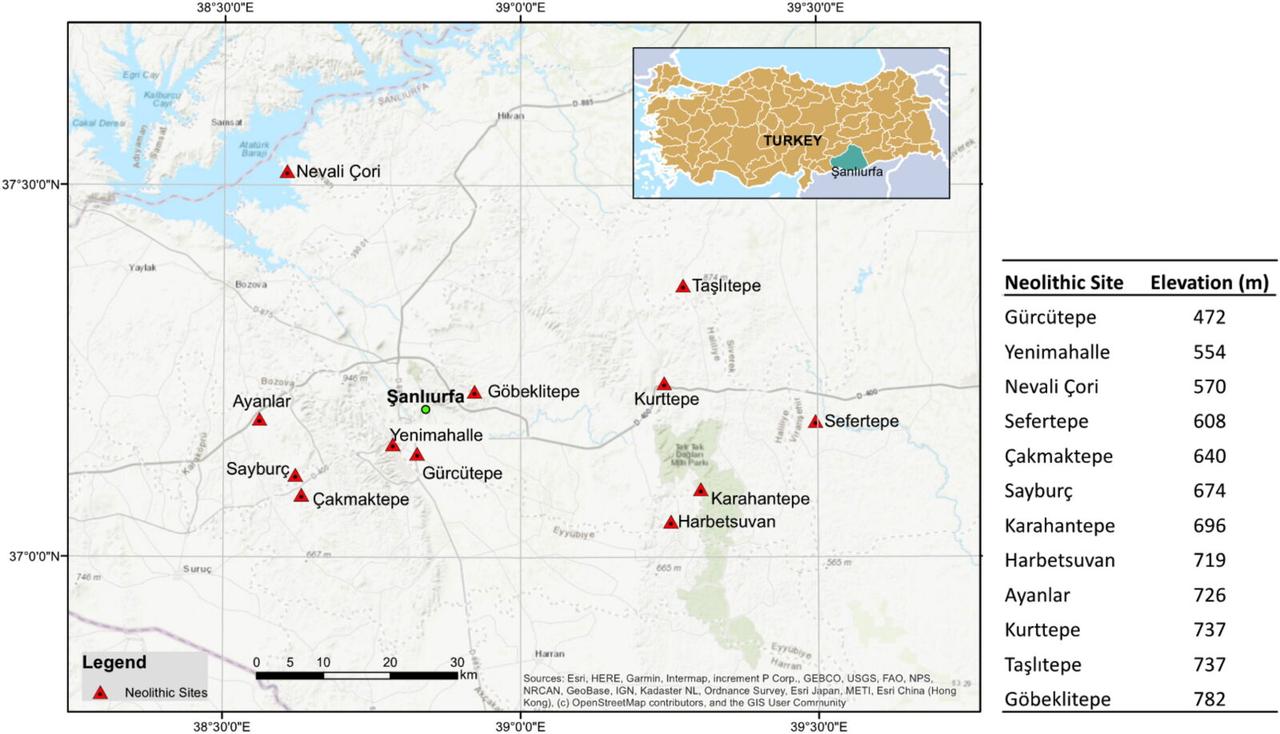

The Tas Tepeler Project has been running for five years in Sanliurfa, where archaeologists are working at Gobeklitepe—a UNESCO World Heritage site often referred to as the “zero point of history”—alongside 11 other excavation areas: Karahantepe, Cakmaktepe, Sayburc, Ayanlar, Sefertepe, Gurcutepe, Harbetsuvan, Yeni Mahalle, Kurt Tepesi, Mendik, and Yogunburc.
According to the information shared, the excavations are being conducted under the coordination of the Ministry of Culture and Tourism, with participation led by 36 professors from the United Kingdom, Germany, and Japan, and a total of 219 academics working across the sites to help illuminate early human history.
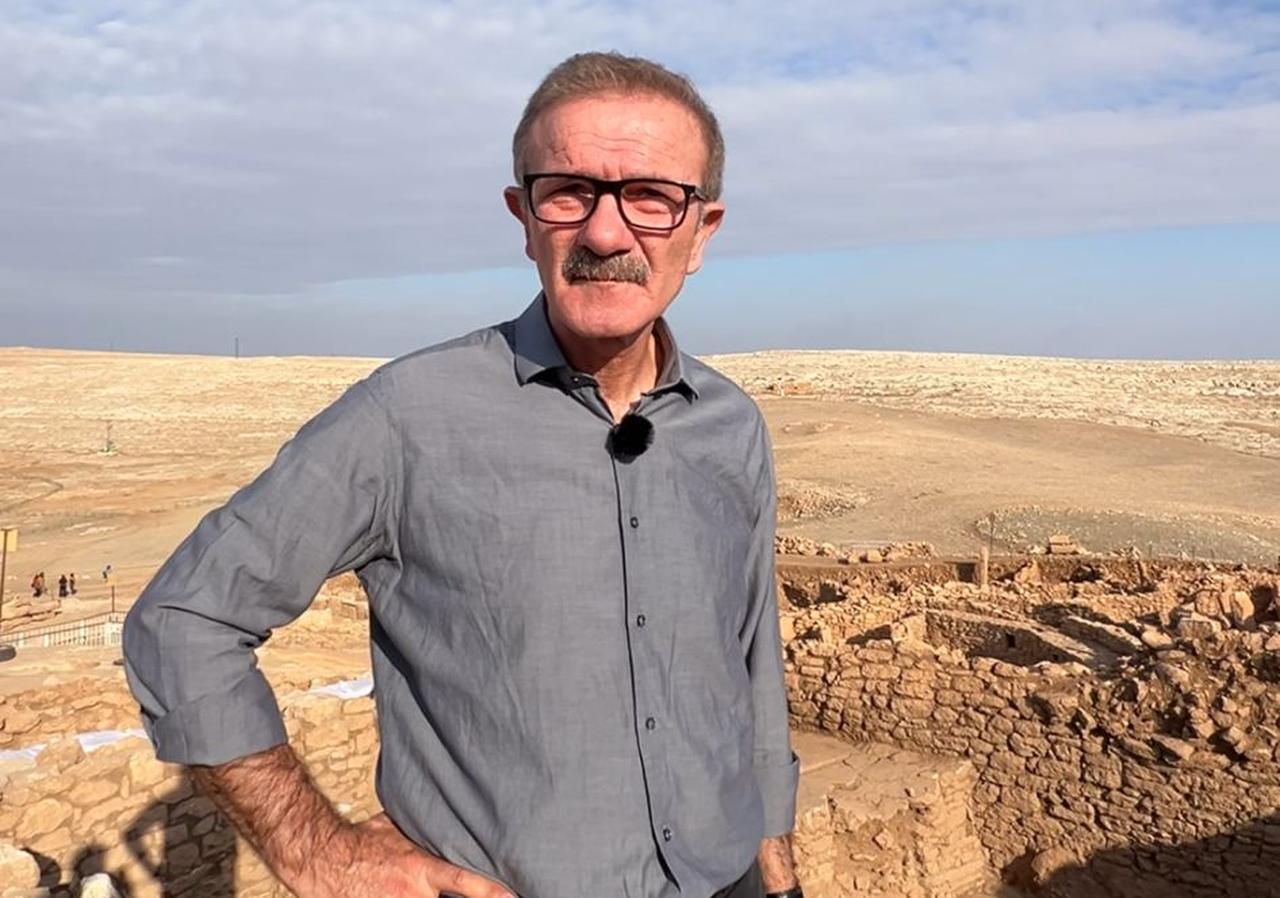
Tas Tepeler Project Coordinator Professor Necmi Karul said the project has been followed closely by interested circles worldwide and argued it has strengthened Türkiye’s capacity for international collaboration in archaeology, while also underlining what he described as the global significance of the region’s contribution to human history.
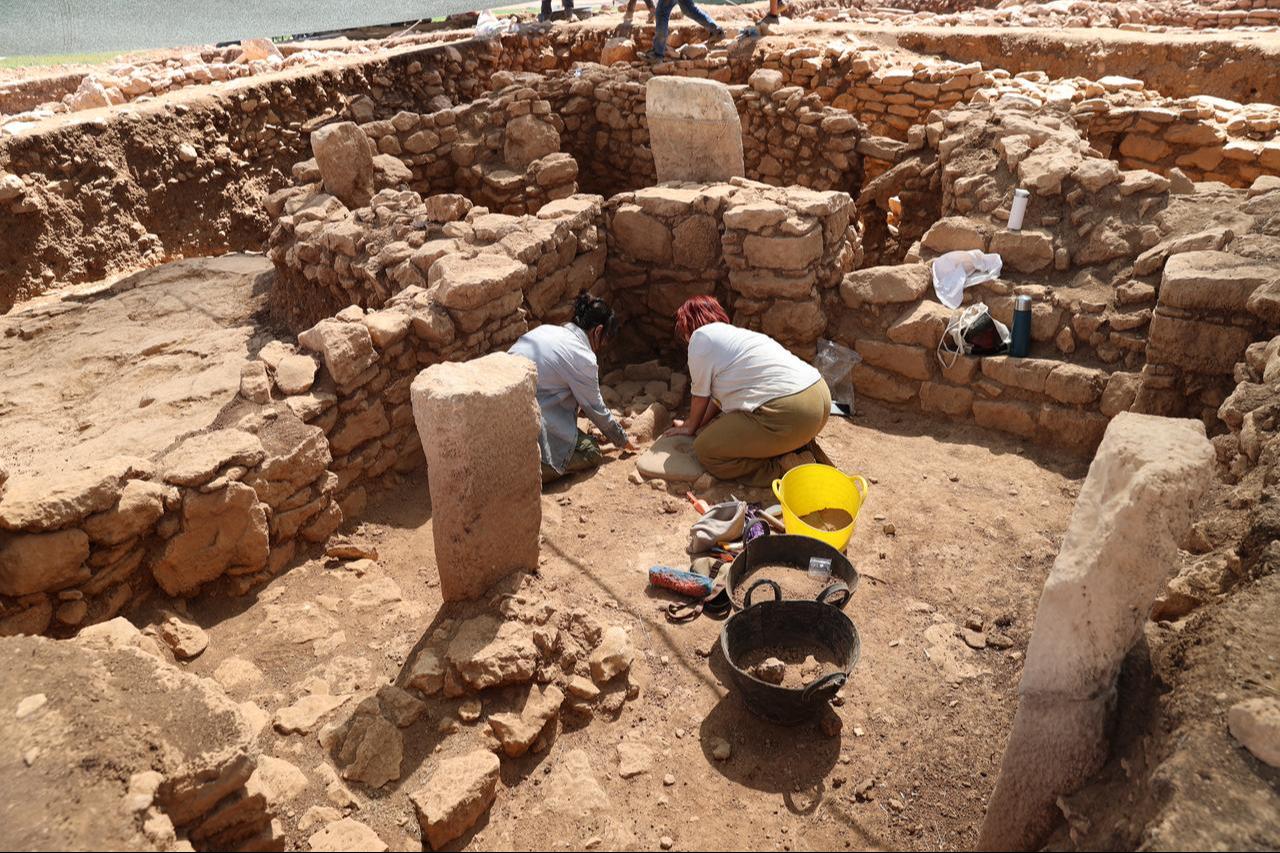
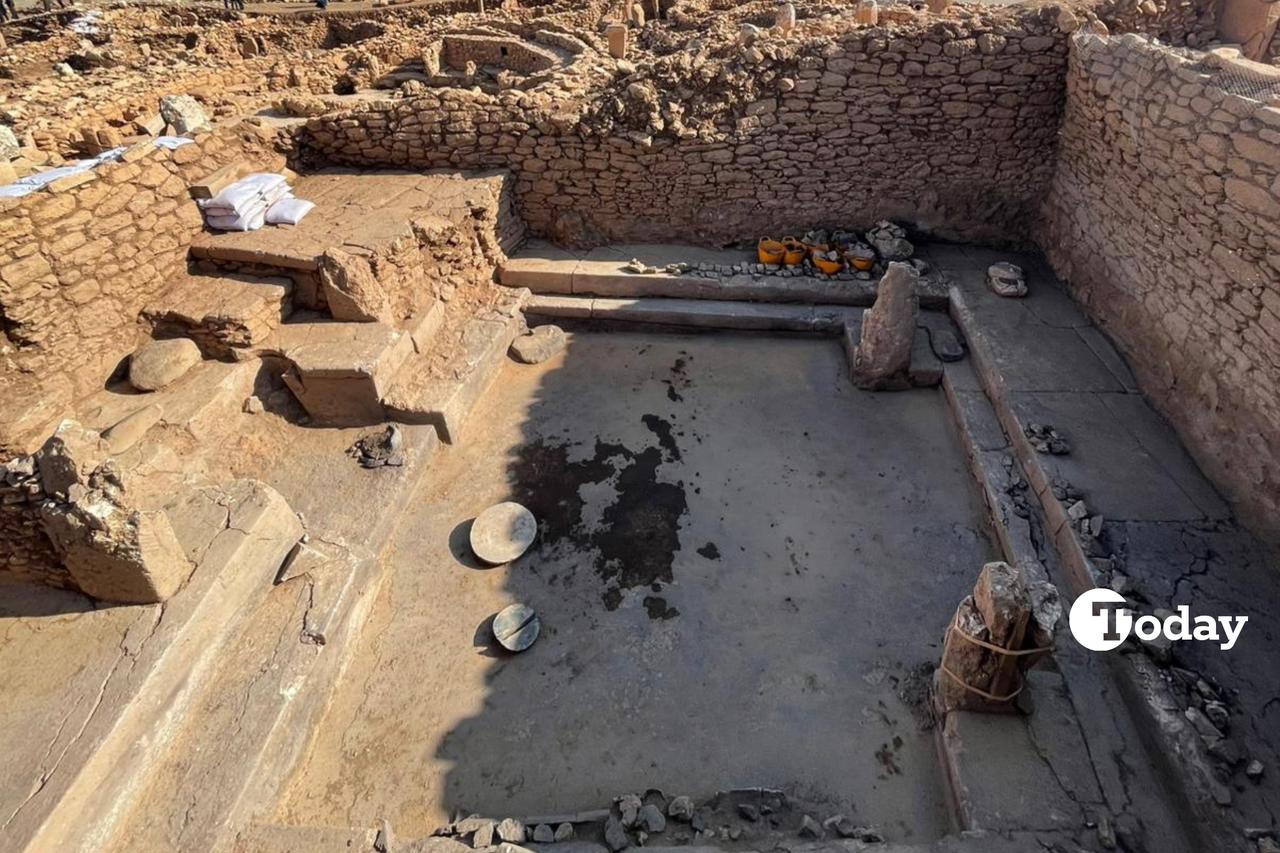
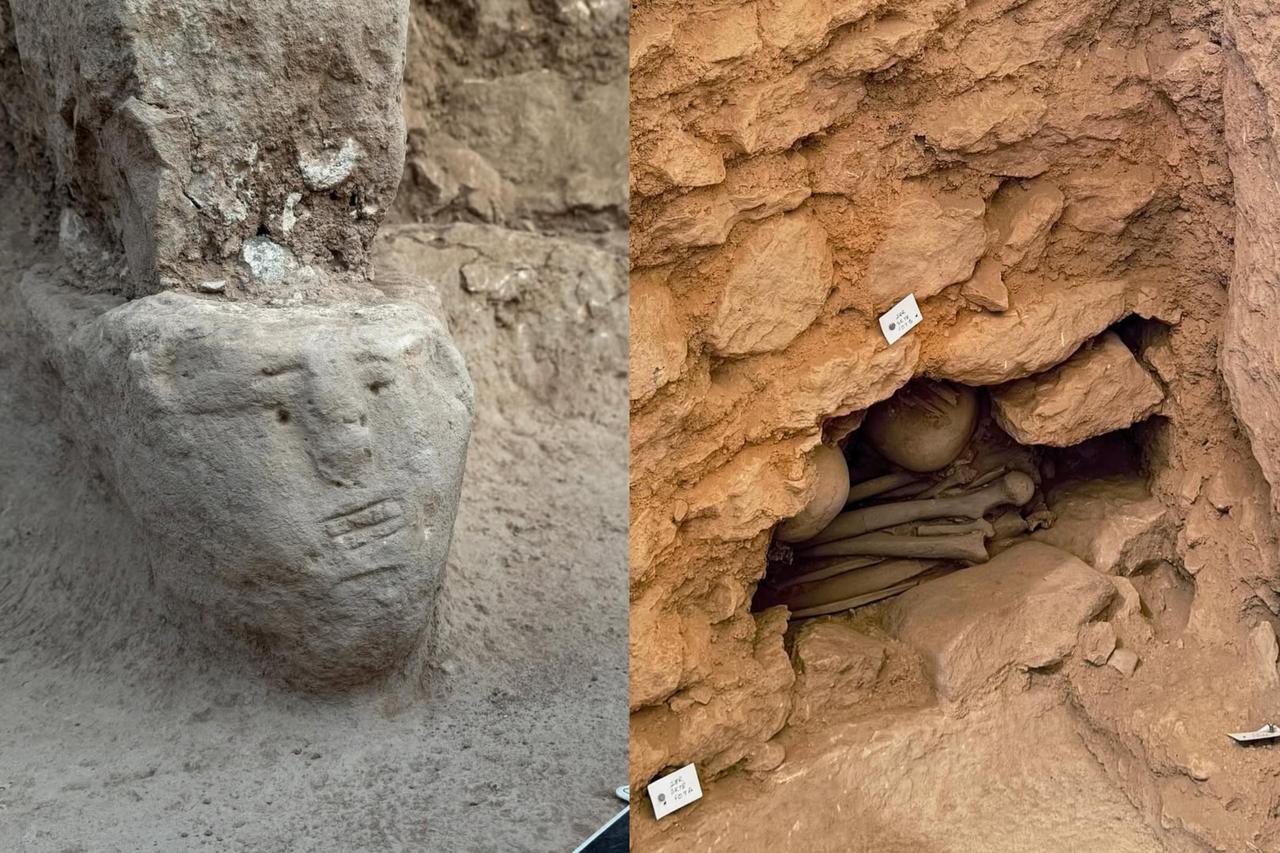
Karul emphasized that the most striking aspect is the ability to open up multiple settlements and structural remains at the same time, describing the results as unusually informative for understanding the Neolithic period and noting that well-preserved buildings are being revealed.
“Excavating many settlements at the same time and uncovering many structural remains simultaneously is extremely impressive and informative for the Neolithic period; very well-preserved structures are emerging,” he said.
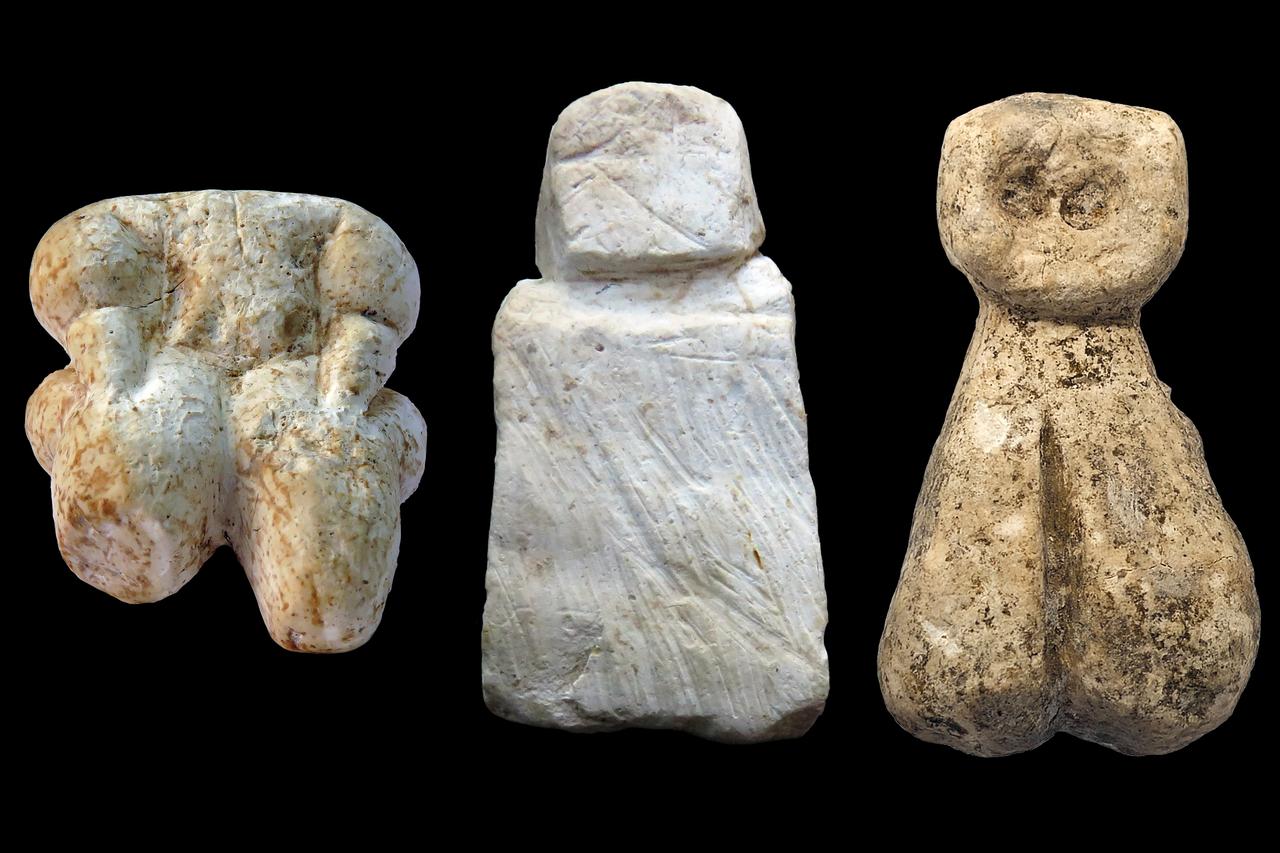
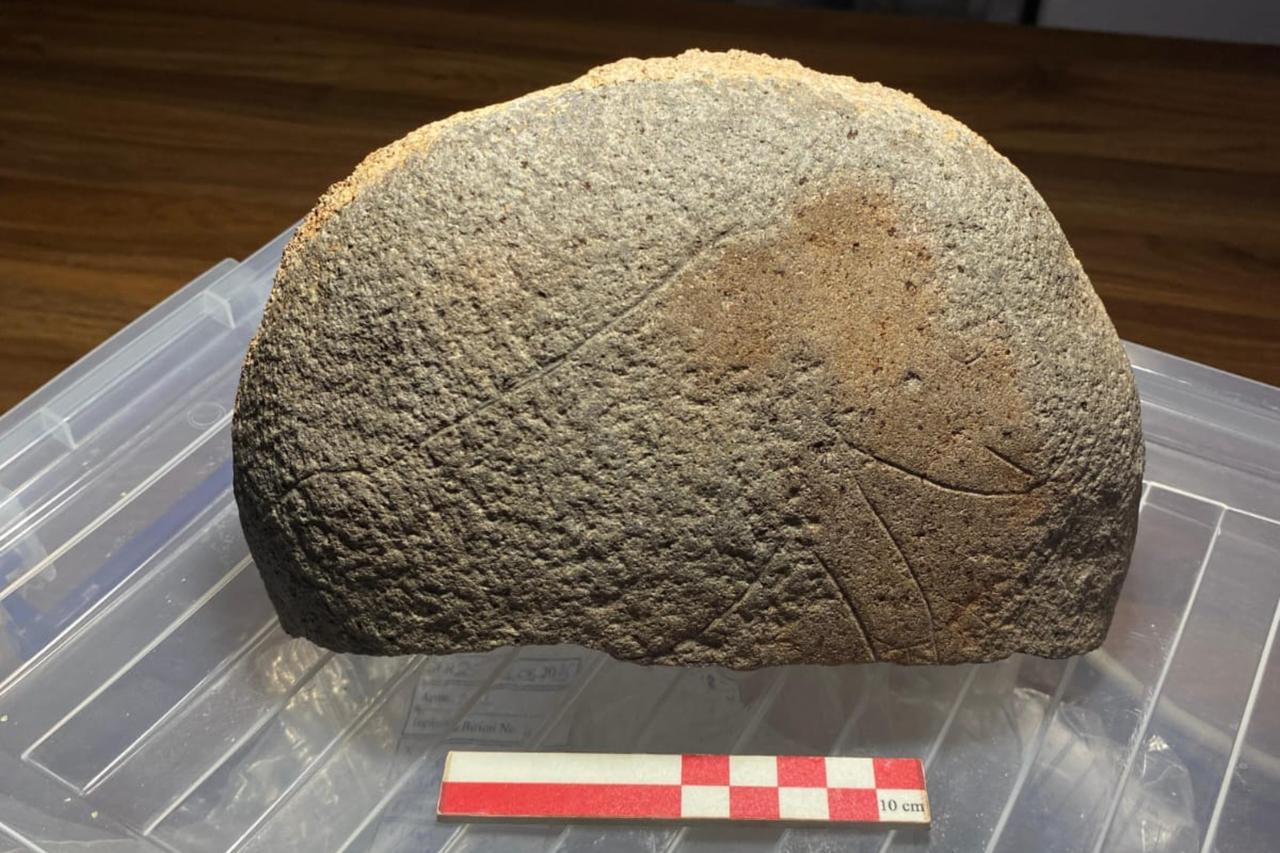
He also indicated that some artifacts have already begun to be displayed in a museum, saying this has helped bring visitors closer to prehistoric people while also drawing archaeology enthusiasts closer to Sanliurfa.
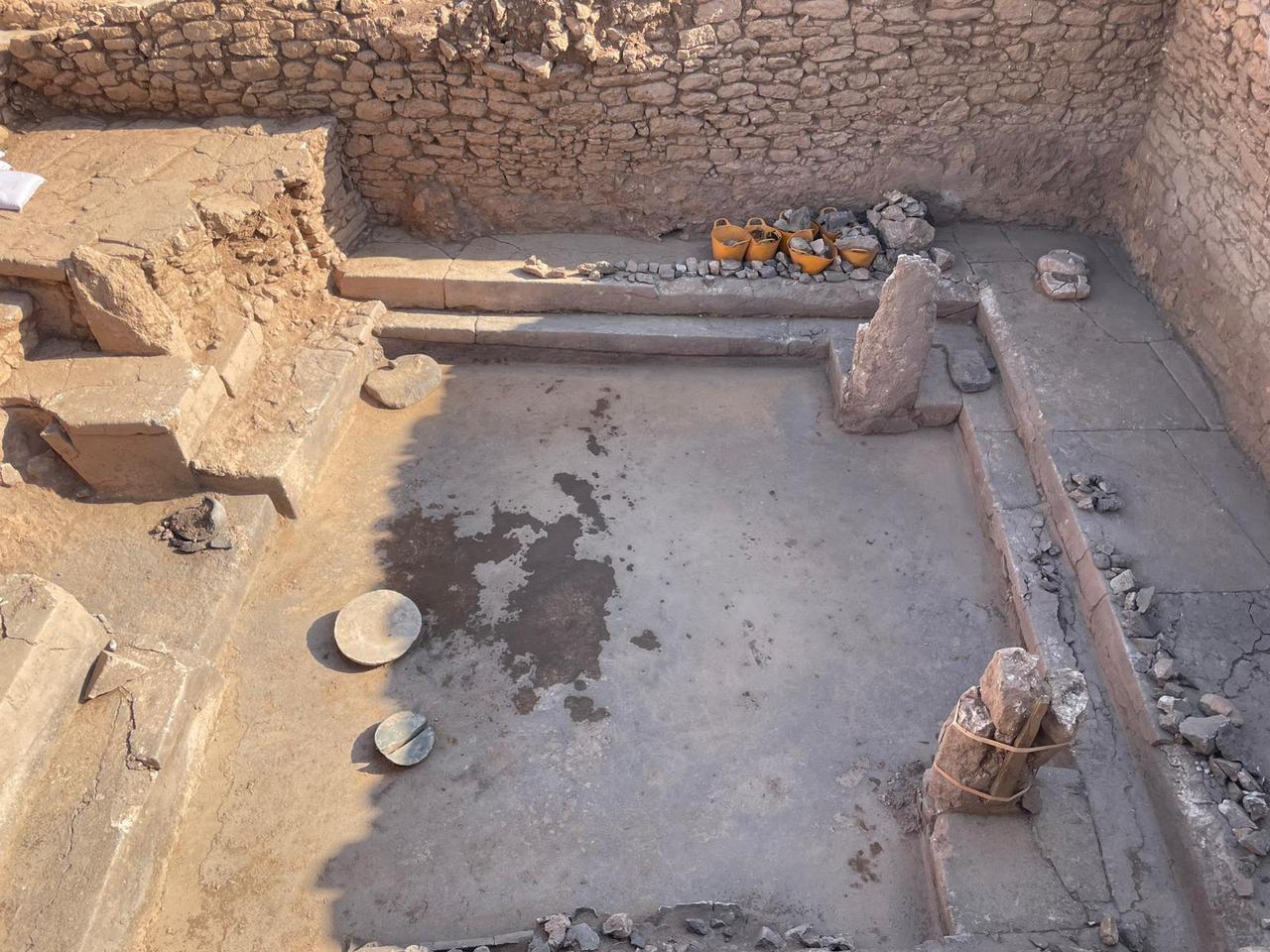
The ongoing excavations are reported to be shedding light not only on ritual practices, but also on core aspects of everyday life, including subsistence strategies, processes linked to domestication, architectural level, and production technologies.
In this context, “subsistence strategies” refers to how people secured food and resources, while “domestication processes” point to the longer transition that shaped how humans managed plants and animals.
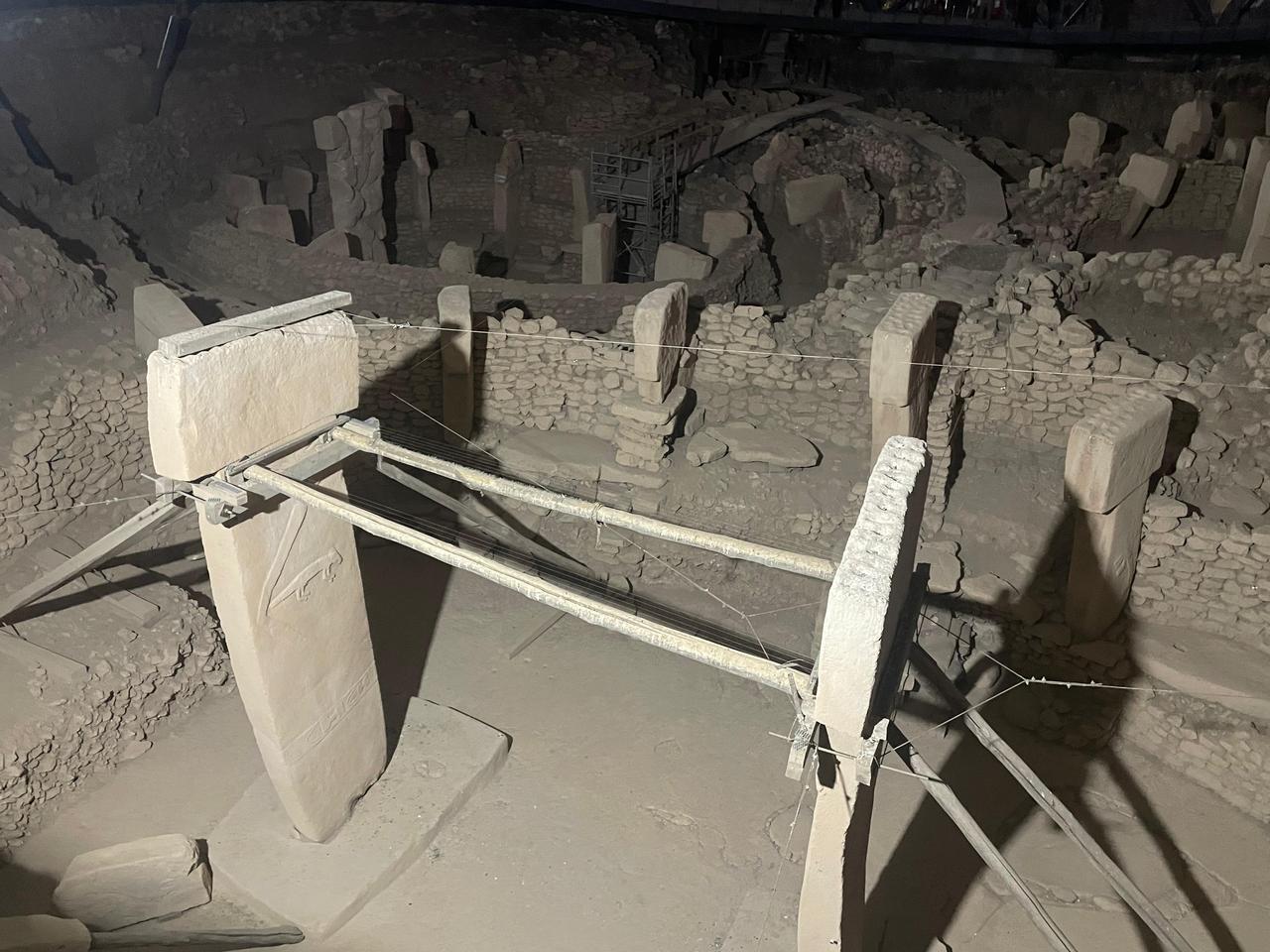
Gobeklitepe is currently said to be approaching 1 million visitors annually, and officials expect that figure to rise significantly as the other 11 excavation sites begin to accept visitors as well. The expectation is tied to the broader scale of the project, which is spread across multiple points within the same region.


 Set as preferred source
 Set as preferred source


 2 min read
 1 min read


