Newsletters


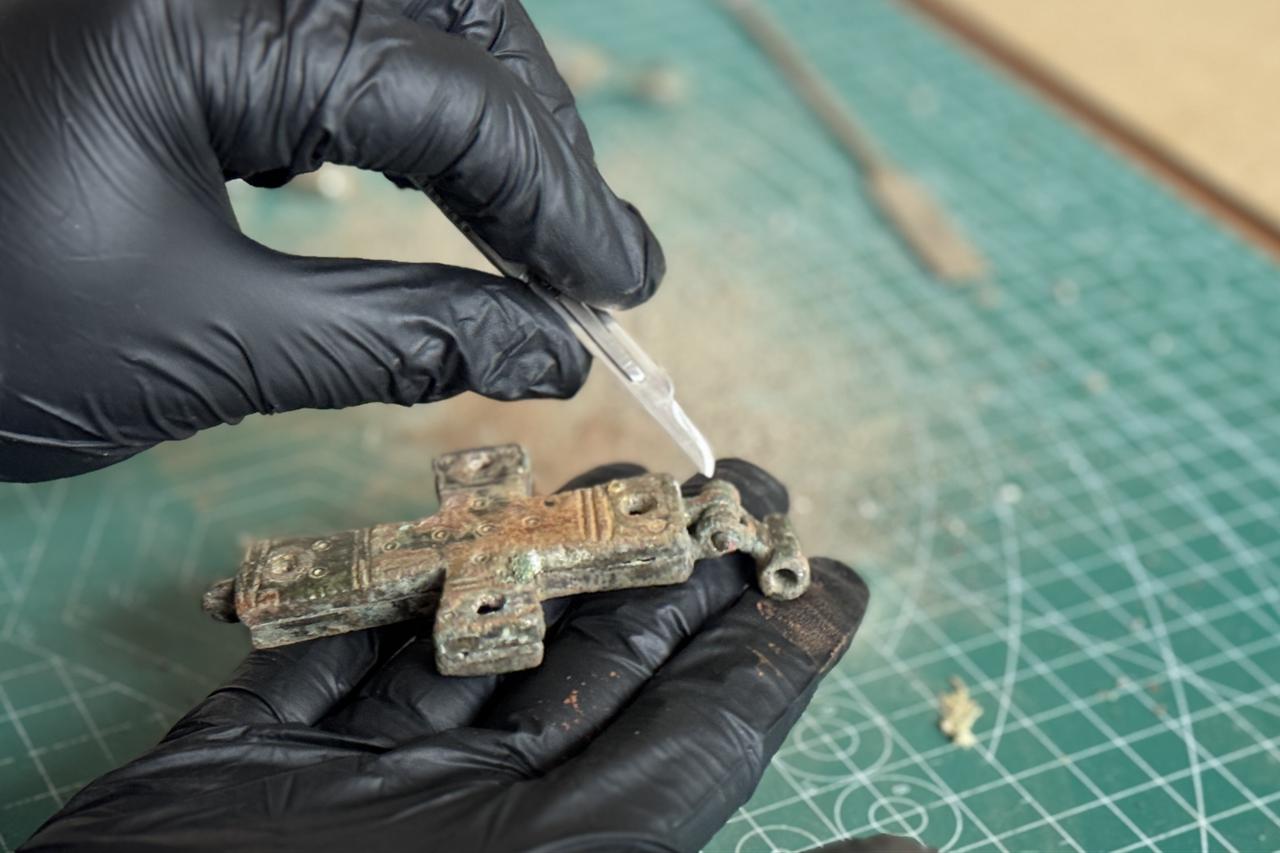


A rare bronze cross dating back to the medieval period has been carefully cleaned and preserved after being uncovered intact and permanently sealed at the ancient city of Lystra in Konya, central Türkiye, offering archaeologists an unusual glimpse into early Christian material culture without disturbing the object itself.
The two-part bronze cross was discovered during ongoing excavations in a church area burial zone at Lystra, an ancient settlement located in the Meram district ofKonya Province. Lystra is widely known in Christian history as one of the places visited by St. Paul, a central figure in the spread of Christianity across Anatolia and the eastern Mediterranean.
Archaeologists date the cross to between the ninth and 11th centuries. Crosses are typically small containers designed to hold sacred objects or relics associated with Christian worship. According to excavation officials, such items are usually found damaged or opened, which makes this example exceptional.
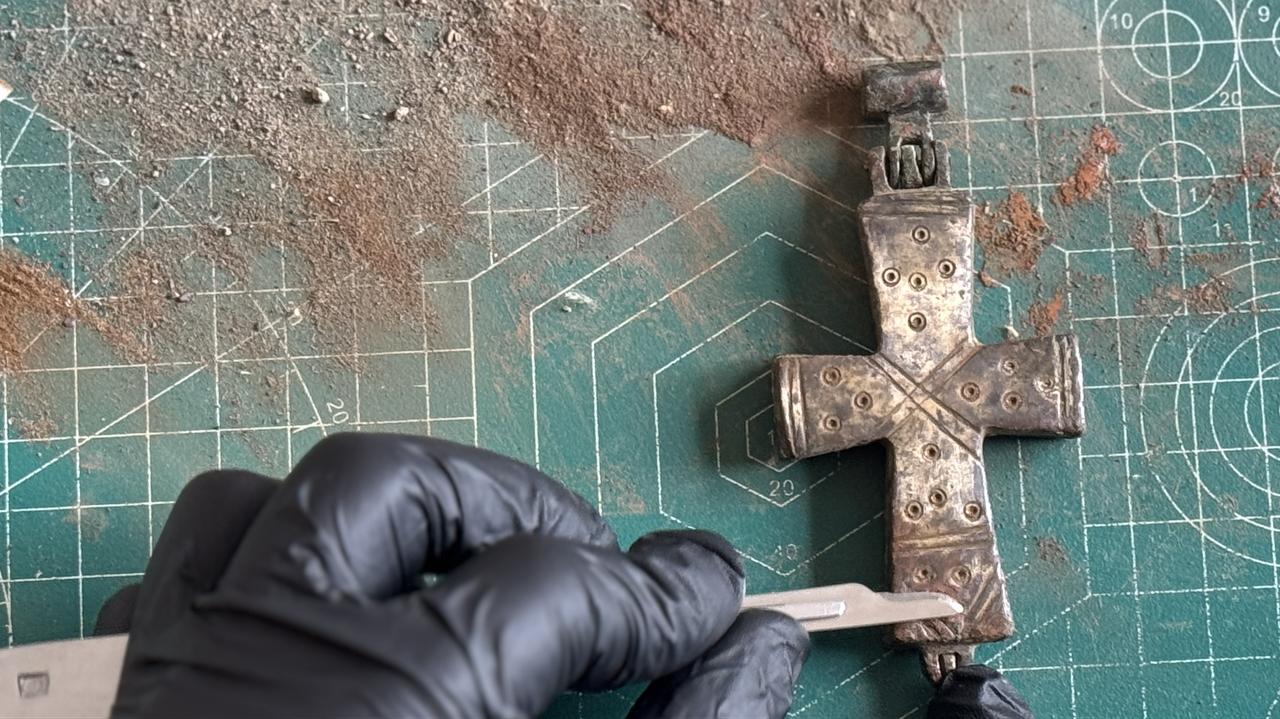

The excavation team reported that the cross was discovered exactly as it had been made, with its two covers permanently sealed using a riveting technique. Because of this, researchers decided not to open it, as doing so could cause irreversible damage to the artifact.
Associate Professor Ilker Mete Mimiroglu of Necmettin Erbakan University, who is leading the excavations with support from the Culture and Tourism Ministry and local municipalities, said that while several reliquaries have been found at Lystra, nearly all of them were broken. This particular piece stood out because it was still sealed and intact, which strongly suggests it was never meant to be opened after production.
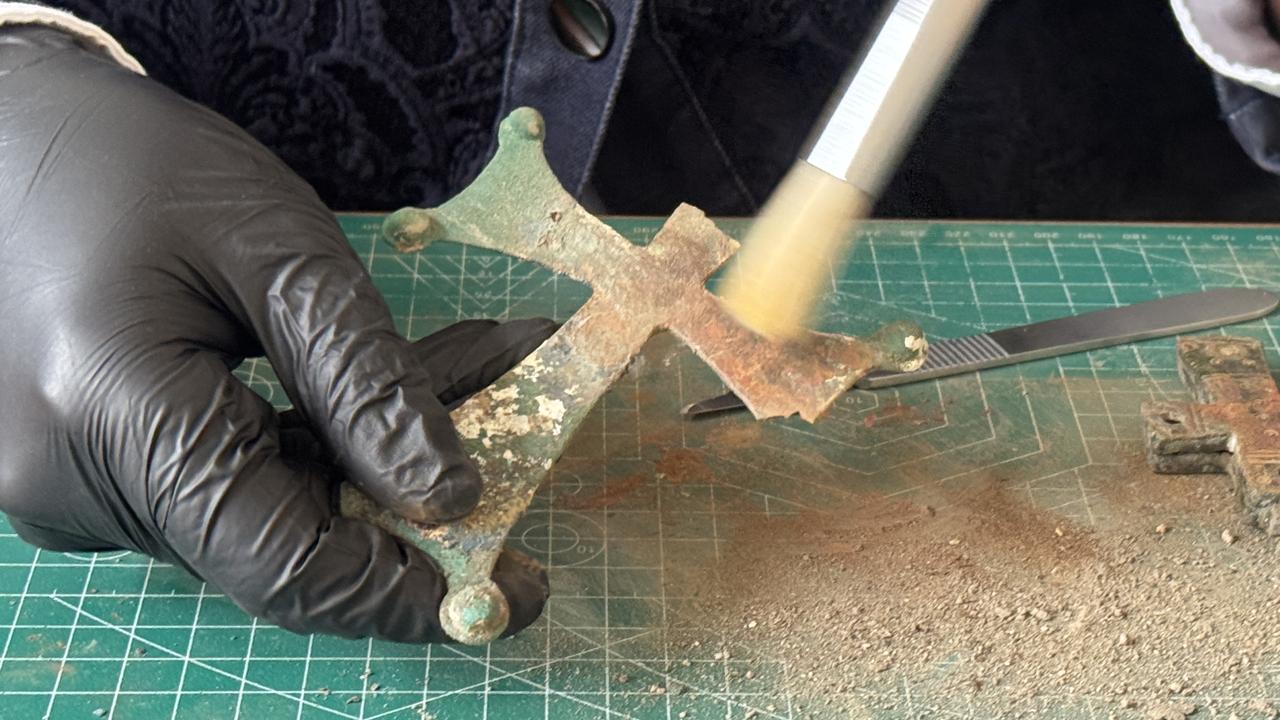
Although the cross remains closed, researchers carried out a limited visual inspection through a small gap. Mimiroglu said this examination did not clearly reveal any contents inside. A piece of shroud-like fabric was visible near the top, but the interior remains uncertain.
From the way the cross was riveted shut, archaeologists concluded that it was not designed with any opening or closing mechanism.


 Set as preferred source
 Set as preferred source


 3 min read