Newsletters


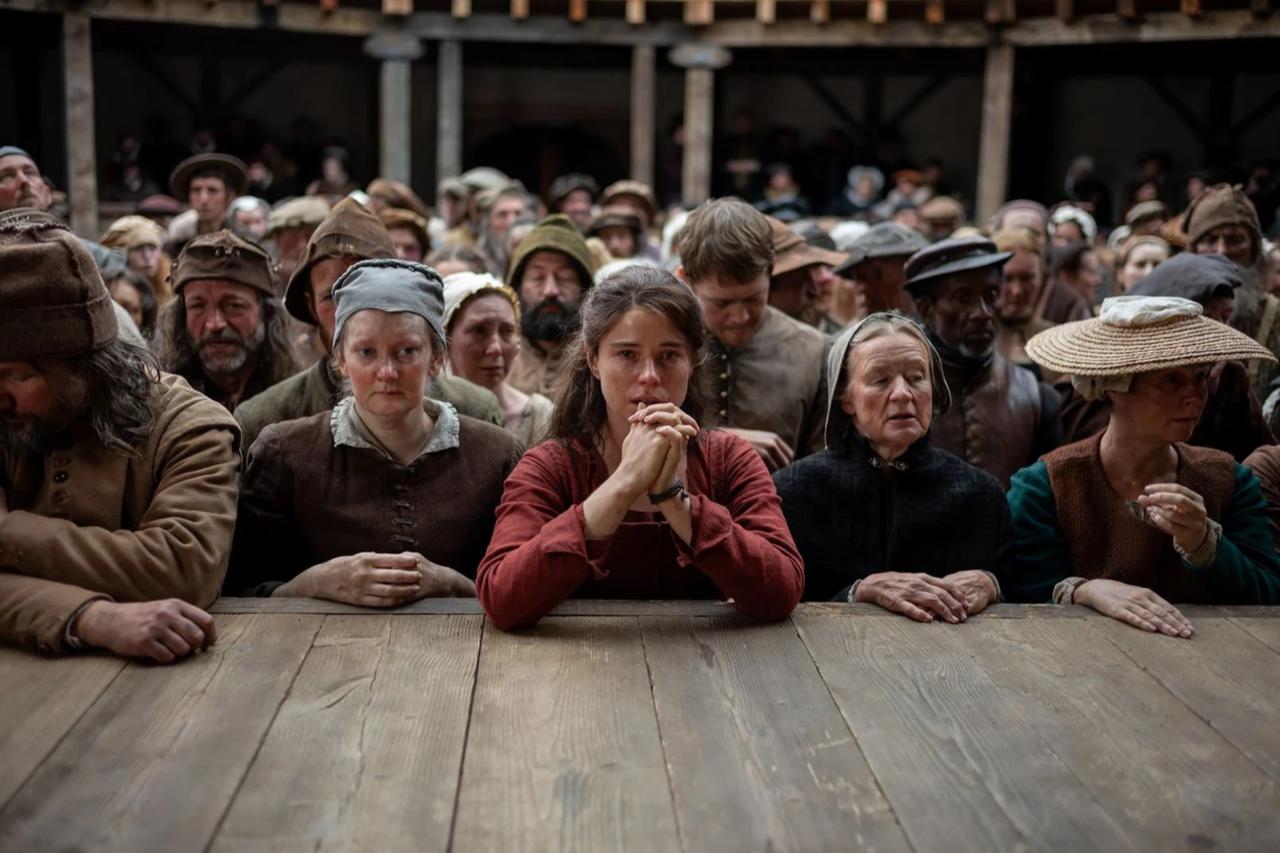


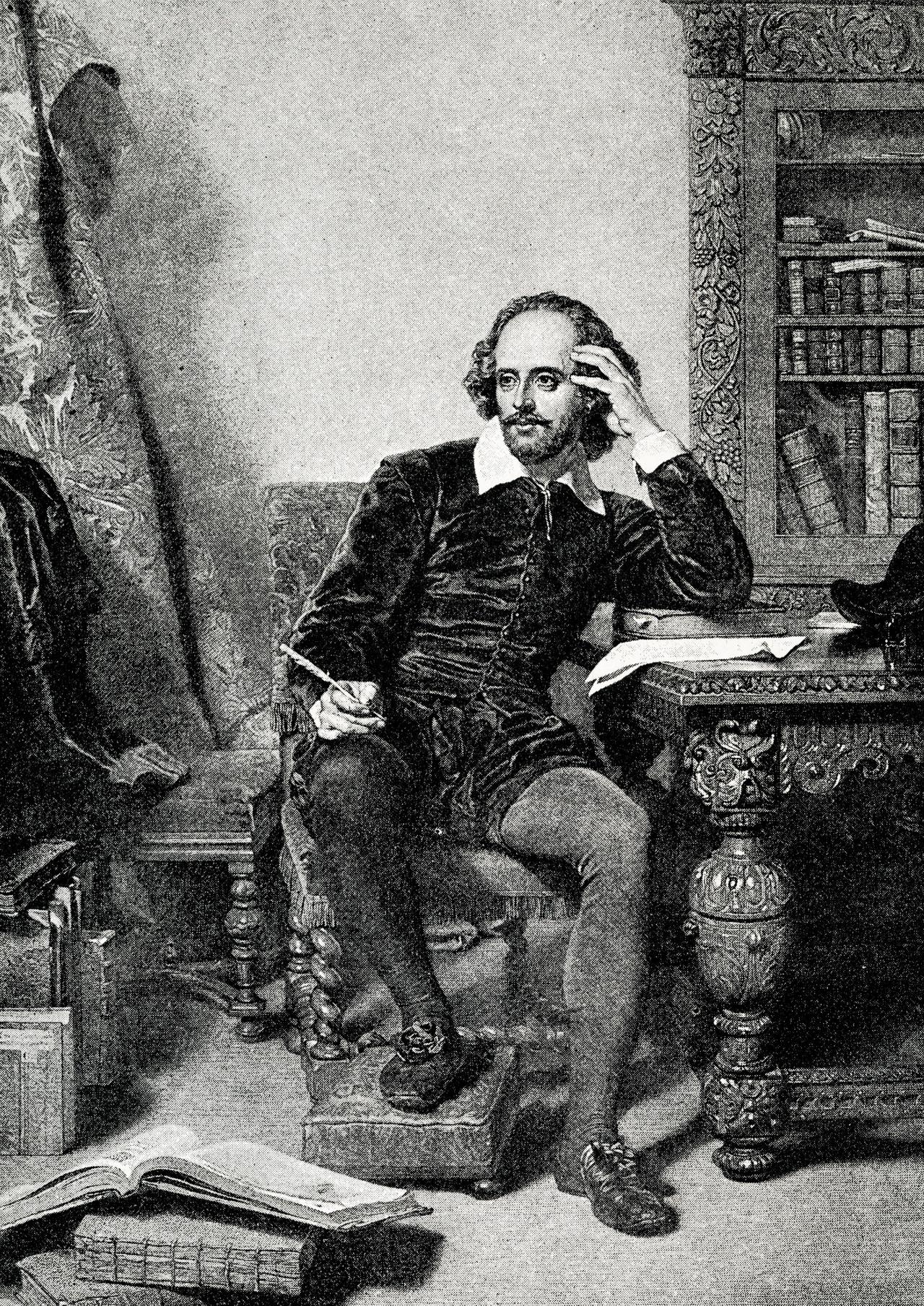
Hamnet does not come near the name of William Shakespeare as a fully formed cultural legend, nor does it present him within a conventional biographical template that celebrates the “genius” at the center of the scene.
The film, written and directed by Chloé Zhao, with Maggie O’Farrell co-adapting her novel, and starring Jessie Buckley and Paul Mescal, chooses a different angle: domestic life, love, and the rupture that strikes a family after the loss of a child.
This bias toward the human experience, rather than the historical aura, is what defines the film’s tone and rhythm from the outset.

What distinguishes Hamnet, however, does not stop at its repositioning of the narrative; it extends to its most sensitive aesthetic choice: turning silence into a structure, not a void.
The film does not use stillness as a lack of action, but as a deliberate strategy, one that resists over-explaining grief or turning it into direct, declarative rhetoric.
In Notes on the Cinematographer, the French film director Robert Bresson wrote his famous line: “The soundtrack invented silence,” “the most important thing sound cinema invented was silence.”
This idea offers an important key to interpreting Hamnet.

Cinematic silence is not achieved by removing sound; it is constructed through a precise management of what we hear: breaths, footsteps, the rustle of fabric, air, and the spaces between sentences.
The film draws on this principle clearly. Its most affecting moments do not emerge from a loud dramatic climax, but from the “quiet rhythms of everyday life” that many critics have pointed to in discussing the work.
Here, the ordinary becomes weighted, and small details are charged with a sense of absence that needs no verbal commentary.
Michel Chion’s argument in Audio-Vision: Sound on Screen helps clarify this aesthetic choice. The image, he suggests, is bounded by a frame, while sound has no equivalent “container.”
It exceeds the limits of the shot, arrives from outside the visible, and reorganizes the relationship between inside and outside.
In a film about loss, this auditory property takes on particular significance. Grief is not always seen, nor can it be reduced to a single moment that can simply be filmed.
It is lived as an atmosphere, as pressure, as the persistence of what remains unseen. Through this sonic construction, Hamnet can make absence present without embodying it directly.
Sound here does not explain the catastrophe; it surrounds the characters, as if it comes from beyond the frame but never leaves the house.
Sound designer Johnnie Burn shaped the film’s aural landscape in what has been described as an evocation of the “quiet rhythms of everyday life.”
This description is not a mere technical detail but a structural key: rhythm here is not background, but a carrier of meaning.
Repetition, slowness, and the refusal to fill gaps with dialogue or heavy music are all choices that keep grief in its raw form, without turning it into straightforward emotional solicitation.
As for Max Richter’s music, it enters selectively. His score in the film has been described as transparent and restrained, with limited instrumentation and gentle choral colors that sit beneath performance and dialogue rather than imposing themselves on them.
Even so, the prominent use of “On the Nature of Daylight” has sparked critical debate; while some saw it as deepening the emotional impact, others felt it could read as an overly familiar choice.
Analytically, the issue is less the beauty of the melody than its fit with the film’s overall logic: Does it remain in service of the economy of silence the work establishes, or does it overstep it at a climactic moment? This question is part of the critical discussion that accompanied the film, reflecting the sensitivity of the relationship between music and grief in cinematic storytelling.
The narrative treatment places Agnes at the center of the film’s weight, aligning with readings that see Hamnet as siding with a feminine consciousness rather than focusing on the “great man.”
This choice redefines the point of view: loss is not material for producing a legend, but an experience that reshapes the home and its relationships.
Jessie Buckley’s performance operates through a logic of restraint rather than display. Grief does not announce itself; it leaks through the body, the gaze, and silence. Here, performance meets the film’s sonic strategy: refusing explanation and leaving the space open between what is said and what is lived.
Hamnet as a whole can be read as a film about “not saying.” It does not translate loss into explanatory speeches, nor does it reduce it to a ready-made causal formula. Instead, it leaves the viewer room to inhabit the feeling without being instructed.
In Bresson’s terms, the film “invents” its silence to give grief a place without justification. In Chion’s terms, we can understand how sound exceeds the boundaries of the image to make absence active within the space.
The result is not merely a film about a family tragedy, but a work that uses its sonic and temporal tools to build an experience of mourning that avoids rhetoric and wagers on suggestion.
Whether or not viewers agree with its musical choices in climactic moments, Hamnet’s sound design remains a coherent, meaning-bearing construction, not a neutral backdrop.
It is a film that treats silence not as a lack, but as an aesthetic and ethical stance: refusing excess, and letting pain speak in its own language.


 Set as preferred source
 Set as preferred source



 2 min read