Newsletters


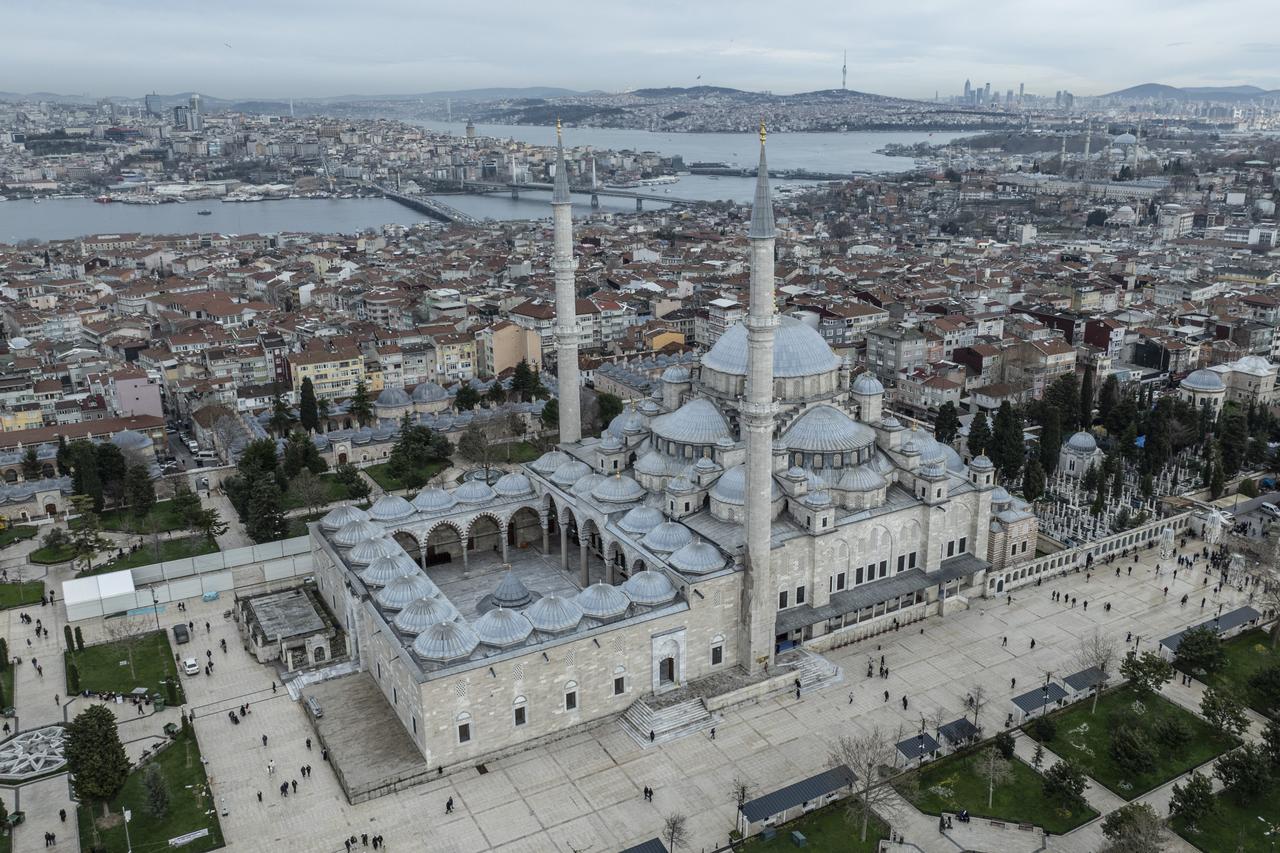


Located on Istanbul’s historic peninsula, the Fatih Mosque, commissioned by Fatih Sultan Mehmet between 1463 and 1470, is recognized as the city’s first large mosque commissioned by a sultan, established shortly after the conquest of Istanbul. The mosque has since remained a cornerstone of the city’s cultural, religious and educational heritage.
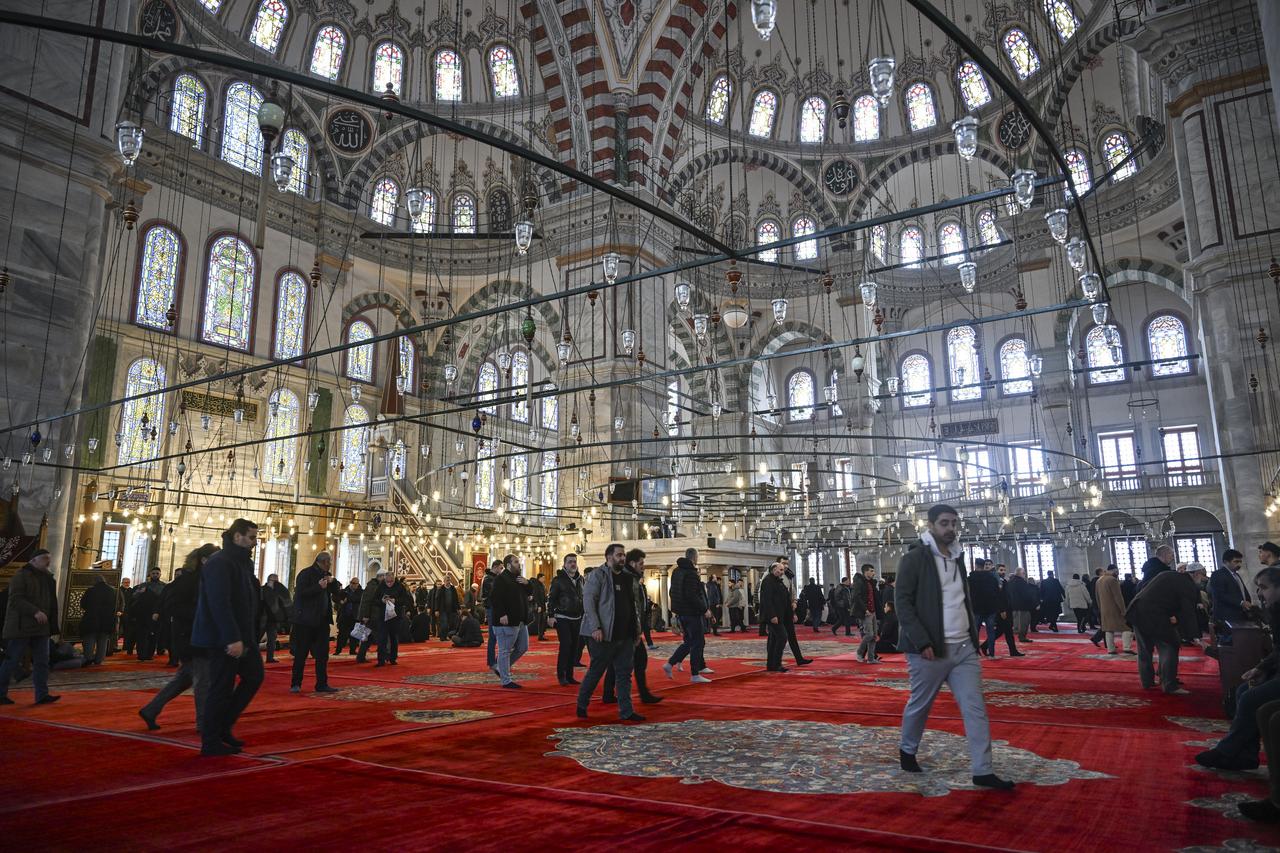

Built on the site of the Church of the Twelve Apostles, a major Byzantine landmark, the mosque shaped Istanbul’s skyline with the marks of Turkish-Islamic civilization. Initially constructed under architect Atik Sinan, it suffered damage in the 1509 “Small Apocalypse” earthquake, and its main dome collapsed during the 1766 major earthquake.
During the reign of Sultan III. Mustafa, the mosque was rebuilt under architect Mehmet Tahir Aga and reopened in 1771. The restored structure reflects classical Ottoman architecture while incorporating elements of 18th-century Baroque style.
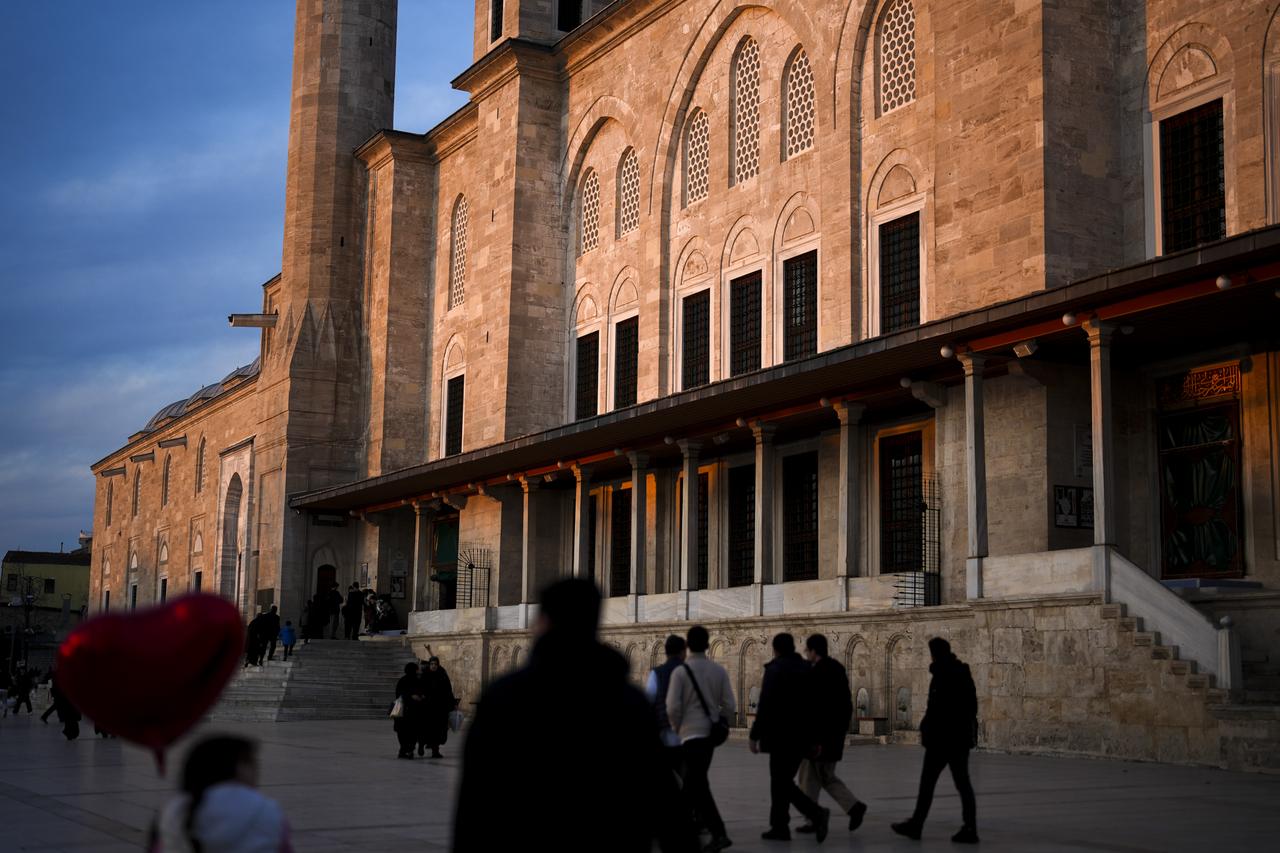
Fatih Mosque served as the center of a sprawling kulliye complex, including madrasas, a tabhane, a darussifa (hospital), bazaars, and a hammam. The Sahn-i Seman Madrasas, located on either side of the mosque, played a key role in institutionalizing higher education in the Ottoman Empire.
Academic and art historian Yasin Saygili emphasized the mosque’s historical importance, noting that it was the city’s first kulliye and a hub for early educational institutions.
The complex’s madrasas educated scholars, bureaucrats, and legal experts for centuries, while its foundation revenues contributed to establishing the Grand Bazaar, highlighting its cultural and economic significance.


 Set as preferred source
 Set as preferred source



 3 min read