Newsletters


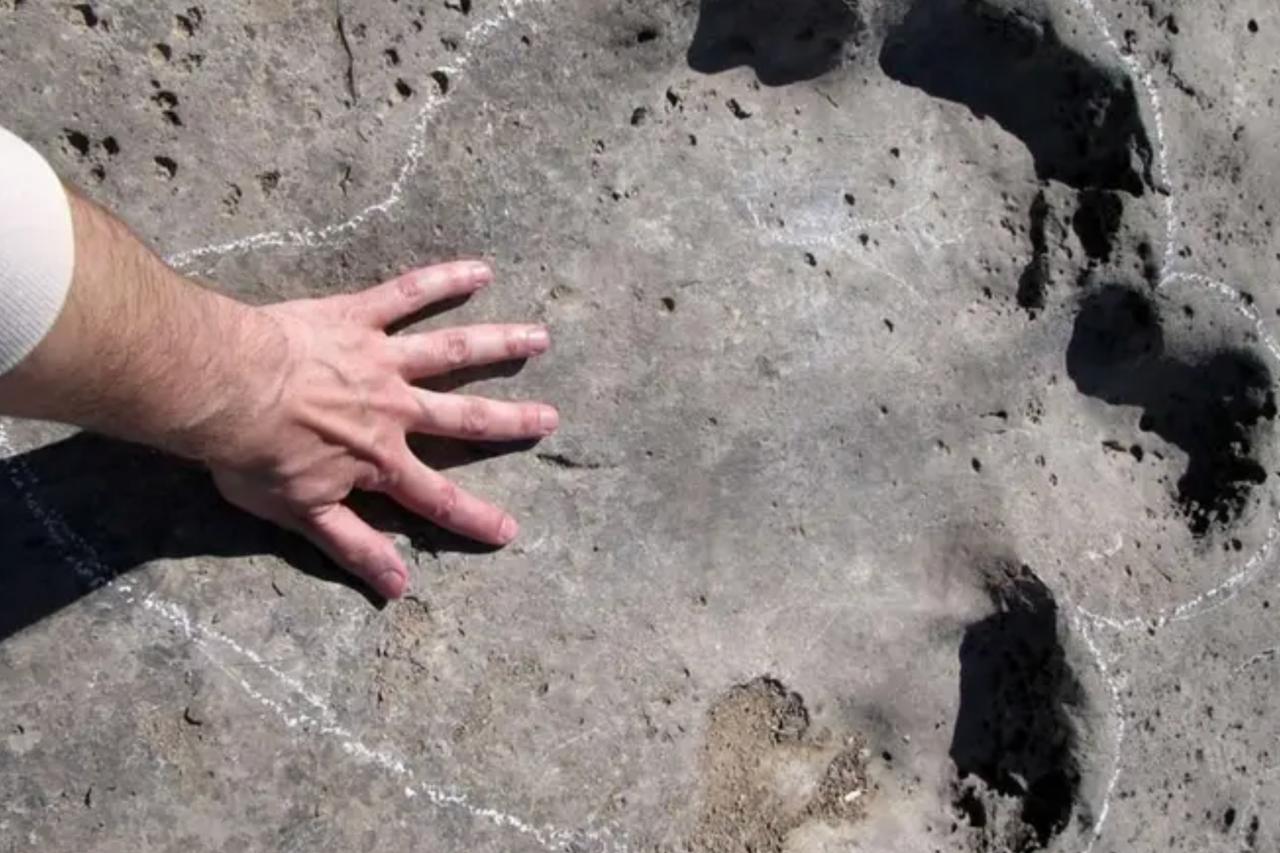


Researchers are developing an artificial intelligence-based approach to help identify which dinosaurs made fossil footprints.
The method uses eight track characteristics to classify and compare prints more objectively, according to a study in Proceedings of the National Academy of Sciences.
Researchers are now working to develop a methodology using artificial intelligence to help identify which type of dinosaur was responsible for each footprint, based on eight different characteristics of the tracks.
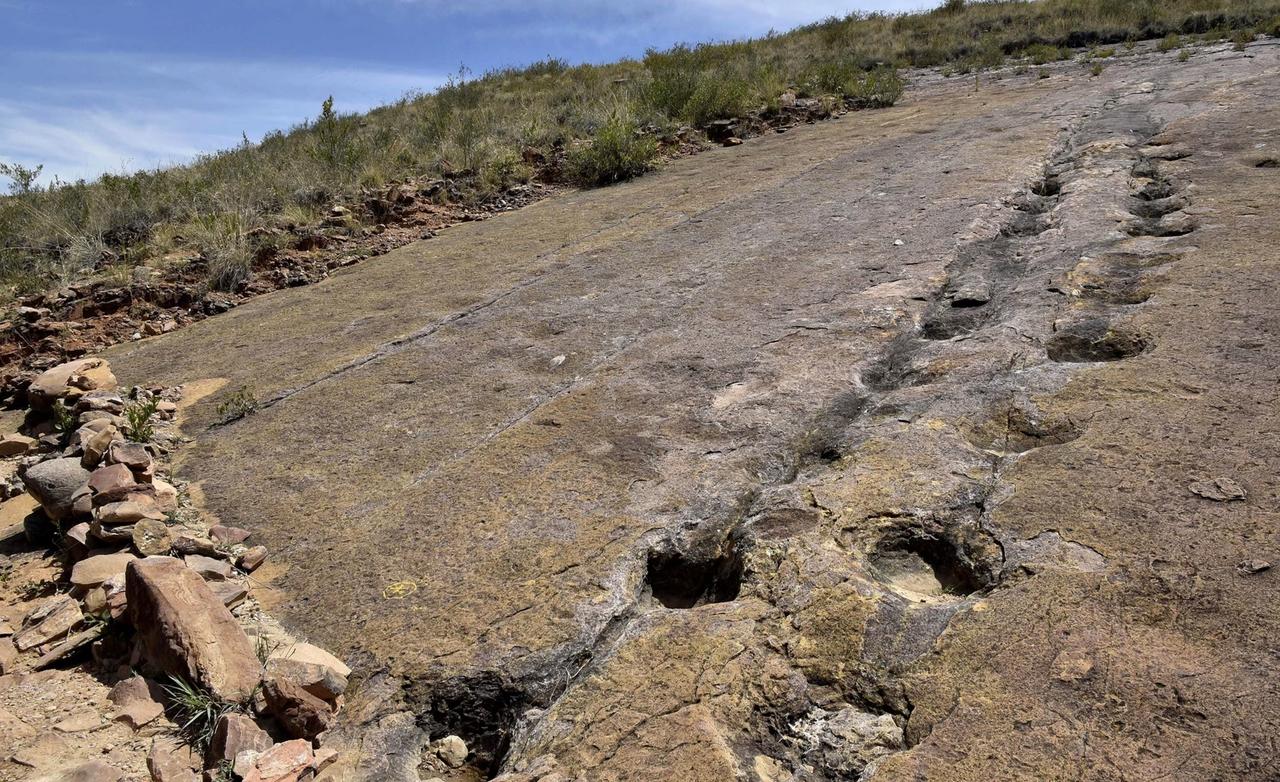

Physicist Gregor Hartmann of the German research center Helmholtz-Zentrum in Berlin said this development is “important because it provides an objective way to classify and compare tracks, reducing reliance on subjective human interpretation.”
Hartmann is the lead author of the study published in the scientific journal Proceedings of the National Academy of Sciences.
Meanwhile, University of Edinburgh paleontologist Steve Brusatte said matching a track to its maker remains a “major challenge,” noting that paleontologists have debated the issue for generations.
Dinosaurs left behind many types of fossilized remains, including bones, teeth, claws, skin impressions, droppings, vomit, undigested stomach contents, eggshells, nest traces, and more.
But footprints are often far more abundant and can provide scientists with valuable information, including the type of environment the dinosaur lived in and what other animals shared the same ecosystem when additional tracks are found nearby.
The new methodology was developed through an algorithmic analysis of 1,974 images and drawings of footprint shapes, spanning 150 million years of dinosaur history.
The AI was able to distinguish eight traits that explain variations in the forms of these tracks.
These traits include overall load and shape, which reflect the area of foot contact with the ground, the position of weight-bearing, the spread of the toes and how the toes connect to the foot.
They also include the position and loading of the heel, as well as the relative emphasis of toe impressions vs. the heel and differences in shape between the right and left sides of a track.
Experts had already identified many footprints with a high degree of confidence as belonging to certain dinosaur groups.
After the algorithm determined the distinguishing features, researchers created a chart showing how these traits align with the different dinosaur types believed to have produced the tracks, to serve as a guide for future identifications.
Hartmann noted that the difficulty lies in the fact that identifying the dinosaur behind a fossil track is “inherently uncertain.”
He explained that a footprint’s shape depends on many factors beyond the animal itself, such as what the dinosaur was doing at the time: walking, running, jumping, or even swimming.
As well as the moisture and type of ground surface, how sediments buried the track, and how erosion altered it over millions of years.
As a result, the same dinosaur could leave tracks that look quite different.
Dinosaur footprints also appear in a wide range of sizes
Brusatte said the size variation can be enormous, ranging from the tracks of small meat-eating dinosaurs about the size of chicken footprints in a yard to the massive footprints of long-necked dinosaurs as large as a bathtub.


 Set as preferred source
 Set as preferred source



 2 min read