Newsletters


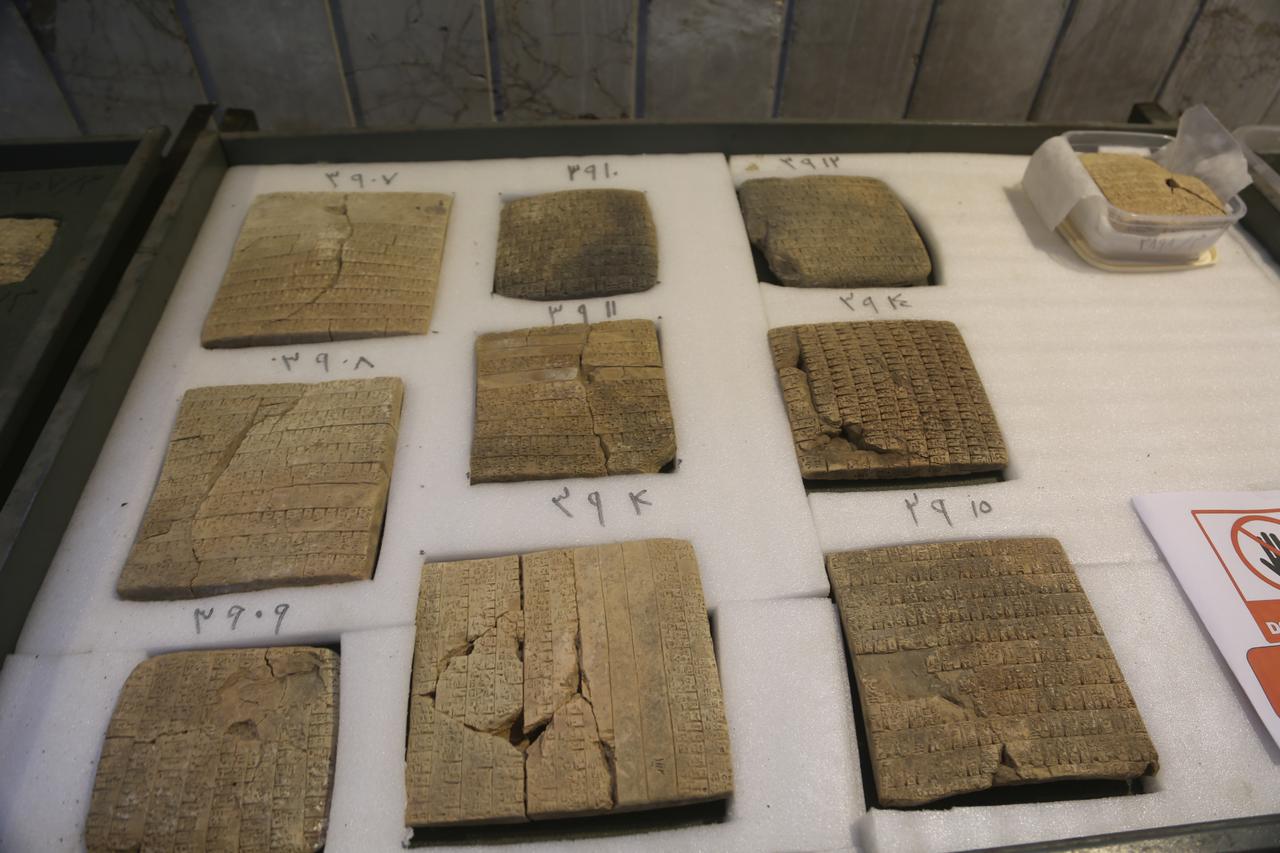


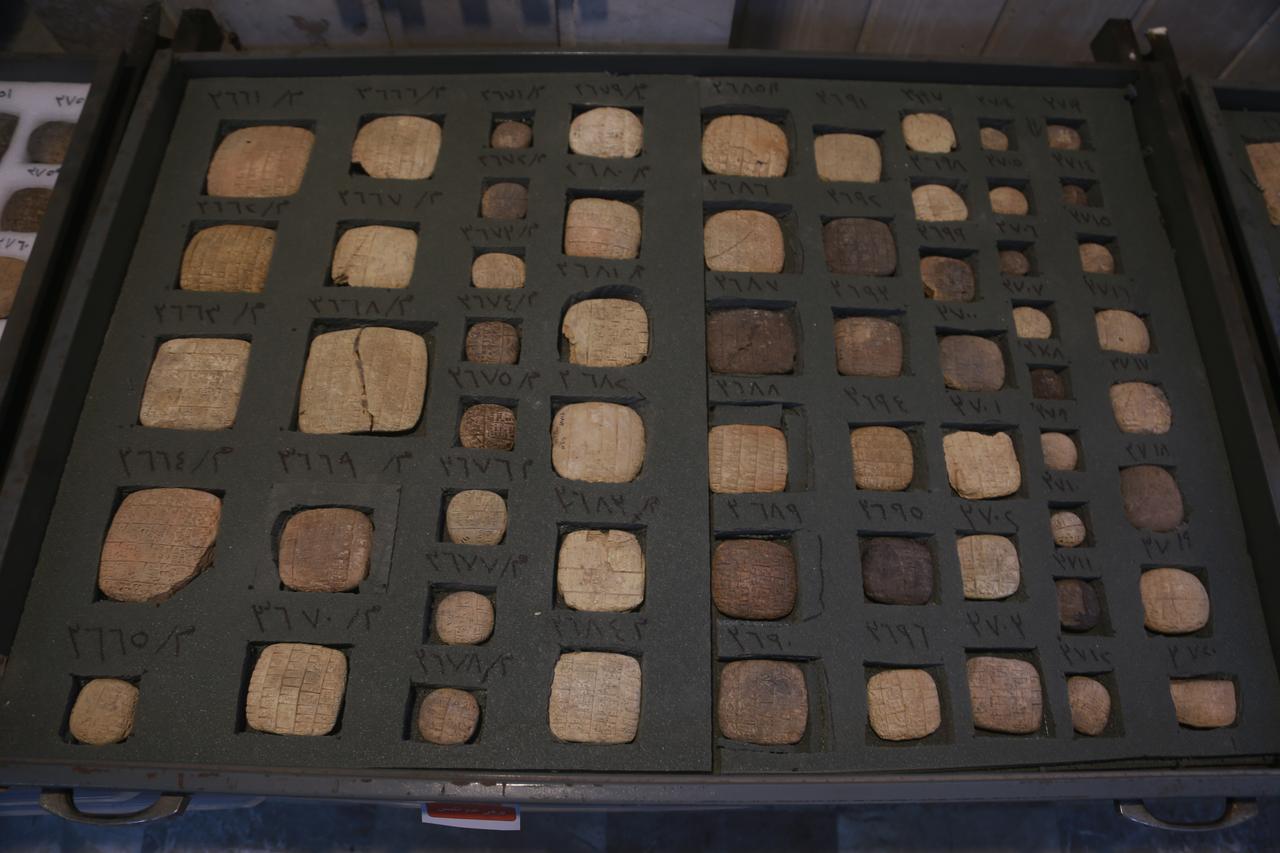
Syrian Minister of Culture Mohammed Yassin Saleh has announced that 1,234 ancient cuneiform tablets, forming part of the royal archive from the Ibla region in northwestern Syria, have been brought back to the Idlib Museum after being safeguarded in secret storage for around 10 years.
The tablets, which date back to the third millennium B.C. and are linked to the ancient kingdoms of Ebla and Mari, are now once again held in the museum after years of uncertainty following repeated bombardments by forces of the ousted regime.

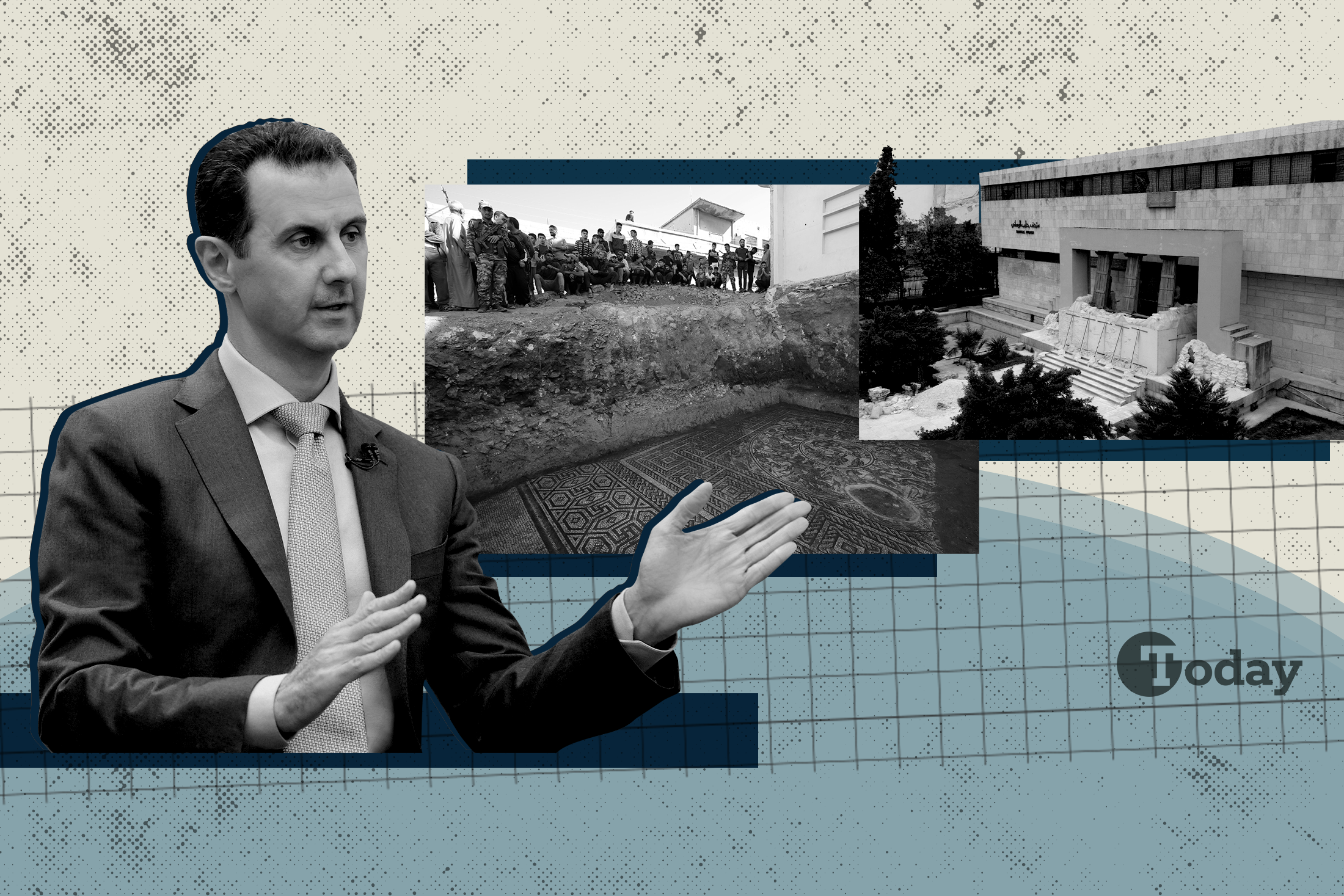
According to the minister, the Idlib Museum was subjected to multiple airstrikes by regime forces, which left its collections at serious risk.
In the aftermath of these attacks, a local resident stepped in and assumed responsibility for protecting part of the museum’s holdings. This person kept cuneiform tablets belonging to the kingdoms of Ebla and Mari, along with many artifacts specific to Idlib, in private storage for about a decade to keep them safe.
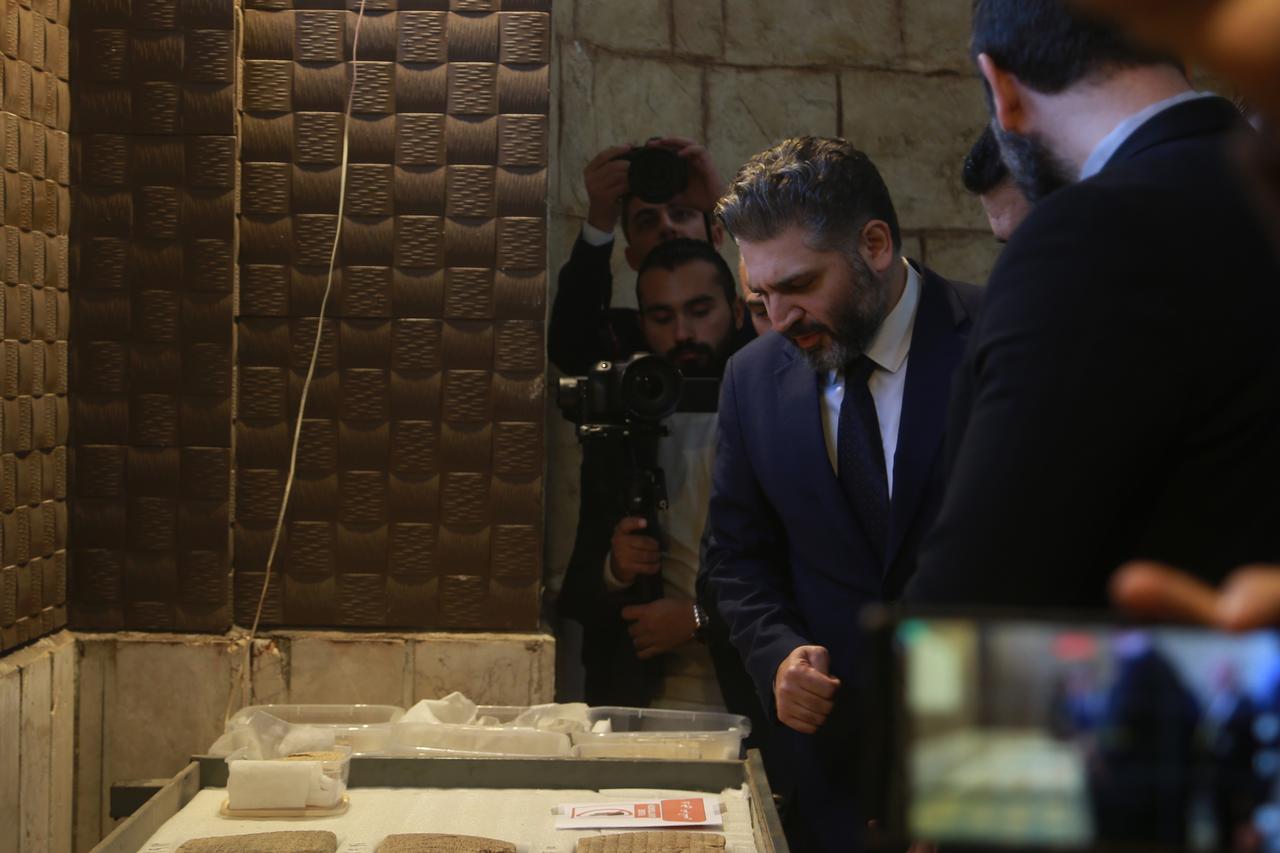
Saleh explained at a press briefing in the Idlib Museum that these efforts have now allowed 1,234 cuneiform tablets to be returned to the institution. He stressed that bringing the pieces back into public custody has grown out of national efforts that involve both state institutions and ordinary citizens, who have chosen to look after objects they regard as part of their own history.
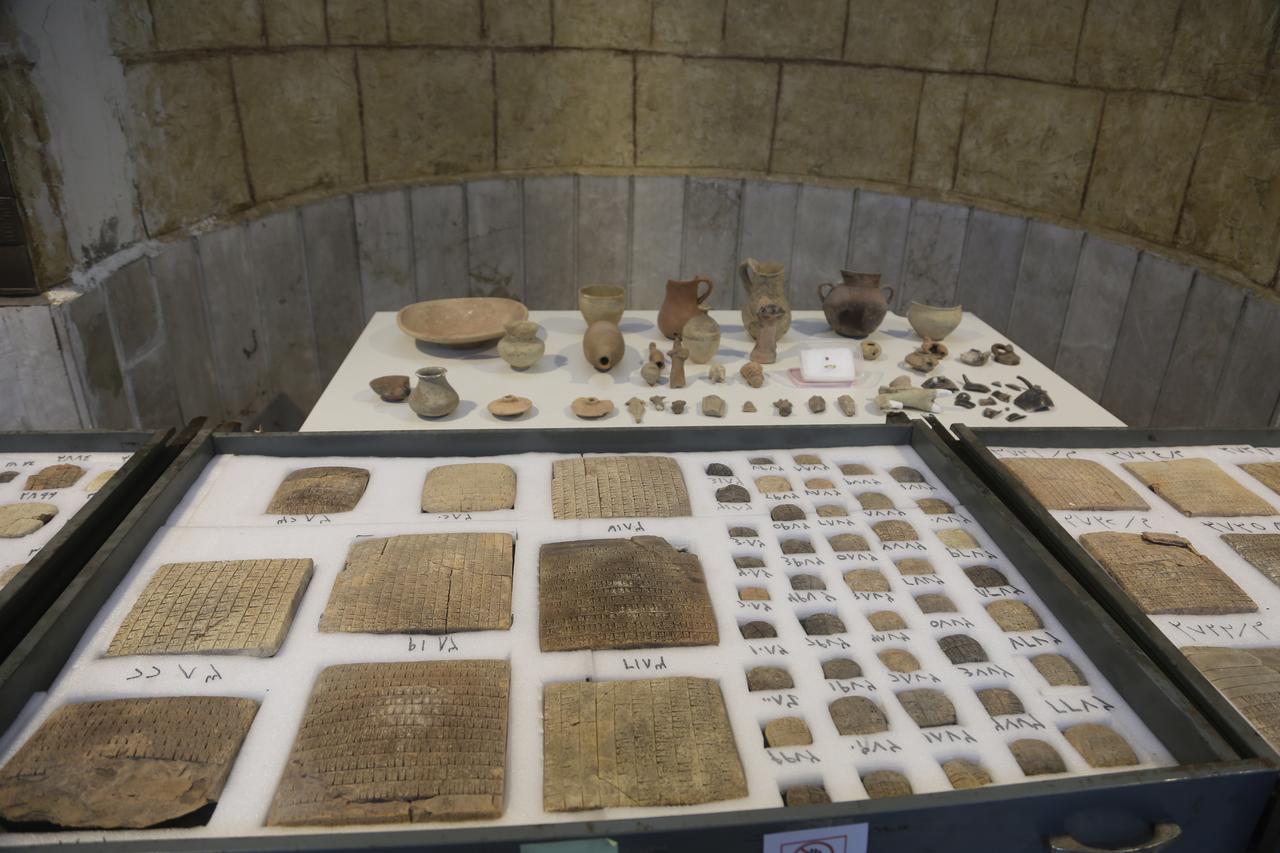
The minister underlined that the tablets come from the Ibla region in Syria’s northwest, a historical area where the ancient city associated with the name Ibla maintained links with several powerful neighbors. He noted that the texts show diplomatic, political, religious and social connections with many kingdoms that were in contact with Assyrian, Akkadian and Sumerian civilizations.
Saleh also pointed out that the same archive brings out relations with both Mesopotamia and Egypt, and that these connections appear clearly in the surviving documents. The Ibla cuneiform tablets are described as part of a written archive from the third millennium B.C., which sheds light on an important period in the history of Syria.
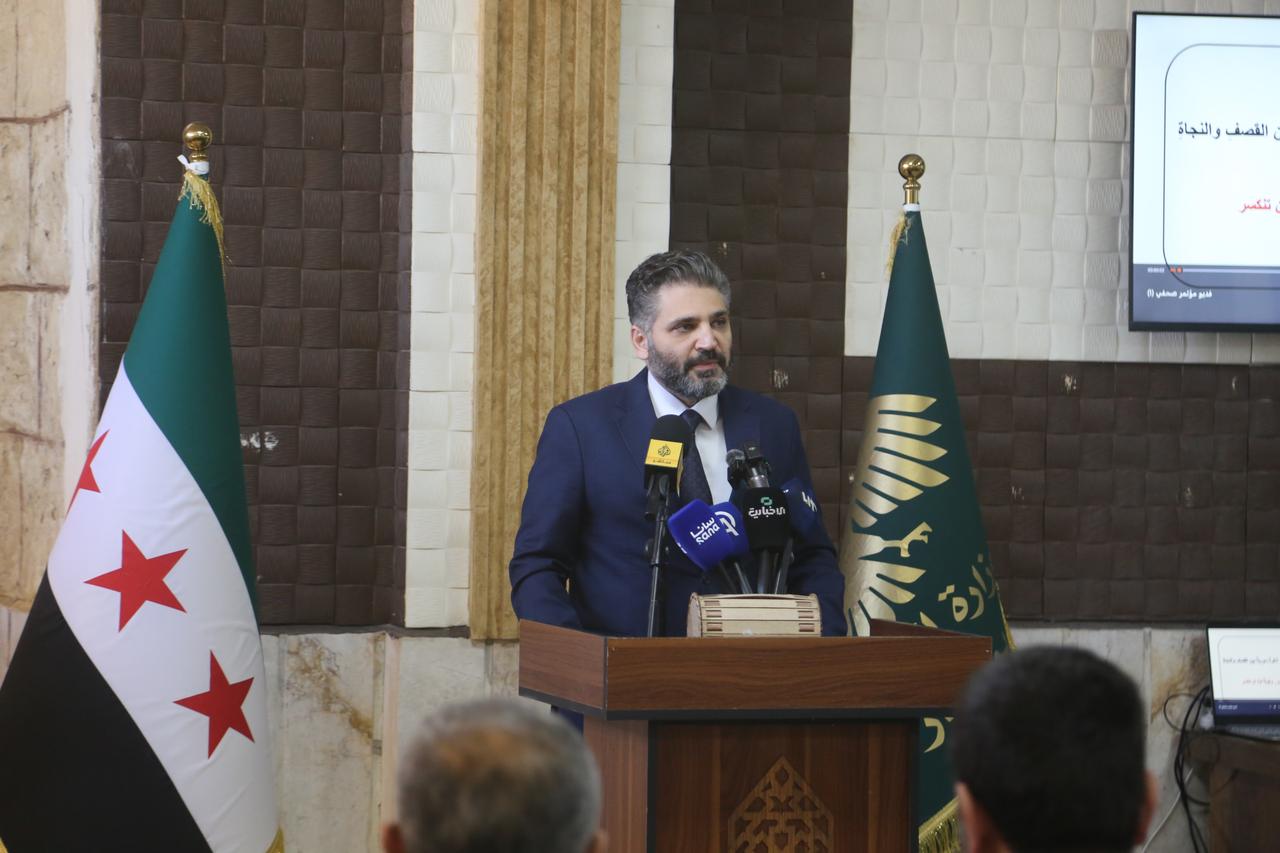
Speaking at the same event, Saleh linked the return of the tablets to a broader process of reclaiming identity. He stated that as the country works to recover its “own identity, away from the dust of occupation,” bringing these objects back into public institutions also shows the level of awareness among the Syrian people. He added in his remarks that “these artifacts belong to them, and this land is their land,” presenting the recovery as a sign of how local communities view the collections.
The minister also said that the Idlib Museum itself has been restored and that intensive work is underway to rehabilitate museums across Syria.
He indicated that officials expect the coming period to be more positive for the country’s museum network as these projects move ahead.
Ammar Kenavi, Director General of Museums, described the recovery as a major achievement for the institution, particularly as it coincides with freedom celebrations.
He recalled that the royal archive of Ibla disappeared in 2015 after the Idlib Museum was hit by bombardment and that its fate remained uncertain for years afterward.
Kenavi explained that, through the combined efforts of the Ministry of Culture and the Directorate General of Archaeology and Museums, around half of the missing cuneiform tablets have now been brought back.
He said this result “demonstrates the awareness and sensitivity of the Syrian people,” noting that local residents managed to protect and hide the artifacts for nearly ten years before returning them to the museum.
 2 min read
The director emphasized that the Ibla cuneiform tablets illuminate a significant phase in Syrian history as part of a written archive from the third millennium B.C. He added that about 400 pieces from the royal archive are still missing and that work with other official bodies is continuing with the aim of retrieving the remaining parts of the collection in the coming days.


 Set as preferred source
 Set as preferred source


 1 min read