Newsletters


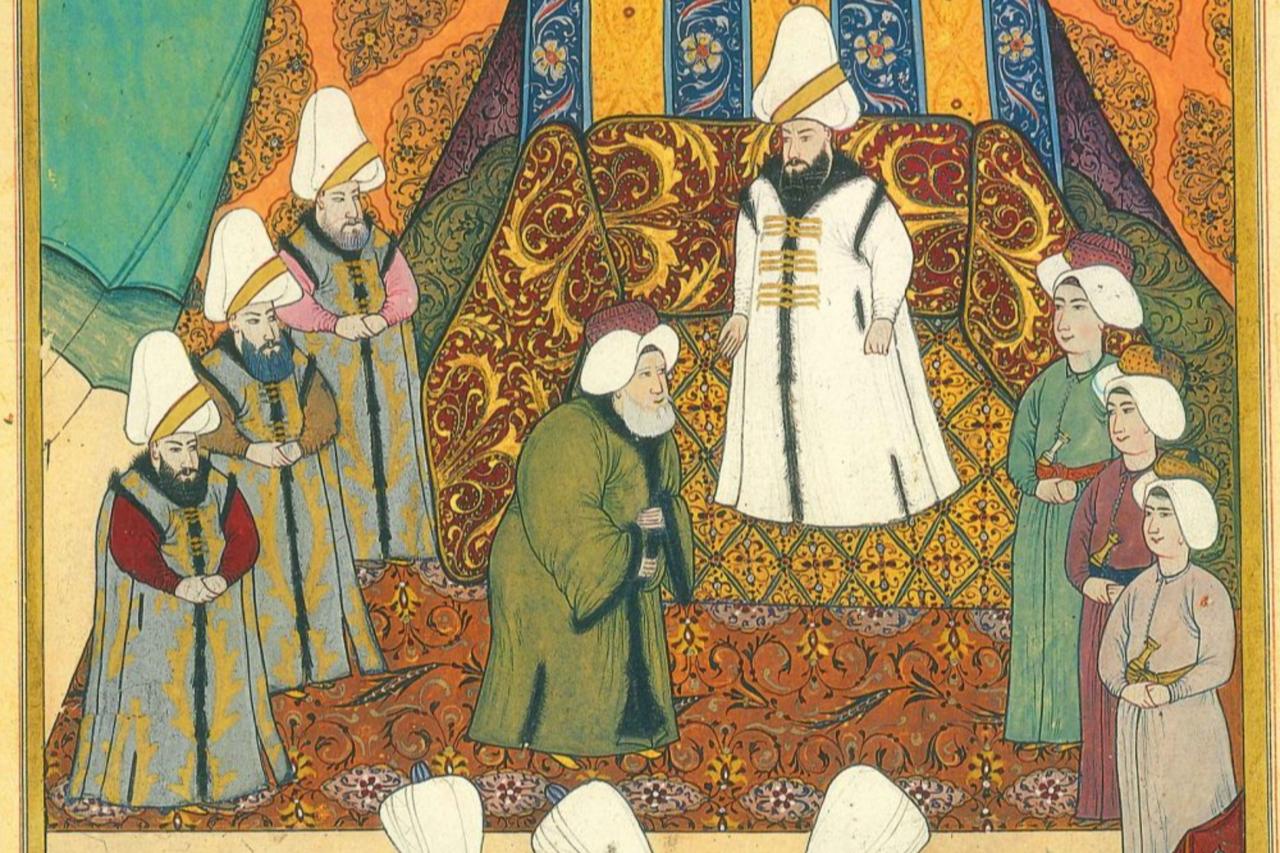


A once-refined gesture of greeting and respect known as "temenna," unique to Ottoman social life, has gradually faded from daily use, leaving behind a detailed cultural code that once governed interactions across ranks, ages and settings.
The practice of temenna represented more than a simple greeting, as it functioned as a structured expression of goodwill and respect.
Derived from the Arabic word “temenni,” meaning “to wish,” the term took on a Persian stylistic form in Ottoman usage and came to signify offering good intentions toward another person.
During the gesture, individuals either remained silent or accompanied the movement with phrases such as “may God grant long life." When performed between individuals of unequal status, the verbal component was typically voiced by the junior party, reinforcing social hierarchy through etiquette.
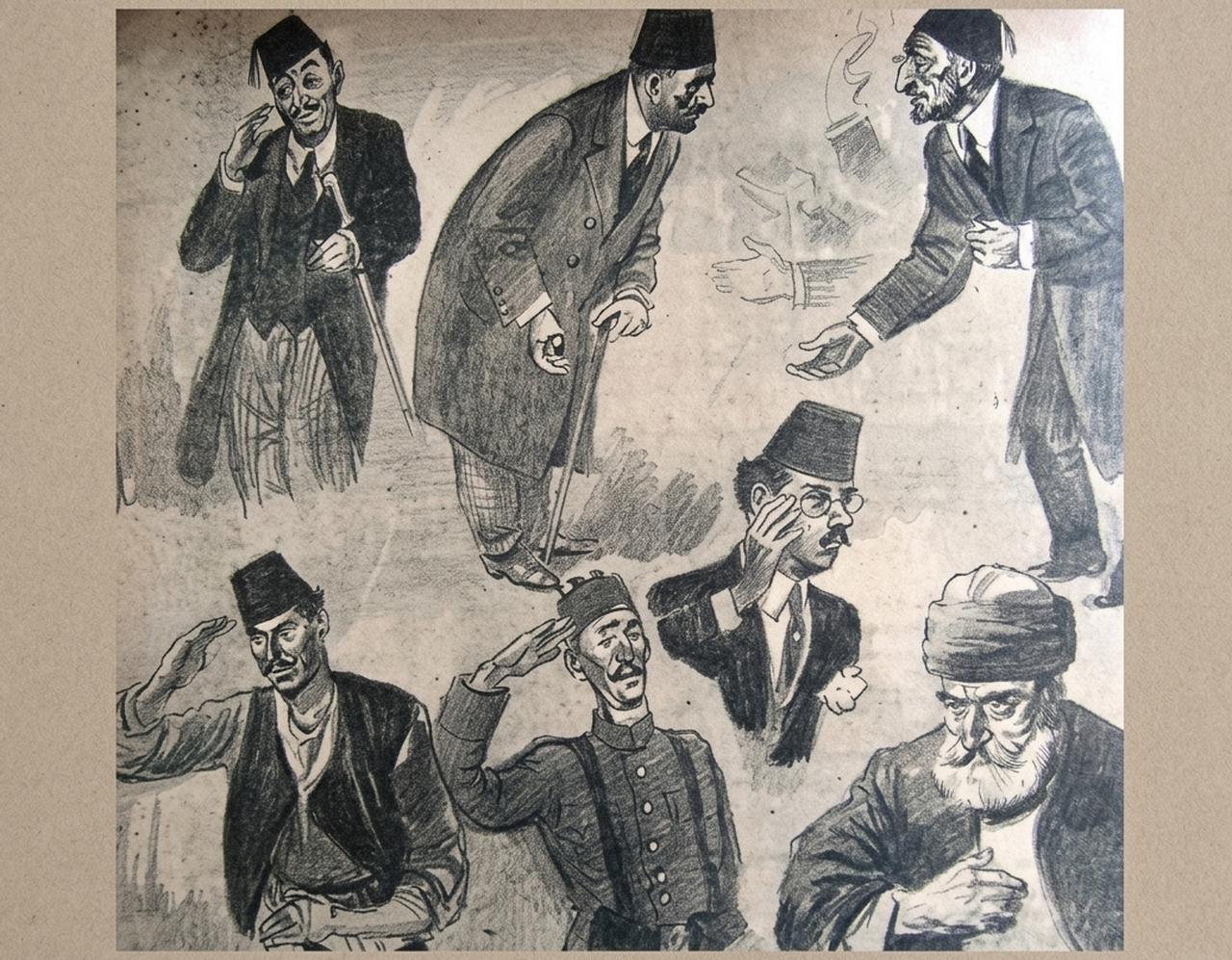

The act itself followed a precise sequence of three movements. The right hand was first brought to the chest, then to the lips, and finally to the forehead or head.
Each stage conveyed a symbolic message: affection held in the heart, remembrance expressed through speech, and respect placing the other “above the head,” a phrase commonly used in Turkish to denote high regard.
Failing to return a temenna was considered both impolite and a sign of distancing oneself from the relationship, although close friends were not expected to observe the ritual strictly.
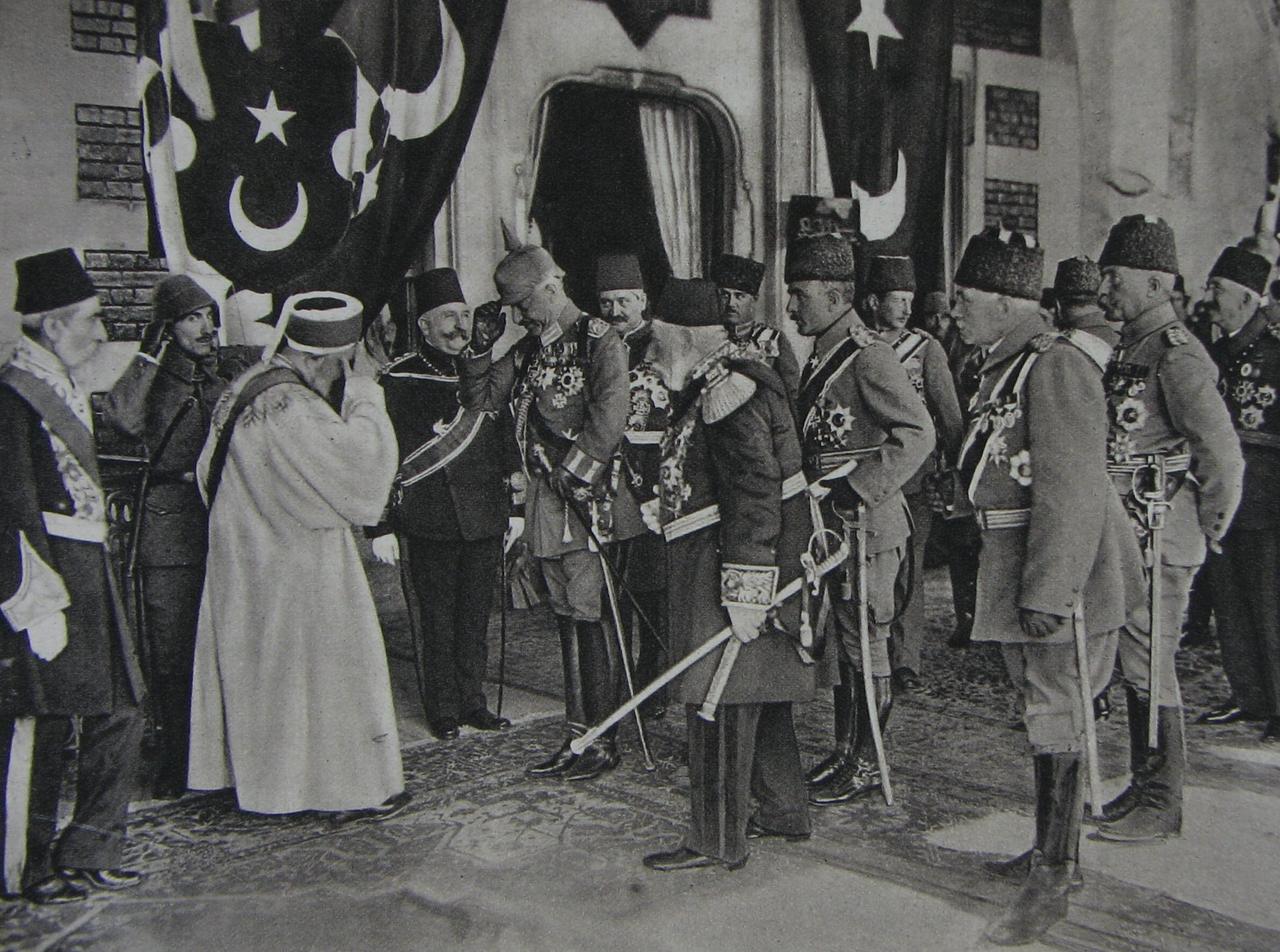
Ottoman etiquette extended beyond temenna, structuring greetings through religious and social norms.
When two Muslims met, they exchanged “selamun aleykum” and “aleykum selam,” understood as a mutual declaration of peace and safety. This was followed by “merhaba,” meaning “be at ease.”
Hierarchy shaped the order of greetings, as elders or higher-ranking individuals initiated the exchange, while younger or lower-status individuals responded with visible respect.
In some cases, juniors would remain standing until seniors passed.
Physical gestures also varied by relationship. Children kissed the hands of elders such as uncles or teachers, while servants sometimes kissed the hems of garments belonging to those they were obliged to respect.
Closely related to temenna was the older practice of “etek opmek,” or kissing the hem of a garment, a gesture rooted in earlier Turkic traditions. Over time, this evolved into symbolic motions rather than direct contact, and eventually became associated with flattery or excessive submission.
By the mid-19th century, the practice had been officially abolished due to misuse, with authorities instructing that a simple temenna should suffice in formal settings.
In later imperial ceremonies, such as royal accessions and religious celebrations, the act of kissing decorative tassels instead of garments replaced earlier forms of deference. Even this evolved, as some officials eventually opted to bow rather than perform the full ritual.
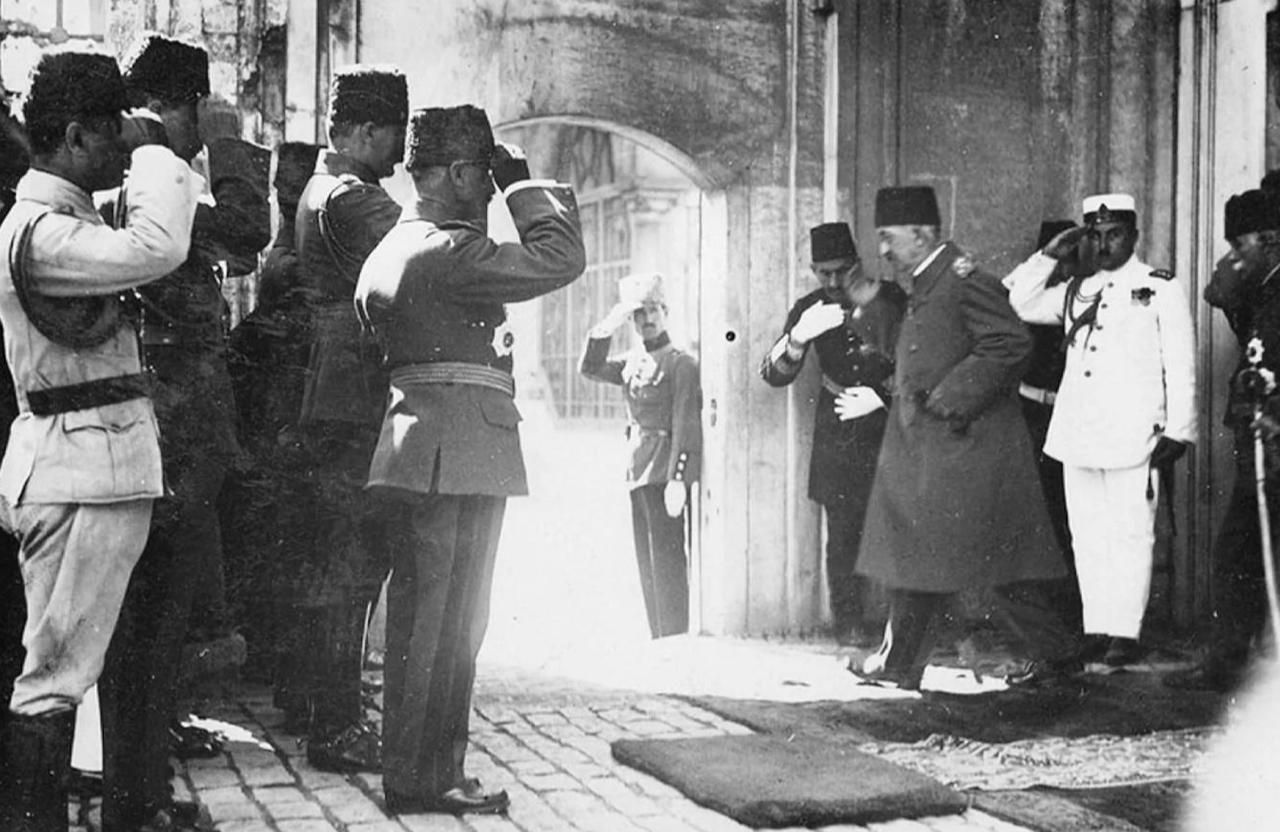
Historical accounts identify several forms of temenna, each corresponding to social position and context. These ranged from informal versions used by tradespeople to more elaborate gestures performed by lower-ranking officials before high-ranking administrators.
More elaborate forms involved bending forward as if picking something up from the ground before completing the sequence, while others required repeated hand movements between the chin and forehead.
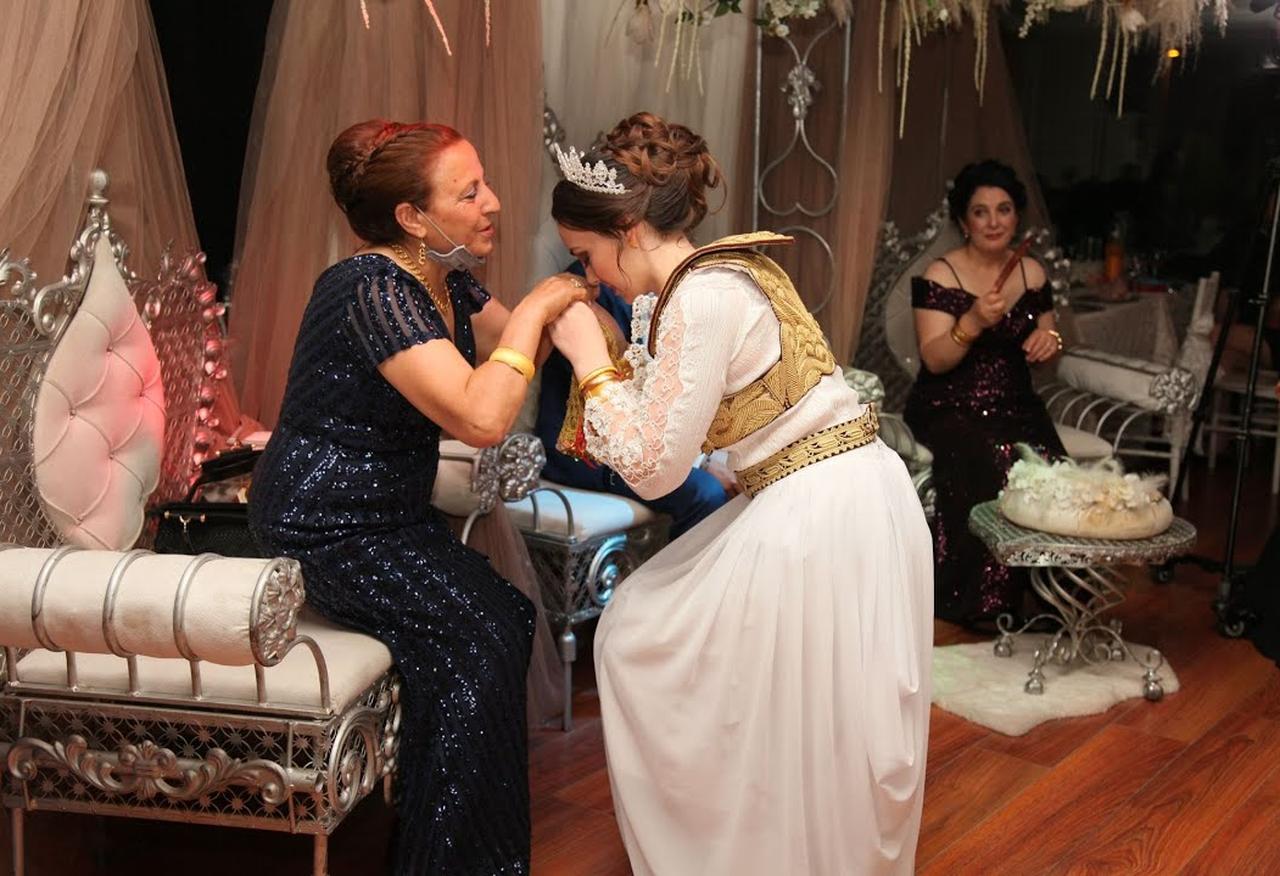
The practice was not limited to men or official encounters. Women also performed temenna, particularly during wedding ceremonies.
In some traditions, a bride greeted her groom with a respectful gesture before taking his arm.
Among Albanian communities, a similar ritual involved a bride touching different parts of her body in sequence before kissing her mother-in-law’s hand, symbolizing service, affection and respect.
The pace and execution of the gesture carried meaning, with slower movements seen as more favorable.


 Set as preferred source
 Set as preferred source


 3 min read

 1 min read