

 Newsletters


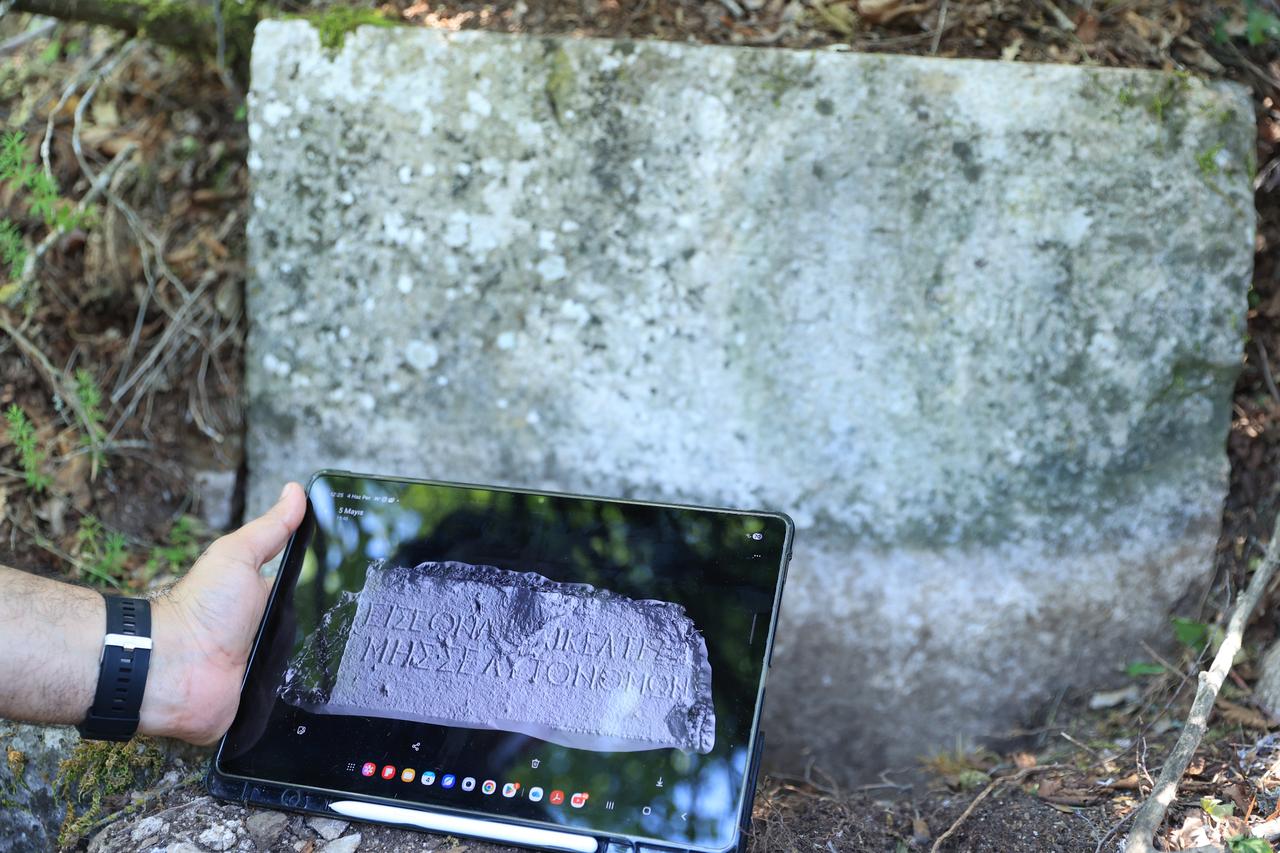


Researchers in Antalya have identified two significant inscriptions near the collapsed gate of ancient Termessos, one declaring the city’s independence and another linked to an ancient divination practice using astragalus bones.
Researchers working at the ancient city of Termessos in southern Türkiye have identified inscriptions that shed light on both the city’s political identity and the daily decisions of its residents.
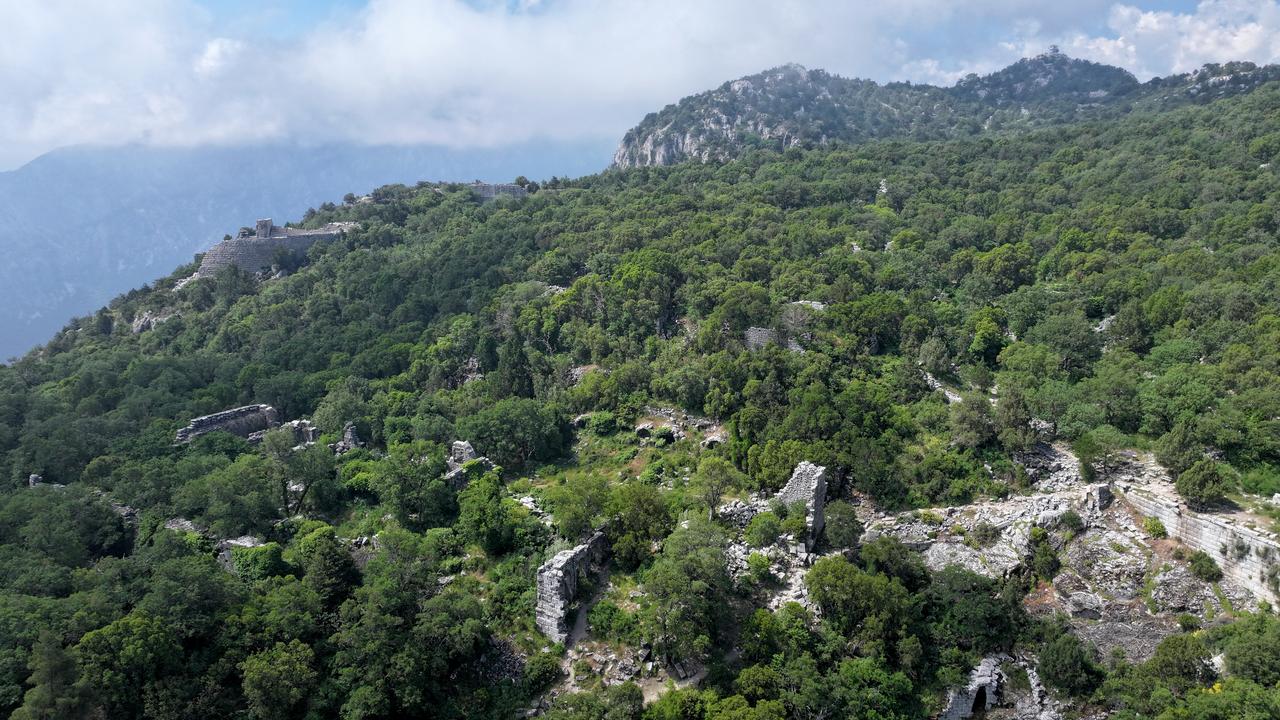

The inscriptions were found near the collapsed gate of Termessos, an ancient city located inside Gulluk Mountain National Park in Antalya province. Known for its rugged, eagle’s nest-like position, the city has long drawn attention because of its dramatic setting and well-preserved ruins.
The newly identified blocks were studied by Mustafa Kocak of Antalya Bilim University and Fatih Onur of Akdeniz University. The gate had been recorded by foreign researchers as still standing in the 1880s, but it later collapsed, leaving inscribed stones scattered around the entrance area.
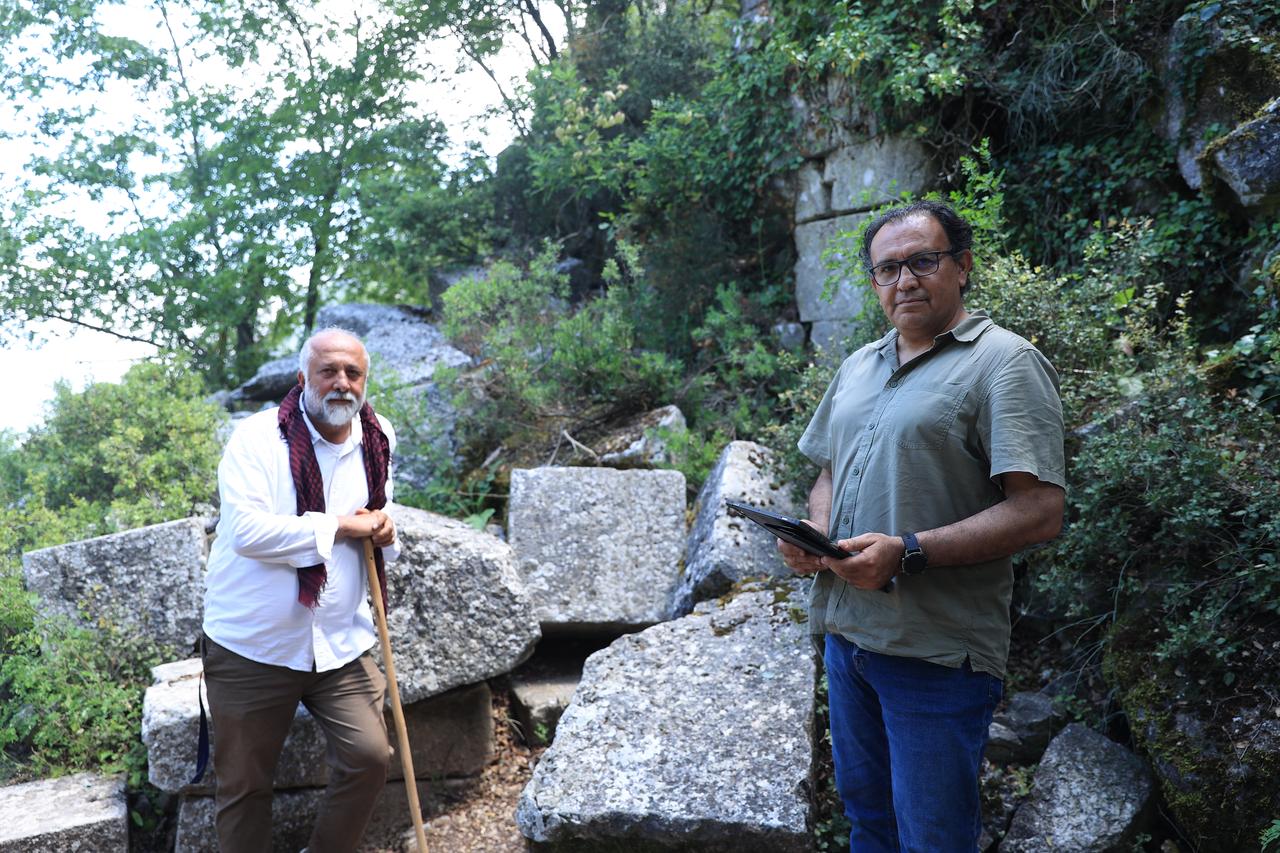
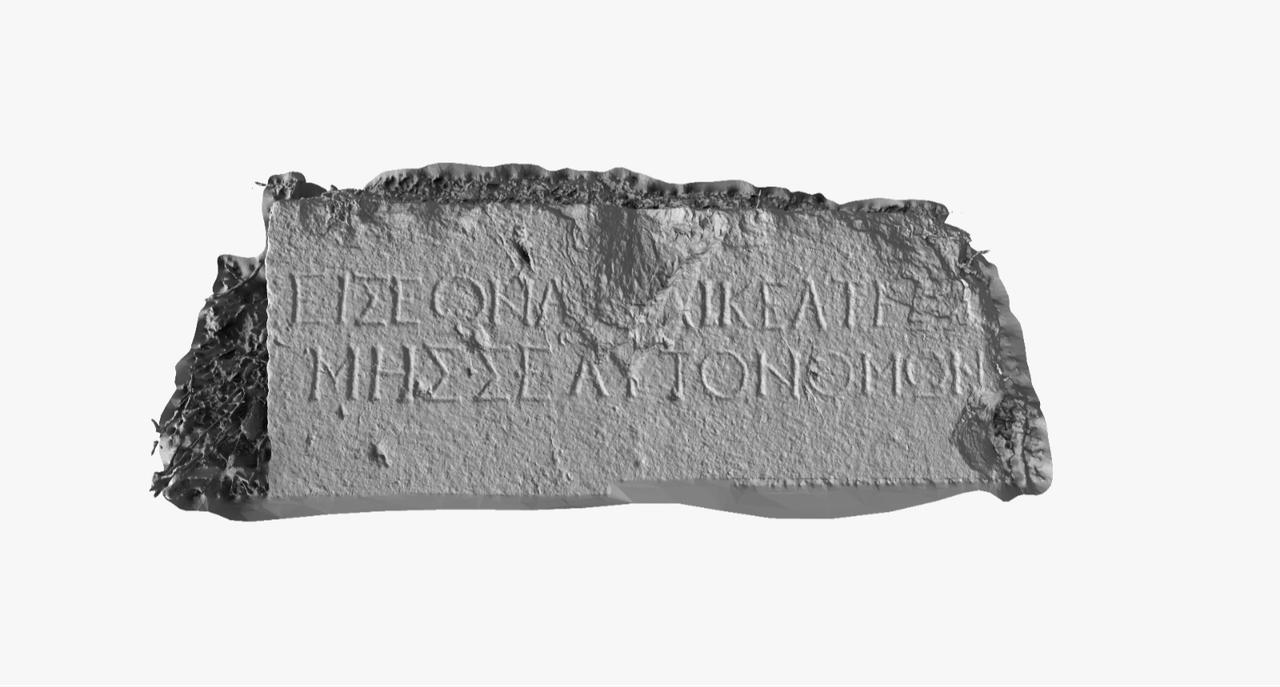
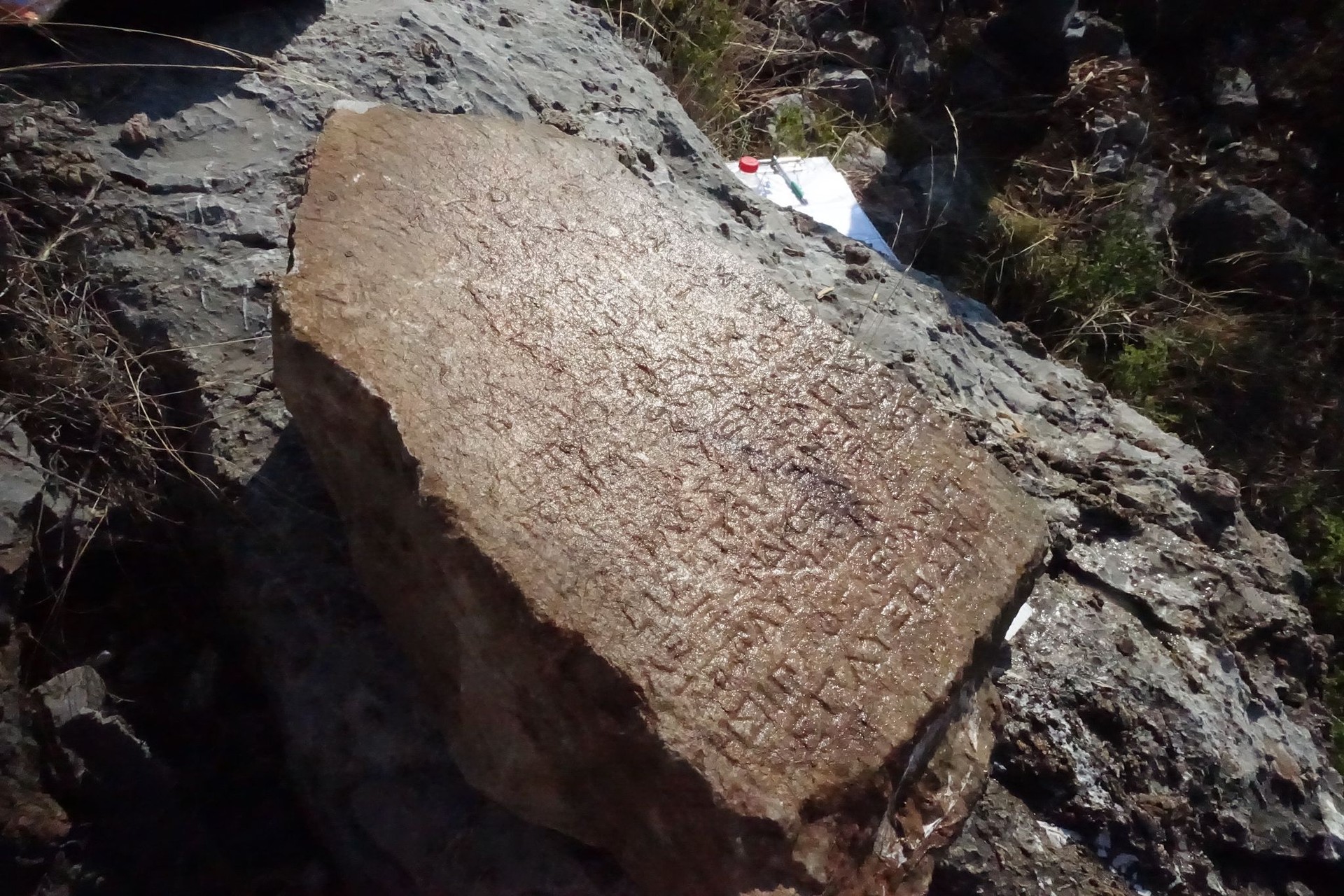
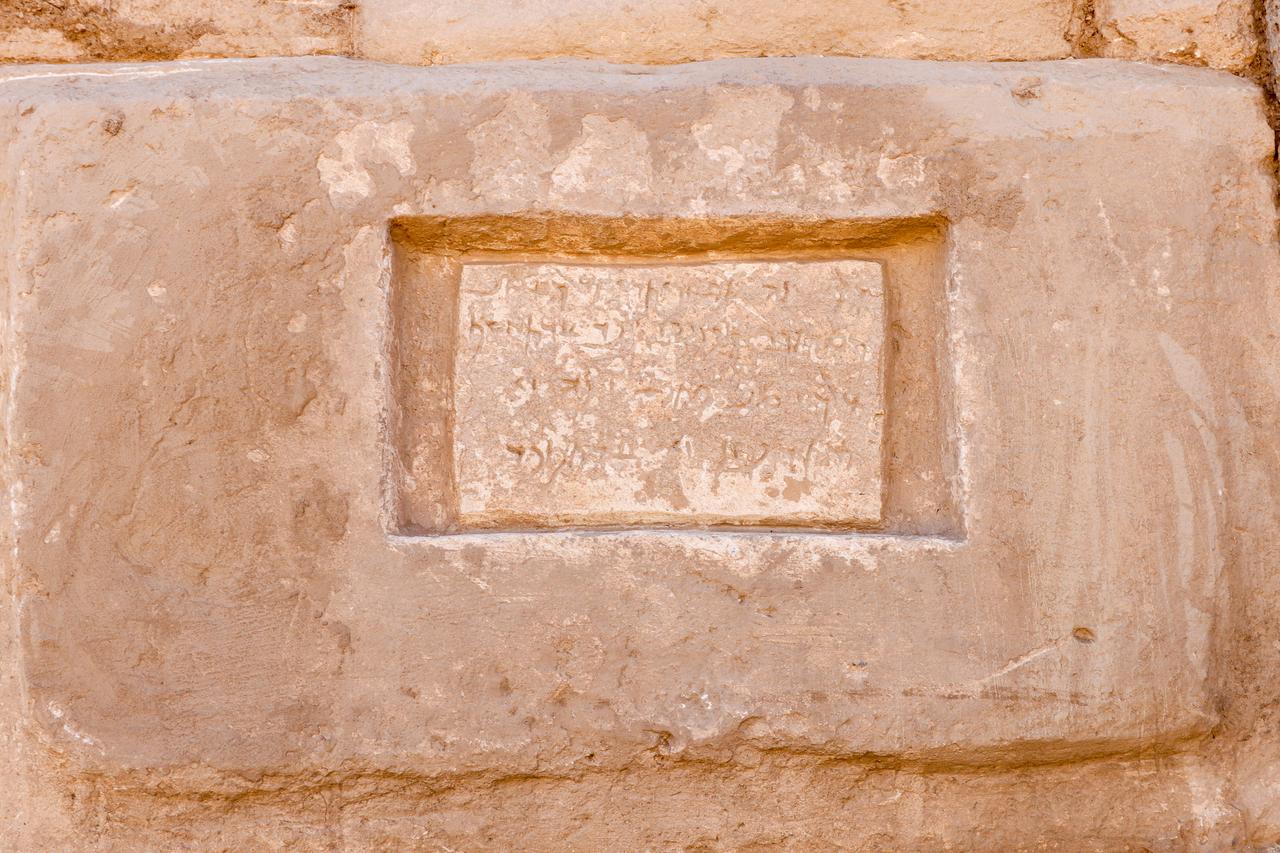
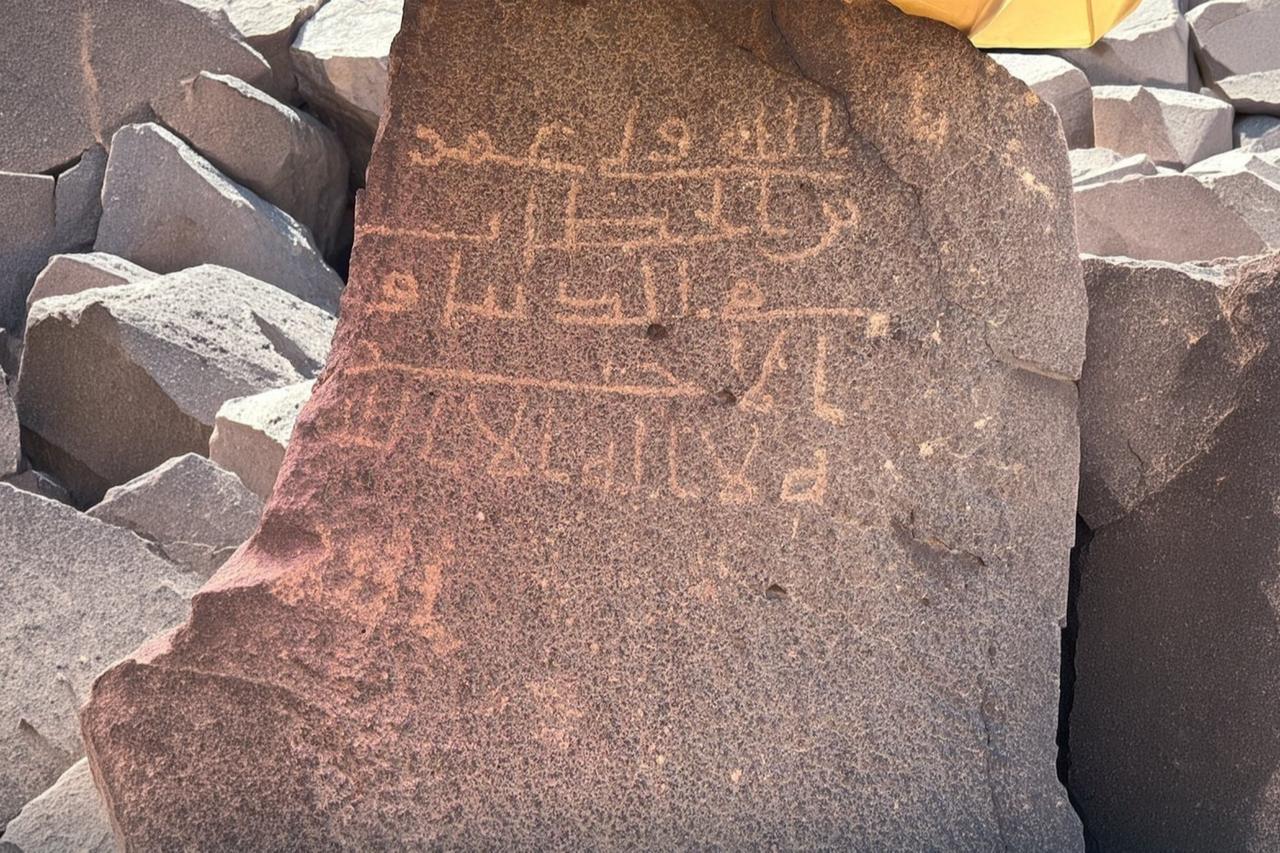
The inscriptions were largely worn away and could not be read with the naked eye. Researchers used digital modeling and other technological methods to make the text legible again.
One inscription, positioned where people entering the city would have seen it, was identified as an independence inscription. It reads: “May the rights of the independent Termessians last forever.”
Kocak said the finding was important because it showed that Termessos openly presented its independent status at the city gate. He noted that written sources and coins had already shown Termessos to be an independent city both before and during the Roman imperial period, but this inscription made that status visible to everyone arriving at the entrance.
He said the team aims to restore the gate in the coming years so visitors can once again see the inscription in a setting closer to its ancient appearance.
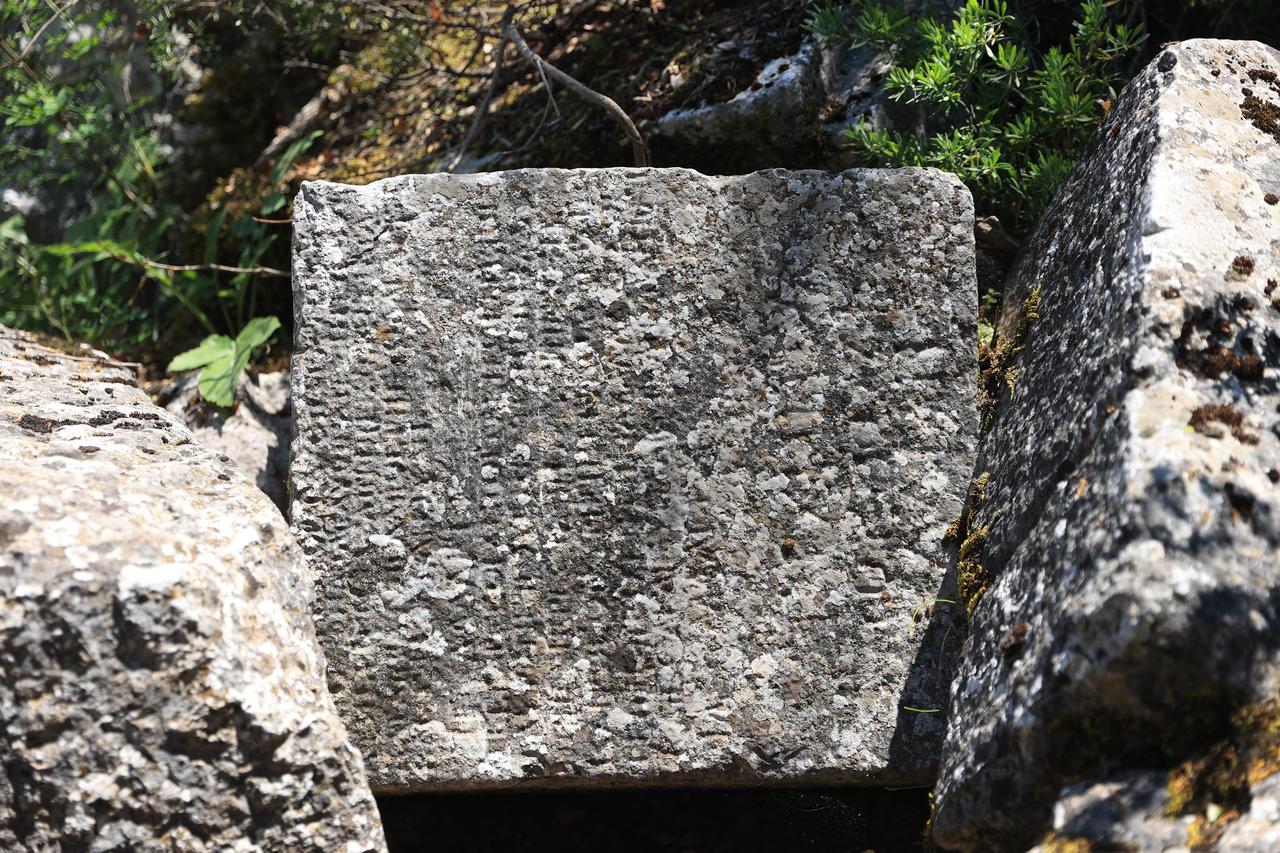
Researchers also identified another inscription connected to divination, a practice used in antiquity to seek guidance before making decisions. In this case, the system involved astragalus bones, small animal ankle bones that were thrown like dice and assigned numerical values.
The inscription includes responses such as “Do not trade today,” “Do not go where you intend to go” and “Go where you want to go.”
Onur said the Termessos system used seven bones, producing different combinations that matched written answers. Three blocks of this type have survived, including one in a visible location near the city gate.
 1 min read
According to Onur, a person preparing to leave the city could throw the astragalus bones near the gate and receive guidance based on the resulting numbers. The responses could include instructions such as “Do not travel,” “Trade” or “Do not trade,” and were expressed in poetic language.
Excavations and studies at Termessos are being carried out under Türkiye’s Culture and Tourism Ministry’s “Heritage for the Future” Project.


 Set as preferred source
 Set as preferred source


 1 min read


