Newsletters


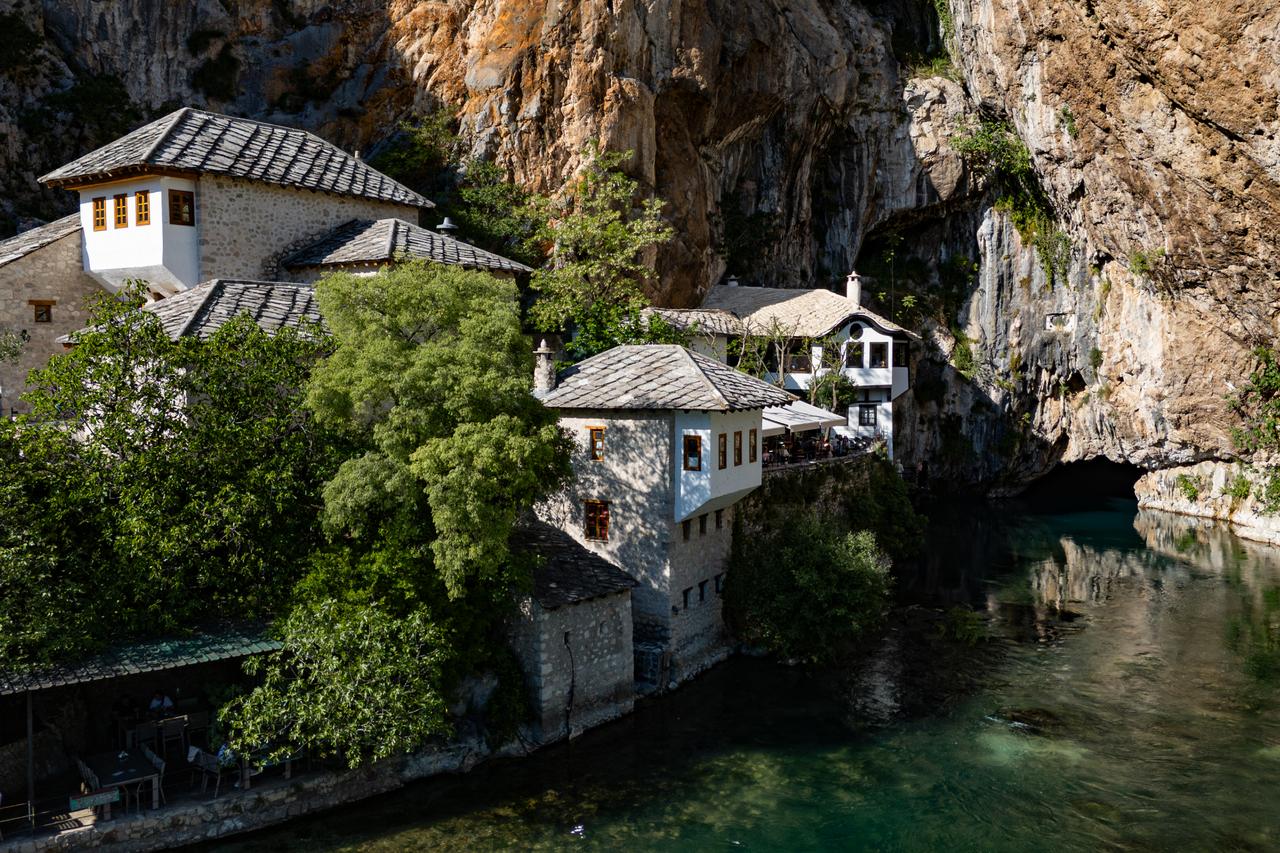


Blagaj Tekke, located approximately 15 kilometers from the city of Mostar, continues to attract significant attention as one of the most prominent cultural and spiritual heritage sites in the Balkans. The 16th-century Ottoman-era Sufi lodge is situated at the base of a steep limestone cliff, beside the source of the Buna River, one of Europe’s largest karst springs.
The structure, also known as the Alperenler Tekke, is widely believed to have been established by dervishes originating from Anatolia around six centuries ago. Historically, it functioned as both a spiritual retreat for Sufi practitioners and a resting place for travelers, reflecting the broader role of tekkes in the social and religious landscape of the Ottoman Balkans.
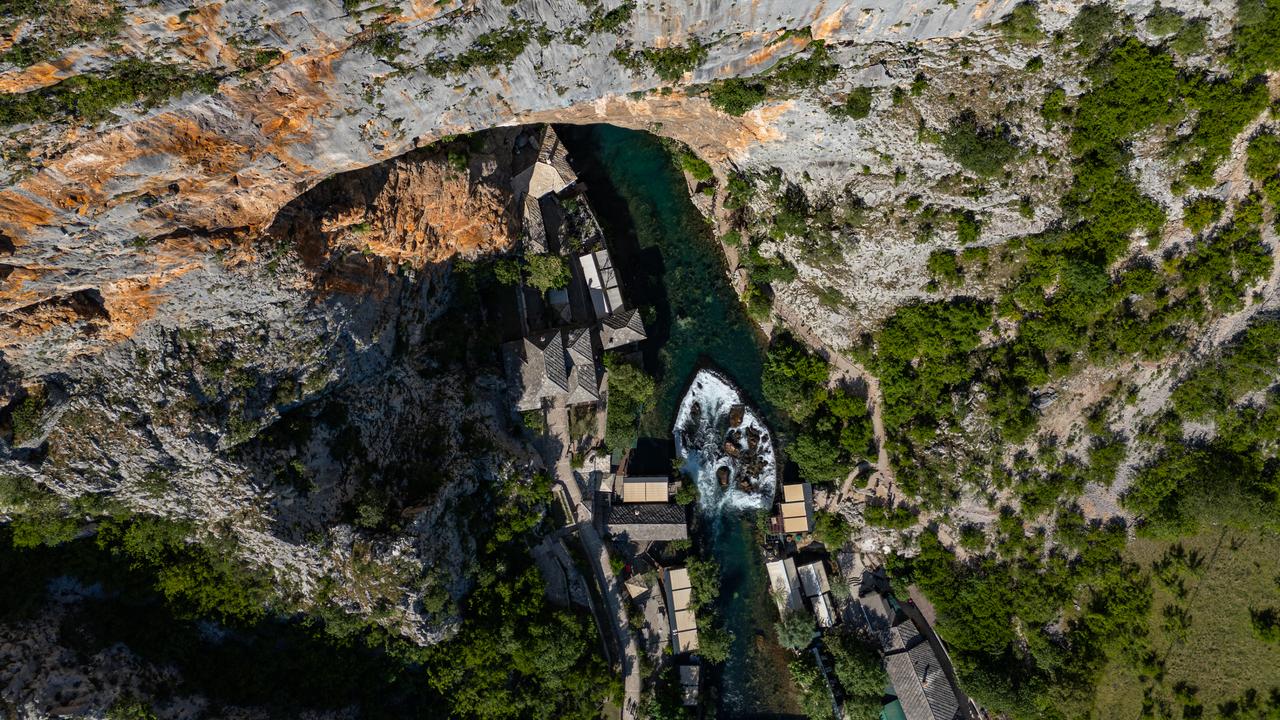

The site is noted for its distinctive setting, where the Buna River emerges directly from a cave beneath towering rock formations. The combination of natural geography and Ottoman architecture has made Blagaj Tekke a major point of interest for both cultural tourism and heritage preservation.
The complex includes a small turbe (tomb) traditionally associated with Sari Saltuk, a semi-legendary 13th-century Sufi figure and disciple of Haci Bektas Veli. According to regional oral traditions, Sari Saltuk played a symbolic role in the spread of Islamic mysticism throughout the Balkans, and multiple sites across the region are linked to his legacy.
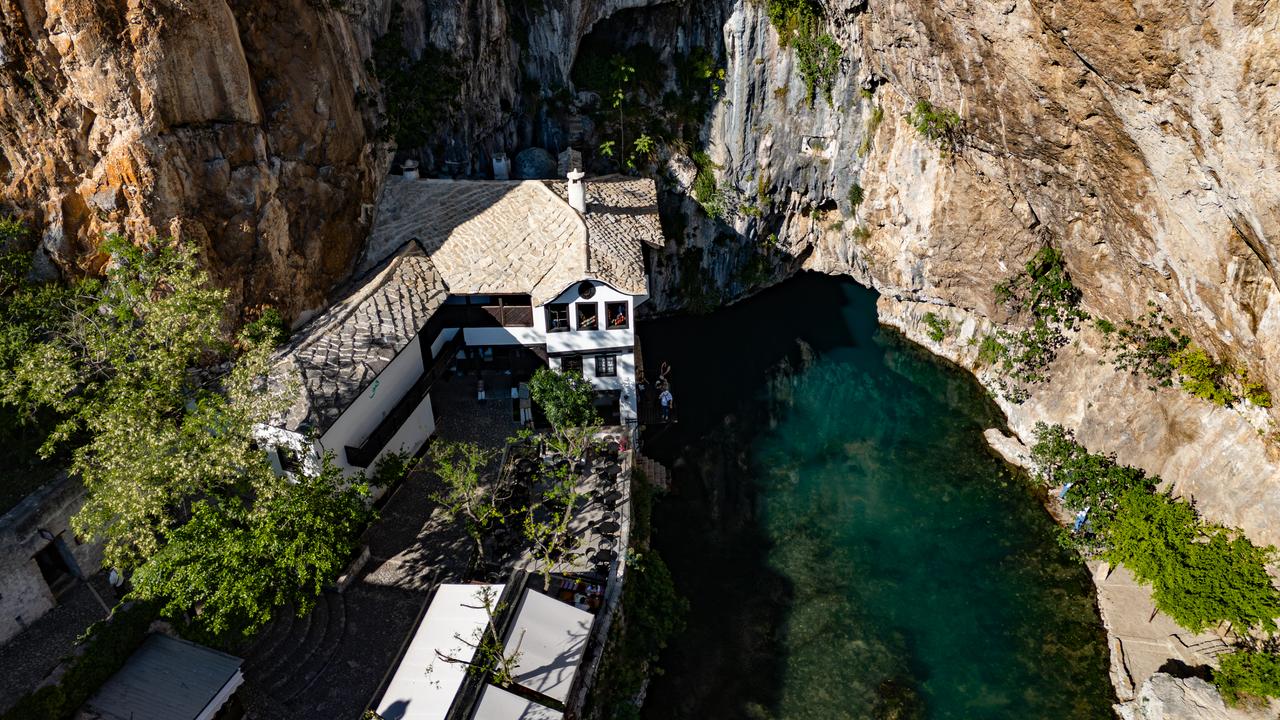
Historical sources, including the writings of Ottoman traveler Evliya Celebi in the Seyahatname, reference Blagaj as an important center of learning and spiritual practice during the Ottoman period. Architectural elements of the tekke reflect classical Ottoman design, including whitewashed masonry, wooden structural details, and later stylistic influences such as a modest form of baroque ornamentation.
In 2007, the cultural landscape of Blagaj and its surrounding heritage sites was inscribed on the UNESCO World Heritage Tentative List, recognizing its historical and cultural significance within the region.


 Set as preferred source
 Set as preferred source


 1 min read

 1 min read