Newsletters


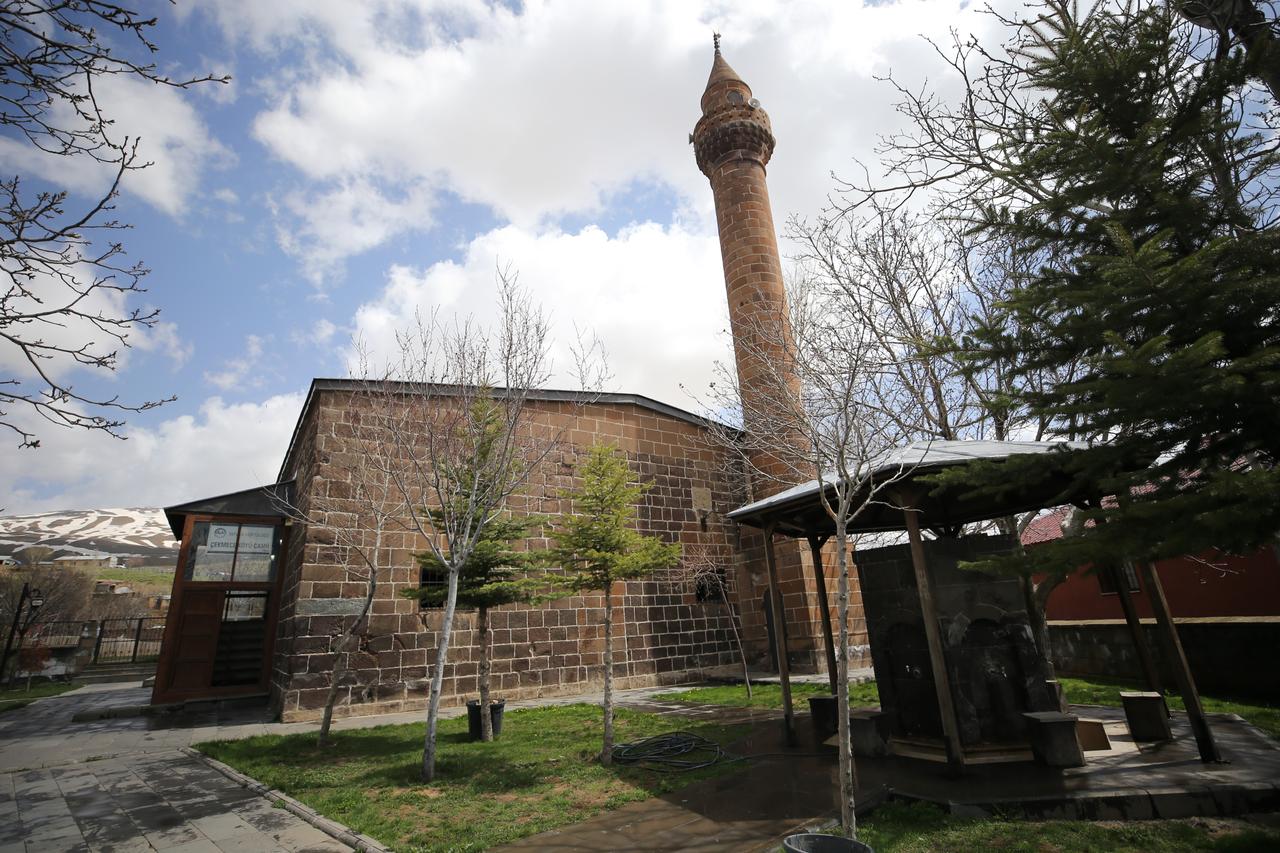


Rising against the dramatic landscape of Mount Nemrut in eastern Türkiye, the historic Cekmece Village Hagia Sophia mosque stands as a rare testament to centuries of cultural and religious transformation.
Believed to date back to the sixth century, the former Byzantine church-turned-mosque in Bitlis’ Tatvan district is captivating visitors with its monumental stone architecture, ancient inscriptions and carefully preserved historical character.
Originally constructed as a church, the building has served as a mosque since the 1930s. It underwent a comprehensive restoration between 2013 and 2015 under the coordination of the Bitlis Regional Directorate of Foundations and Türkiye’s Ministry of Culture and Tourism before being reopened for worship and tourism.
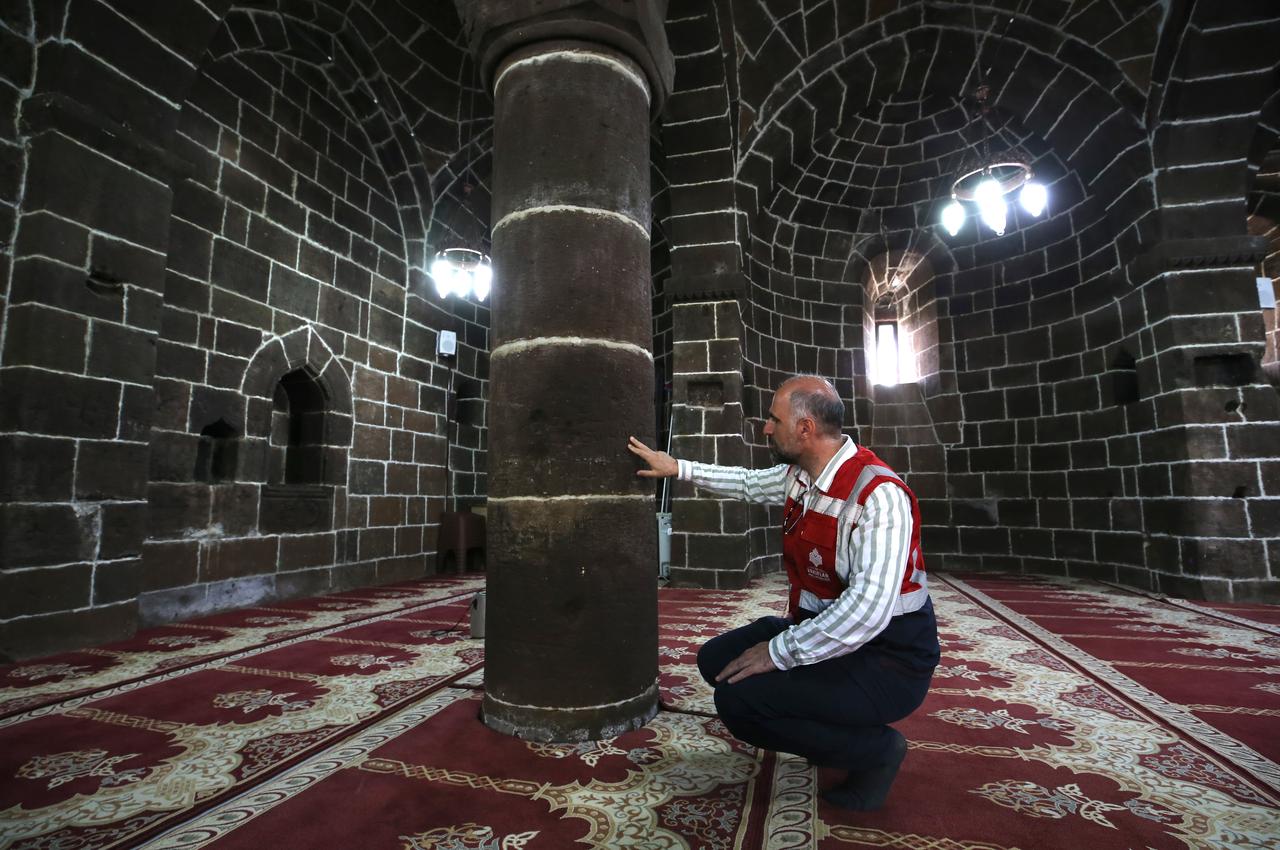

The mosque is distinguished by its stone craftsmanship, architectural details, decorative motifs and historical inscriptions, drawing both domestic and international tourists throughout the year.
Taha Mamuk, head of the Artworks Department at the Bitlis Regional Directorate of Foundations, said the structure is recognized as one of Türkiye’s nine Hagia Sophia mosques.
“The mosque is located in Cekmece village on the Nemrut Caldera route,” Mamuk said. “Although no inscription related to its construction was found during restoration work, scientific assessments and comparisons with similar churches indicate that it was built around 500 AD.”
Mamuk noted that the structure holds particular importance as the only known church-to-mosque conversion in Bitlis province.
“Because the building was converted from a church into a mosque, it carries the name Hagia Sophia Mosque, like its famous namesake sites found in Istanbul and Trabzon,” he said. “This makes it a valuable cultural and historical monument for the region.”
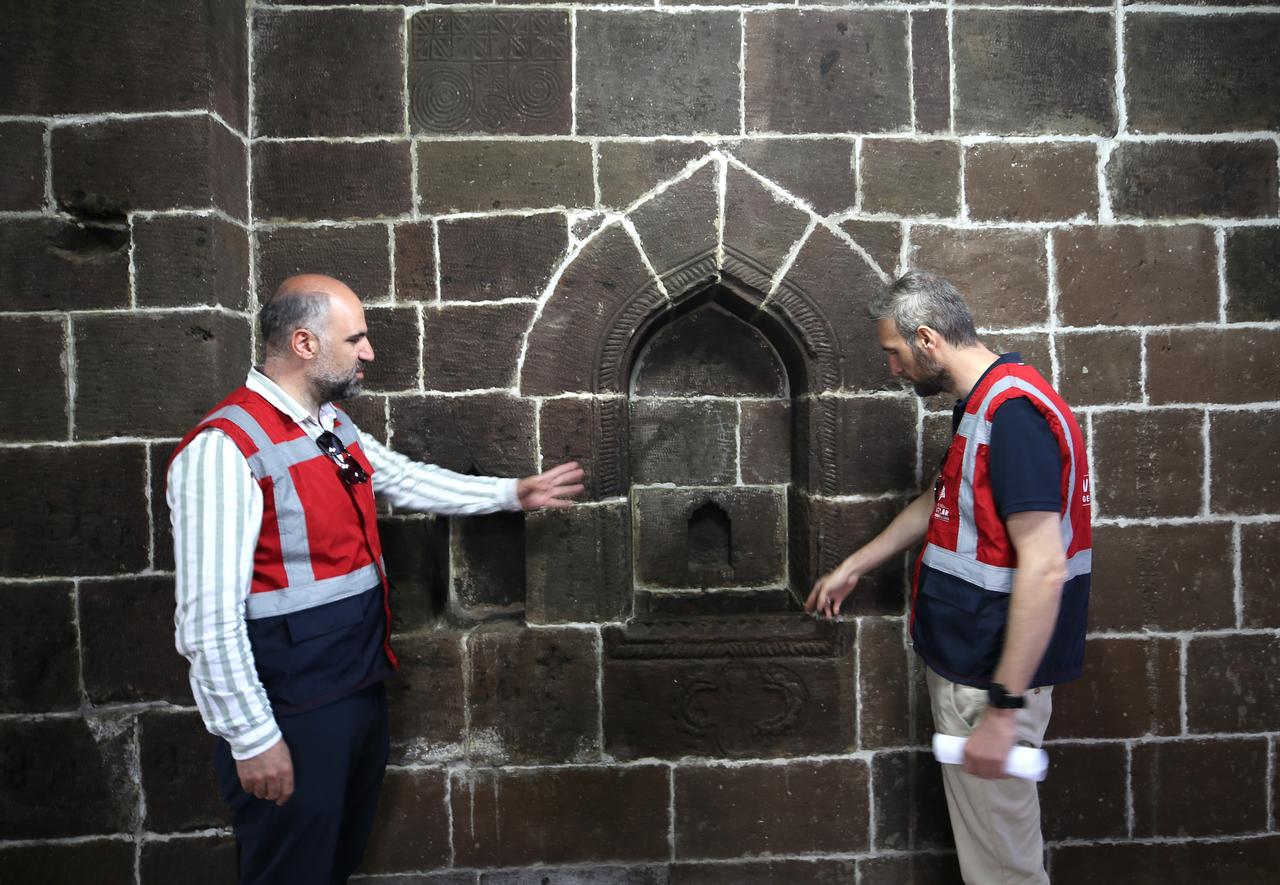
Architect Metin Aksit, who also works at the regional directorate, said the mosque acquired its present form following the addition of a mihrab niche and minaret.
“The mosque consists of three sections and features a flat roof structure,” Aksit said. “Built from volcanic tuff stone sourced from Nemrut, the structure stands out for its architectural elements, ornaments and inscriptions carved into the stone.”
Officials say the growing number of visitors to the Nemrut region has also increased interest in the mosque, contributing to local tourism and helping preserve awareness of Bitlis’ cultural heritage.


 Set as preferred source
 Set as preferred source


 1 min read
 1 min read