Sign in
 Newsletters


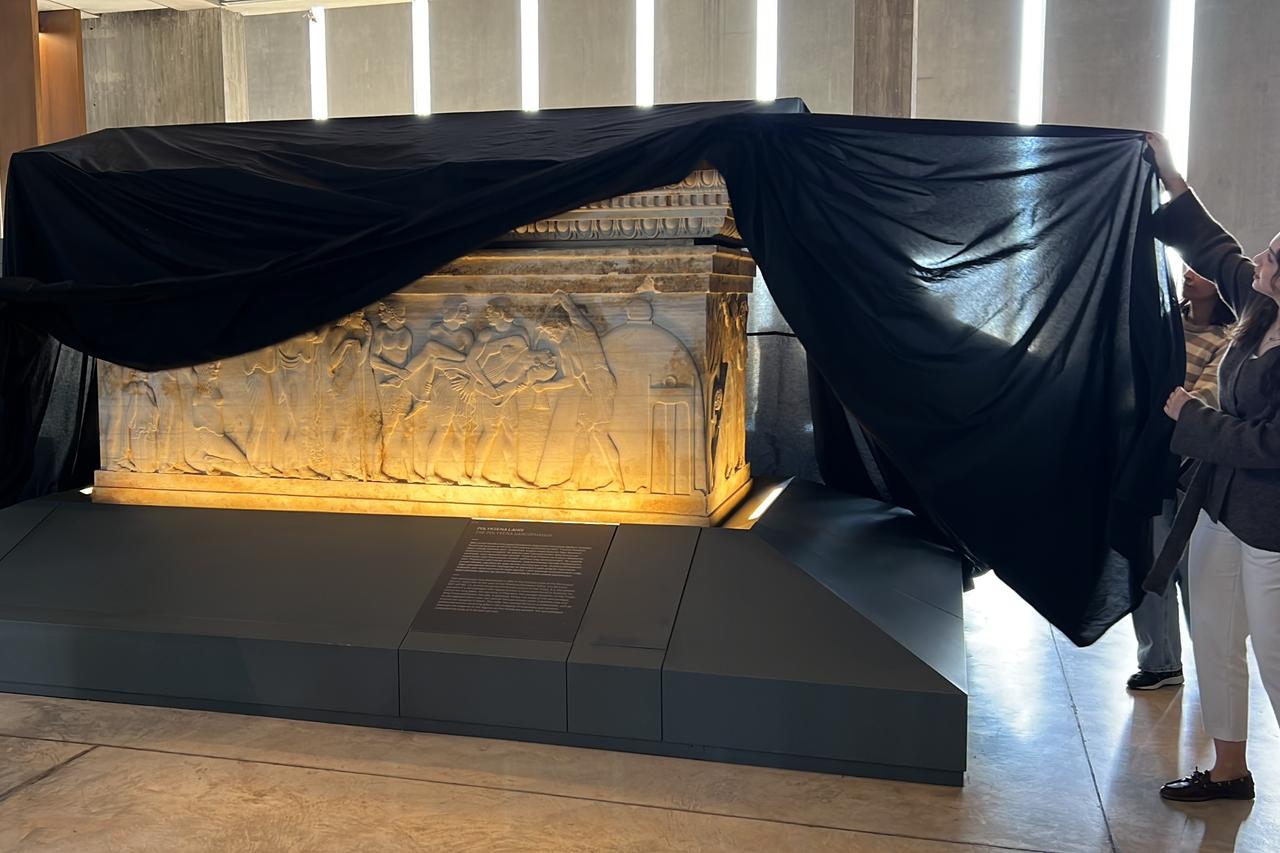


The Troy Museum in Türkiye's northwestern province of Canakkale covered its 2,500-year-old Polyxena Sarcophagus with a black cloth on Wednesday, drawing attention to violence against women through one of its most significant archaeological artifacts.
The symbolic initiative marked the International Day for the Elimination of Violence Against Women on Nov. 25, with the museum covering the ancient sarcophagus for 10 minutes and placing a white rose on top of the black cloth.
The artifact, discovered in 1994 at the Kizoldun Tumulus, an ancient burial mound in Canakkale's Biga district, features reliefs depicting the sacrifice of Polyxena, the youngest daughter of Trojan King Priam and Queen Hecuba.
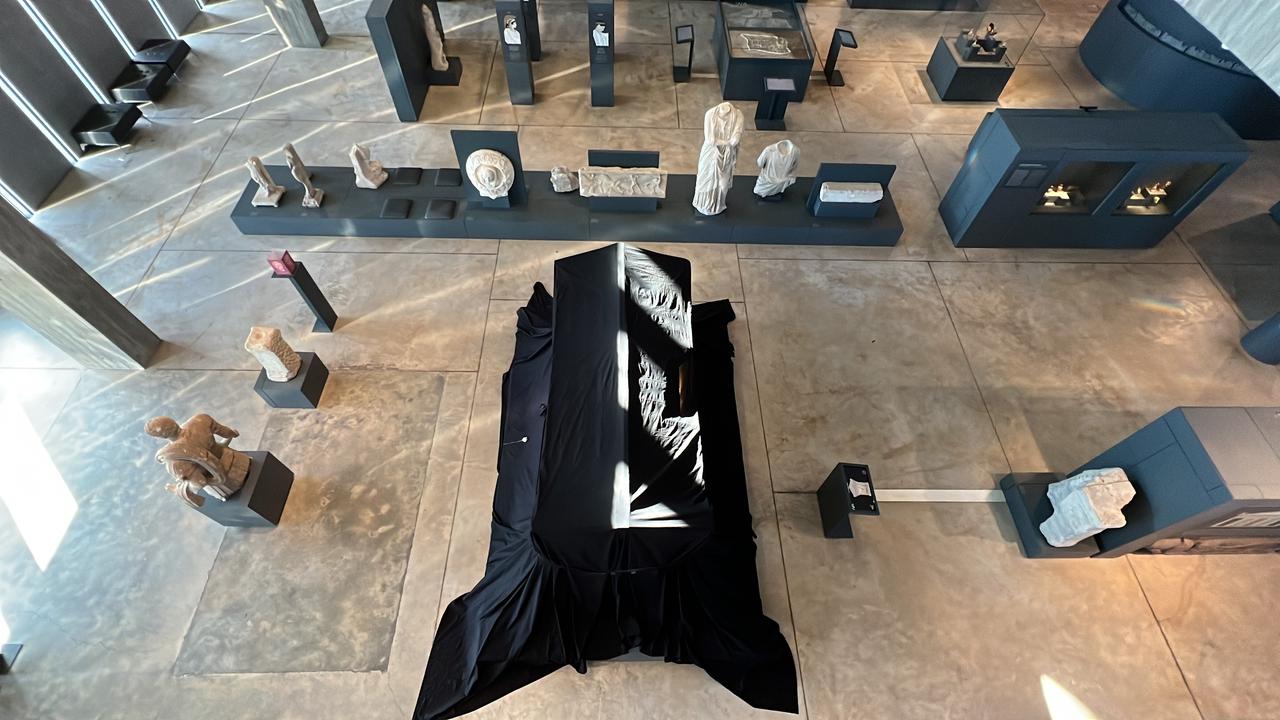

Troy Museum Director Sinem Duzgoren described the Polyxena Sarcophagus as one of the oldest and most monumental artifacts depicting violence against women.
According to the mythological narrative depicted on the sarcophagus, Polyxena was sacrificed at the tomb of Achilles by his son Neoptolemus following the Trojan War.
Duzgoren explained that the museum organized the initiative to raise public awareness and highlight how violence depicted in ancient times continues to exist in different forms today.
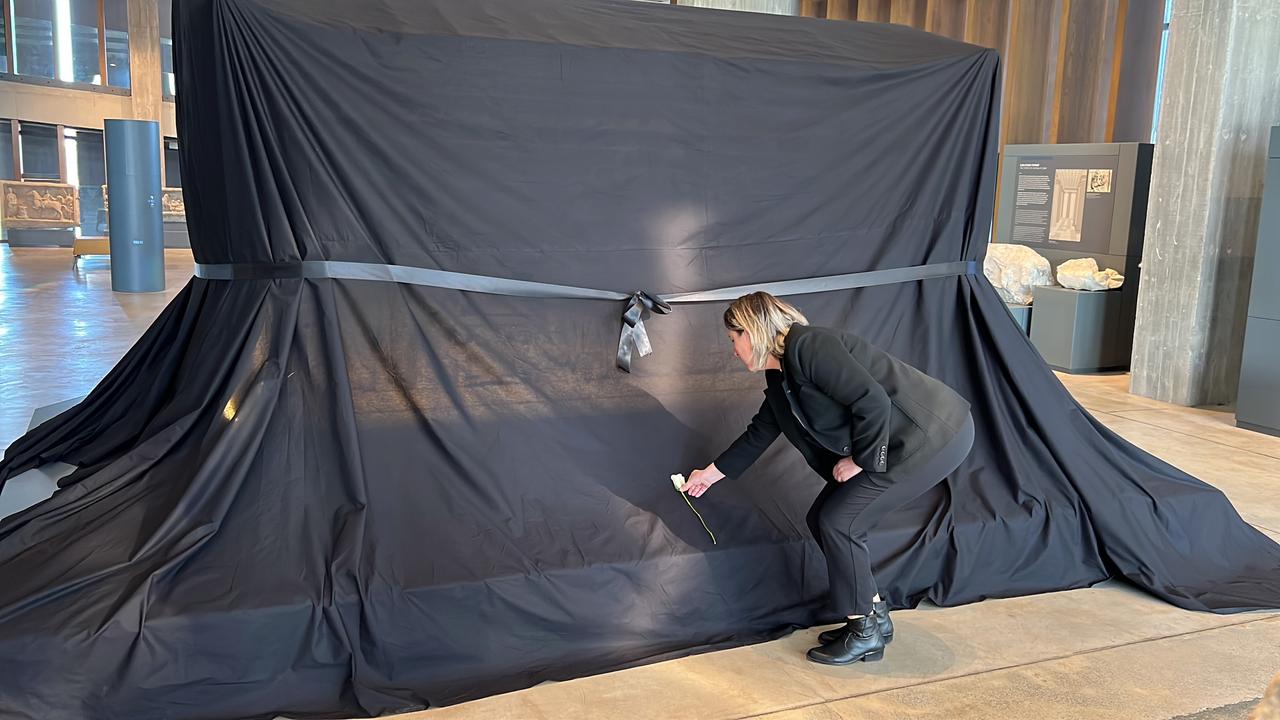
While the black cloth served as a reminder of violence against women throughout history, the white rose placed upon it represented hope and life.
"Although Polyxena's story dates back thousands of years, it remains a symbol of a social wound that persists to this day," Duzgoren said.
The sarcophagus is housed at the Troy Museum, which showcases archaeological finds from the ancient site of Troy, whose history stretches back 5,600 years.


 Set as preferred source
 Set as preferred source


 2 min read