Sign in
 Newsletters




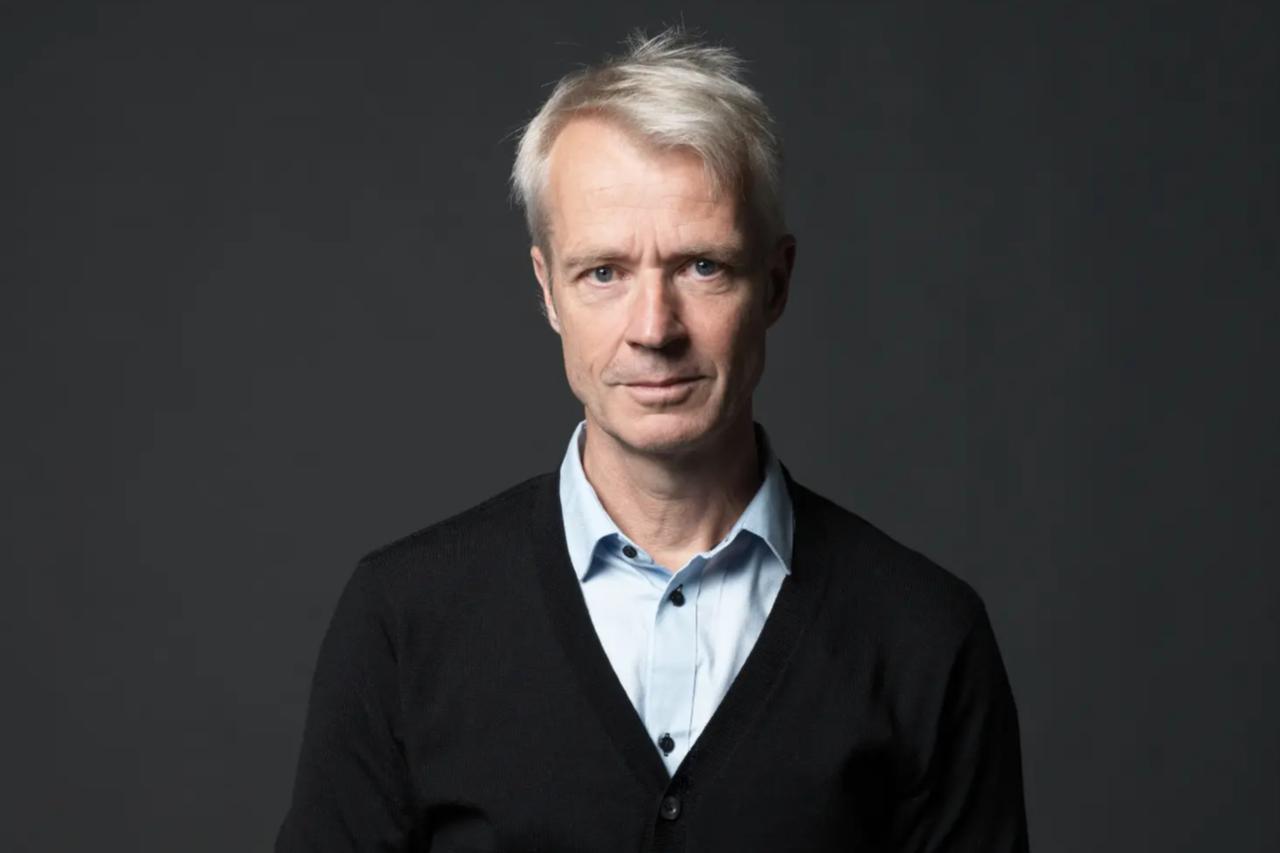
Turkish author Abdullah Kibritci has uncovered the remains of an Ottoman outpost in Chad's Sahara Desert, following five years of research into the forgotten history of Ottoman soldiers who ventured deep into Africa more than a century ago.
During a field expedition in 2024, Kibritci and three companions came across the remains of an extensive complex covering nearly 10 hectares (25 acres) at Ayn Galakka, where Ottoman soldiers were stationed in 1911.
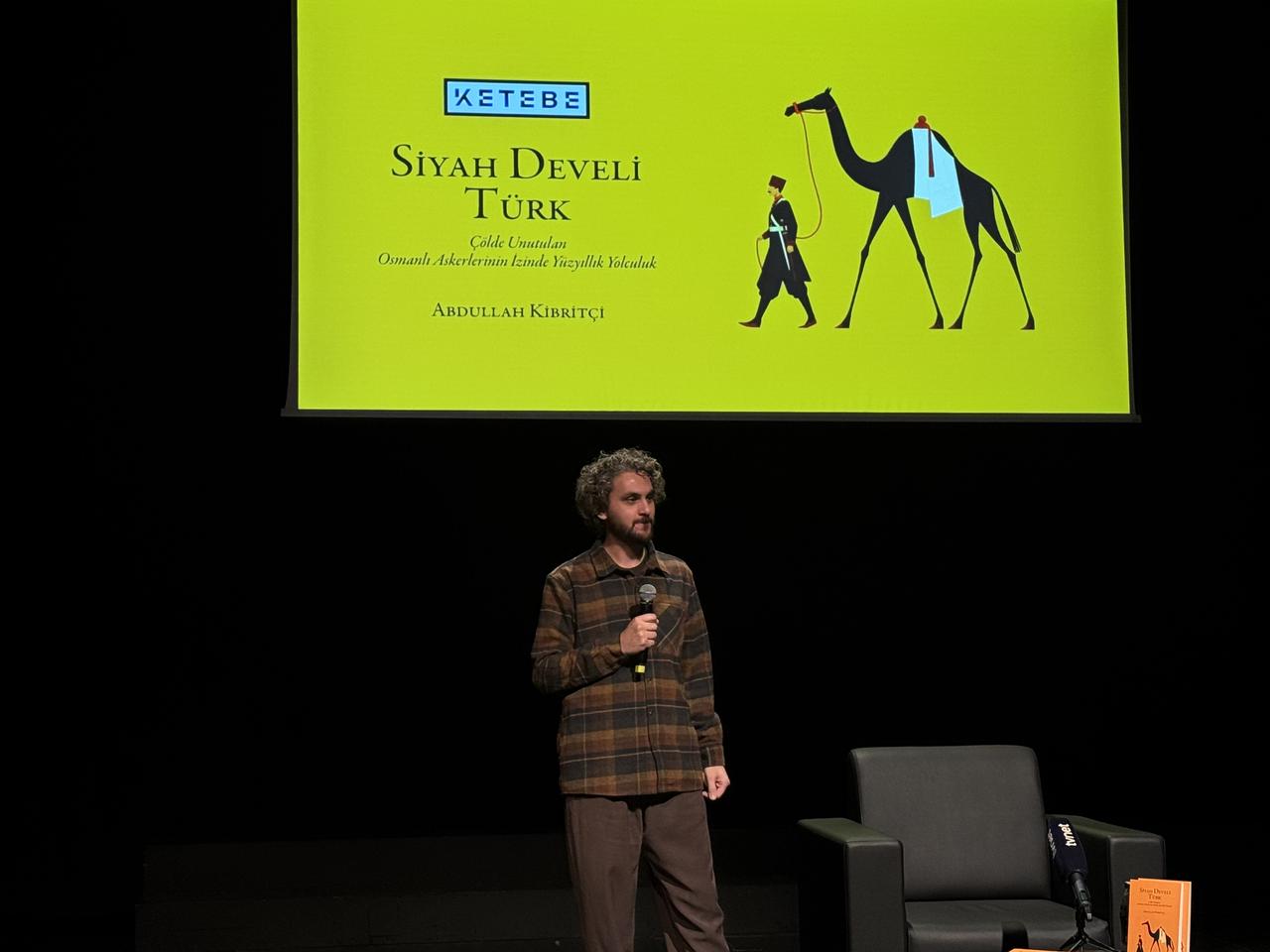
Kibritci shared his findings during an event at Istanbul's Baglarbasi Cultural Center, where he discussed his book "Siyah Develi Turk" (The Turk with the Black Camel), published by Ketebe Publishing.

Kibritci's interest in the Sahara grew out of a journey to Chad in 2014, followed by documentary filming expeditions in 2017 and 2021.
During his third visit, he traveled to a remote village in Chad's Unyanga region, where residents had limited access to education and healthcare and no internet or mobile phone coverage.
Despite the village's isolation, an elderly resident unexpectedly asked him about Turkish historian Fuat Sezgin, while others claimed that no Turkish person had ever visited their community.
Upon returning to Türkiye, Kibritci set out to investigate whether Turks had previously traveled to that part of the Sahara.
"Had no Turk really ever been to that part of the desert before? I asked myself this question, then fell down a rabbit hole that I have been trying to get out of for five years," he recalled.
Kibritci examined Ottoman, French and Italian archives, historical travel accounts and military reports while tracing Turkish expeditions across the Sahara from the 19th century onward.
His research also covered the history of the Tuareg and Tubu, communities inhabiting the Sahara, and their possible encounters with Turkish travelers.
A turning point came when academic and former Turkish Ambassador to Chad Ahmet Kavas encouraged him to look into the Ottoman presence at Ayn Galakka.
Drawing on a thesis by researcher Abdurrahman Cayci, Kibritci found that Ottoman Captain Rifki Bey had reached Ayn Galakka in 1911 after local tribes sought Ottoman assistance amid growing French and British pressure.
Following the outbreak of the Italo-Turkish War in 1911, Rifki Bey returned with some of his troops, leaving behind 30 Ottoman soldiers under the command of Mehmet Aga, a man from the southern Turkish city of Adana.
However, their fate became unclear after the Treaty of Ouchy, the 1912 peace agreement that ended the war between Italy and the Ottoman Empire.
"Where did these people go? What happened to them? Who was Mehmet Aga from Adana? Were their stories ever told? Did anyone ever set out to find them? I was deeply curious about all of this," Kibritci said.
When archival documents could no longer provide sufficient answers, Kibritci returned to the Sahara in 2024, carefully planning his expedition around security risks posed by armed groups and minefields.
During his fieldwork, he encountered an oral tradition surrounding a mysterious figure known locally as "Turk Dimiye Kidi," meaning "the Turk with the Black Camel," whose story has been passed down through generations.
According to Kibritci, local communities still describe brave and energetic children as being "like a Turk," while newborns are blessed with the words, "May you grow up to be like a Turk."
The author also identified similarities between the legendary figure and Mehmet Aga, exploring their possible connection in his book.
Following the route taken by Ottoman soldiers in 1911, Kibritci and his companions eventually reached Ayn Galakka, where they encountered a much larger complex of historical remains than anticipated.
"We thought we might find a few small things. Instead, we found traces of an enormous complex spread across nearly 10 hectares. We found the Ottoman outpost in a way we had never expected. We set foot there for the first time after 113 years," he said.
Kibritci explained that parts of the complex had gradually disappeared beneath the desert sands, while others had resurfaced through the movement of wind and sand.
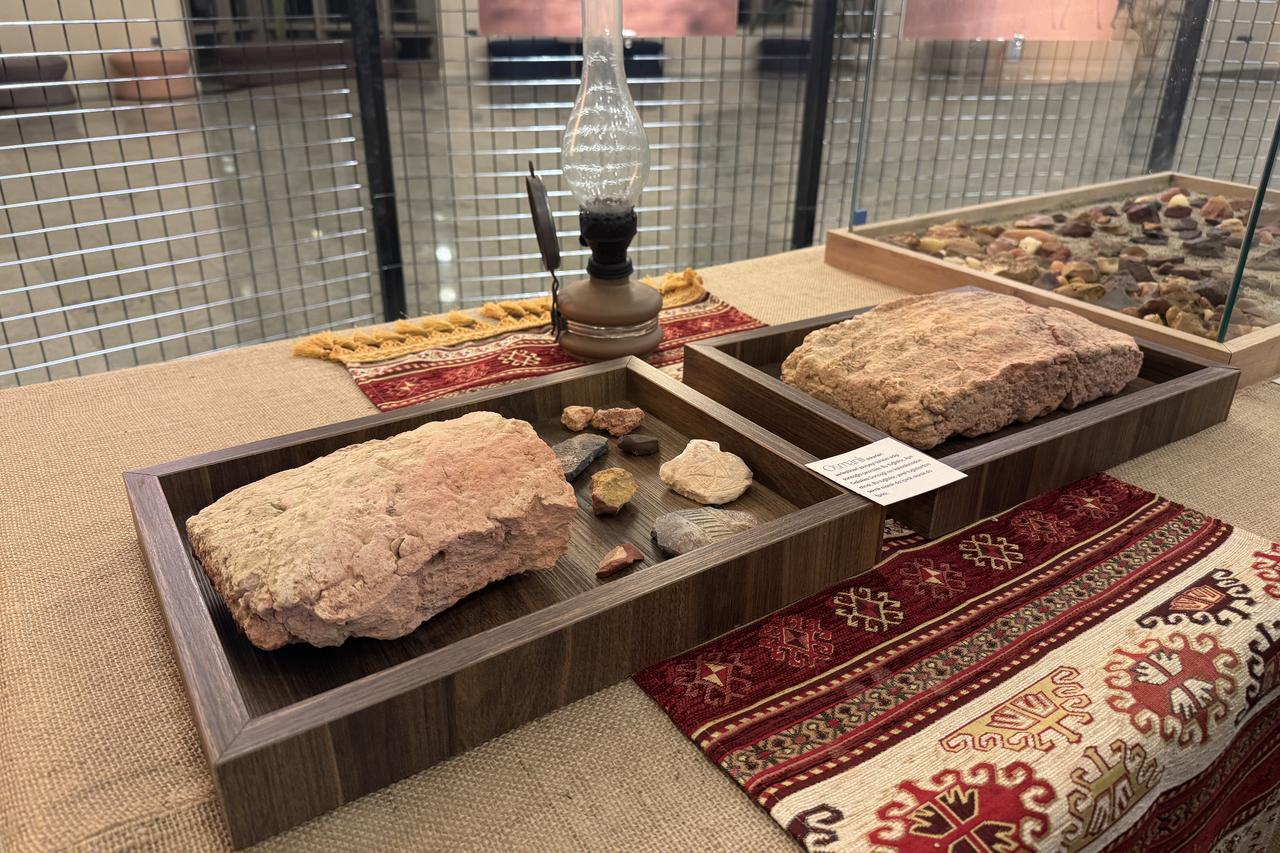
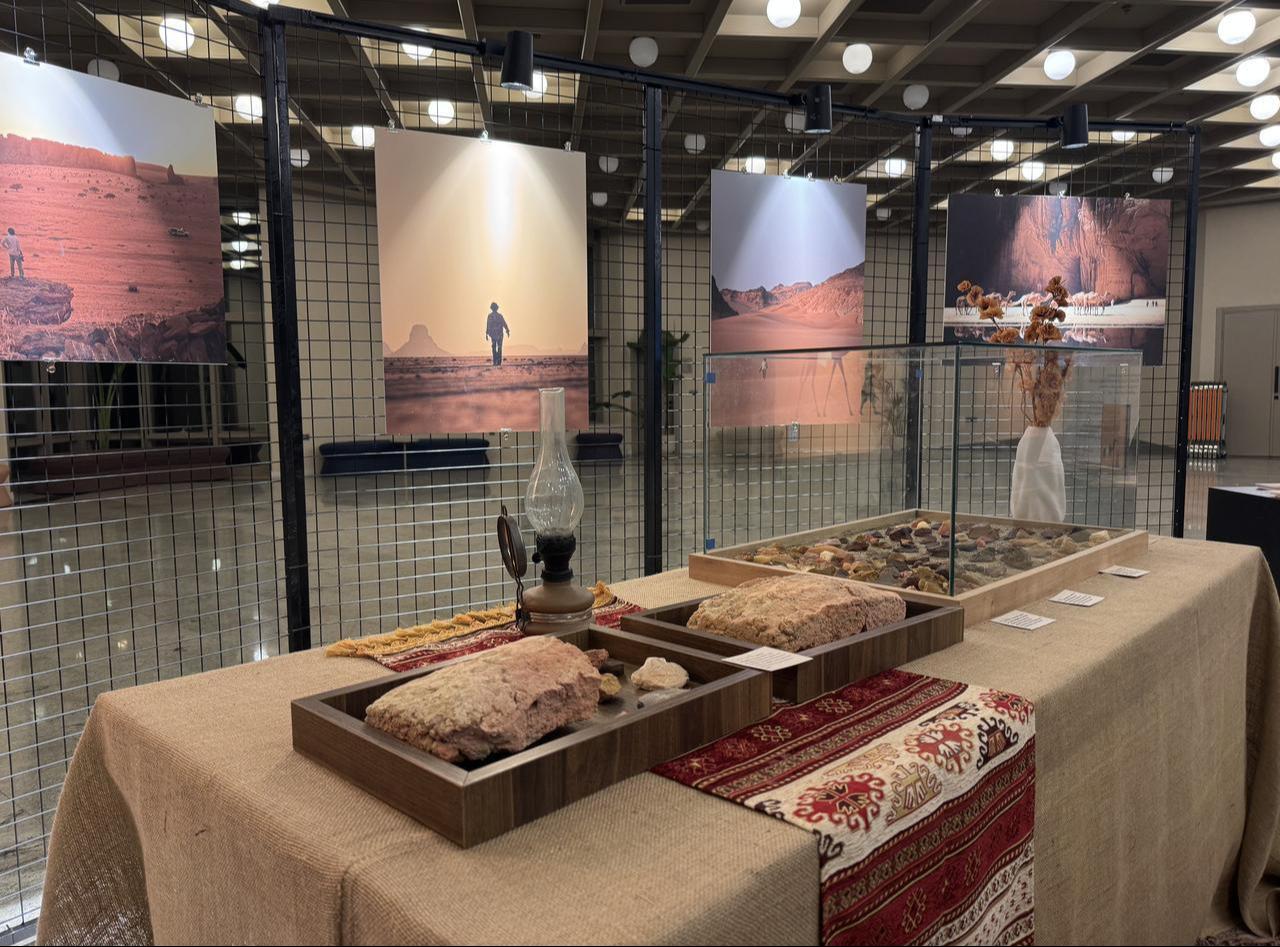
The exhibition accompanying the book launch in Istanbul also displayed stones collected during the expedition and small fragments from the Ottoman site.


 Set as preferred source
 Set as preferred source


 1 min read