Newsletters





Turkish TV series have grown into a global phenomenon, reaching nearly 1 billion regular viewers in close to 170 countries and turning Türkiye into one of the world’s most influential television exporters. Culture and Tourism Minister Mehmet Nuri Ersoy said the sector has become both a fast-growing part of the national economy and a powerful channel for sharing Turkish culture abroad.
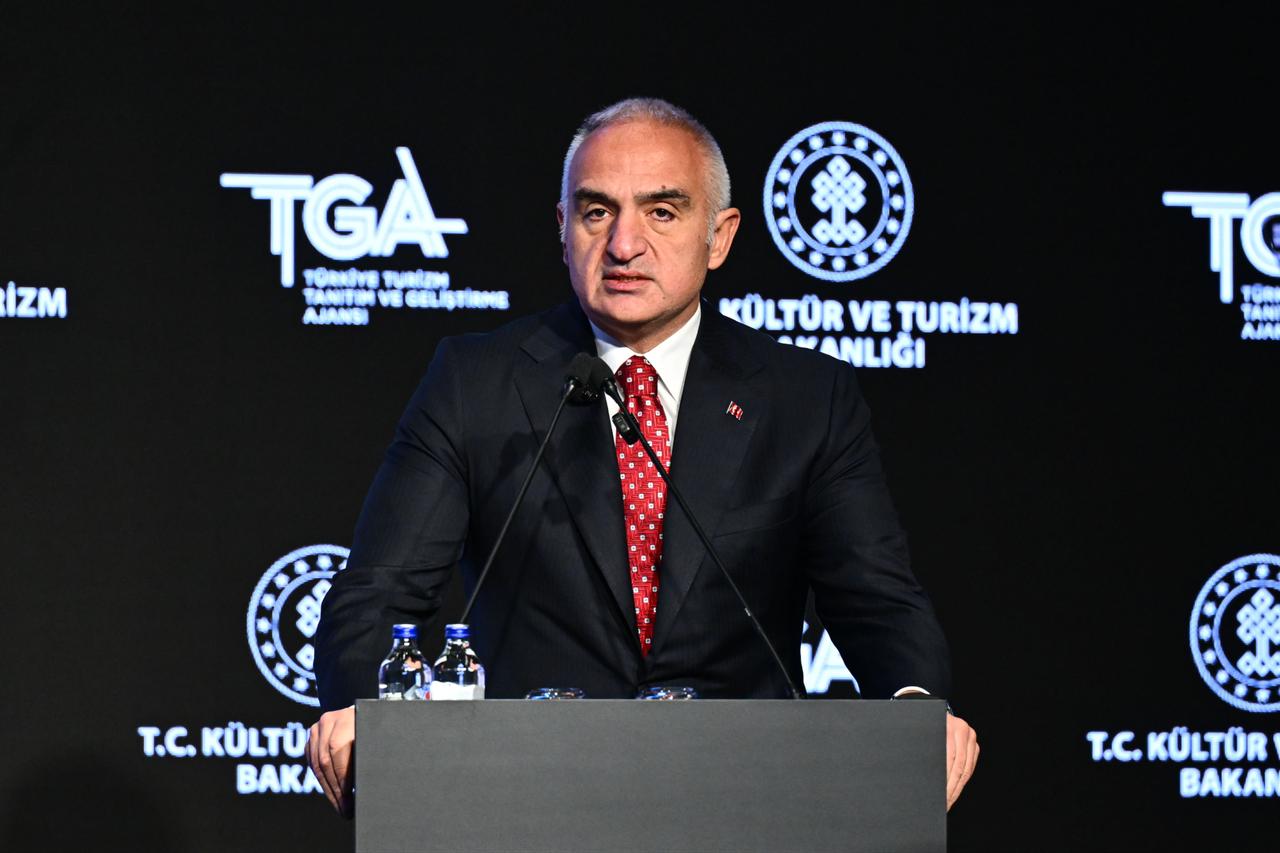
Speaking at a press briefing on TV and mini-series projects coordinated by the Turkish Tourism Promotion and Development Agency (TGA), Ersoy underlined that Türkiye is now using storytelling as a core promotional tool. Tourism, he explained, is no longer framed only around places, but is built up through emotion, daily life, and lifestyle, as shown on screen.


Ersoy said Türkiye ranks first worldwide in the number of TV series episodes produced each year and stands among the top three television industries globally, alongside the United States and the United Kingdom, in terms of sales and export strength. Turkish dramas are watched across a wide geography, from Latin America and the Middle East to Europe and Asia, with particularly strong audiences in countries such as France, Spain, and Italy, and growing interest in Northern Europe.
Export revenues from TV series have exceeded $1 billion, a level Ersoy described as proof of the sector’s international reach. He pointed out that these productions promote Turkish culture, values, and language at the same time, calling them Türkiye’s most effective soft-power instrument. One notable remark compared their impact to Hollywood’s role in spreading English, saying Turkish series have effectively become “the world’s largest Turkish language course.”
As part of its international strategy, Türkiye has woven TV storytelling directly into tourism marketing through the “TGA Series” concept. This approach involves short, story-driven mini-series produced for digital platforms and featuring well-known Turkish actors.
Projects such as Antalya Gambit, Istanbul My Love, Hidden Lover, and An Istanbul Story were highlighted as examples of how cities, culture, and everyday life are brought to global audiences in a narrative format. Ersoy said cast and crew approached these projects as if they were “wearing a national jersey,” signaling a shared sense of purpose in promoting the country.
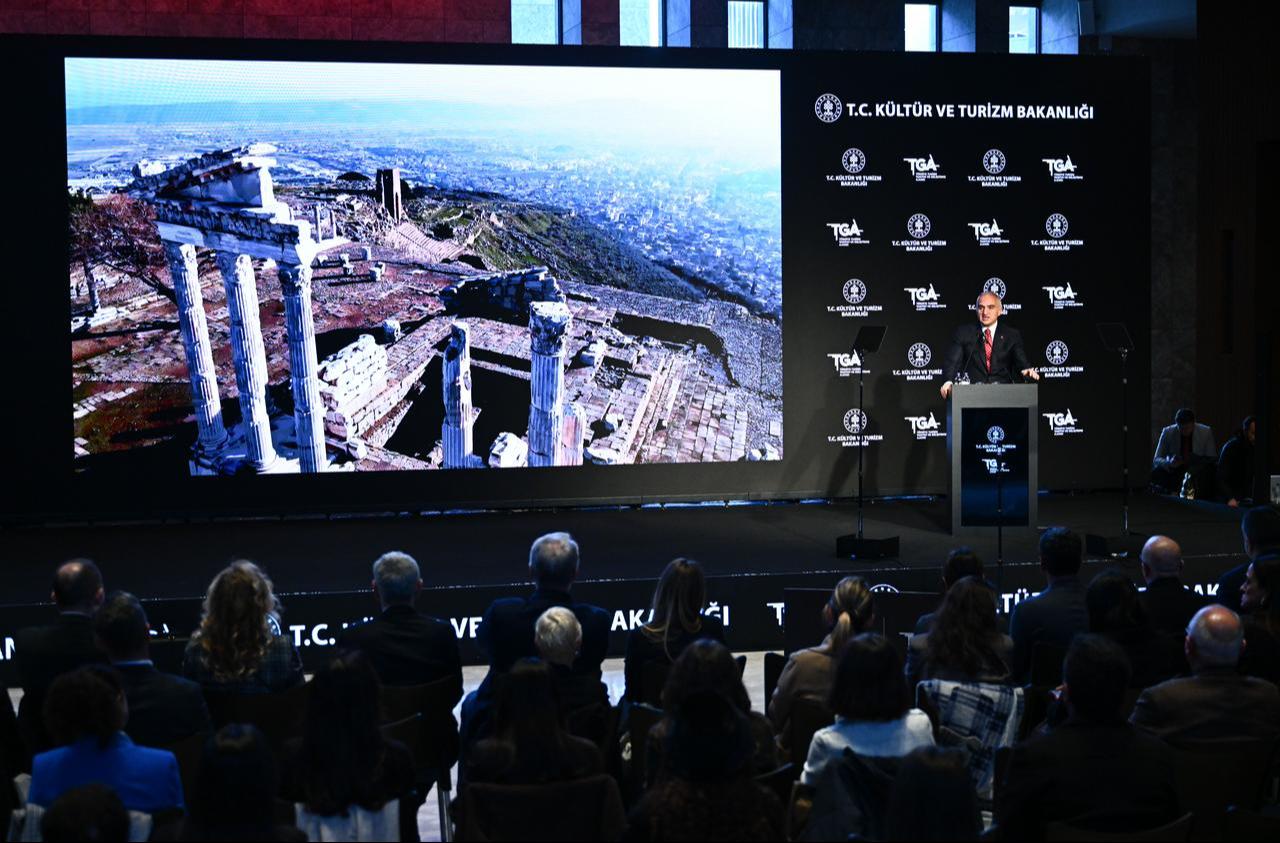
Ersoy said Türkiye has reshaped its tourism policy around a more diverse and sustainable model, offering more than 60 different tourism products. The TGA, founded six years ago, now runs digital promotion campaigns in nearly 200 countries.
The Go Türkiye platform has developed into a global hub broadcasting in 10 languages and reaching more than 21 million followers across major social media channels such as Instagram, YouTube, and TikTok. Through TGA, over 140 commercials and more than 100 promotional films have been produced, generating tens of billions of views and impressions worldwide. Two recently released mini-series alone achieved billions of impressions, supported by internationally recognized Turkish actors.
Leading production companies, including Ay Yapim and Med Yapim, play a central role in this strategy thanks to their strong international networks.
Looking ahead, Ersoy announced a new support program for the TV series industry, under which eligible productions will receive backing from the ministry.
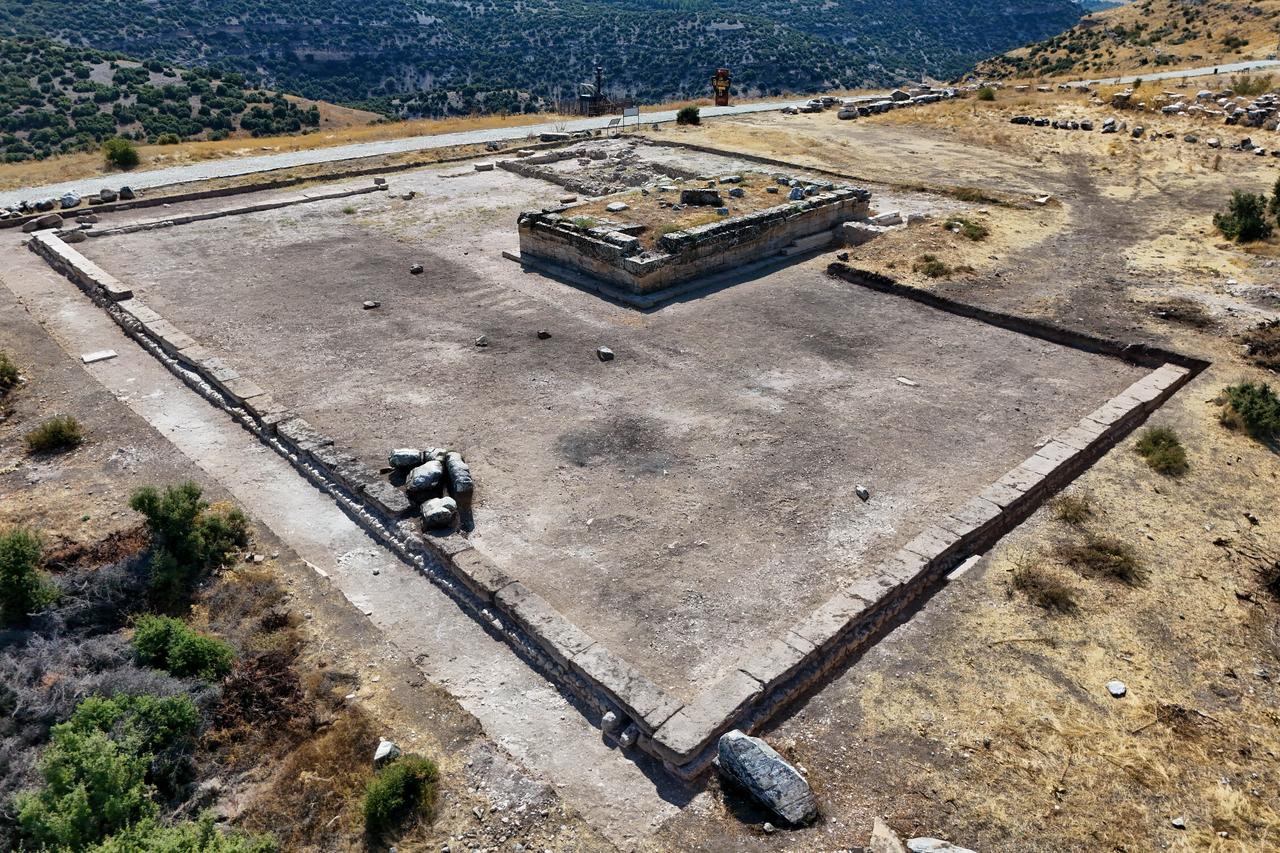
He also said restored ancient cities and archaeological sites will be opened up as filming locations under the Heritage for the Future Project, presenting Türkiye as what he described as “the world’s most powerful stage.”


 Set as preferred source
 Set as preferred source


 2 min read


 1 min read