Newsletters


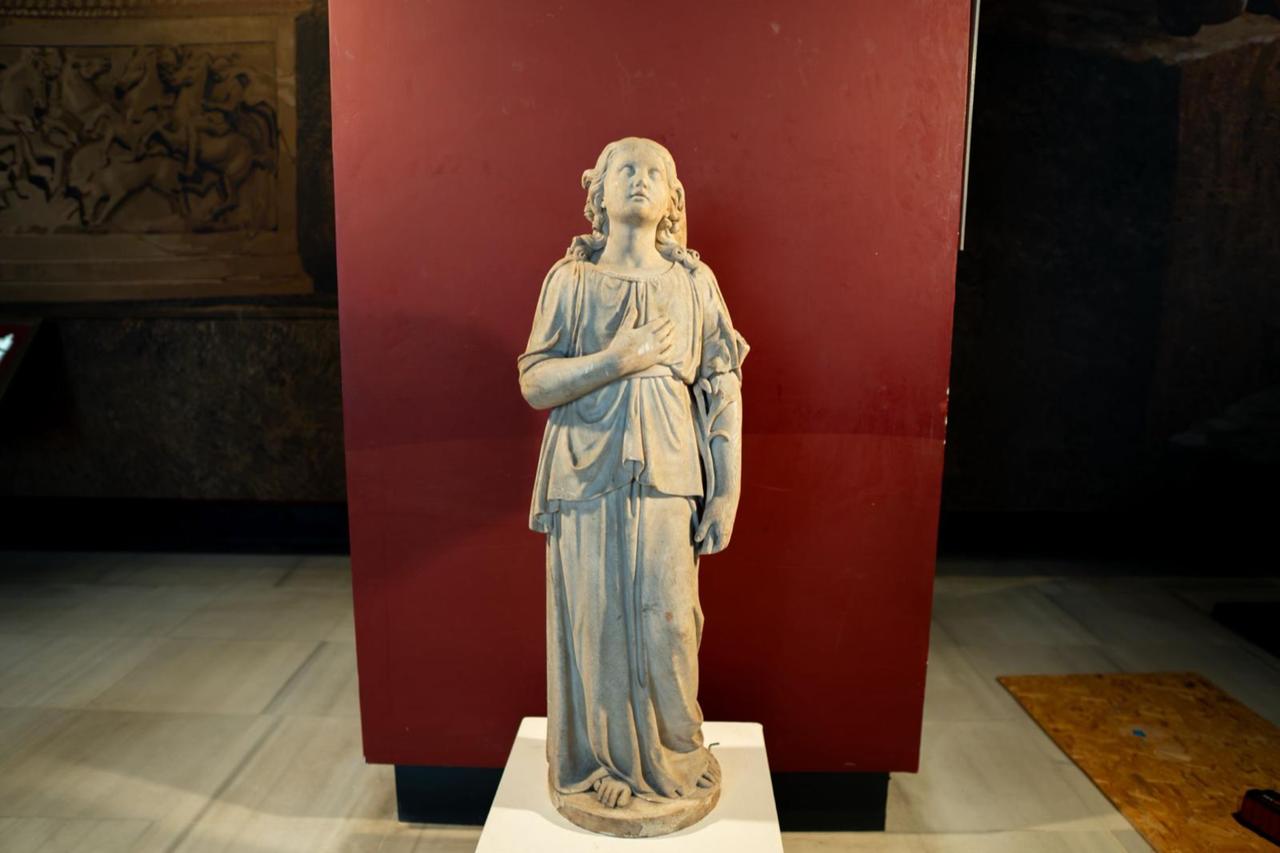


Türkiye’s Culture and Tourism Minister Mehmet Nuri Ersoy has formally handed over a stolen “angel statue” to representatives of the Greek Orthodox Patriarchate, marking the conclusion of a legal and scientific process that began more than two decades ago.
The artifact, originally taken from the garden of the Aya Yorgi Monastery on Heybeliada, one of the Princes’ Islands in Istanbul, had been recovered in a police operation in 2004 and held under protection until its provenance and ownership were fully confirmed.
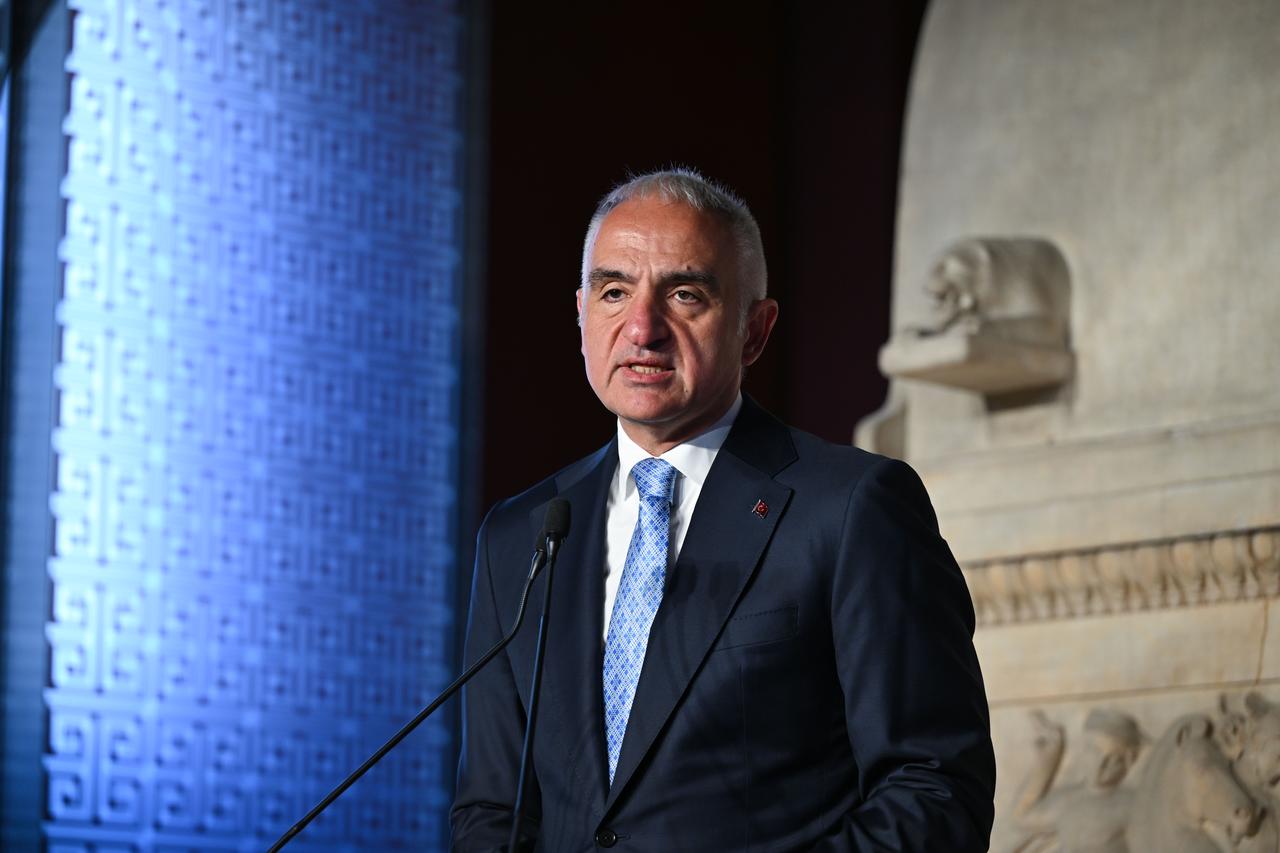

Speaking at a ceremony held at the Istanbul Archaeological Museums, Ersoy said the statue had been seized during an operation by Denizli police and later identified as belonging to the monastery.
He emphasized that once the artifact’s true origin was established, judicial procedures were carefully followed and the piece was preserved under secure conditions for years. Following the completion of legal processes and constructive dialogue with the Patriarchate, the statue was returned to its rightful place.
Ersoy described the handover not only as the return of an object but also as the restoration of cultural memory, highlighting that the process reflects law, mutual respect, and shared values. He also recalled a similar case in 2021, when icons stolen from churches on Gokceada were returned to the Patriarchate.
The minister pointed to growing public interest in Türkiye’s cultural heritage, noting that state-run museums and archaeological sites attracted more than 33 million visitors last year.
He added that international exhibitions have helped bring Anatolia’s deep history to global audiences, citing the Gobeklitepe exhibition held at the Colosseum in Rome and a follow-up exhibition in Berlin focusing on early Neolithic life in the Tas Tepeler region.
The Tas Tepeler excavation project, centered in Sanliurfa and covering multiple prehistoric sites, has evolved into a large-scale international scientific collaboration involving dozens of academic institutions and hundreds of researchers.
Ersoy stated that Türkiye’s presence on the UNESCO World Heritage List has grown, with the total number of listed sites reaching 22, alongside a significantly larger number on the tentative list.
At the same time, archaeological activity across the country continues to scale up. Excavations, surveys, and rescue operations were carried out at hundreds of locations last year, and the total number of archaeological activities is expected to approach 800 nationwide this year.
He described the “Heritage for the Future” project, launched in 2023, as a major national initiative aimed at accelerating excavation, restoration, and conservation work while strengthening coordination with Turkish scientists.
Ersoy underlined that cultural property trafficking remains one of the most serious threats to heritage, adding that Türkiye has stepped up both domestic and international efforts to track down and recover stolen artifacts.
Since 2002, more than 13,000 cultural assets have been brought back to Türkiye through coordinated legal, scientific, and diplomatic work. In parallel, authorities have seized over a million objects within the country in recent years.
He also highlighted the use of advanced technologies, including artificial intelligence systems such as TraceArt, which monitor online platforms, auction sites, and social media to detect illegal sales. Additionally, hundreds of thousands of artifacts in state collections have been secured using chemical marking techniques designed to prevent forgery and theft.
 2 min read
The minister stressed that restoration efforts are being carried out with a scientific approach across major historical sites and monuments, including prominent landmarks, religious structures, and heritage buildings.
He added that large-scale investments since 2018 have supported restoration, museum development, and urban conservation projects across the country, while post-earthquake recovery efforts have focused on rebuilding damaged heritage sites in affected regions.
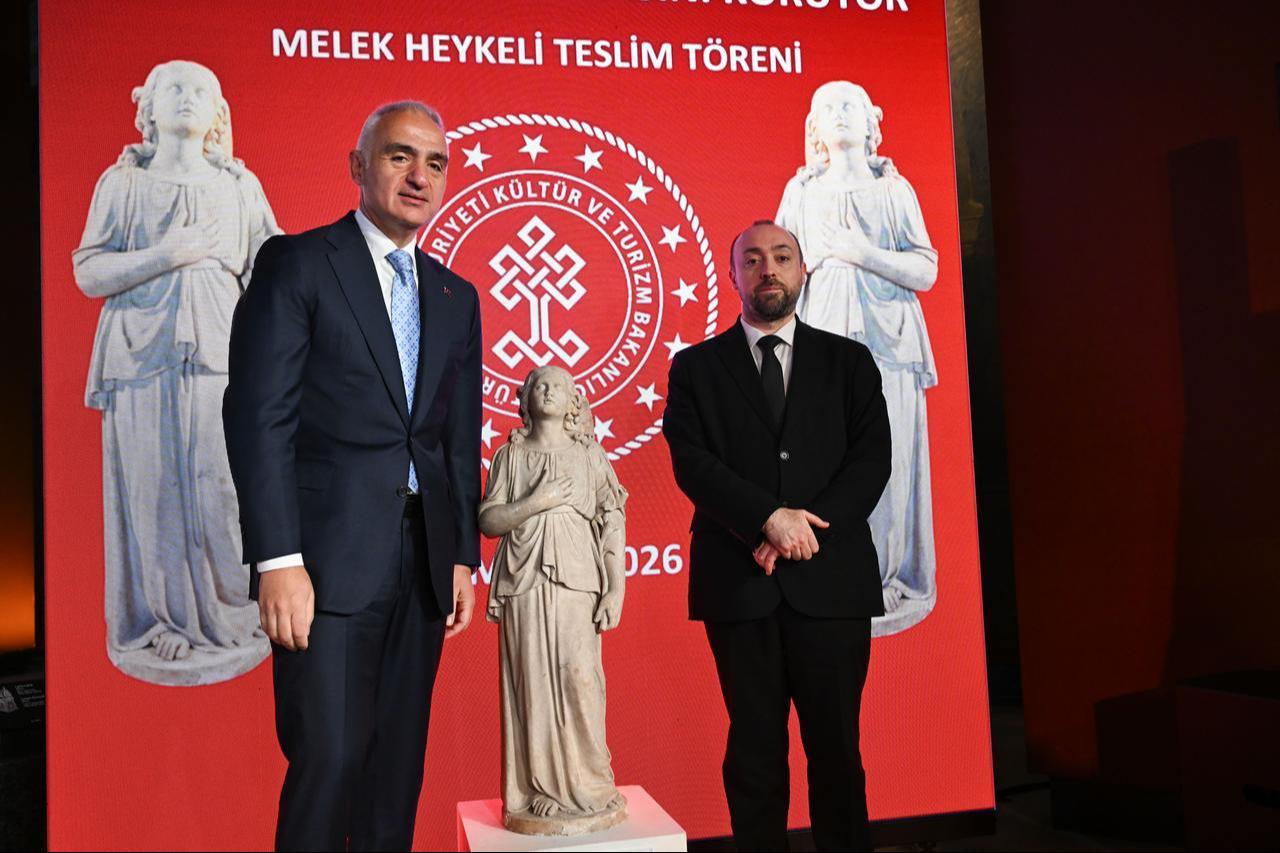
Concluding the ceremony, the “angel statue” was officially handed over to a representative acting on behalf of Greek Orthodox Patriarch Bartholomew.


 Set as preferred source
 Set as preferred source


 1 min read