Newsletters


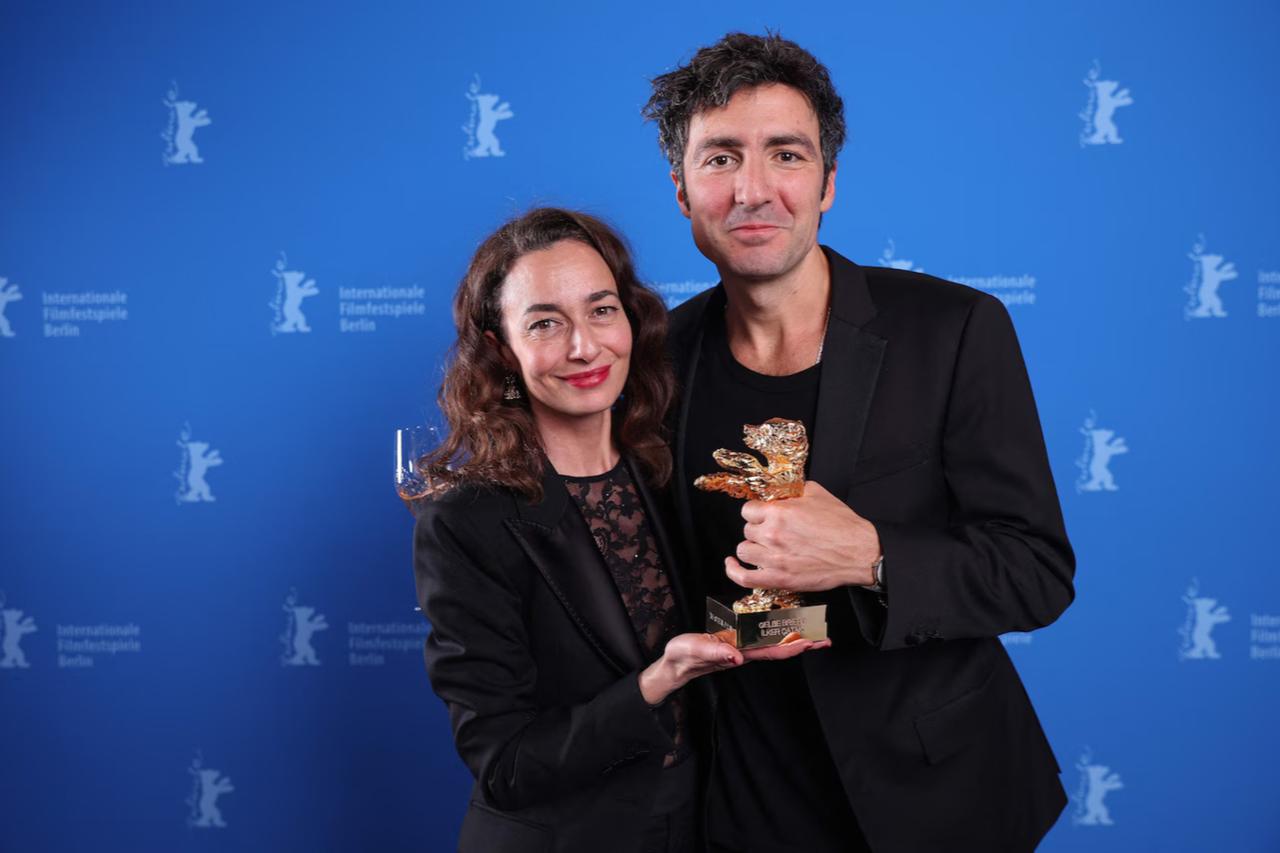


The 76th Berlin International Film Festival concluded on February 22, with a historic double victory for Turkish cinema.
Still, for director Ilker Catak and co-writer Ayda Meryem Catak, the conversation is only just beginning.
Following the Golden Bear win for their film "Yellow Letters" (Sari Zarflar), the couple’s first joint interview reveals a narrative that is as much about personal sacrifice and identity as it is about the political pressures of the modern world.
What is 'Yellow Letters' about?
Their film, "Yellow Letters," centers on Aziz (Tansu Bicer) and Derya (Ozgu Namal), a writer and actor couple whose comfortable lives in Ankara are upended after a play displeases the authorities. Dismissed from their jobs and facing what the filmmakers describe as a form of "civil death," they move into a cramped Istanbul apartment with Aziz’s mother.
While the pressures around them escalate, the couple must choose between continuing to resist or moving closer to power in order to avoid economic and social collapse and protect their 13-year-old daughter’s future.
As the film prepares for its Turkish premiere on Friday, the creators are pulling back the curtain on the creative and political choices that turned a specific Ankara story into a broader exploration of "civil death."
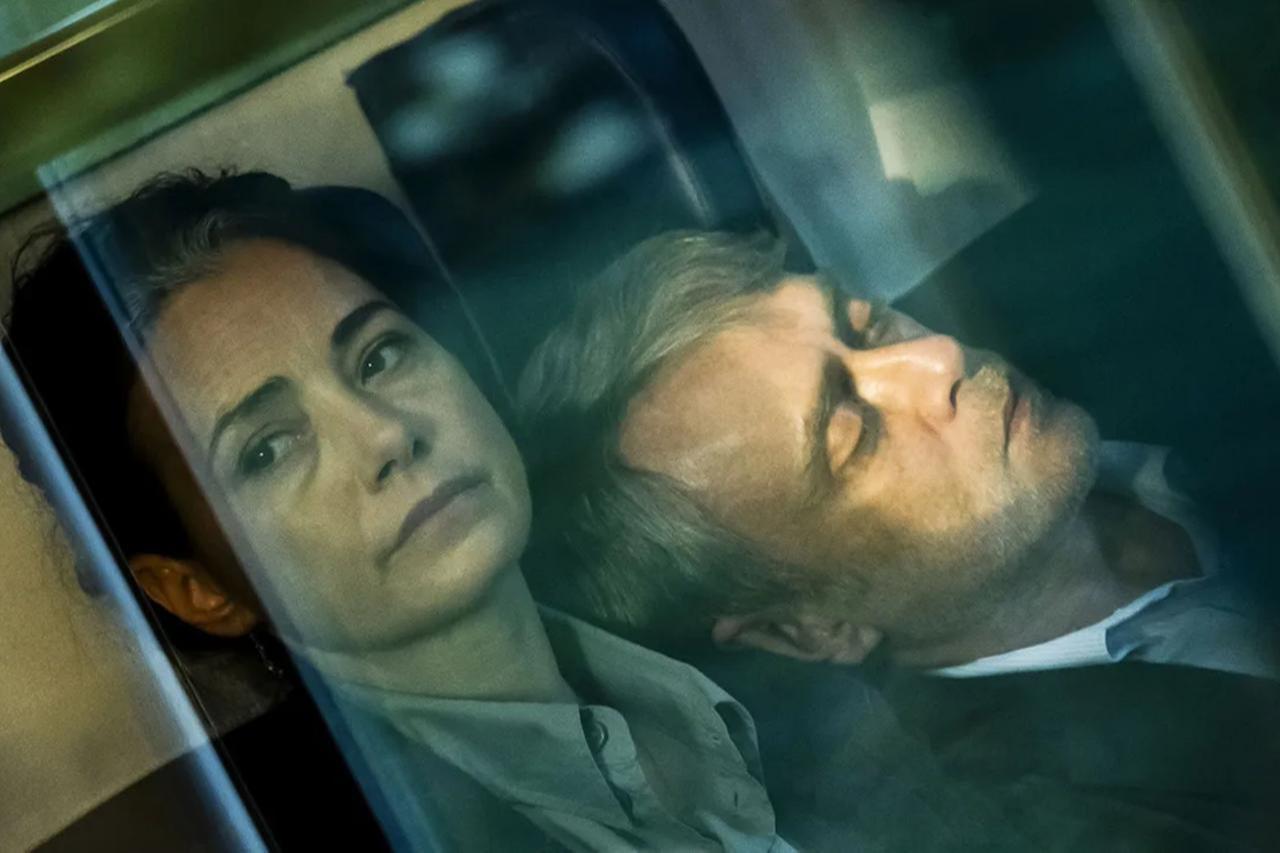

One of the most striking aspects of "Yellow Letters" is its visual geography.
In a bold metaphorical move, Berlin "plays" Ankara, while Hamburg stands in for Istanbul. During an interview with T24, Ilker Catak explained that this was not a logistical shortcut, but a deliberate choice to reflect the reality of the Turkish diaspora.
Producer Enis Kostepen convinced Catak to move the setting when the director felt like a "tourist" trying to film in Türkiye. "Türkiye already has an exile problem, a brain drain problem," Catak explains. "The problems there are the reality here. There is already a Türkiye living in Germany. Enis said, 'Let's find that Türkiye.'"
By reconstructing Türkiye within Germany, the filmmakers highlight that political pressure is not exclusive to any one geography. Catak also points to Germany’s own history, noting that forms of "civil death" have been applied to citizens in different periods, including between 1933 and 1945.
The idea builds on the experience of migration, where displaced communities recreate a sense of home through everyday spaces, memories, and familiar details.
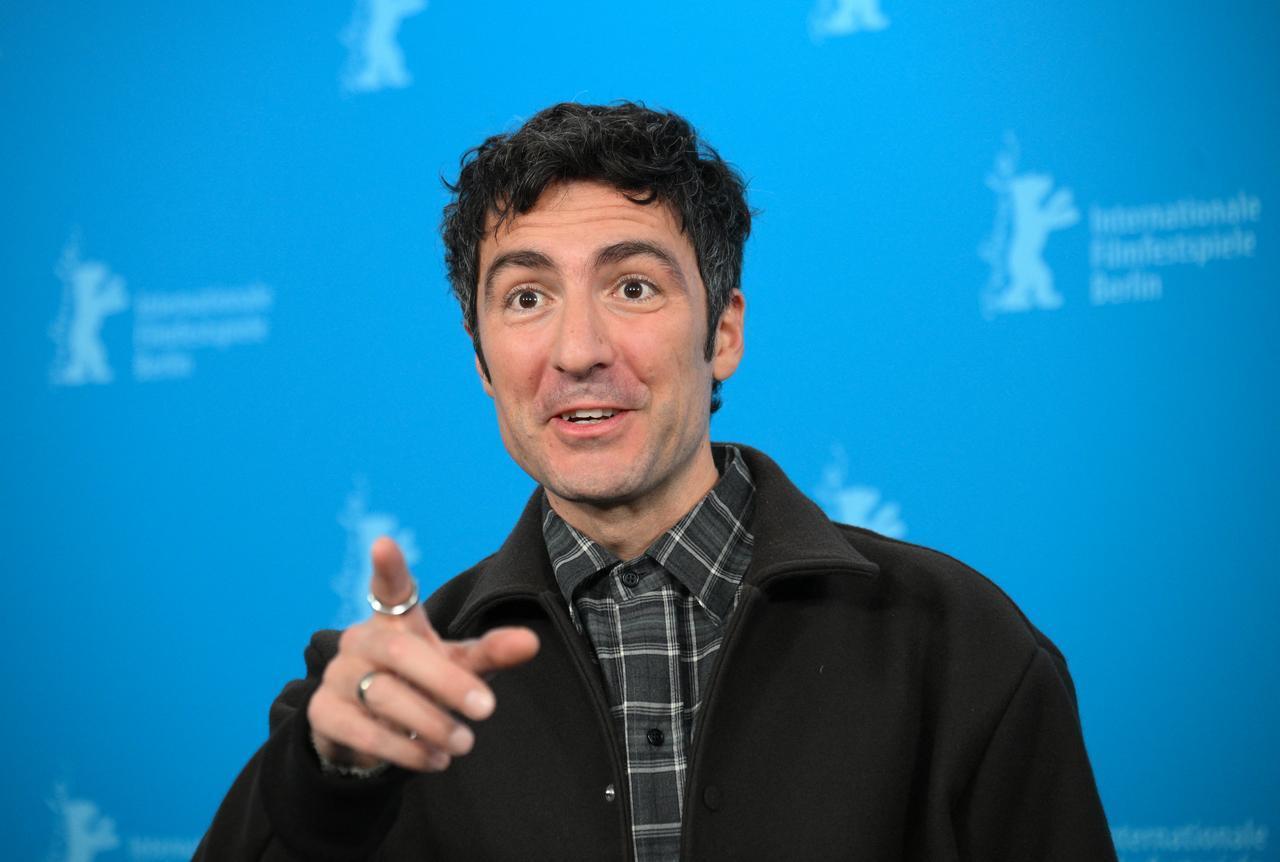
Despite being a German-French-Turkish co-production, Catak insisted that the film be shot entirely in Turkish. He argues that the millions of Turks living in Germany who pay taxes should also be able to see films made in their own language through the same system. "Don’t these people have the right to watch a Turkish film with the taxes they themselves paid?" he asks.
However, this insistence on identity comes with friction. Ilker remains vocal about the "Mustafa vs. Max" inequality in the European film industry. He recalls how, during his Oscar campaign for "The Teachers' Lounge," German media would name figures like Wim Wenders and Sandra Hüller while omitting or misspelling his own name.
"Max will always get better grades than Mustafa because the teacher doesn't know Mustafa's name," Catak asserts. "As long as you don't know the name, Max and Mustafa will never be equal."
By bringing together actors from Türkiye and those working in Germany, he aims to create a bridge and provide roles that go beyond stereotypical portrayals, such as taxi drivers or terrorists.
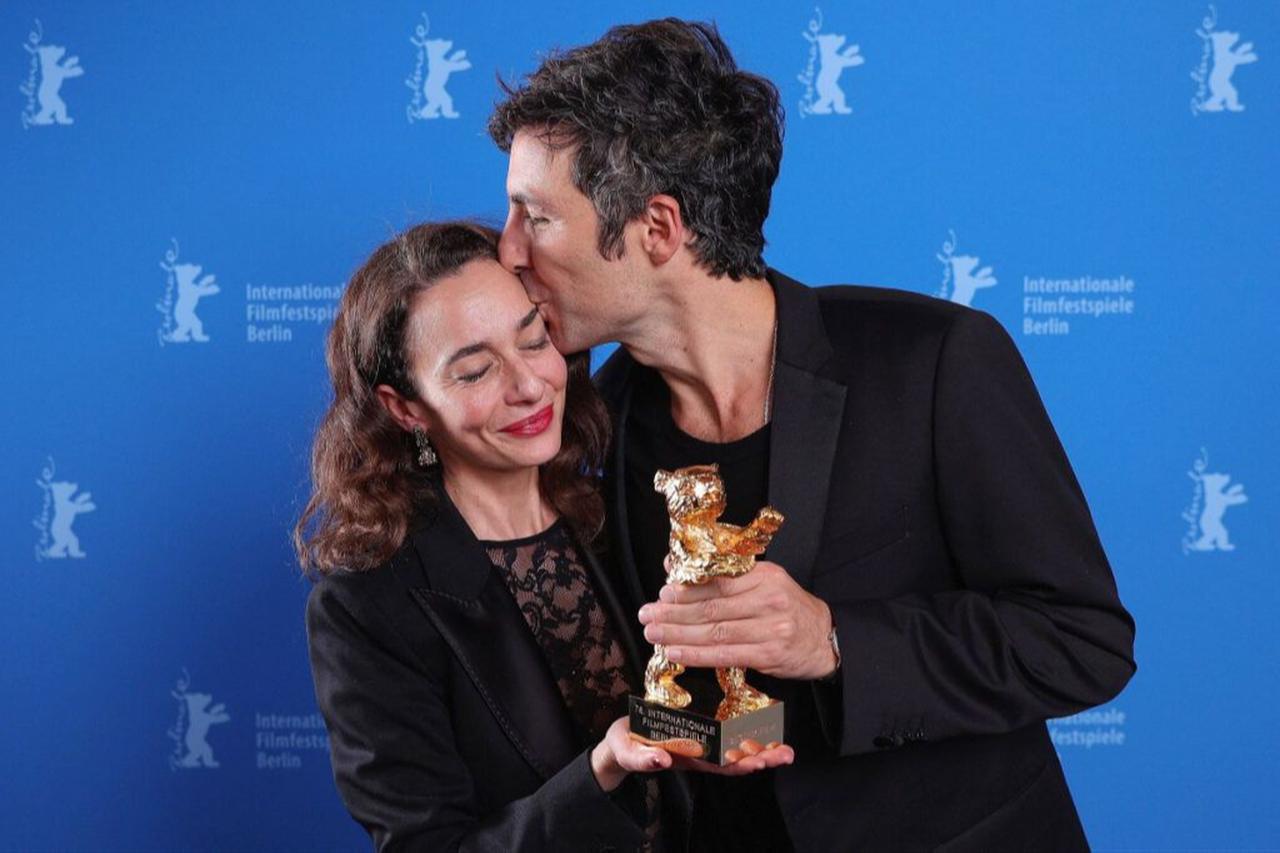
While "Yellow Letters" explores a marriage cracking under state pressure, the real-life partnership behind the script is one of profound solidarity.
Ayda Meryem Catak, a painter who met Ilker in Berlin in 2007, recalls supporting him financially when Ilker left for Hamburg to study film at age 28.
"I saw that light in Ilker, how he was burning for cinema," Ayda says. "It wasn't even a sacrifice; it was something that had to happen." Ilker is quick to credit her for his career: "Ayda did not do her own art; she worked. She earned money so I could study. I can never repay her for that."
This shared experience allowed the couple to write the protagonists, Aziz and Derya, without judgment. "We wanted the audience to not be able to easily take a side," Ilker explains.
Ayda adds that while many interpret the film as feminist because the women continue working and sustaining the family, their priority was to "invite questions that evoke empathy."
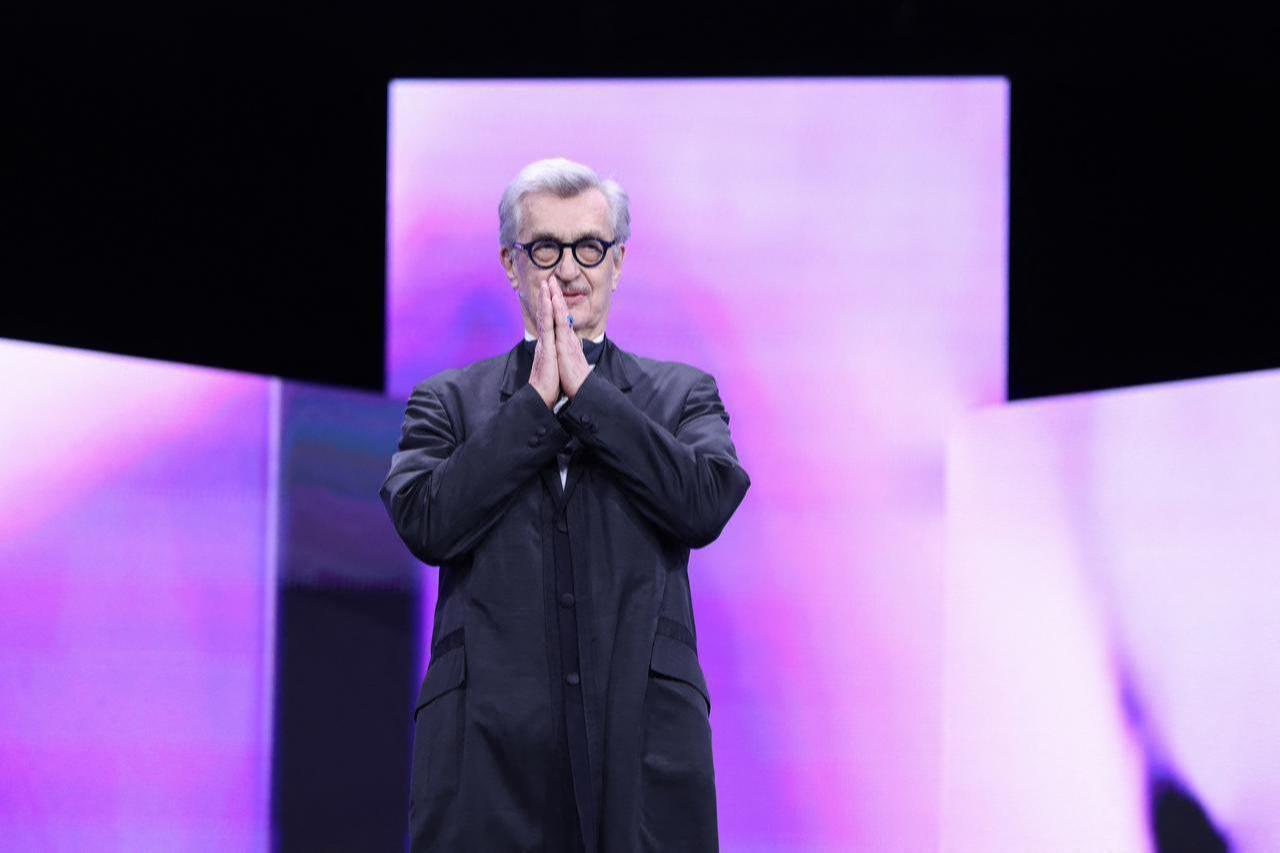
The 2026 festival was marked by tensions over the political role of artists, particularly in relation to the war in Gaza.
Ilker Catak faced criticism for a comment made during a press conference: "Even if I set myself on fire in the street, our politicians would change nothing."
Defending that statement, Catak remains unapologetic. "I stand completely by that sentence," he says. "A genocide is happening in front of the whole world's eyes, and no one says anything. But they criticize me on that stage... they say, 'You are stance-less.'"
He dismisses his critics as "keyboard warriors" who "don't spend two hours to see 'what has this man done?'"
Catak also addressed the "bought Turk" (Almanların satın aldığı Türk) labels occasionally directed at him on social media. "Let them write what they want, but what risks do they take in life? What do they produce?" he asks.
He also criticized discussions around introducing behavioral guidelines at the festival, describing them as part of a broader political tension. "If it is an international festival, you cannot expect international guests to accept the Germans' hesitation in their relationship with Israel," he says.
As "Yellow Letters" hits Turkish theaters, the Cataks expect differing reactions but hope the film is approached beyond political labeling.
Ilker expresses frustration with what he sees as a culture of constant moral judgment: "Everyone is trying to claim moral superiority over others... Don’t try to give us a morality lesson. We at least tried. We dealt with this issue for five years."
Ayda hopes the film reaches a place where it is not reduced to "the story of a certain party or a certain policy." Instead, they want the audience to engage with the uncertainty and complexity of survival under pressure.
As they look toward the future, their collaborative bond remains central. When asked if they will work together again, Ilker quips, "We have a project called marriage; we are working on that."


 Set as preferred source
 Set as preferred source


 3 min read