

 Newsletters


Culture and Tourism Minister Mehmet Nuri Ersoy announced that an olive oil workshop dating back to the fifth and sixth centuries AD has been restored at Syedra Ancient City in Antalya under the ministry's "Heritage for the Future Project."
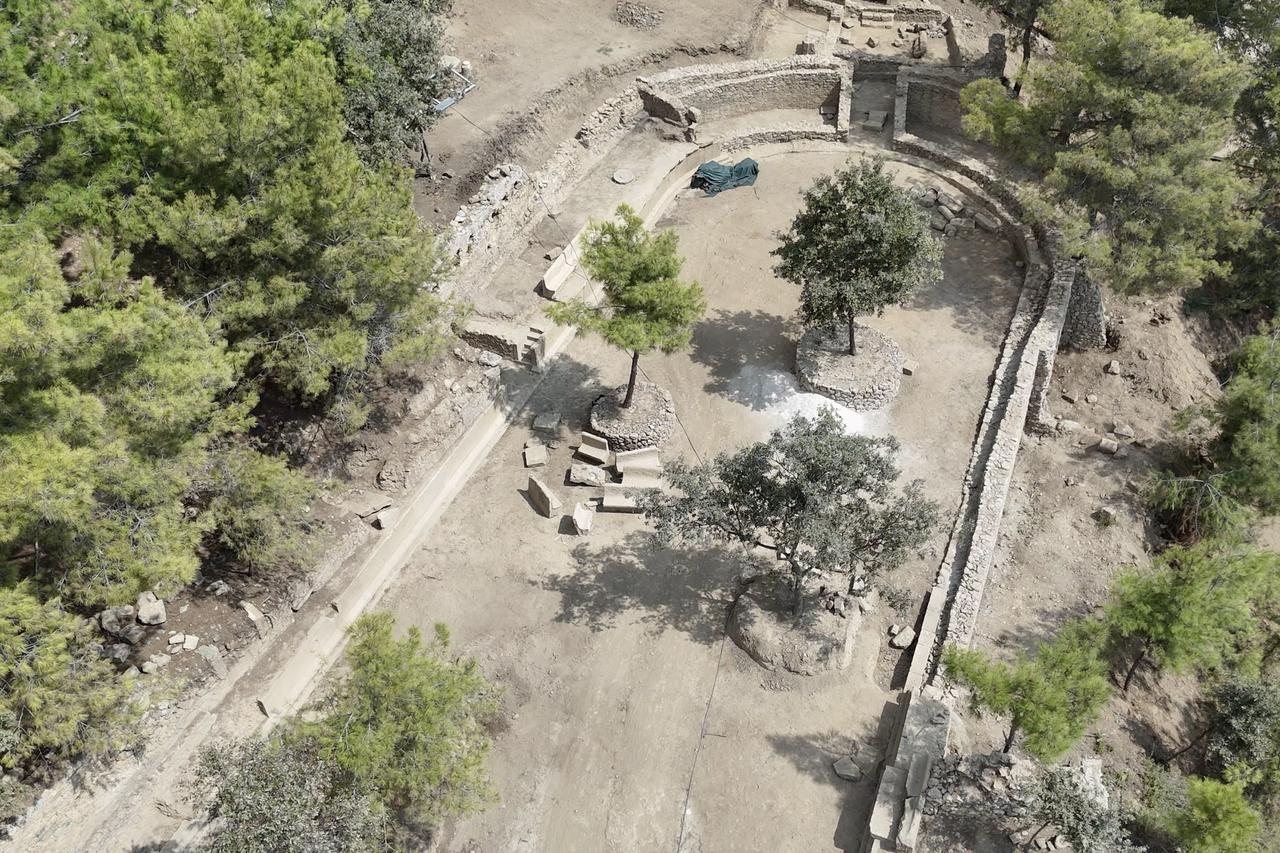
The workshop, located along the ancient settlement's southwestern street, came to light during excavations in 2024. Restoration work was completed in 2025, bringing together the surviving elements of an olive oil production facility that once operated at the site.
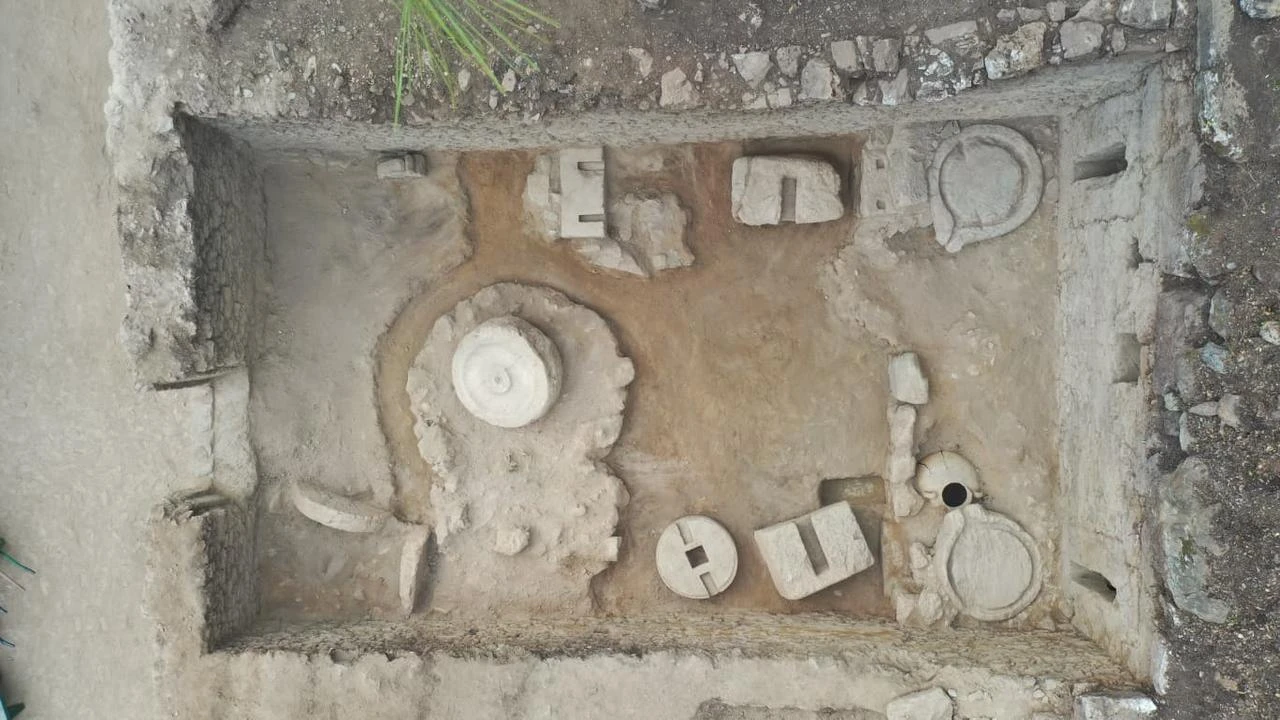

The structure contains crushing stones, architectural elements belonging to a press system and compartments used to separate liquids. These remains make it possible to follow the production process from the initial crushing of olives through to the collection of the oil.
Ersoy said the restored facility sets out ancient production technology in a comprehensive way.
"With its crushing stones, press system and liquid separation compartments, this important structure reflects ancient olive oil production technology as a whole and carries the thousands-year-old traces of our production culture into the present day," he said.
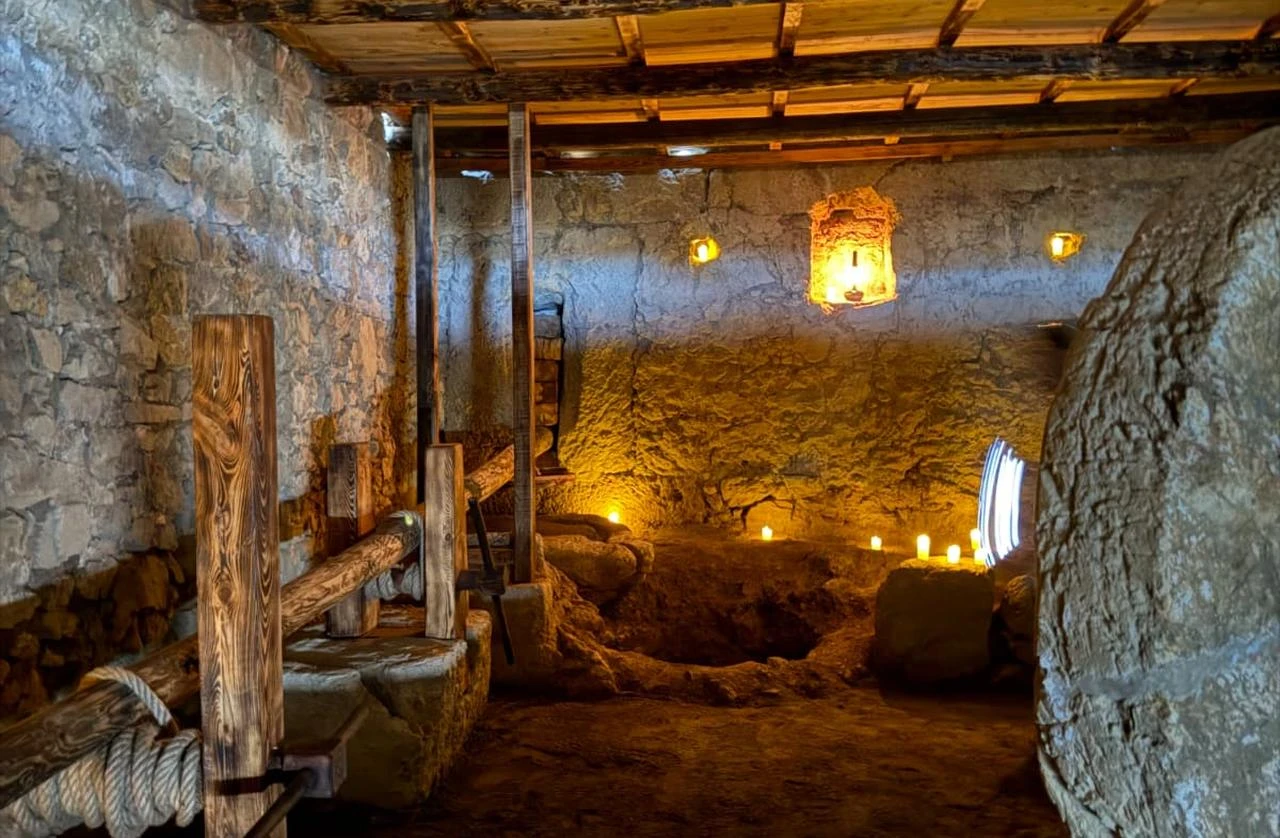
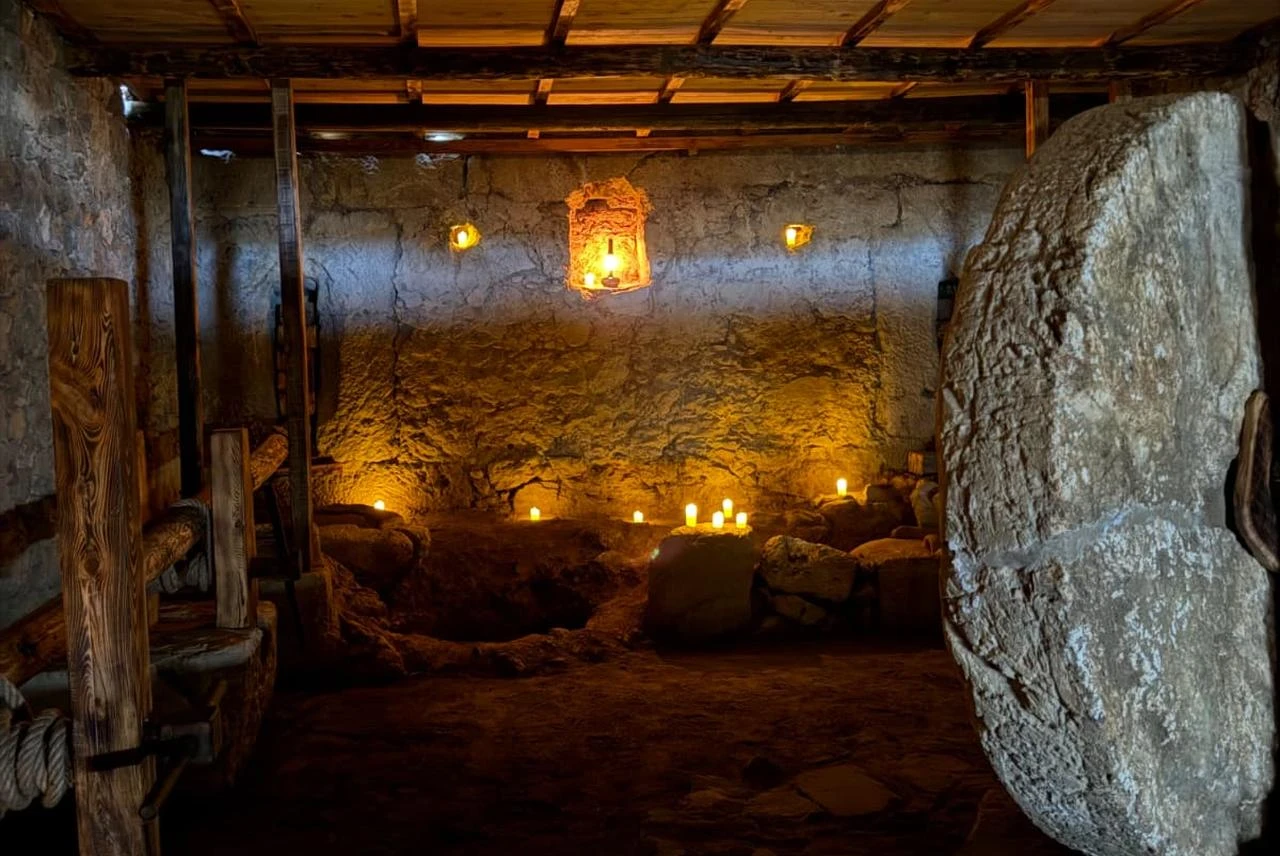
Excavations at Syedra have brought to light several olive oil workshops. The crushing stones, press arrangements and separation compartments uncovered inside them show that olive oil was produced using the established methods of the ancient period.
The restored workshop stands out because visitors can trace every stage of production through its surviving remains, from breaking down the olives to gathering the finished oil. The restoration also provides an important example of how similar workshops operated across the ancient city and the surrounding region.
 1 min read
In antiquity, olive oil was not limited to food. It was also widely used for lighting, medicine, cleaning and religious rituals, making it one of the essential products of daily life.
Ersoy thanked the General Directorate of Cultural Heritage and Museums, the excavation team, scientists and others who contributed to the project. He added that Türkiye would continue to protect Anatolia's cultural heritage and carry it forward through work based on scientific evidence.


 Set as preferred source
 Set as preferred source


 1 min read


