Sign in
 Newsletters




Thirty-four artifacts unearthed at four archaeological sites in southeastern Türkiye's Sanliurfa province were showcased at the Presidential National Library in Ankara, with several discoveries going on public display for the first time.
The exhibition, held from Nov. 17 to 23 as part of the International Museum Congress, brought together finds from Gobeklitepe, Karahantepe, Sefertepe and Sayburc, four sites associated with the Tas Tepeler archaeological project.
Dating to the Pre-Pottery Neolithic period, approximately 10,000-7,000 B.C., when communities began moving toward settled life before the widespread use of pottery, the collection included human and animal sculptures, figurines, stone vessels, plates and ornaments.
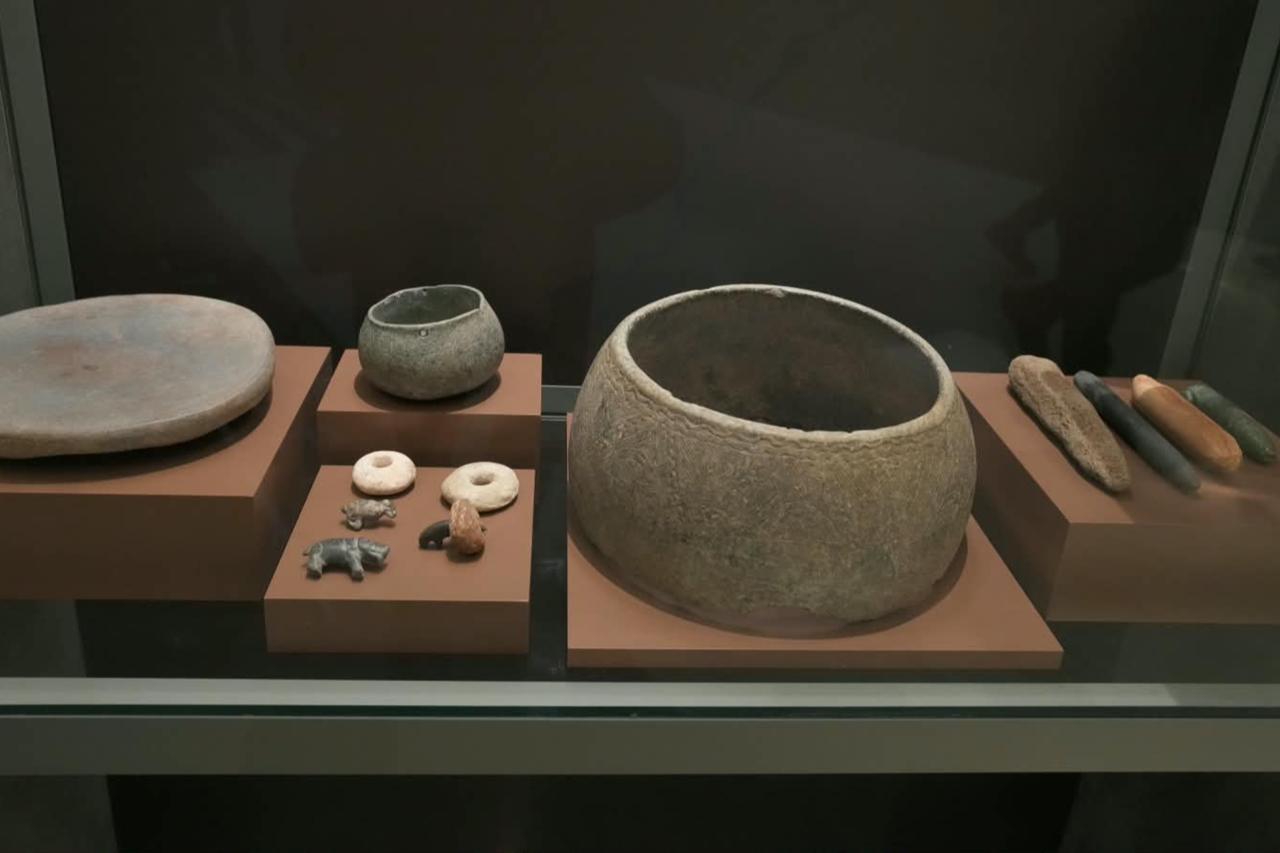
Among the highlights were three animal figurines discovered together inside a stone vessel at Karahantepe, which archaeologists believe may represent one of the earliest examples of storytelling through sculpture.

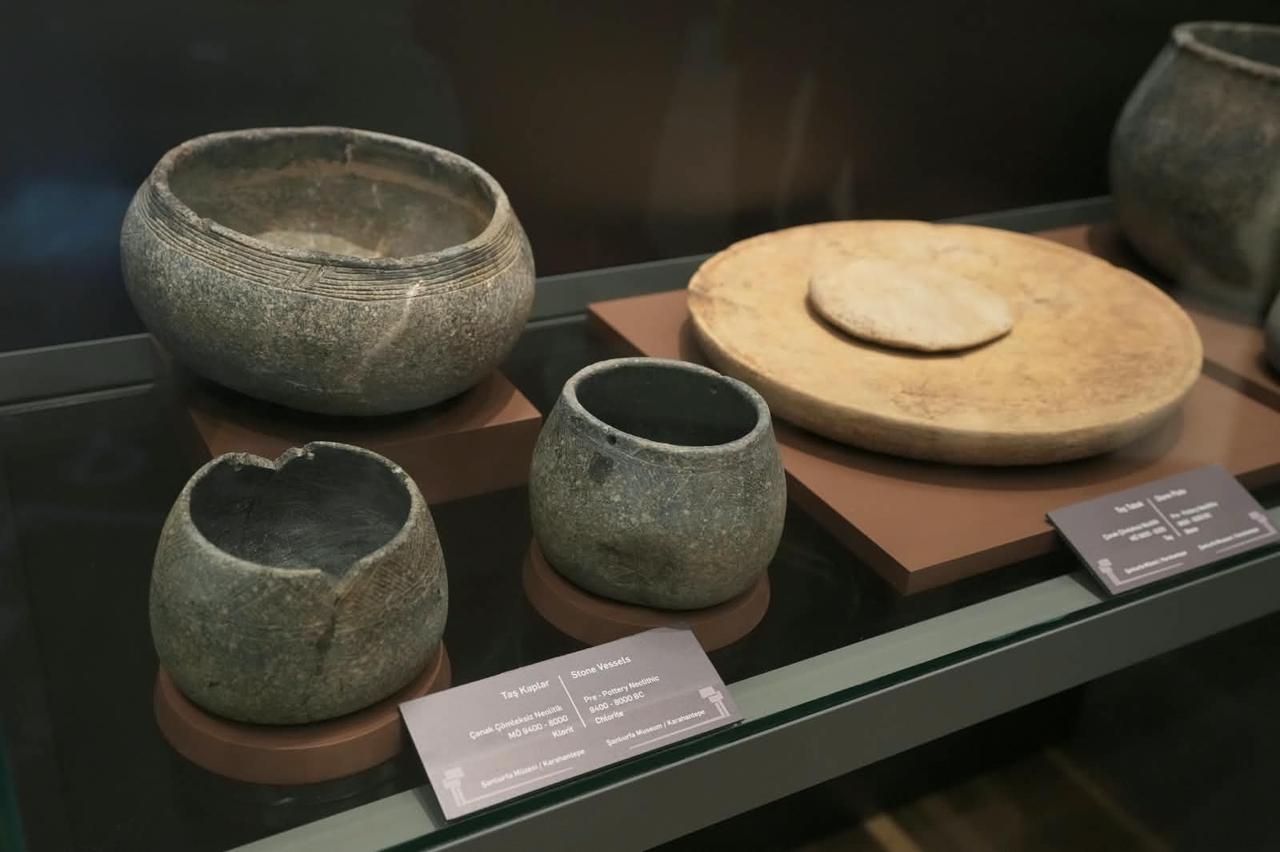
At Karahantepe, archaeologists uncovered a large chlorite stone vessel inside a room filled with red soil. The vessel contained a smaller container, a plate and stone rods, while three animal figurines had been carefully placed inside the smaller vessel.
The figures depicted a fox, a wild boar and a vulture, each with its head passing through a stone ring.
Excavation director Professor Necmi Karul suggested that their deliberate arrangement could indicate a shared narrative rather than three unrelated representations.
"We may have found one of the oldest examples of a story told through sculptures at Karahantepe," Karul said.
The discovery raises the possibility that prehistoric communities used arrangements of animal sculptures to communicate stories thousands of years before written records emerged.
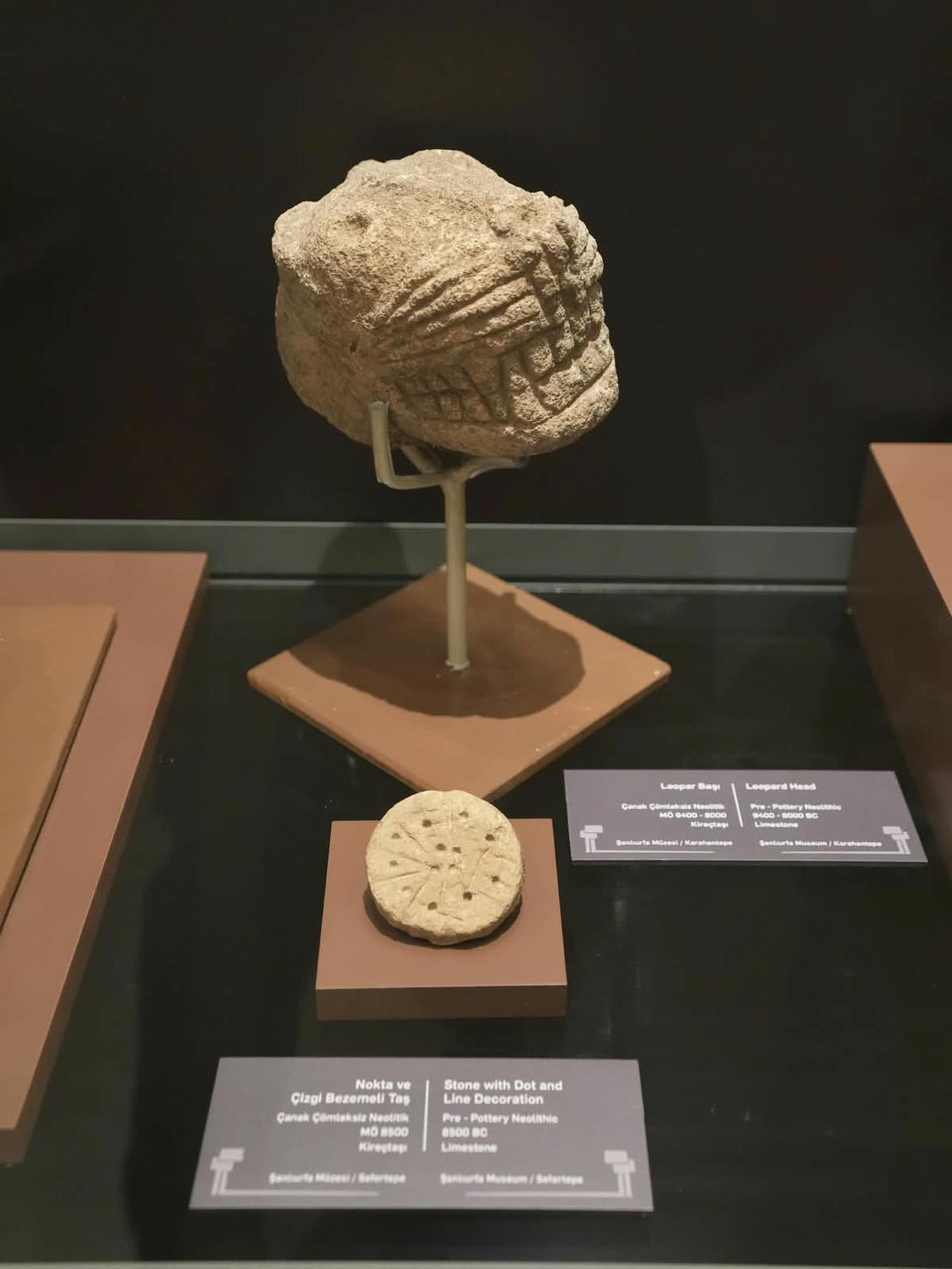
Another highlight was a vulture head uncovered during the 2026 excavations carried out under Türkiye's Heritage for the Future project, which supports archaeological research and preservation.
Unlike previously discovered examples, the newly unearthed head stands out for its size, suggesting that Neolithic sculptors also created large-scale representations of vultures.
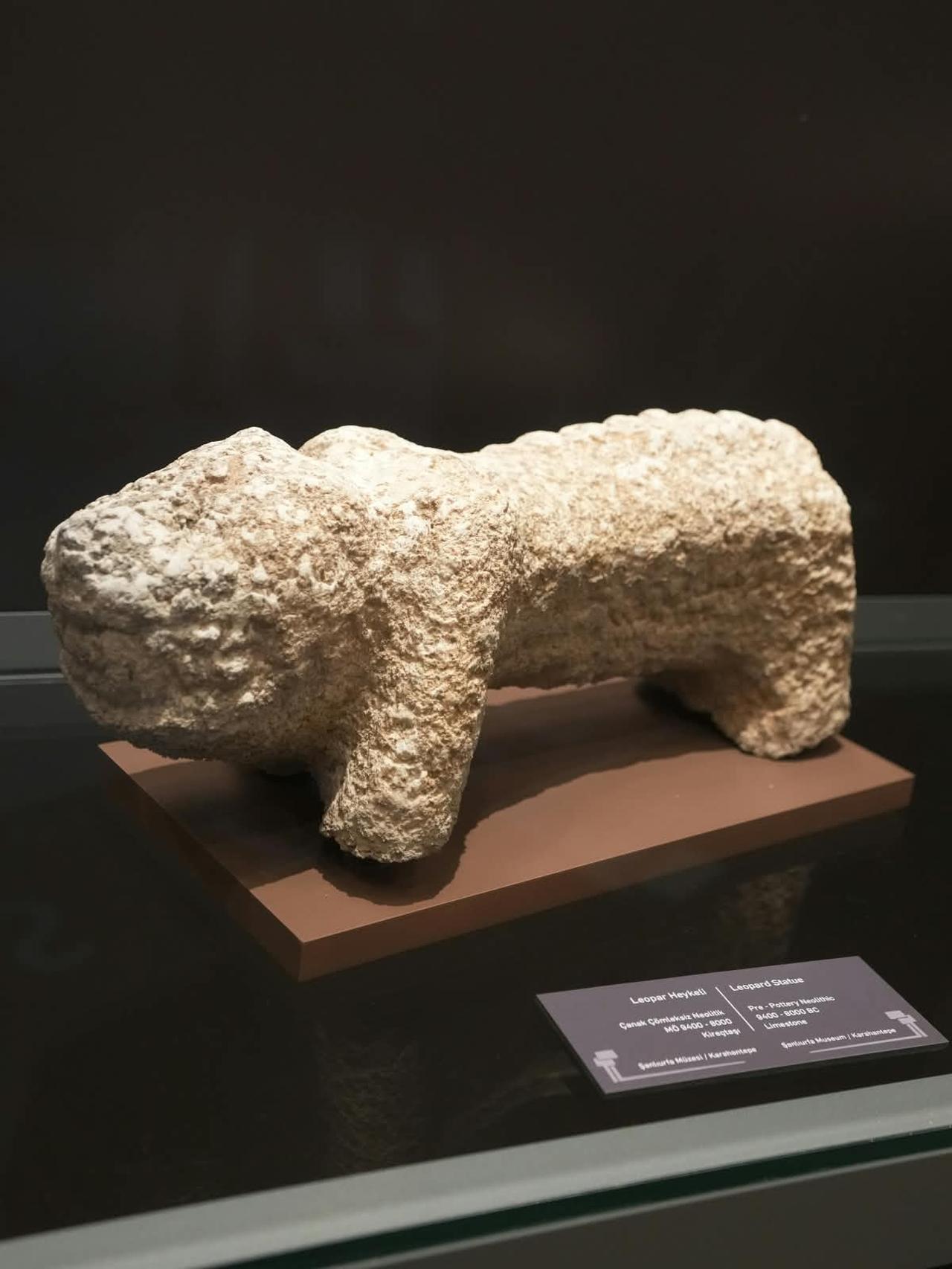
The exhibition also brought together several leopard depictions carved from different materials and at varying scales, ranging from a large limestone leopard head to miniature figurines fashioned from green opal and labradorite.
One particularly unusual sculpture, discovered in its original position within a stone bench at Karahantepe, depicts a human figure sitting on the back of a leopard.
By combining human and animal figures in a single composition, the artifact represents a rare example of prehistoric sculpture.
Another human sculpture came from a structure dating to Gobeklitepe's second architectural phase.
Archaeologists found the statue positioned within a stone bench, leaning toward the interior of the building, while its torso, broken at the waist, was recovered from the same bench.
The arrangement provides further evidence of how sculptures were incorporated into architectural spaces during the Neolithic period.
The exhibition opened on Nov. 17 in the presence of Vice President Cevdet Yilmaz and Culture and Tourism Minister Mehmet Nuri Ersoy.
During their visit, Karul explained how the artifacts had been discovered and what they revealed about communities transitioning to settled life.
Organized alongside the International Museum Congress by the Ministry of Culture and Tourism's General Directorate of Cultural Heritage and Museums, the exhibition featured artifacts registered in the Sanliurfa Museum's collection.


 Set as preferred source
 Set as preferred source



 3 min read