Newsletters


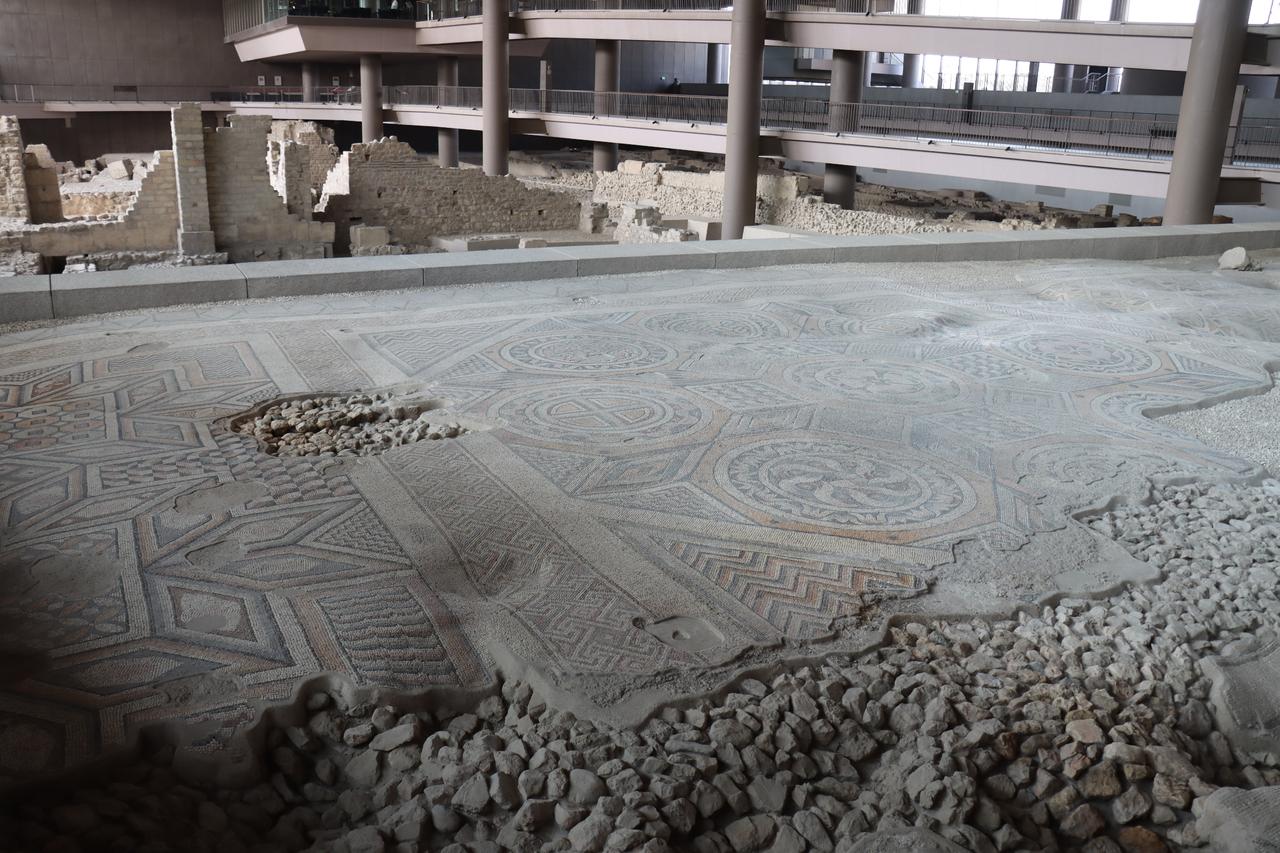


A 1,050-square-meter single-piece floor mosaic in Hatay, southern Türkiye, described as the world’s largest of its kind, is now welcoming visitors again at the Necmi Asfuroglu Archaeology Museum after surviving the Feb. 6, 2023 earthquakes without damage.
The mosaic, believed to date back to the sixth century A.D., is displayed inside the museum-hotel concept building in Antakya, the central district of Hatay.
The site also houses 340 artifacts from the Hellenistic, Roman, Byzantine, Medieval and Islamic periods, offering visitors a broad view of the city’s layered past.
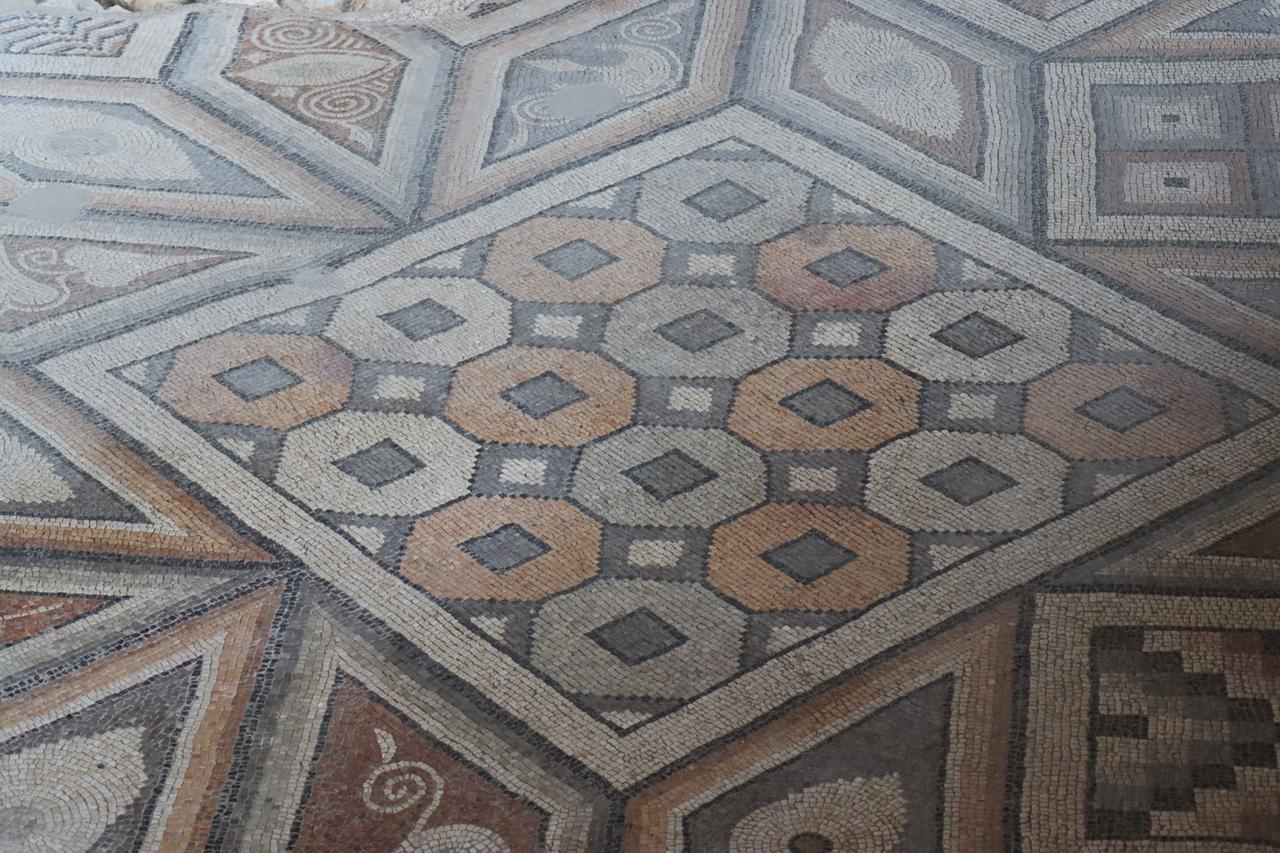

The large mosaic was uncovered in 2010 during the construction of a hotel, bringing to light one of the most striking archaeological remains in a city already known for its rich mosaic heritage.
After the Kahramanmaras-centered earthquakes of Feb. 6, 2023, the museum was closed for maintenance and repair work. It reopened on June 12, 2024, and has since drawn strong interest from history enthusiasts.
Hatay Governor Mustafa Masatli said the museum has welcomed 69,758 visitors since its reopening.
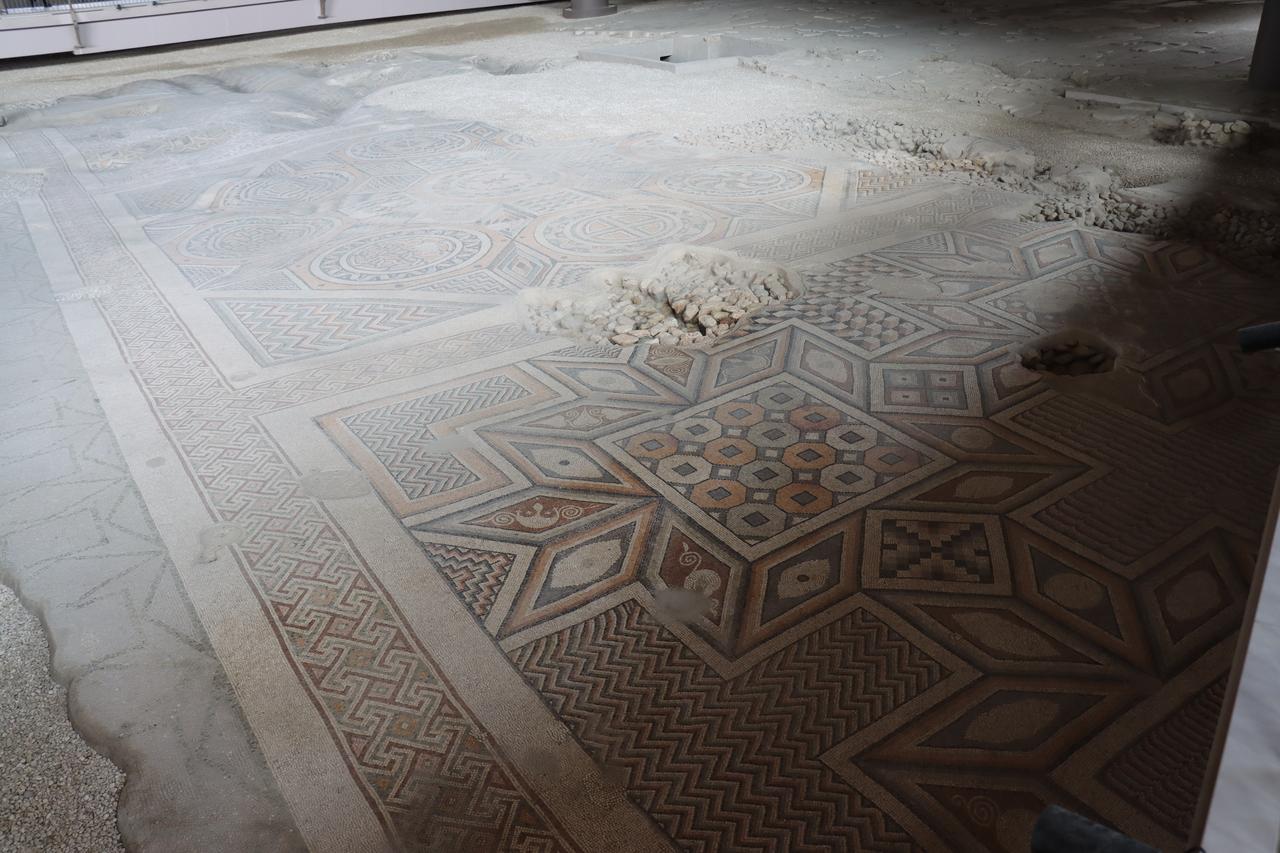
During a visit to the museum for Museums Week, Masatli said the mosaic had faced several earthquakes over the centuries, including two major tremors in A.D. 526 and 528 that caused visible wave-like deformations on its surface.
He noted that despite this long history of seismic activity, the mosaic was not damaged in the Feb. 6 earthquakes.
“Although our ancient heritage and history carry the traces of disaster in our city, which has faced earthquakes many times throughout history, they are still standing. With the strength we draw from our history and civilization, we continue to bring back the works that were destroyed or damaged,” Masatli said.
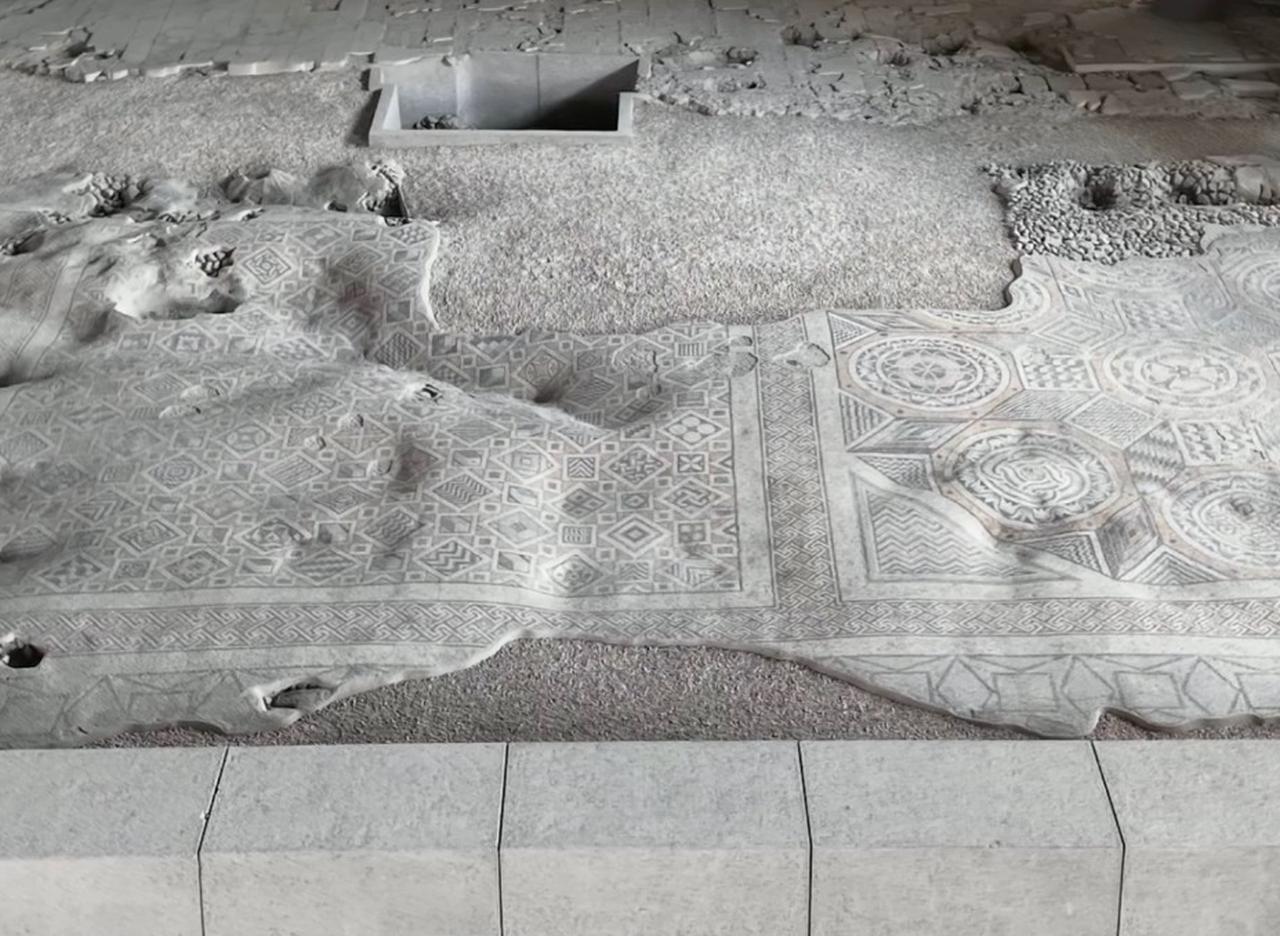
Masatli also described Hatay as a “city of mosaic museums,” calling on visitors from Türkiye and abroad who are interested in history and ancient structures to come and see the site.
 1 min read
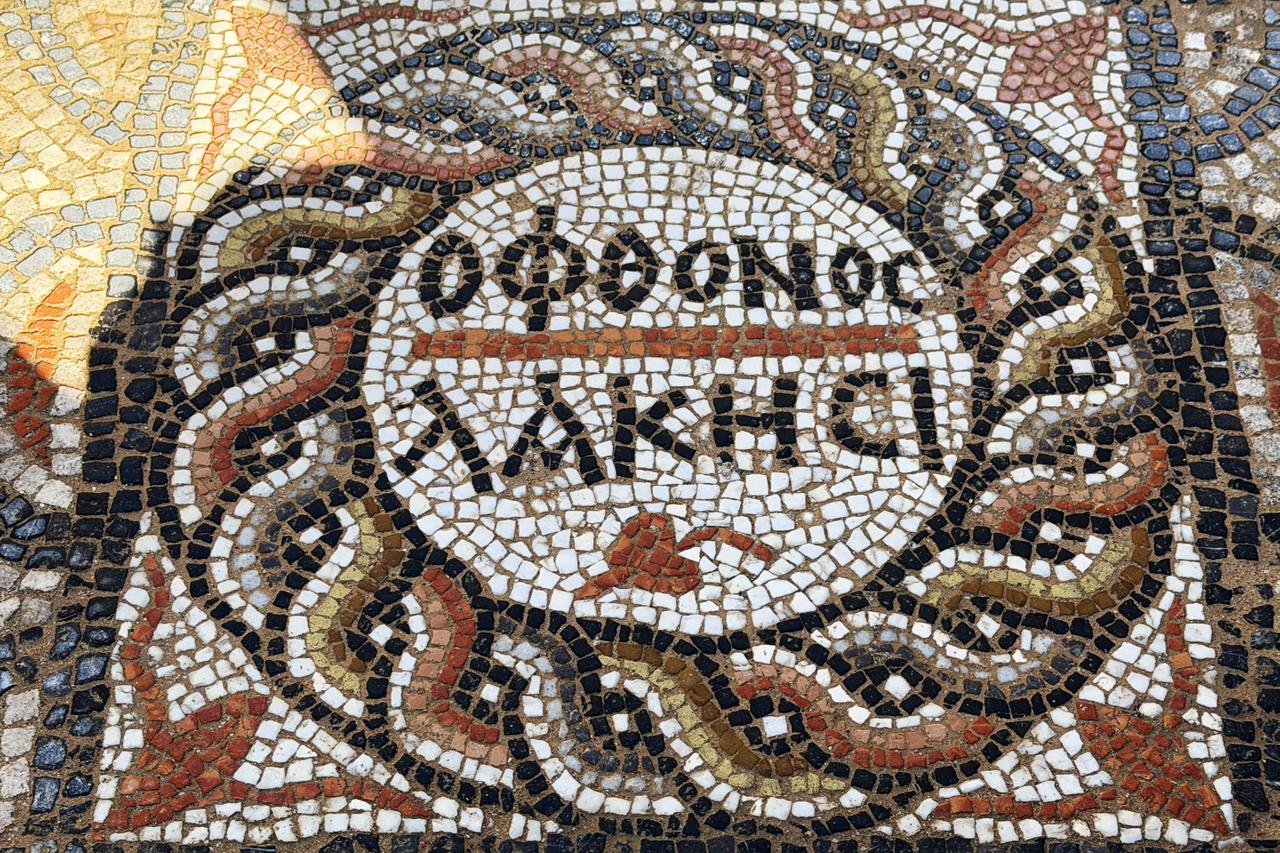
The museum’s reopening has turned the mosaic back into a focal point for cultural tourism in Hatay, where centuries-old remains continue to be displayed despite the impact of recent disasters.


 Set as preferred source
 Set as preferred source


 1 min read