Newsletters


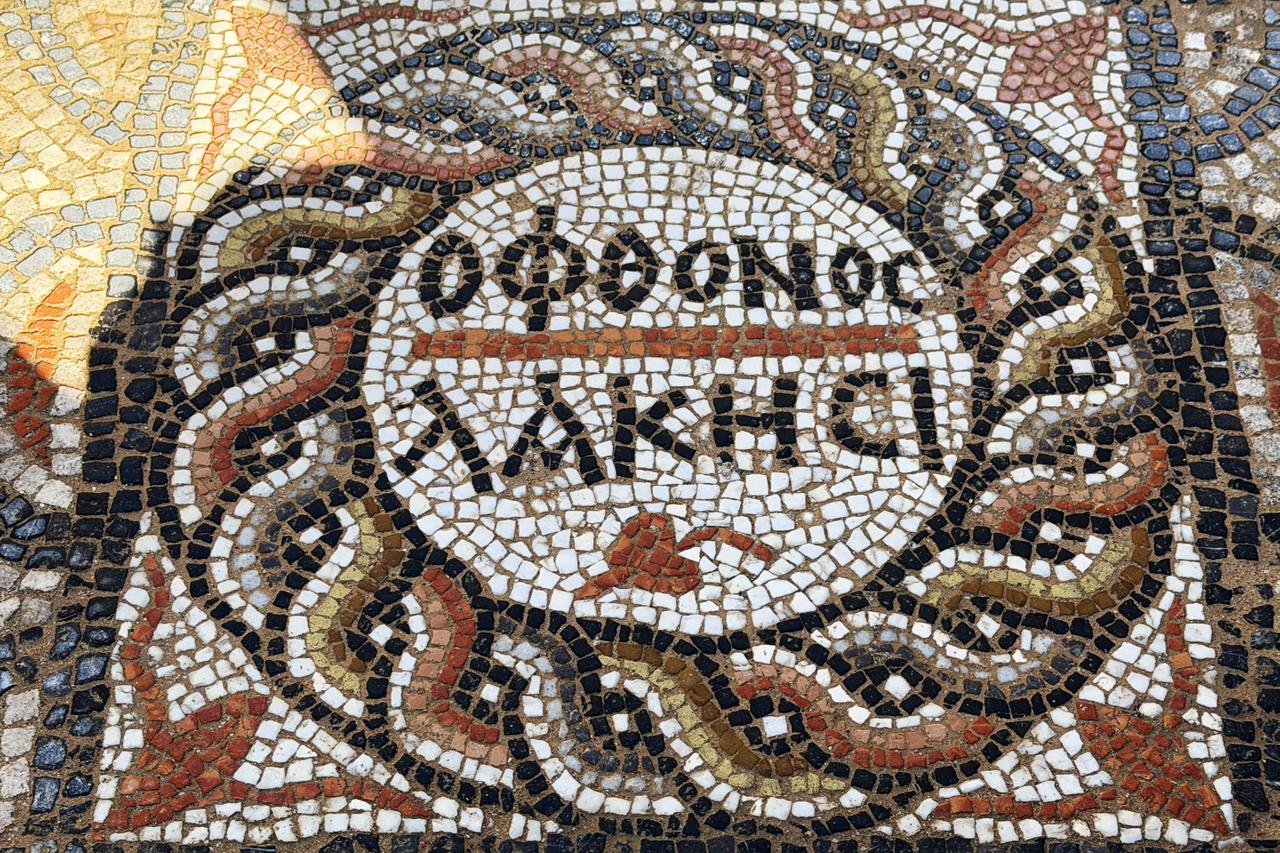


Archaeologists working at the ancient city of Syedra in southern Türkiye have uncovered a mosaic dating back around 1,500 years that carries an inscription resembling the modern expression “let the jealous burst,” surprising researchers with its striking similarity to a phrase still used today.
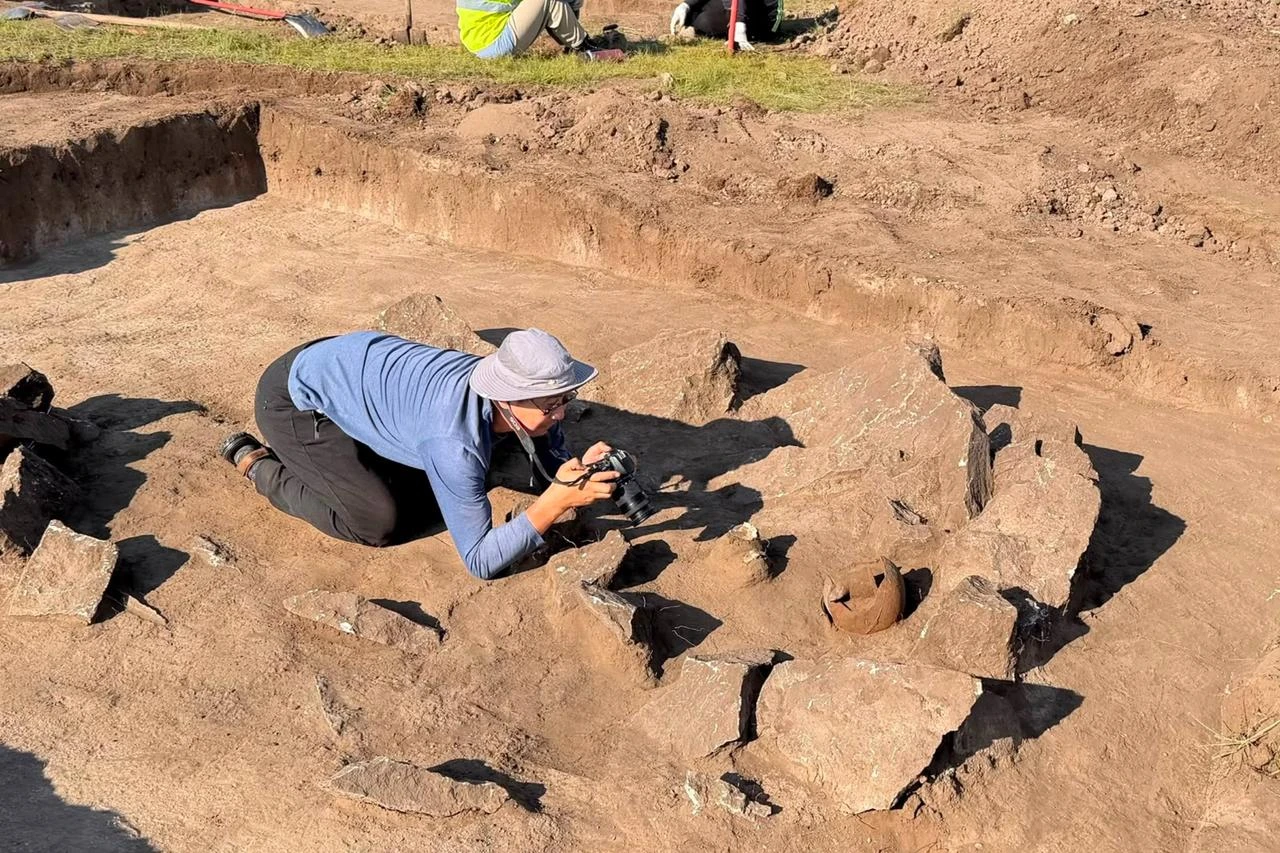
The discovery was made during ongoing excavations at the archaeological site near Alanya in Antalya province, where a well-preserved mosaic measuring about 15 square meters emerged in the entrance section of a large residential structure.
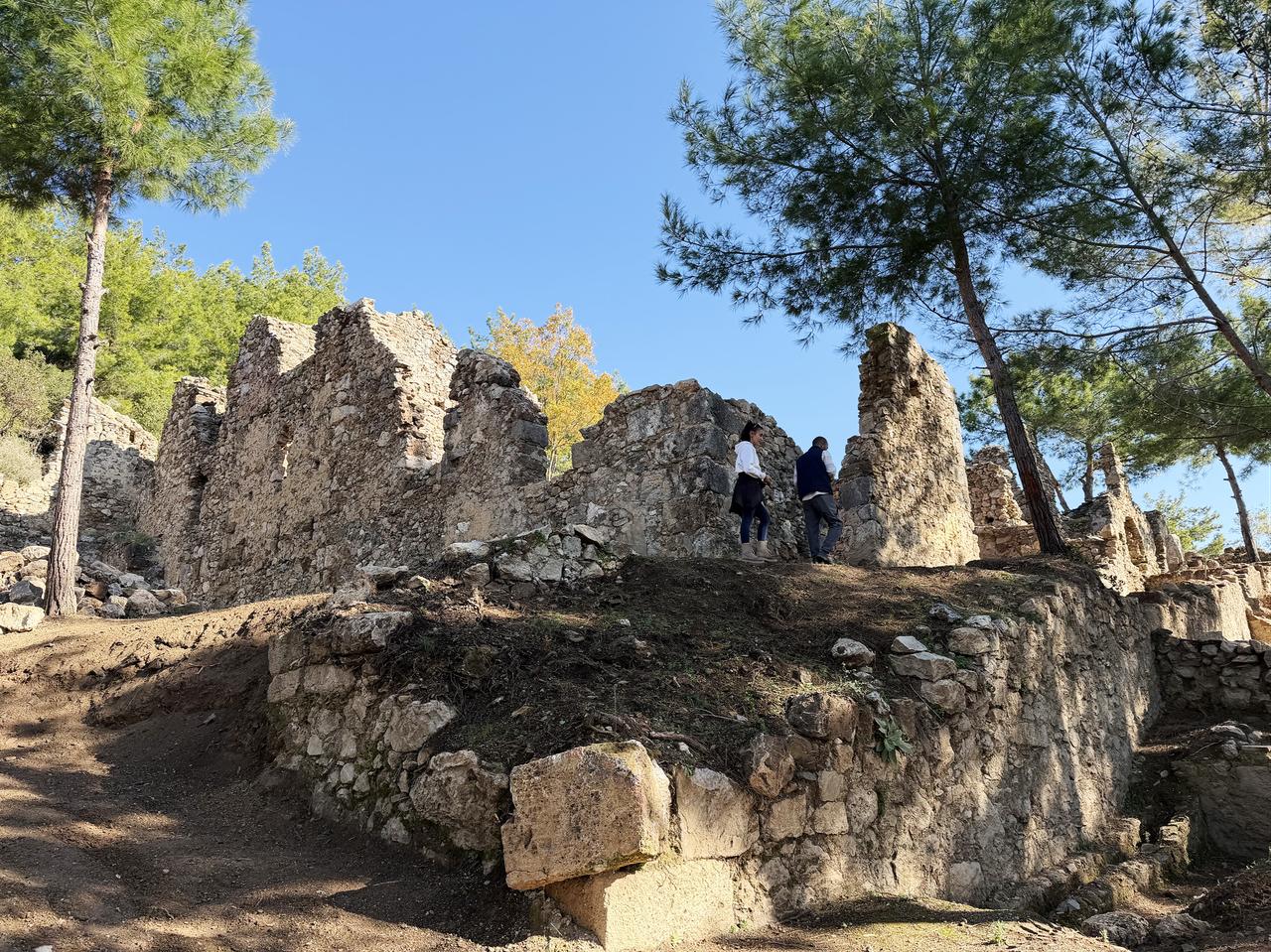

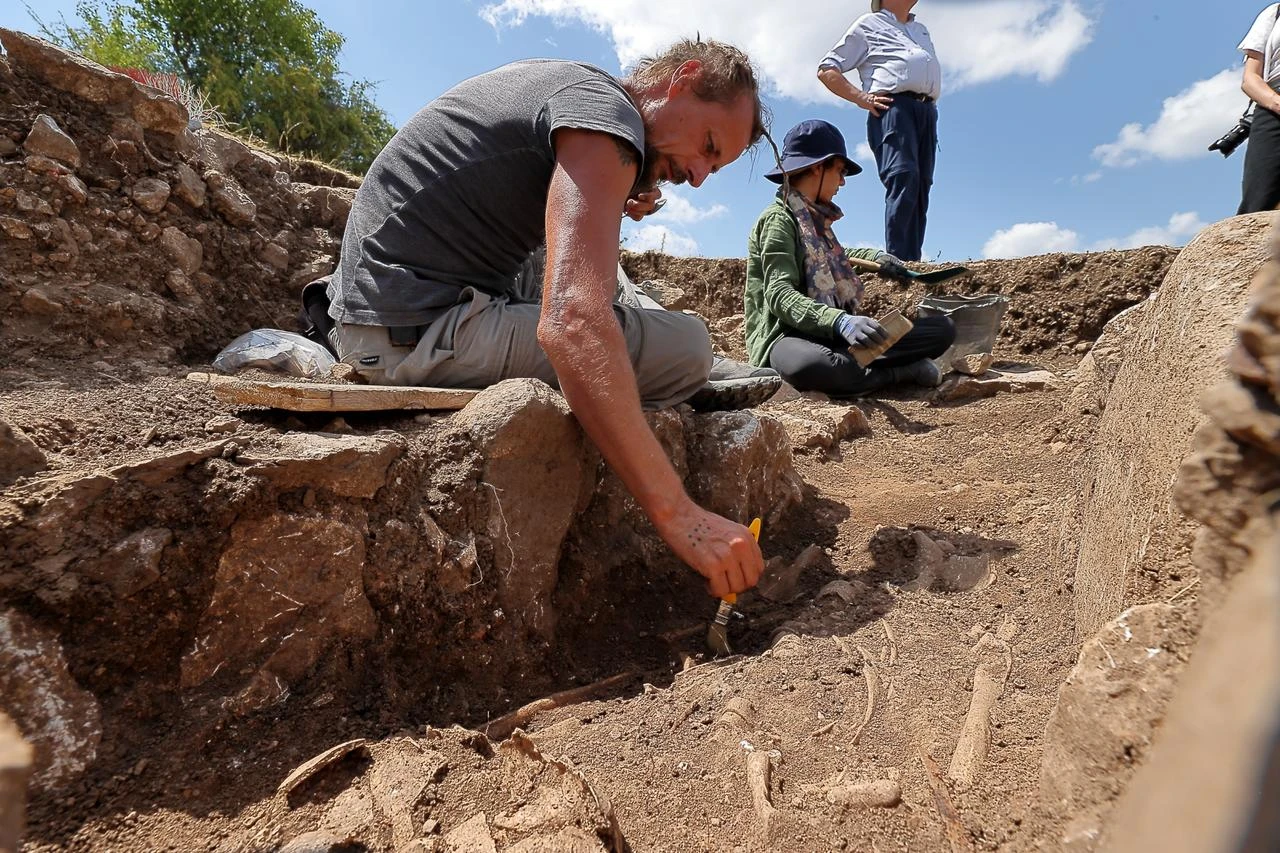
The find came to light during excavations led by Associate Professor Ertug Ergurer, head of the Syedra excavation project and a faculty member at Alanya Alaaddin Keykubat University’s Tourism Faculty. The works are being carried out under the Turkish Culture and Tourism Ministry’s “Heritage for the Future Project,” which aims to protect and study significant archaeological sites across Türkiye.
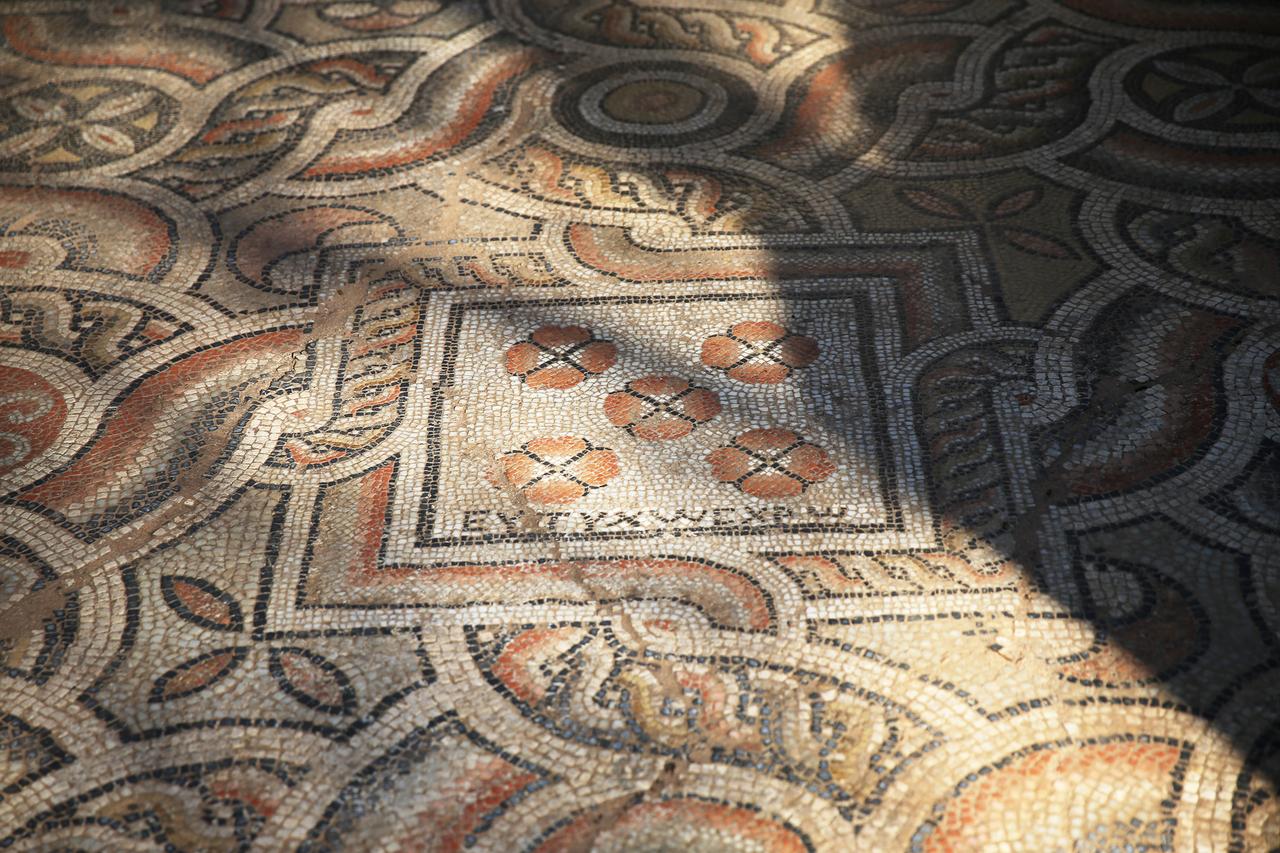
According to Ergurer, the mosaic was discovered while researchers were excavating one of the largest residential buildings in the ancient city. The floor decoration, composed of geometric patterns and floral motifs, appears to date back to between the fourth and sixth centuries A.D.
What makes the mosaic particularly remarkable is the presence of two inscriptions embedded within its design. The first appears in the central section and carries a phrase that can be interpreted as “use it with joy” or “use it with good fortune,” suggesting a welcoming message for those entering the space.
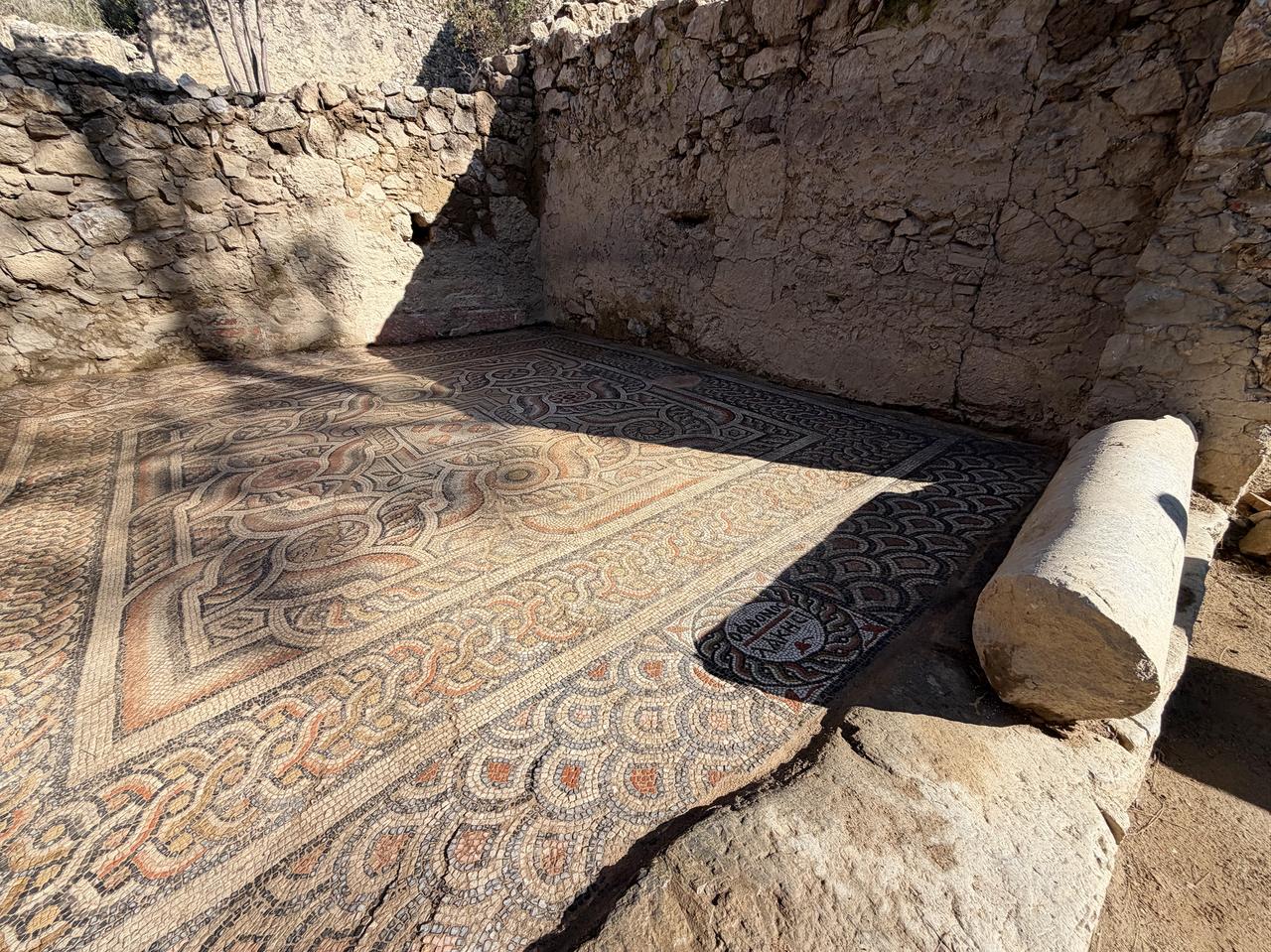
A second inscription appears near the entrance of the room inside a circular border. Ergurer explained that the wording carries a metaphorical meaning that closely resembles a phrase commonly used in modern Turkish.
“The first word refers to jealousy or a jealous person, while the second word conveys the meaning of someone bursting or cracking,” he said. “Together, the phrase corresponds to an expression similar to what we today say as ‘let the jealous burst.’”
The excavation team described encountering such wording at the entrance of a structure built roughly 1,500 years ago as an unexpected discovery.
“Finding an inscription equivalent to ‘let the jealous burst’ at the entrance of a structure built around 1,500 years ago was a big surprise for us,” Ergurer said.
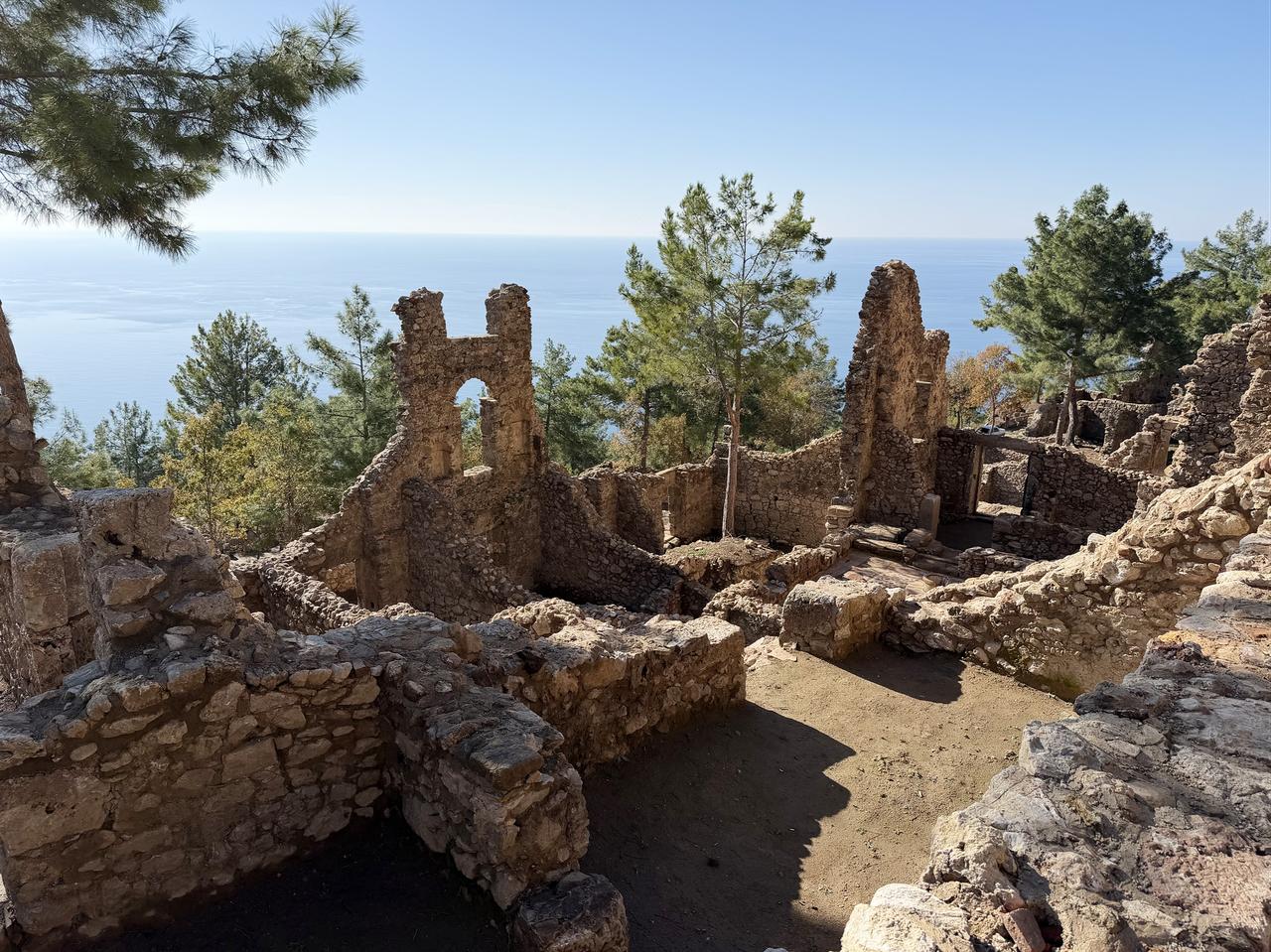
Researchers believe the mosaic belonged to one of Syedra’s prominent residential buildings. The structure appears to have been a large house with multiple rooms arranged around a central courtyard.
Excavation findings indicate the building had three floors and was used over several centuries, from around the second century A.D. until the seventh century. Over time, different owners modified the house by adding rooms, building additional floors, and closing off certain sections.
Later changes to the structure appear to have played a key role in preserving the mosaic. Ergurer noted that the entrance area containing the mosaic was eventually sealed and covered, which helped protect it from damage over the centuries.
Following the discovery, conservation and restoration work began to stabilize the mosaic and ensure its preservation. Conservator and restorer Selma Yagci, a member of the excavation team, said specialists intervened shortly after identifying the mosaic during the dig.
According to Yagci, the overall condition of the mosaic was good, although certain areas required urgent localized treatment. Conservators reinforced damaged sections, repositioned loose fragments, and filled gaps between the stones before applying a protective surface treatment.


 Set as preferred source
 Set as preferred source


 3 min read