Newsletters


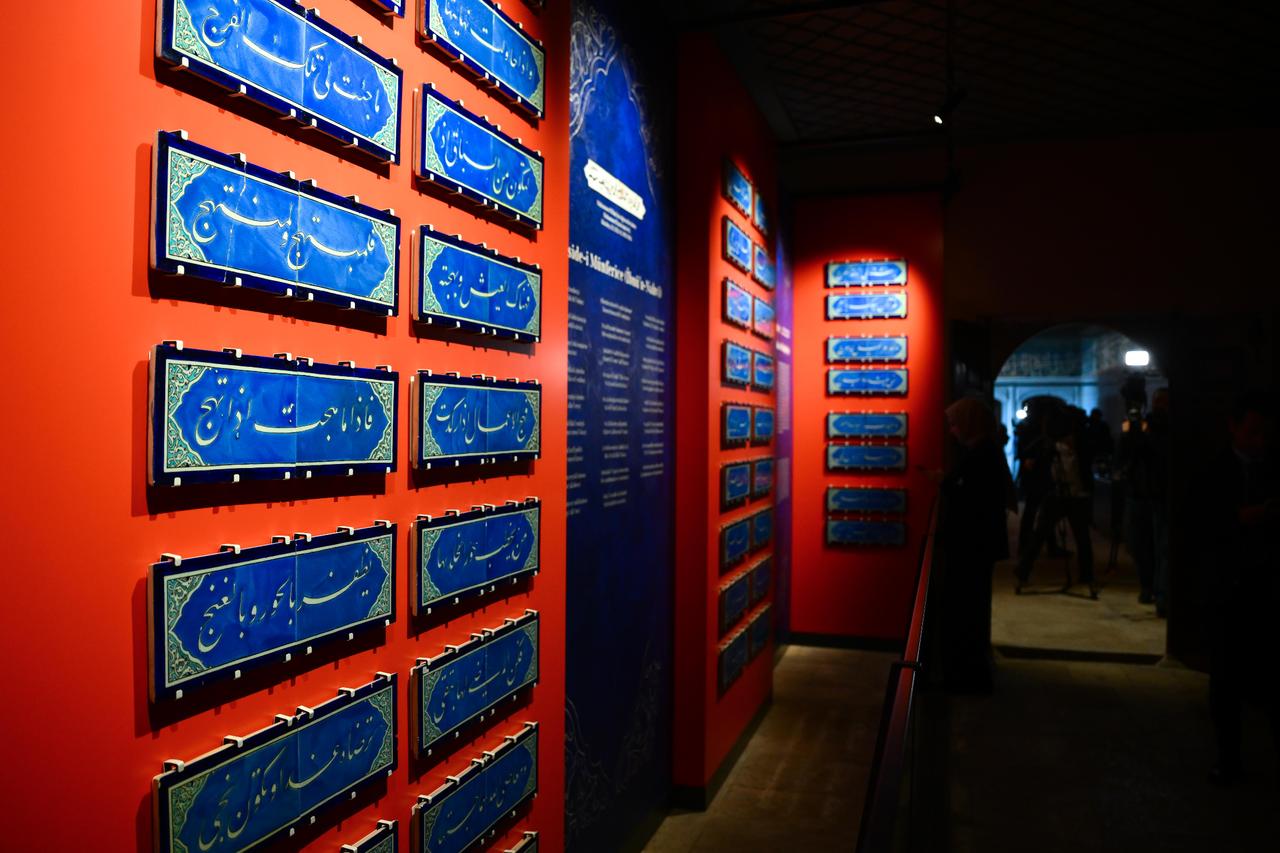


Topkapi Palace in Istanbul has opened a new permanent exhibition space, the Mabeyn Route Tile Art Gallery, inside a historic corridor that once linked the imperial reception area (Mabeyn) with the Imperial Harem.
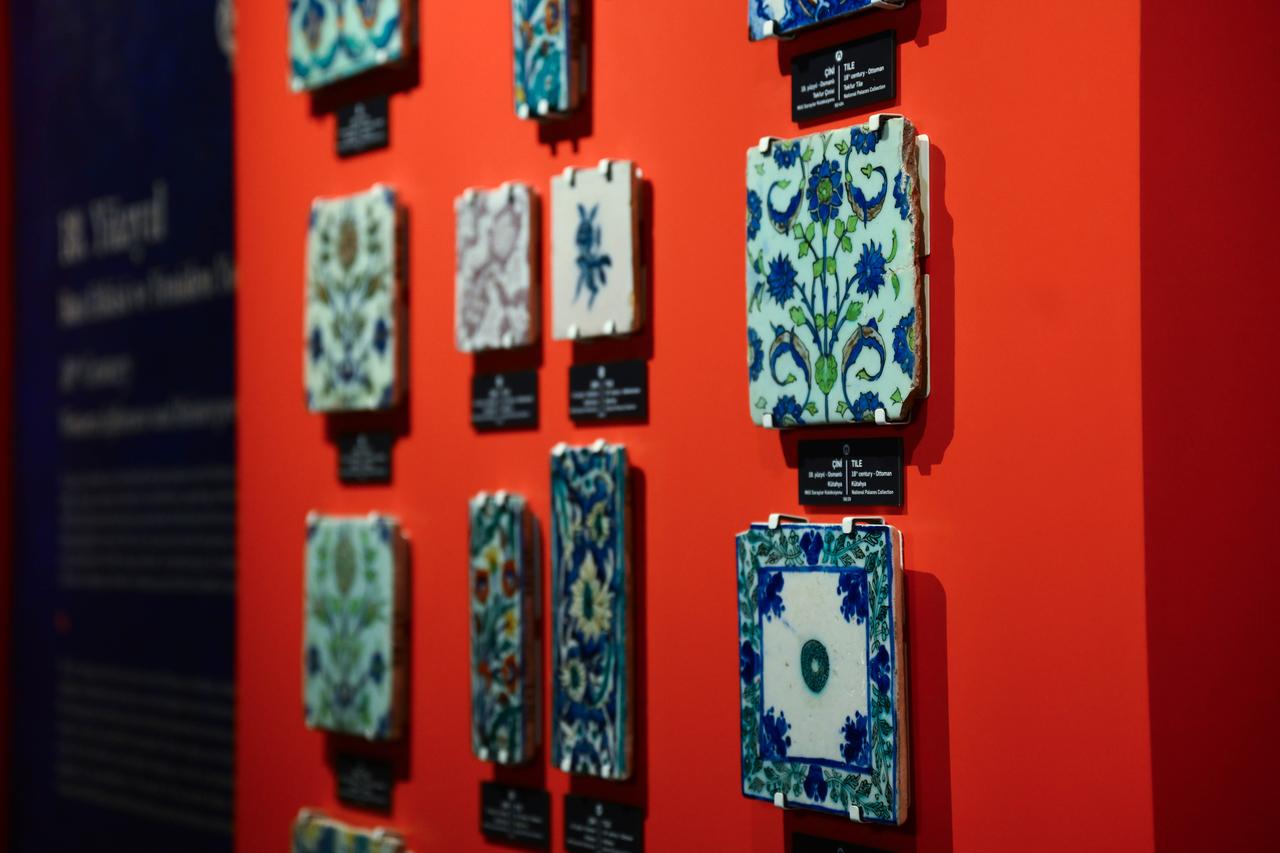
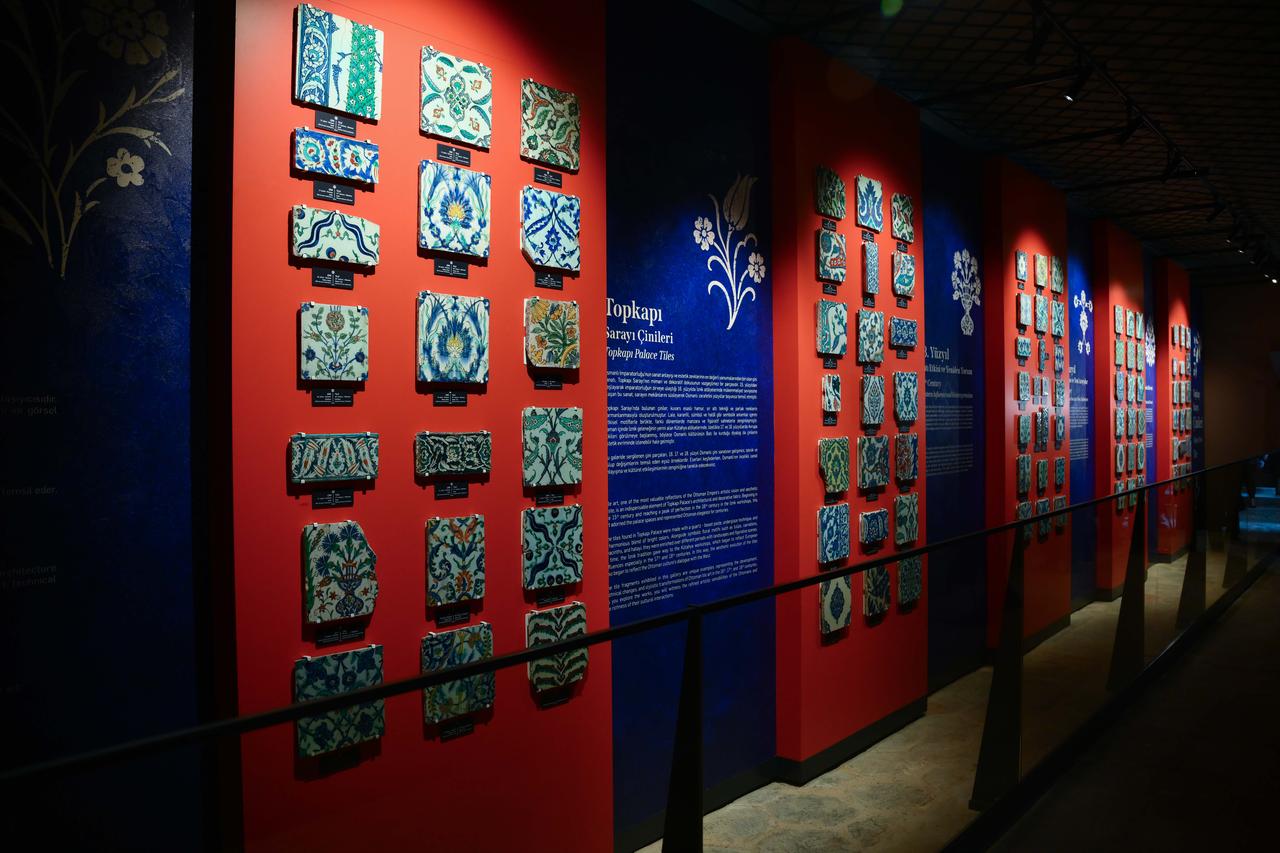
Restored while preserving its original fabric, the gallery brings together around 250 ceramic tiles and presents the stylistic and technical evolution of Ottoman tile art from Iznik to Kutahya within a single, continuous route.

The Mabeyn Route is one of the palace’s lesser-known passages, historically reserved for the sultan’s private use. Over later centuries, it fell out of daily use and remained largely inaccessible.
As part of a long-term restoration program carried out by the National Palaces Administration, the corridor has now been reactivated as a gallery that allows visitors to walk through a key transitional space within the palace while engaging directly with its ceramic heritage.
 1 min read
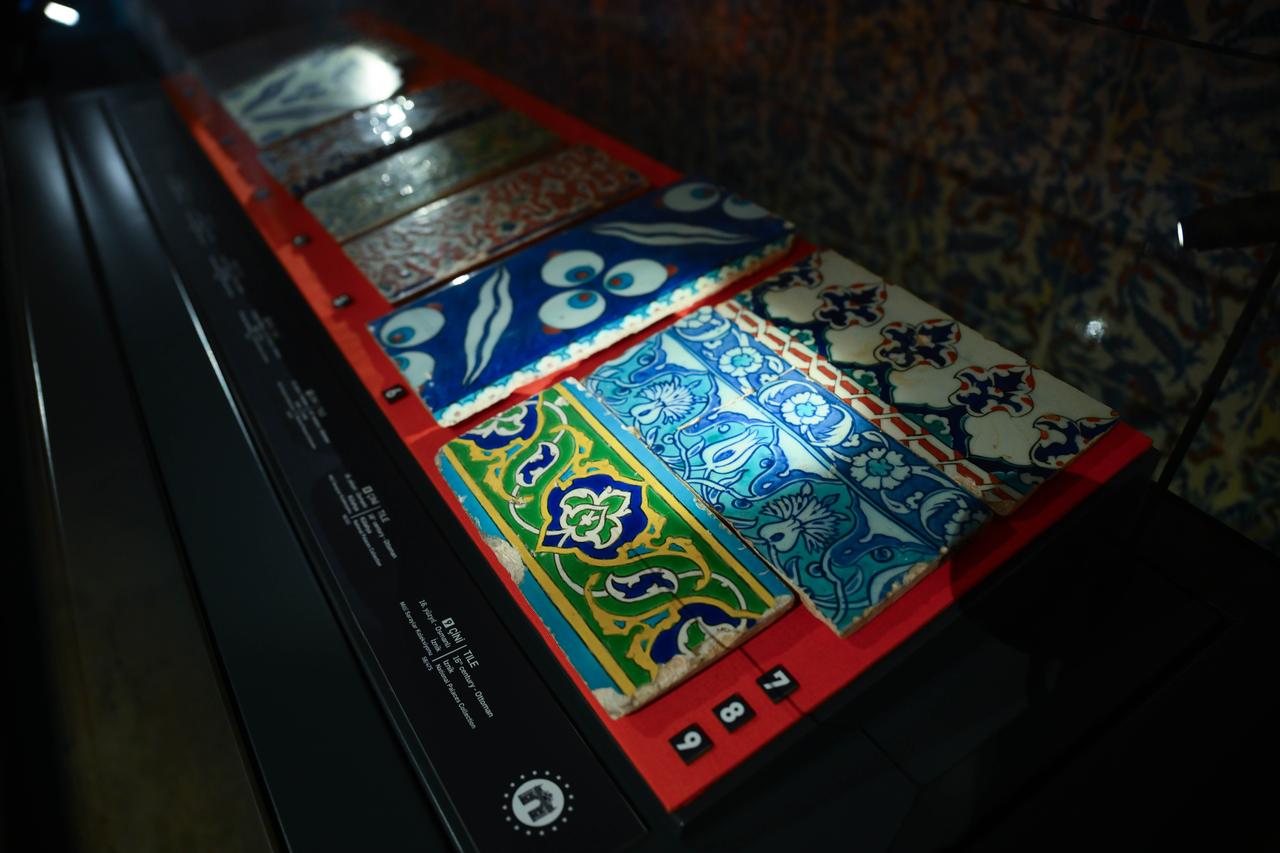
The gallery is arranged thematically, making it possible to follow changes in style, technique and production centers step by step. Visitors can see how the classical Iznik tradition of the 16th century gradually transformed in the 17th century, before giving way to the more varied and European-influenced Kutahya production of the 18th century.
Floral motifs such as tulips, carnations, hyacinths and hatai patterns appear alongside landscape and figurative scenes, helping international audiences understand how decorative preferences shifted over time.
National Palaces President Yasin Yildiz explained that the aim was to bring together ceramic tiles as a coherent whole rather than presenting them in isolated architectural settings. He underlined that without seeing this material collectively, it would be difficult to grasp Topkapi Palace as an integrated historical complex.
Many of the tiles on display were previously kept in storage and rarely seen by the public, making the gallery an important step in opening up the palace’s collections.
Until 2018, a significant portion of Topkapi Palace tiles had been stored in dispersed depots within the Harem. These were later transferred to two dedicated storage facilities set up in the Aziziye buildings, expanding conservation space and improving conditions.
A Tile Restoration Workshop established four years ago launched systematic classification and documentation, producing thousands of photographs and recording hundreds of distinct patterns. The selection displayed in the Mabeyn Route gallery is a direct result of this work, which is still continuing to identify and match fragmented pieces in storage.
Among the most striking elements are large-scale tiles inscribed with the names of Ottoman sultans from Osman Gazi to Sultan Selim II, written together on 16th-century ceramics.
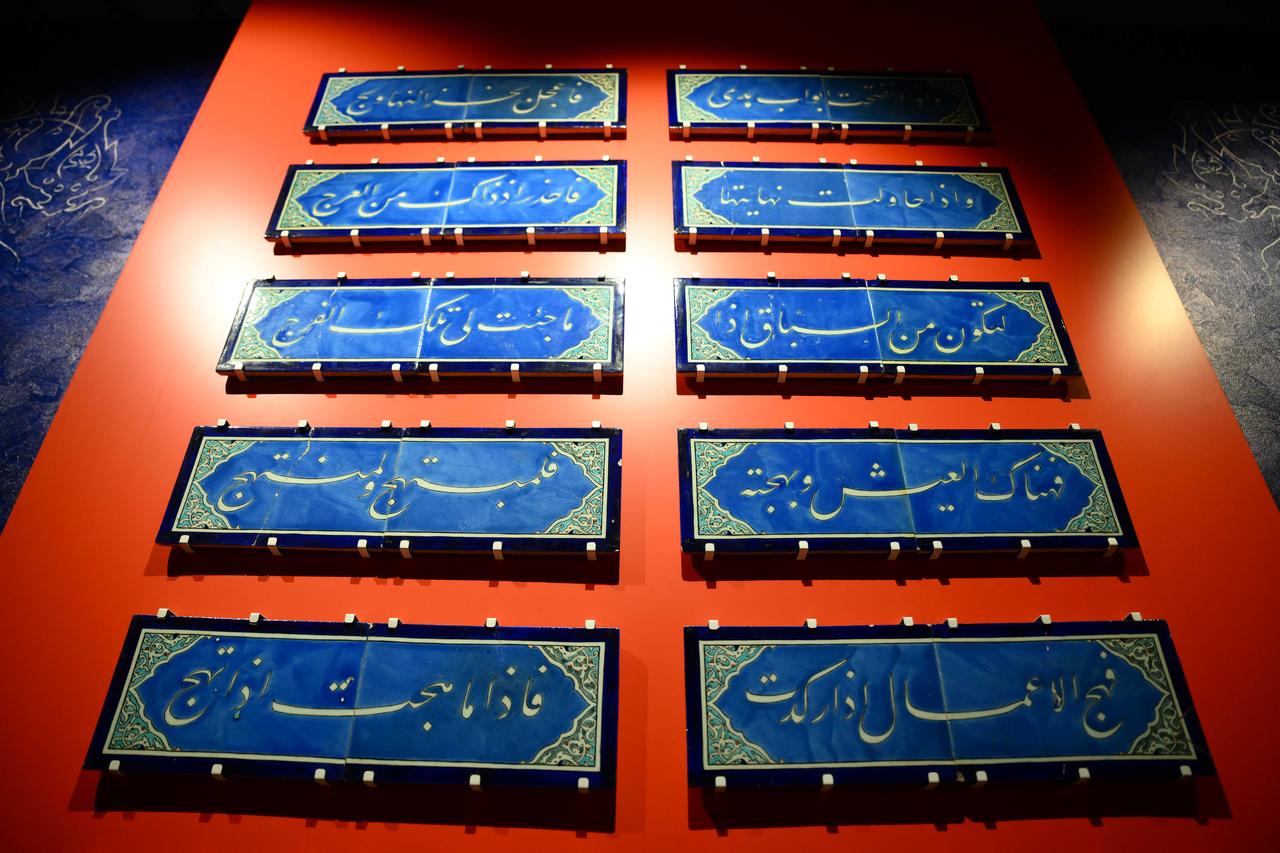
The gallery also features tiles bearing verses from the “Kaside-i Munferice,” a poem written in the 11th century by the Tunisian poet Ibn al-Nahvi, adding a literary and spiritual dimension to the display.
The Mabeyn Route Tile Art Gallery is open every day except Tuesday, when Topkapi Palace is closed. Visiting hours are from 9:00 a.m. to 5:00 p.m., offering international visitors a structured and accessible way to explore one of the palace’s most refined artistic traditions within its original architectural context.


 Set as preferred source
 Set as preferred source


 1 min read