Newsletters


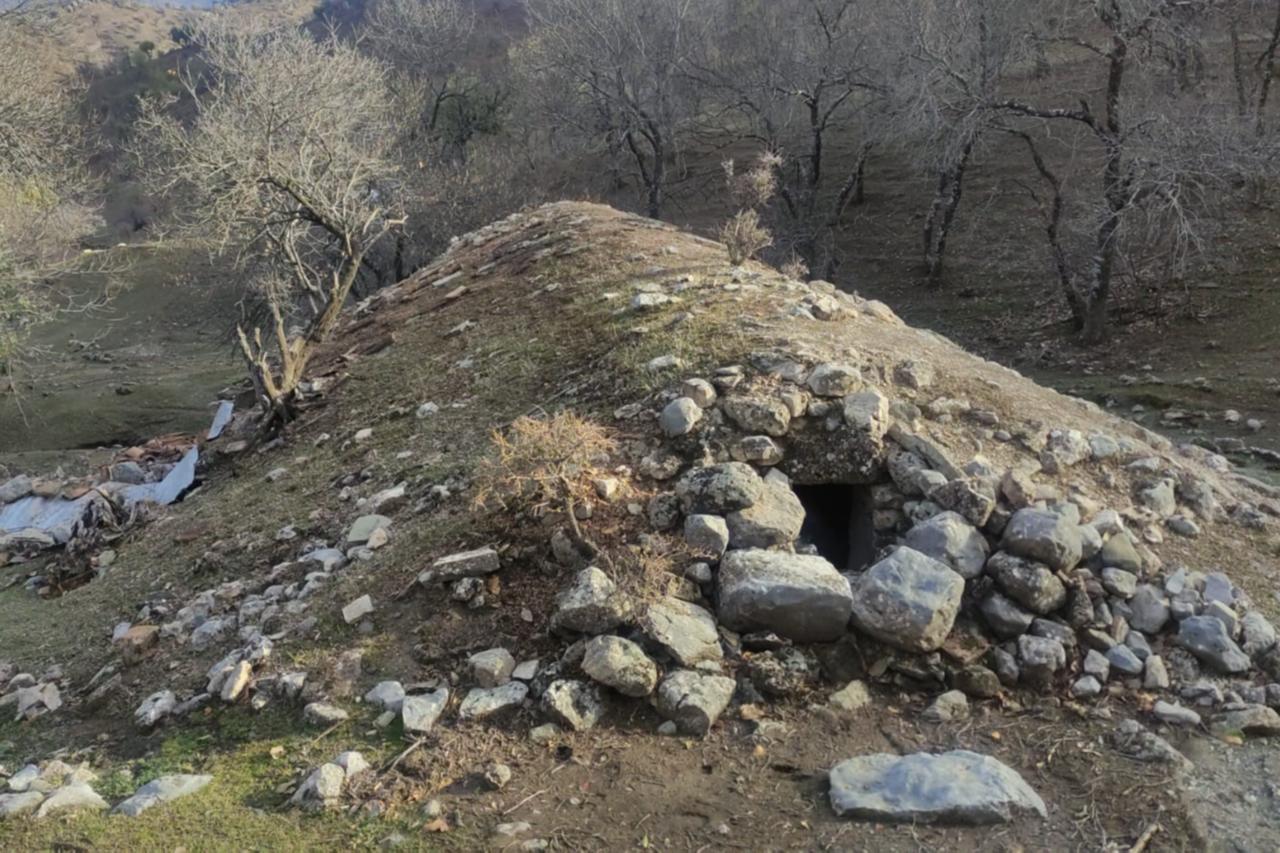


Turkish villagers in the Sason district of Batman province in southeastern Türkiye have come across an underground mosque hidden beneath Gomek Plateau, near a valley known locally as Cehennem Deresi, or “Hell Valley.” The structure, reached through a small opening in a rocky slope, contains an intact mihrab and a large, unidentified tomb, and may date back many centuries, according to early assessments shared with a local nature hiker.
Gomek Plateau is connected to Karamese village and is described as a highland area locally referred to as a “yayla,” a word used in Türkiye for upland pastures and summer settlements. The underground space lies close to Cehennem Deresi, adding to the sense that the discovery sits in a secluded and rugged part of the district.
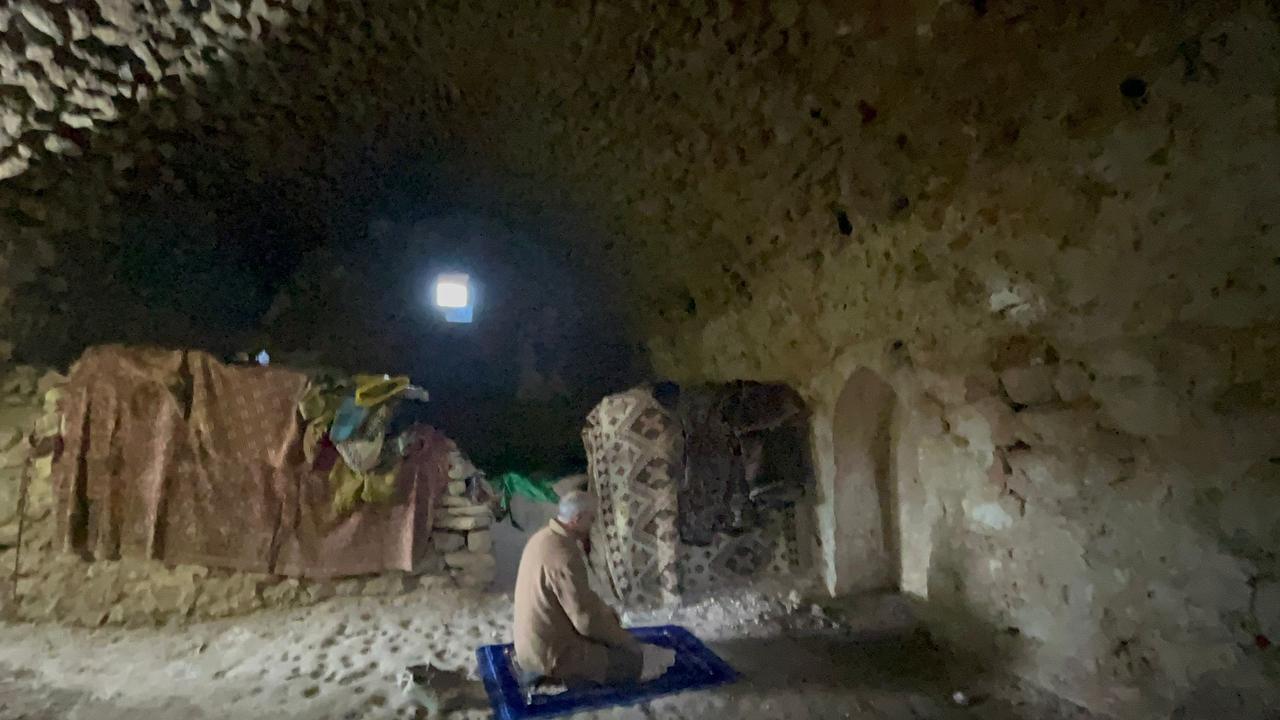

Inside the underground structure, observers noted a mihrab, the niche that indicates the direction of Mecca in a mosque, standing completely intact. Along the interior walls, dozens of jars are embedded into the masonry and are thought to have been used for sound insulation or to shape the acoustics of the space during worship.
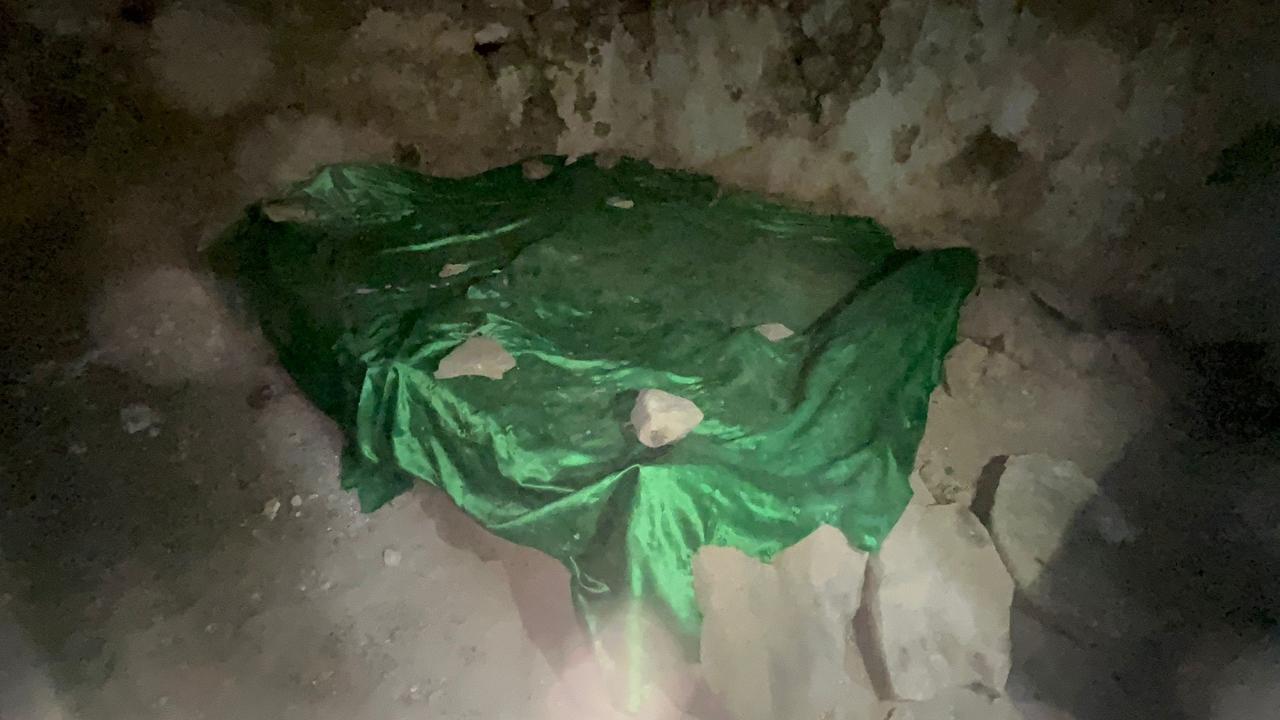
The underground mosque also contains a large tomb whose occupant has not yet been identified. On the surface around the entrance, a survey of the surrounding ground revealed many elongated graves scattered across the plateau, including some that are described as children’s graves. Taken together, the intact prayer niche, the system of wall jars and the cluster of graves suggest that the area once served as both a place of worship and a burial ground.
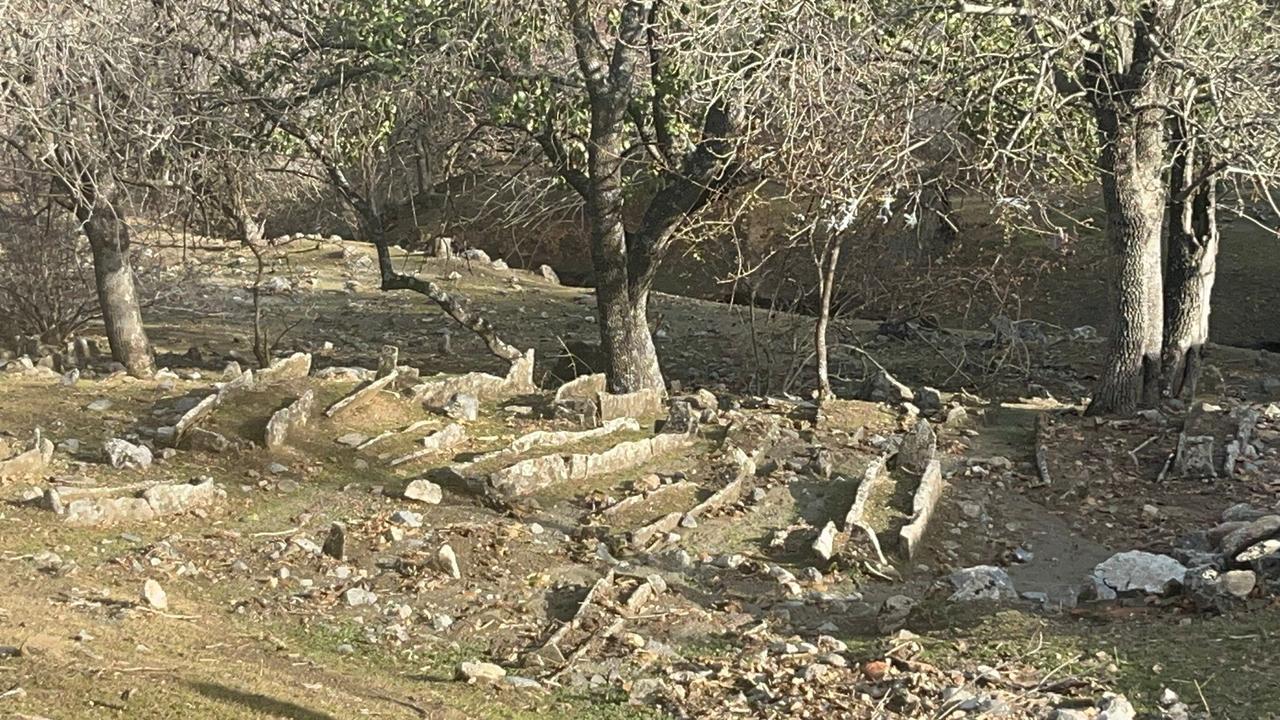
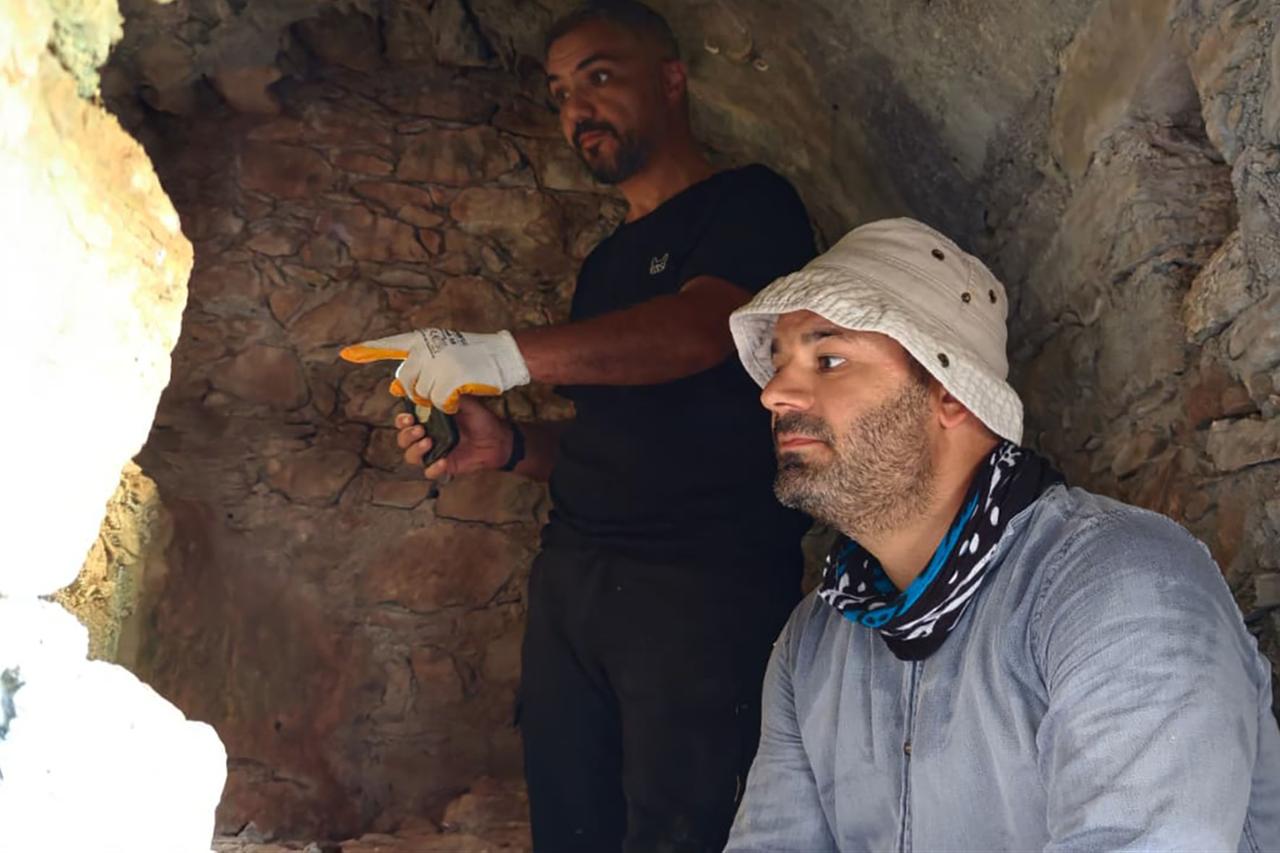
Nature hiker Sabahattin Atalay said he witnessed the discovery of the underground mosque while walking across Gomek Plateau with a group. After crossing Cehennem Deresi, villagers pointed out a small opening in the rock, and the group decided to enter. Atalay explained that they were taken aback by what they saw inside, noting that the mihrab appeared undamaged and that the jars were set into the walls in large numbers.
He said he later learned that these jars were evaluated as having been used for acoustic purposes. Atalay also drew attention to the large tomb in the underground space and the many graves visible outside on the plateau. He described the underground mosque as “a structure that seems to have emerged from the depths of history,” and underlined that its period is unknown and that specialist examination is needed.
Atalay added that, based on his own research and conversations with experts, the architecture of the building may, on first assessment, point to the Middle Ages and the early Islamic period, or possibly an even older culture. However, he stressed that those experts made it clear that only a comprehensive archaeological study could provide a precise date for the site.
The discovery is striking because it appears not to have been recorded in official cultural listings, even though studies had previously been carried out in the wider region. It is known that artefacts found during earlier research conducted under the authority of the Batman Governorate were entered into the Batman Cultural Inventory, which serves as a catalogue of the province’s documented cultural assets.
In the case of the Gomek Plateau underground mosque, however, there is no record in that inventory so far, which highlights how little is currently known about the structure.


 Set as preferred source
 Set as preferred source


 1 min read
 1 min read