Newsletters


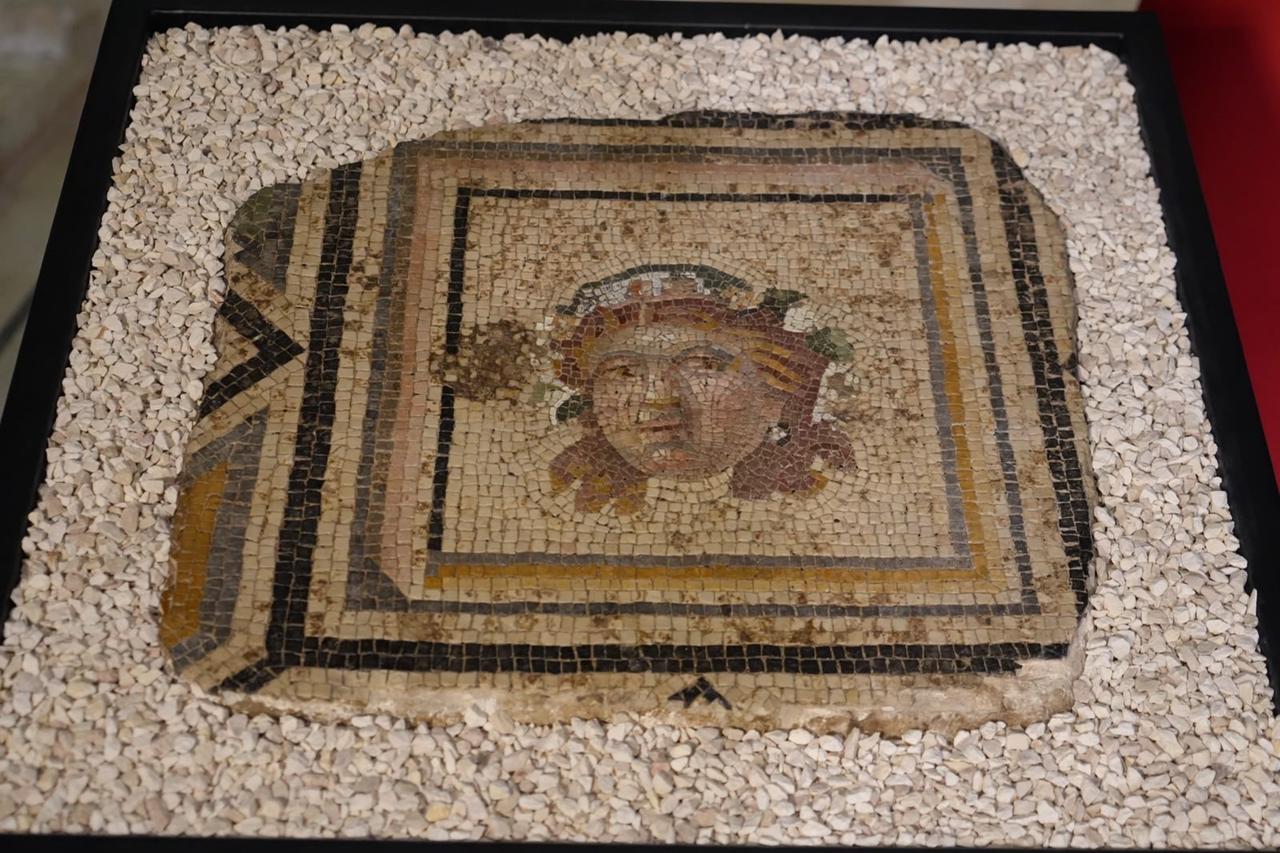


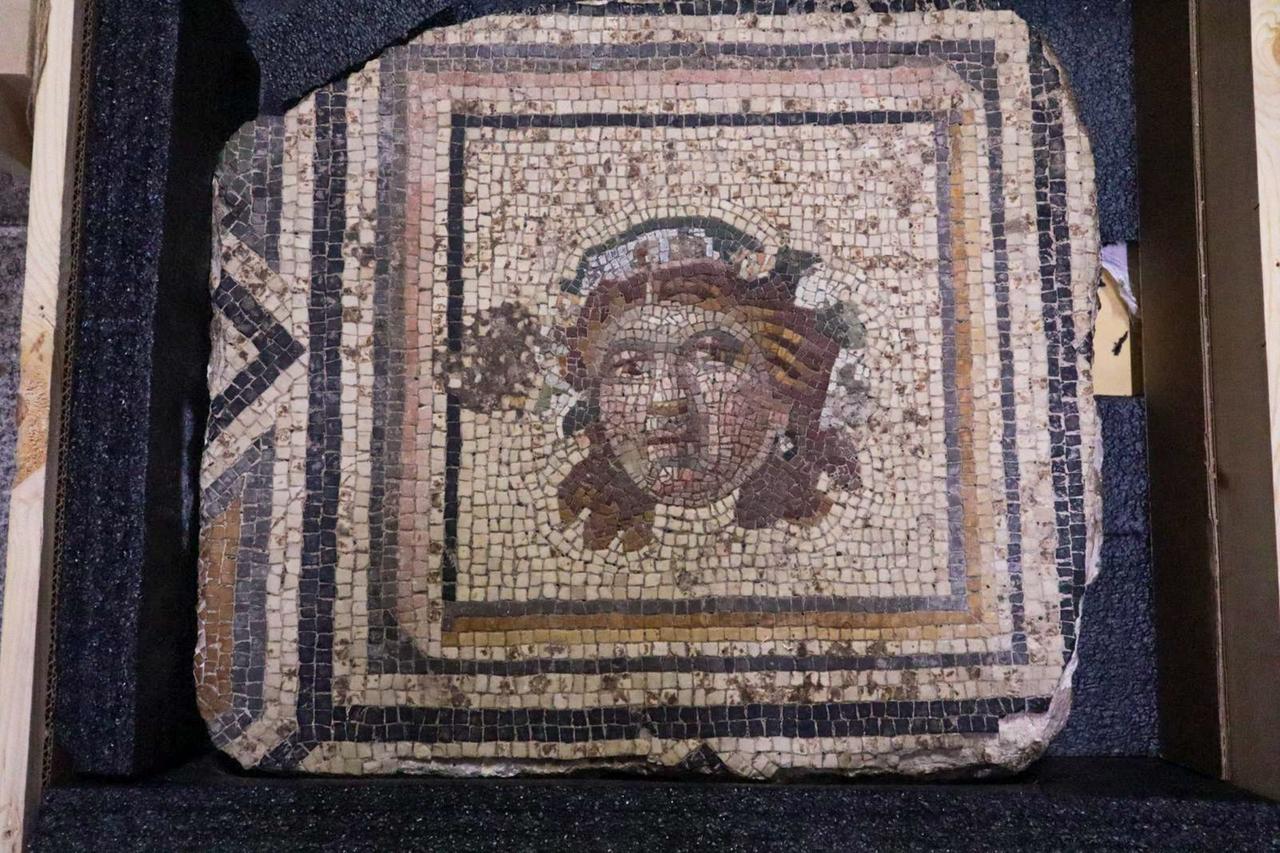
A panel dating back to the second or third century has joined the collection of the Zeugma Mosaic Museum in Gaziantep after being recovered from the United States, bringing another missing part of the internationally known mosaic composition back to its original context.
The 13th panel belonging to the mosaic widely known as the "Gypsy Girl" has been returned to Türkiye from the United States and handed over to the Zeugma Mosaic Museum in the southeastern province of Gaziantep.
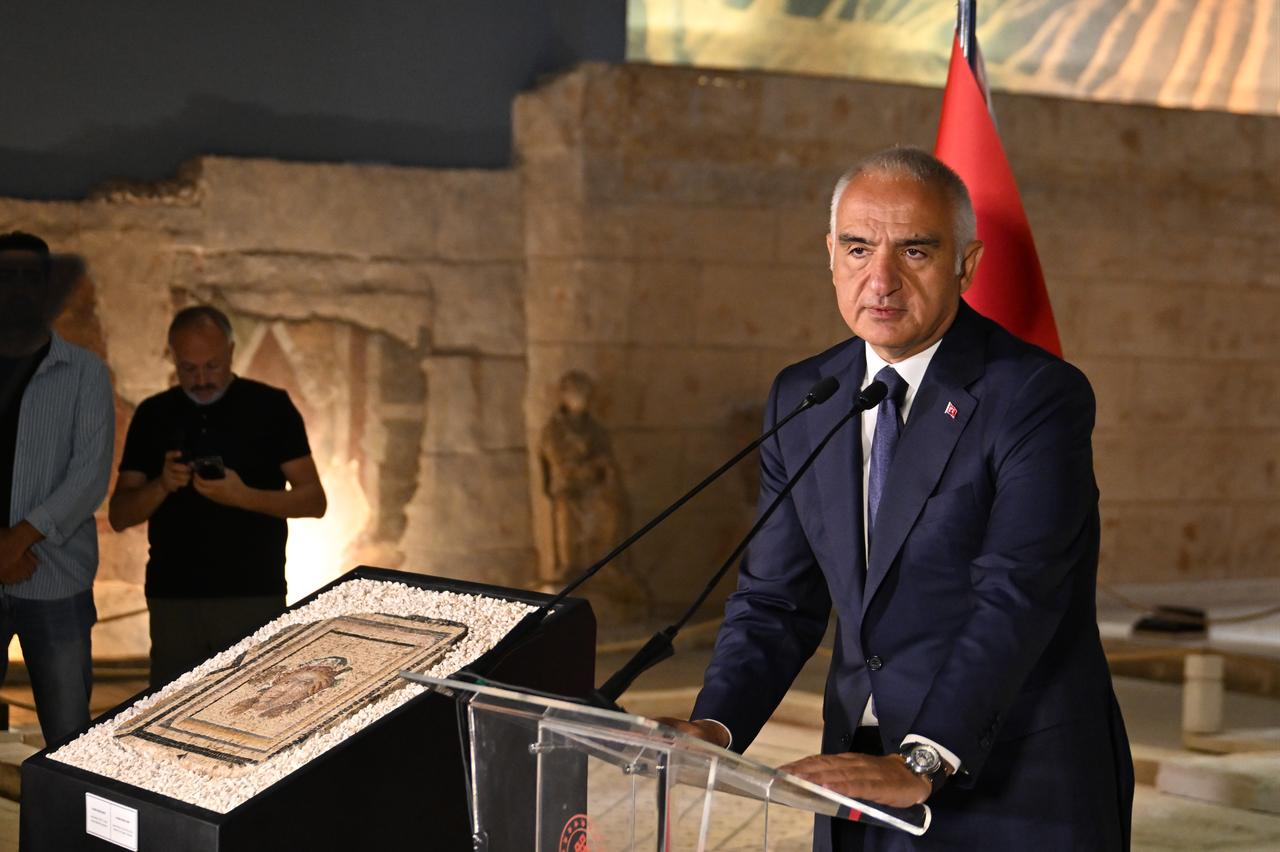
Speaking at the handover ceremony, Culture and Tourism Minister Mehmet Nuri Ersoy said the panel would allow experts to examine the Zeugma mosaics more comprehensively and reassess the wider composition within its original context.
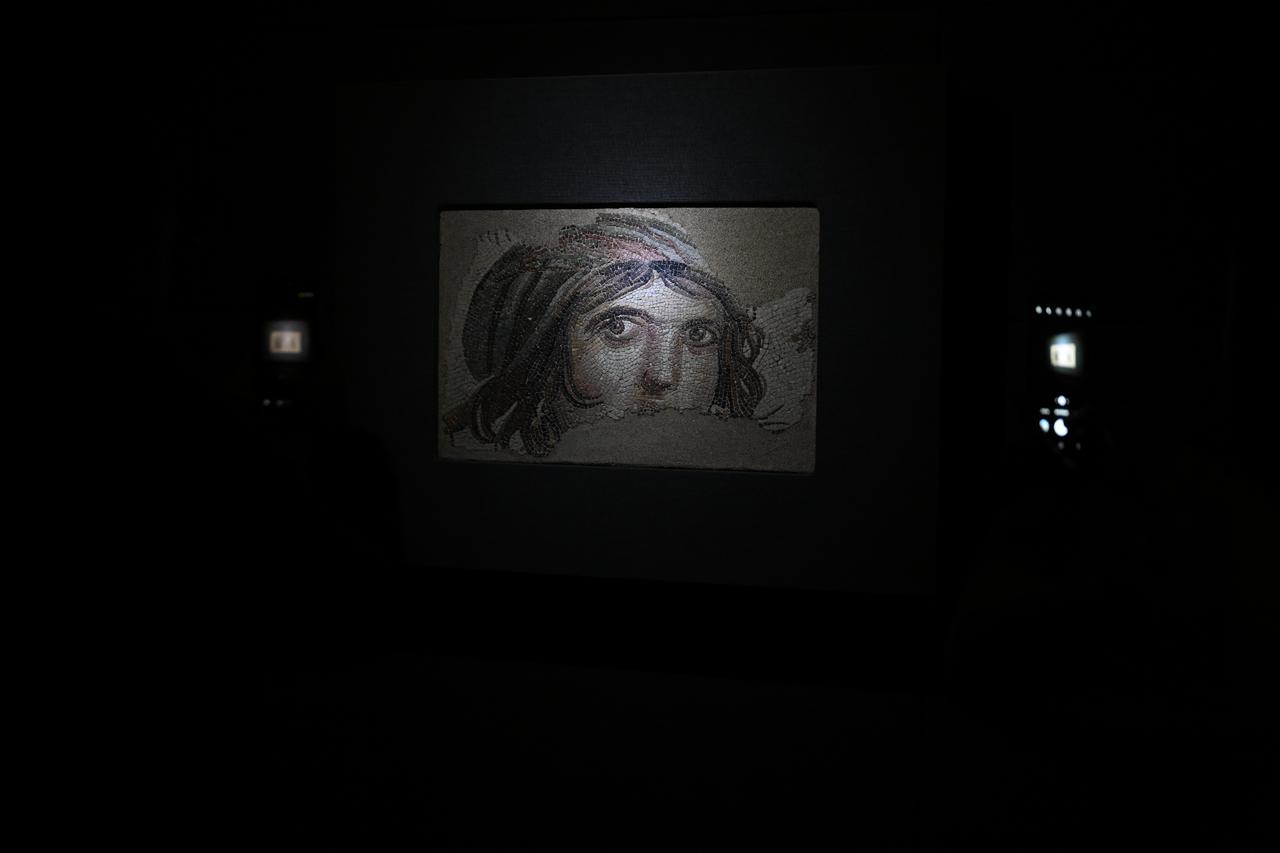
Zeugma was an important Roman city on the banks of the Euphrates River, where trade, art and culture brought together influences from the East and West. The "Gypsy Girl" mosaic has since become one of the most widely recognized cultural symbols associated with both Gaziantep and Türkiye.

Ersoy said several panels belonging to the mosaic had been illegally taken abroad following unauthorized excavations in the 1960s.
Türkiye previously secured the return of 12 panels from the same floor mosaic, which were put on display at the Zeugma Mosaic Museum in 2018.
The newly returned panel, dated to the second or third century A.D., was identified as a possible part of the same composition through research carried out by Camila Felag of Grenoble Alpes University and scientific assessments by Zeugma excavation director Professor Kutalmis Gorkay.
After the findings were passed on to the ministry, officials determined that the panel had been offered for sale and had changed hands. Türkiye then contacted U.S. authorities, although information about the buyer could not initially be obtained.
Ministry experts continued to follow up on the case and later spotted the panel when it was once again put up for sale during international auction monitoring.
Türkiye renewed its restitution request without delay, drawing on its earlier claims and the scientific evaluations linking the panel to Zeugma. The return process was completed through an investigation carried out by U.S. Homeland Security Investigations.
Ersoy said the case once again showed that the fight against cultural property trafficking needed to bring together scientific research, legal mechanisms and international cooperation.
"Each missing piece that returns does not merely complete a mosaic; it repairs a damaged memory, fills gaps in the pages of history and reunites a cultural value with the whole to which it belongs," he said.
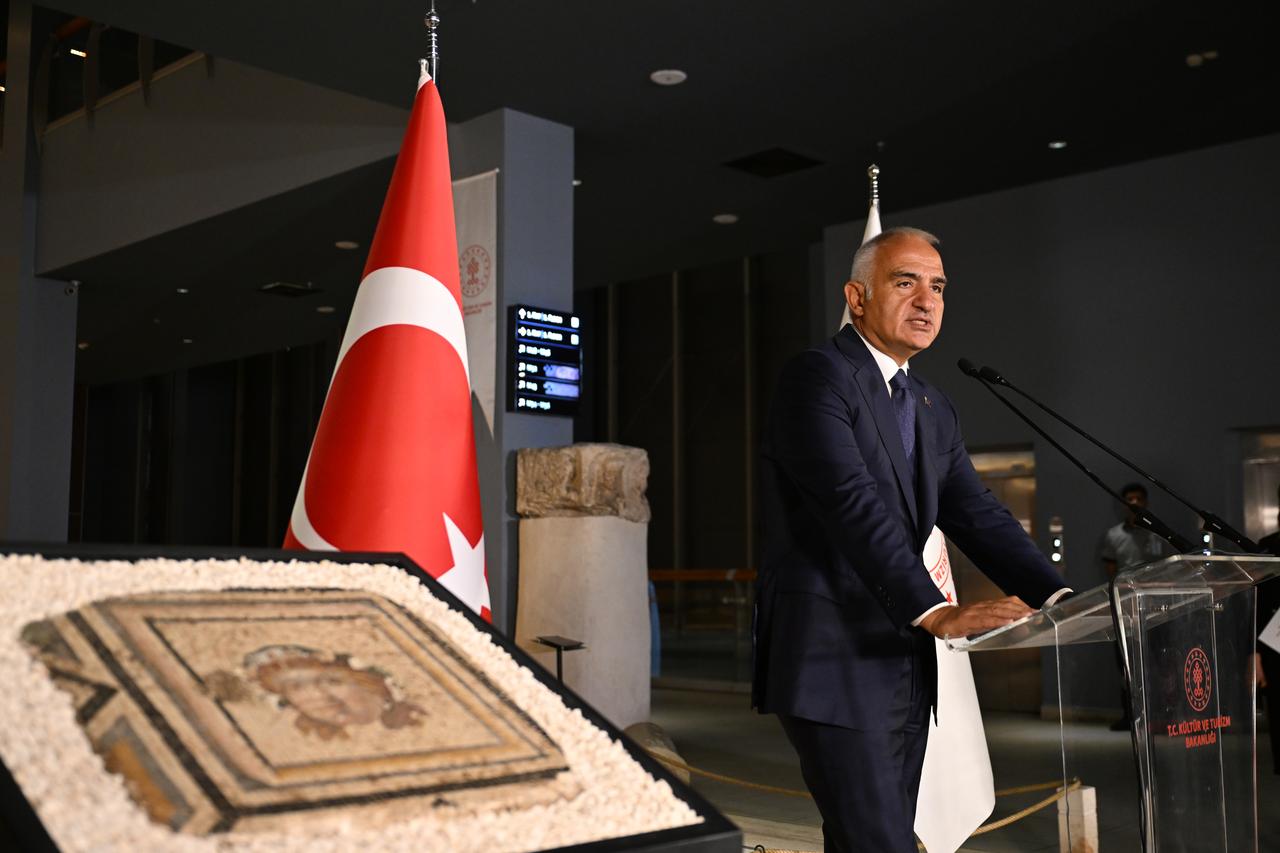
Ersoy also said a memorandum of understanding signed with the United States in 2021 had played an important role in preventing cultural objects illegally removed from Türkiye from entering the U.S. legally.
The agreement, which operates in five-year periods, has been renewed for another five years, reflecting continued cooperation between the two countries in tackling cultural property trafficking.
According to Ersoy, Türkiye has secured the return of 13,454 cultural objects since 2002, including 9,139 over the past eight years.
He said the ministry would continue working against illegal excavations and trafficking while improving early intervention, evaluating reports more effectively and raising public awareness about protecting cultural heritage.
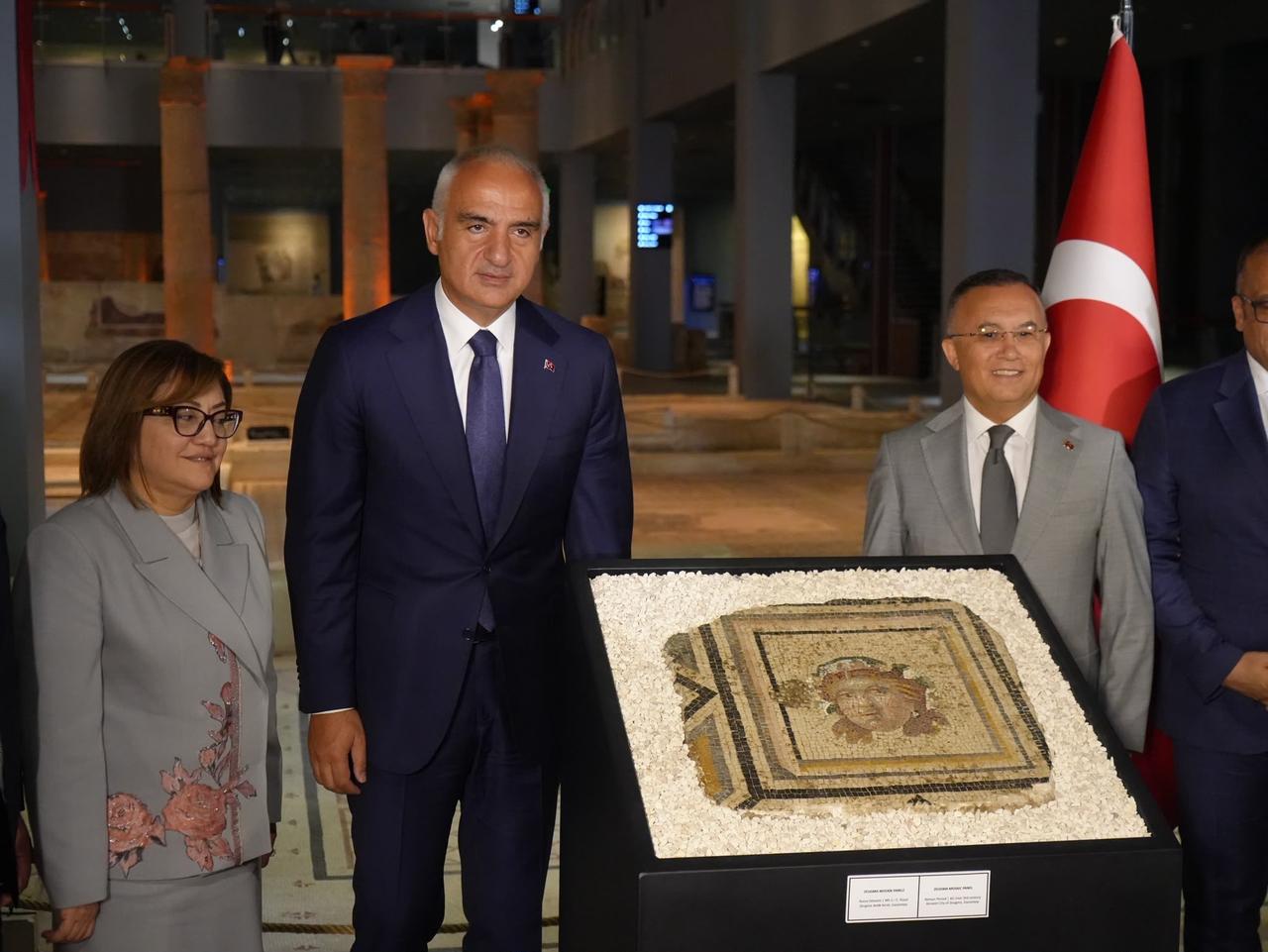
Gaziantep Governor Kemal Ceber said the province had been among the places that benefited most from the return of cultural artifacts, while Gaziantep Metropolitan Mayor Fatma Sahin welcomed the end of what she described as a 60-year separation.
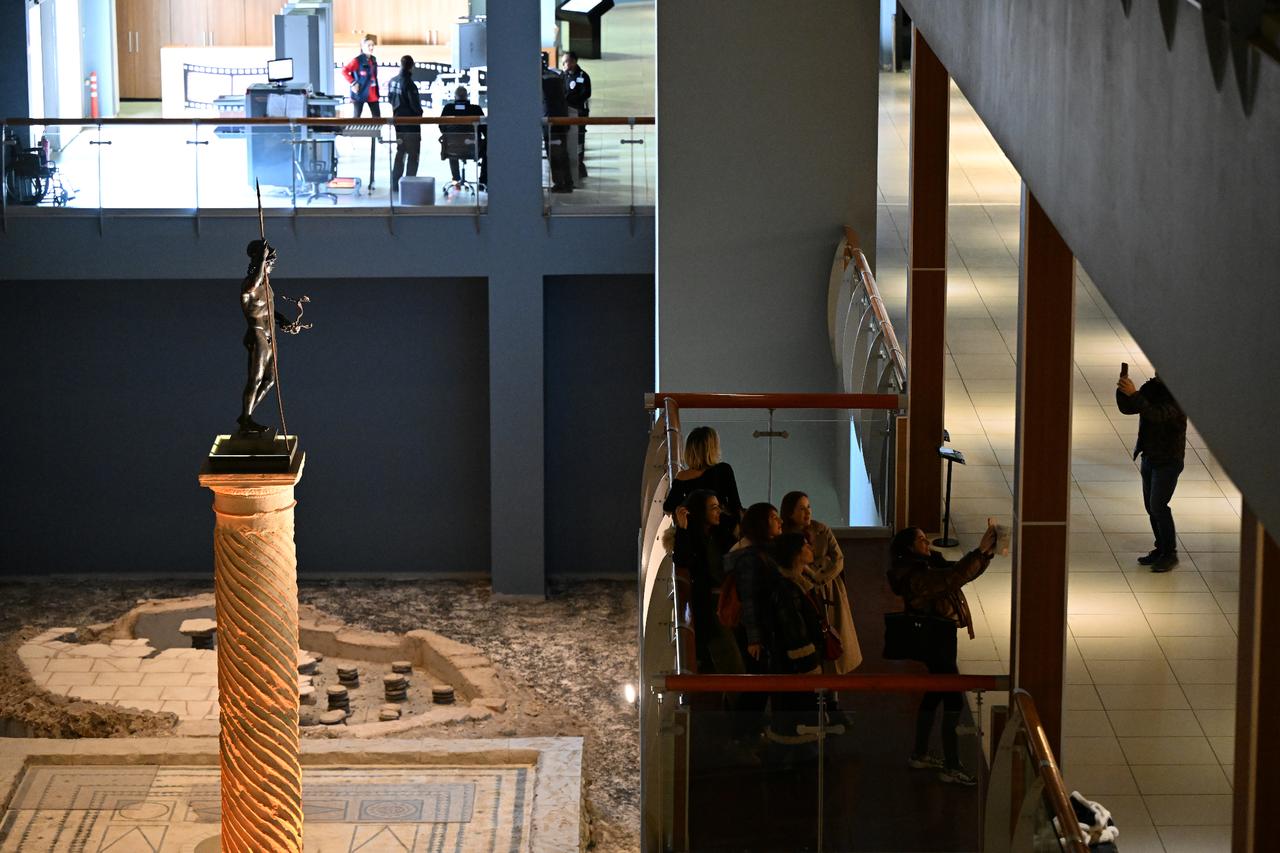
Following the ceremony, officials toured the Zeugma Mosaic Museum.


 Set as preferred source
 Set as preferred source


 1 min read
 1 min read