Newsletters


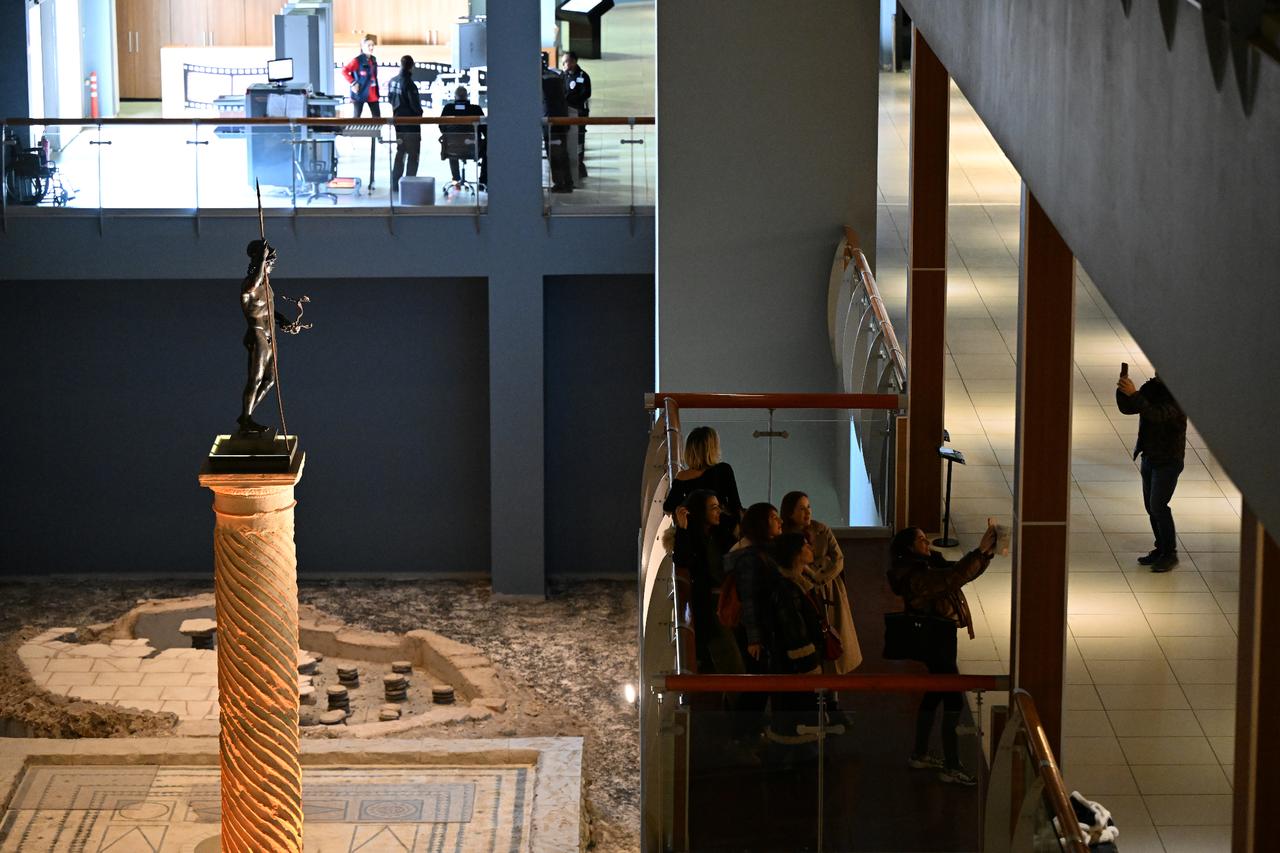


A newly constructed viewing platform at the Zeugma Mosaic Museum in southeastern Türkiye now allows visitors to examine one of the museum’s most remarkable artifacts, a nearly 2,000-year-old bronze statue of Mars, from a much closer vantage point.
The statue, displayed among the museum’s major archaeological treasures, depicts Mars, the Roman god associated with strength and prosperity. Museum officials introduced the platform to help visitors take in the statue’s intricate features more easily and appreciate its artistic craftsmanship in greater detail.
The Zeugma Mosaic Museum, located in Gaziantep along the historic Silk Road, was established in 2011 by the Turkish Ministry of Culture and Tourism and covers an exhibition area of about 30,000 square meters.

The newly installed viewing platform spans roughly 16 square meters and was built directly in front of the statue to bring visitors closer to the work. Measuring about 2 meters in length and 8 meters in width, the structure allows guests to observe details that were previously difficult to see from the ground floor.
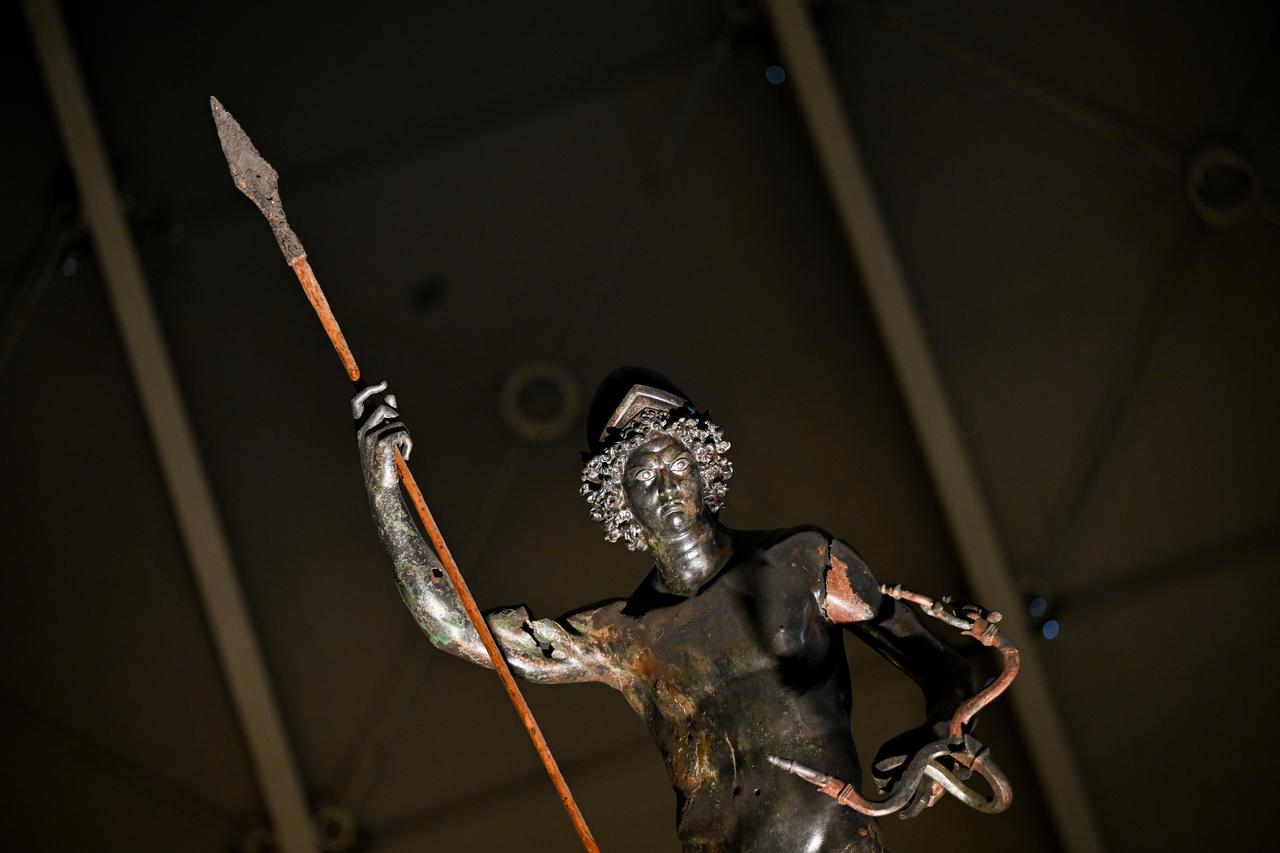
Among the statue’s most distinctive elements are its eyes, which are inlaid with gold and silver. The platform now enables visitors to approach the sculpture closely enough to clearly see these delicate features.
Gaziantep Museum Director Ozgur Comak said the museum houses artifacts of significant importance for global art history and noted that the addition of the platform has already drawn positive feedback from visitors.
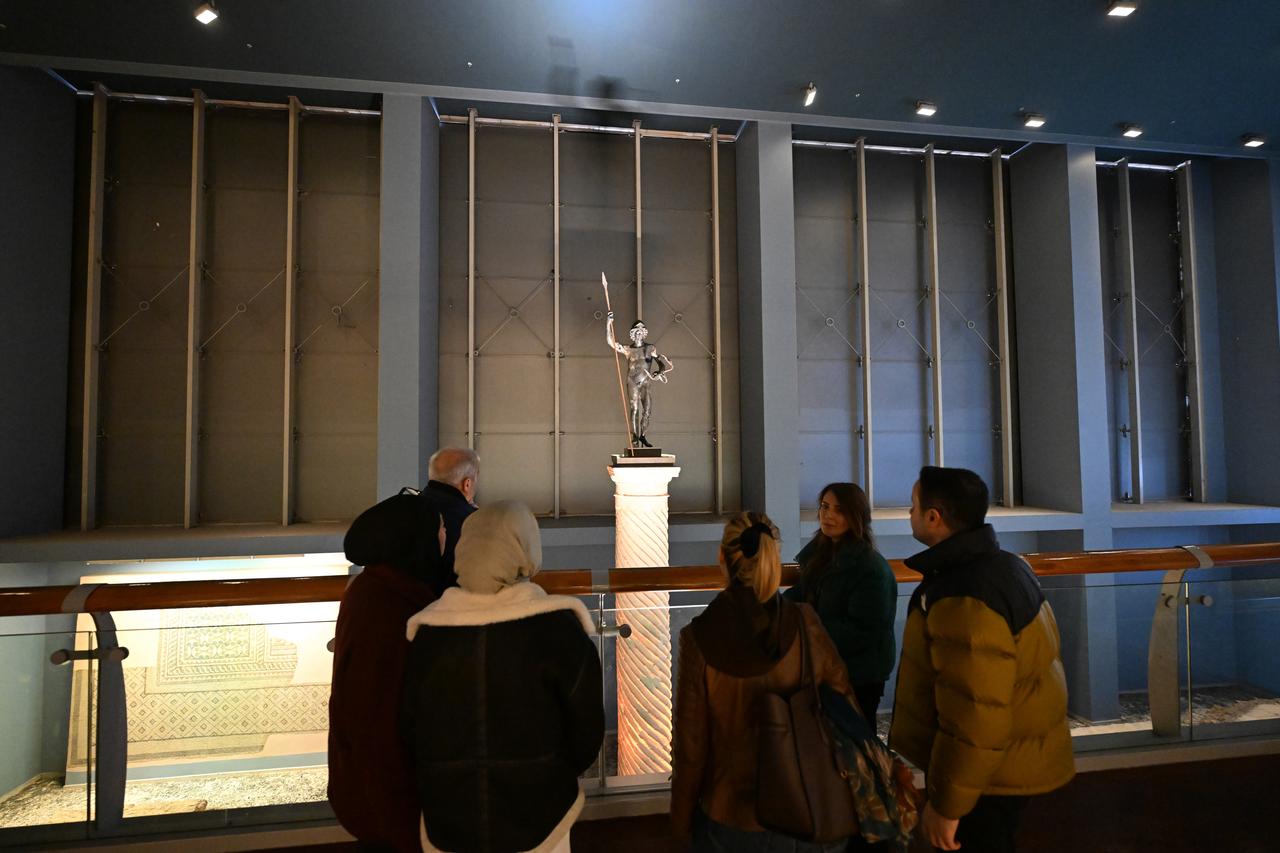
Comak explained that the bronze statue is unique worldwide because it was created at the natural size of the figure it represents. “This is the only bronze statue of Mars in the world produced at its original dimensions,” he said, adding that the gold and silver inlaid eyes are among its most striking characteristics.
Previously, visitors could only view the statue from a distance, but the new platform now allows them to come much closer and better appreciate its visual impact.
The structure can accommodate about 40 visitors at the same time and has a maximum carrying capacity of 100 people.
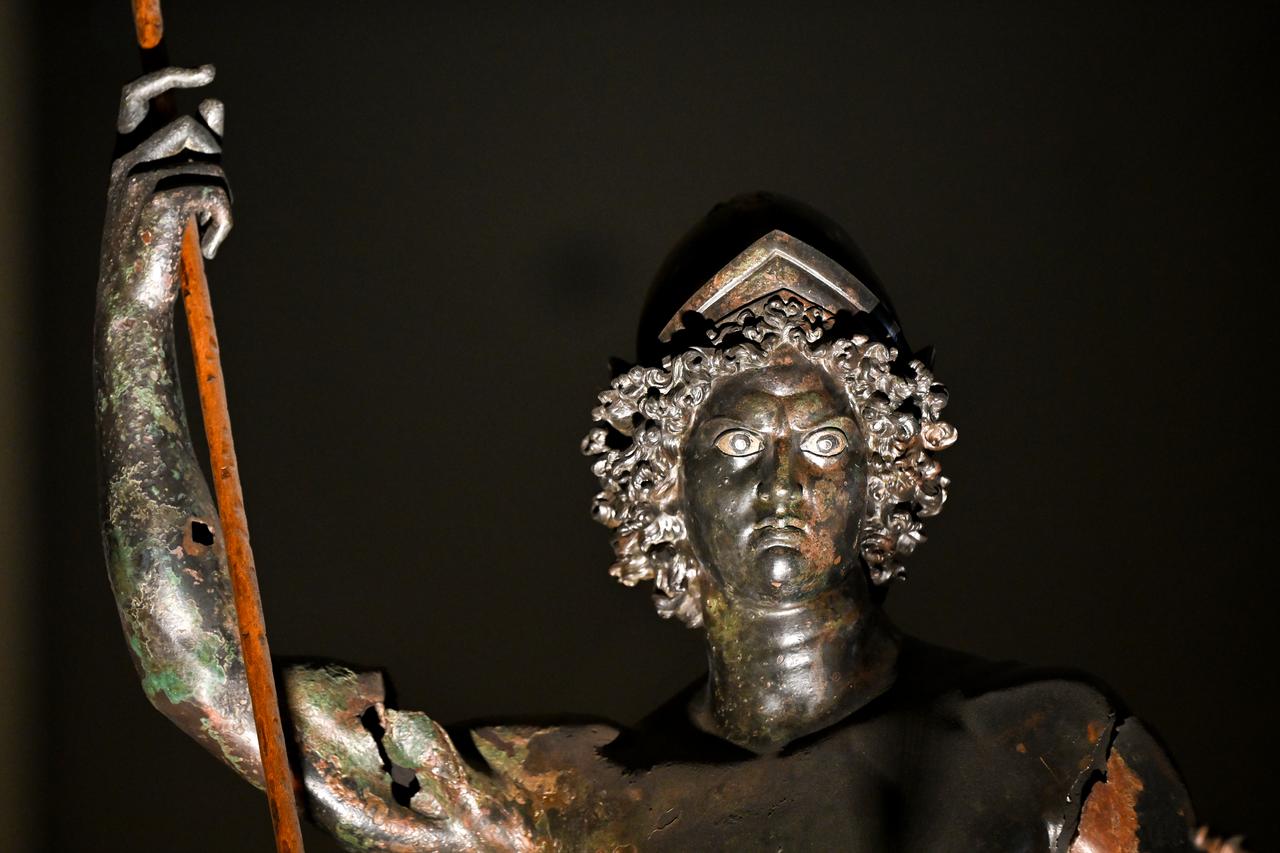
The statue portrays a young warrior wearing a helmet, with a strong facial expression that draws attention to the figure’s intense gaze. The figure’s curly hair is parted in the middle and flows around the forehead and face, extending toward the back of the neck.
The sculpture’s gold- and silver-inlaid pupils enhance the dramatic effect of the figure’s expression, which conveys both determination and anger.
For visitors like Selvi Ayhan, who traveled from Hatay and has visited the museum several times, the platform has significantly changed the viewing experience. She said earlier visits allowed only a distant look at the statue, but the new structure now offers a chance to study the artifact much more closely.


 Set as preferred source
 Set as preferred source


 3 min read