Newsletters


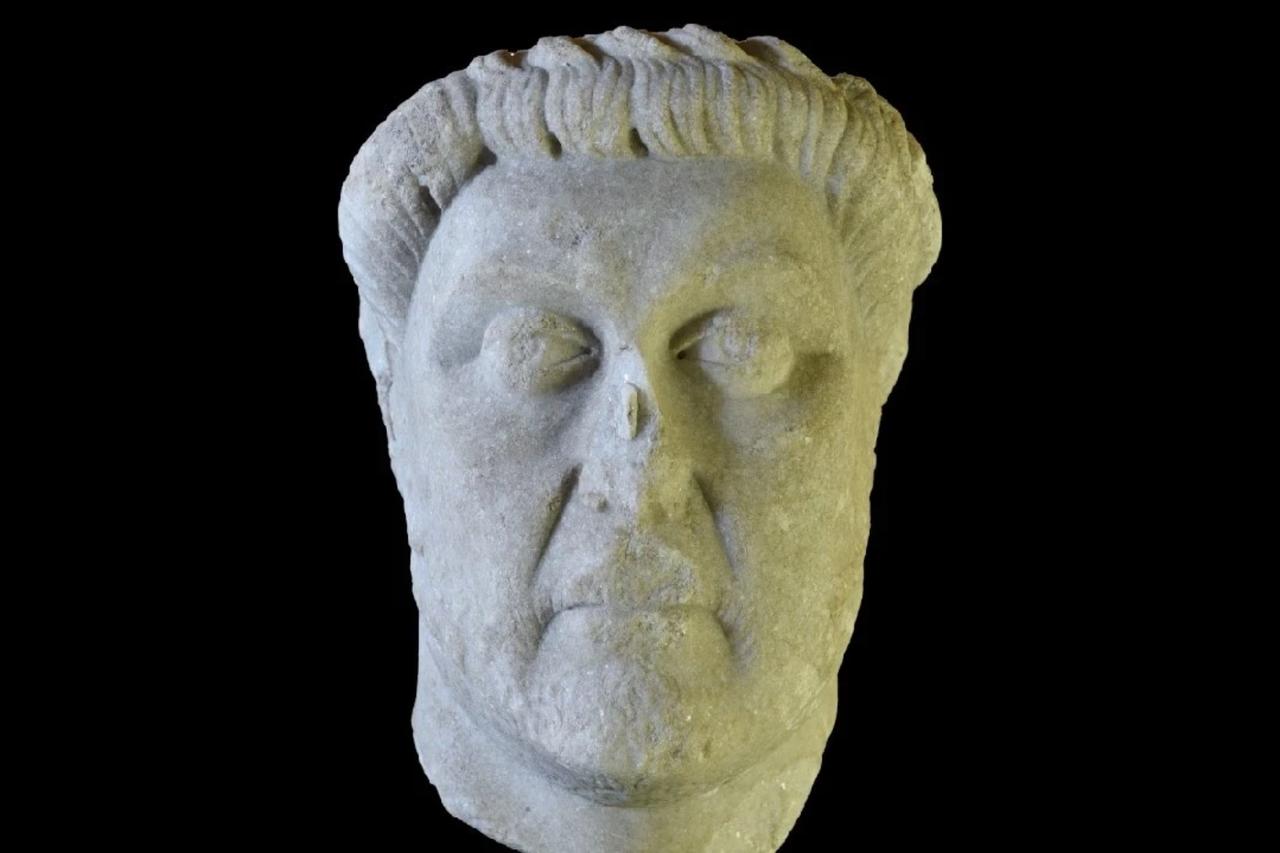


A marble sculpture head originating from the ancient city of Smyrna has been returned from the United States to Türkiye after scientific research and archival evidence confirmed its Anatolian origin, and it is now on display at the Izmir Archaeology Museum.
The artifact had been part of the collection at the Denver Art Museum, where it was identified as originating from Anatolia through detailed studies conducted by experts from Türkiye’s Ministry of Culture and Tourism.
Archival documentation, including scientific reports dated to 1934, confirmed that the piece had come from excavations at the Smyrna Agora, a central public space in the ancient city.

The return followed a request by Türkiye and a constructive dialogue with the museum, resulting in the artifact being handed back voluntarily.
Officials indicated that the case highlights how international cooperation can support the protection and repatriation of cultural heritage.
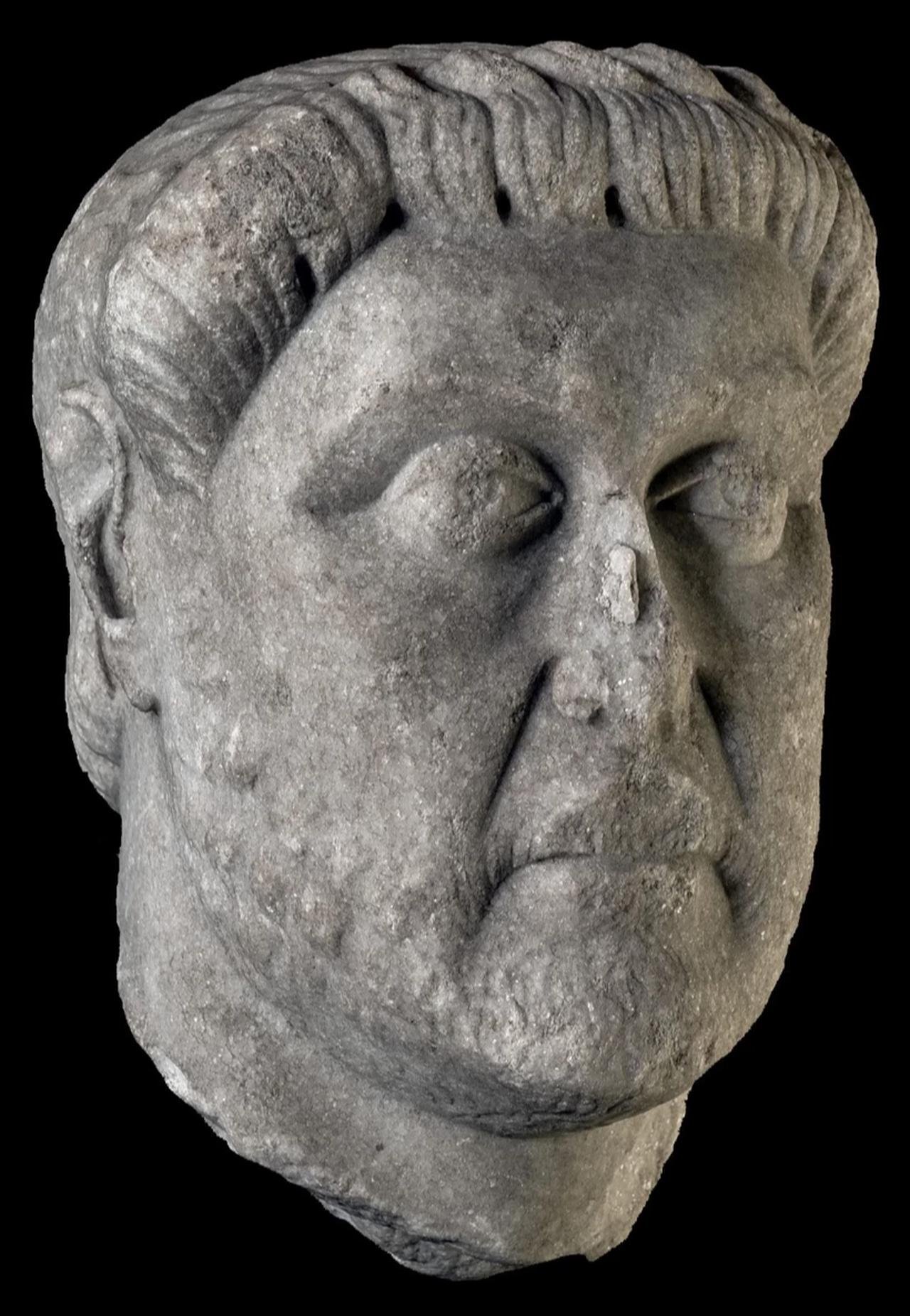
The sculpture, dated to the fifth century A.D., is described as a male portrait from the period of Theodosius Period. Measuring about 25 centimeters, the marble head stands out for its detailed craftsmanship and expressive facial features.
Experts have identified it as a product of a regional workshop operating in the Ephesus–Smyrna area, pointing to local artistic production in western Anatolia during the Late Roman period.
Now exhibited in Izmir, the artifact has effectively been returned to its historical and geographical context after decades abroad.


 Set as preferred source
 Set as preferred source


 3 min read