Newsletters


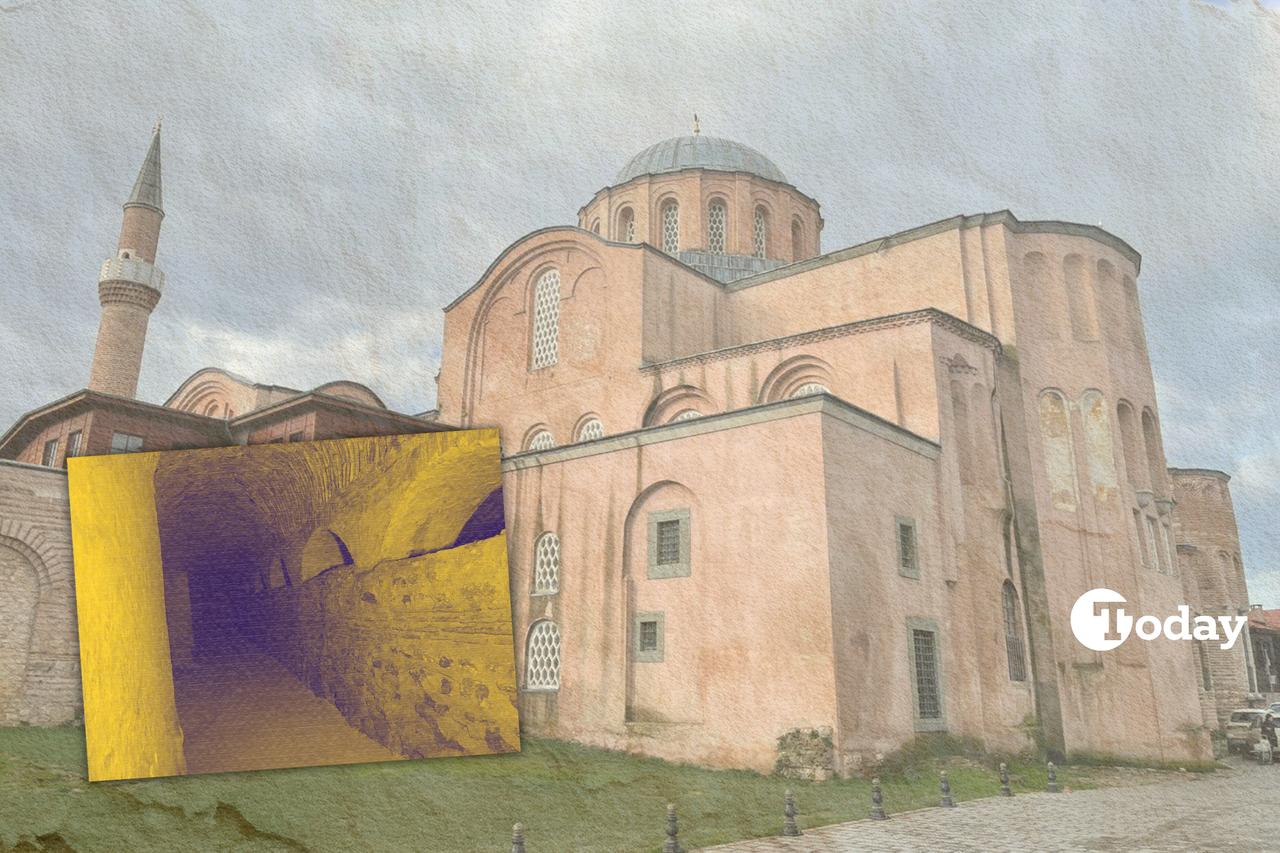


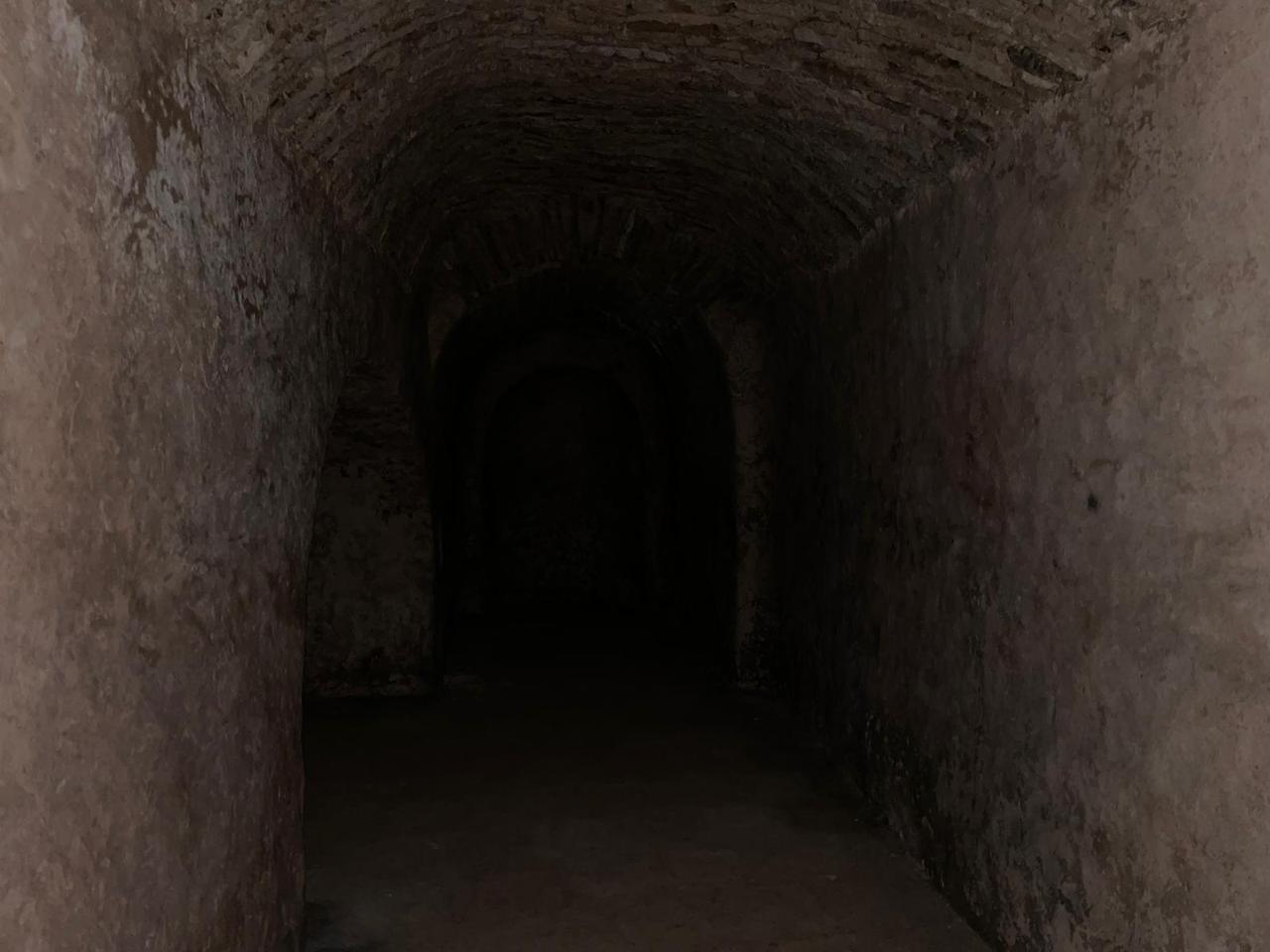
Beneath the stone floors of Istanbul’s historic Molla Zeyrek Mosque lies a hidden network of chambers, corridors and water structures that sheds new light on the city’s layered past. In a rare access granted exclusively to Türkiye Today, we descended into a concealed basement vault beneath the mosque, uncovering traces of an underground system shaped by centuries of Byzantine and Ottoman history.
Located in the Fatih district overlooking the Golden Horn, Molla Zeyrek Mosque stands as one of the most significant surviving religious monuments from the Byzantine era. Originally constructed as the Pantokrator Monastery complex, the structure later evolved into a mosque following the Ottoman conquest of Constantinople in 1453.

The complex was commissioned in the 12th century by Empress Irene, the wife of Emperor John II Komnenos, who dedicated the foundation to Christ Pantocrator, meaning “Christ the Almighty.” According to historical accounts cited during the visit, the monastery was inspired by a vision in which the site appeared as a sacred meeting point between the divine and humanity.
Designed as a multifunctional religious institution, the complex combined worship spaces with social services. It operated not only as a church but also as a hospital, medical school and public kitchen — institutions that supported both spiritual and practical needs of the Byzantine capital.
After the Ottoman conquest, the monastic cells were converted into a madrasa, or Islamic educational institution, making it one of the first centers of higher learning established by the Ottomans in Istanbul. The scholar Molla Mehmet Efendi, known by the nickname “Zeyrek,” meaning lively or quick-minded, became one of its leading teachers, eventually giving both the mosque and surrounding neighborhood their present name.
Today, the structure remains the second-largest surviving Byzantine religious building in Istanbul after Hagia Sophia, preserving architectural features from both empires within a single monument.
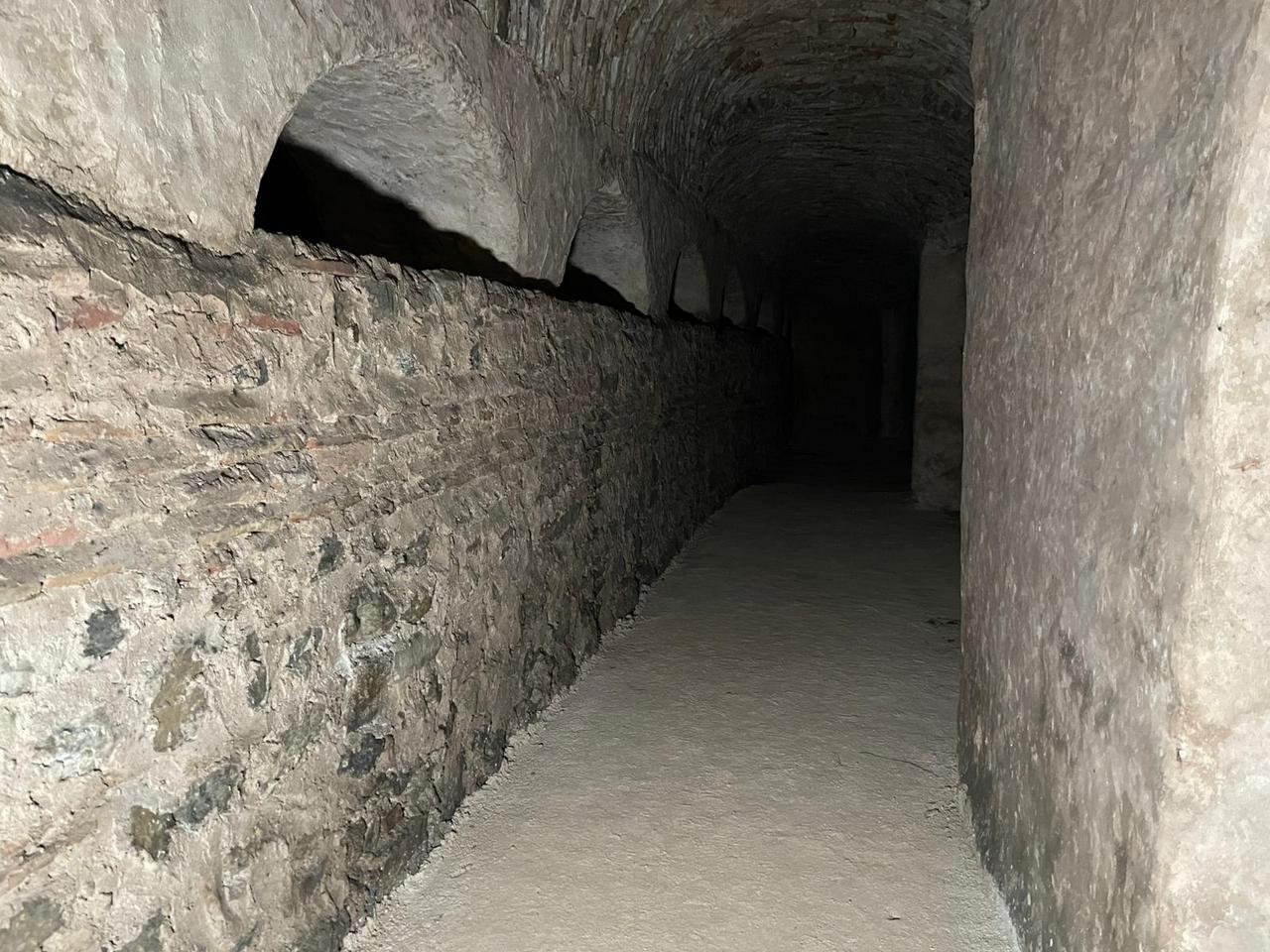
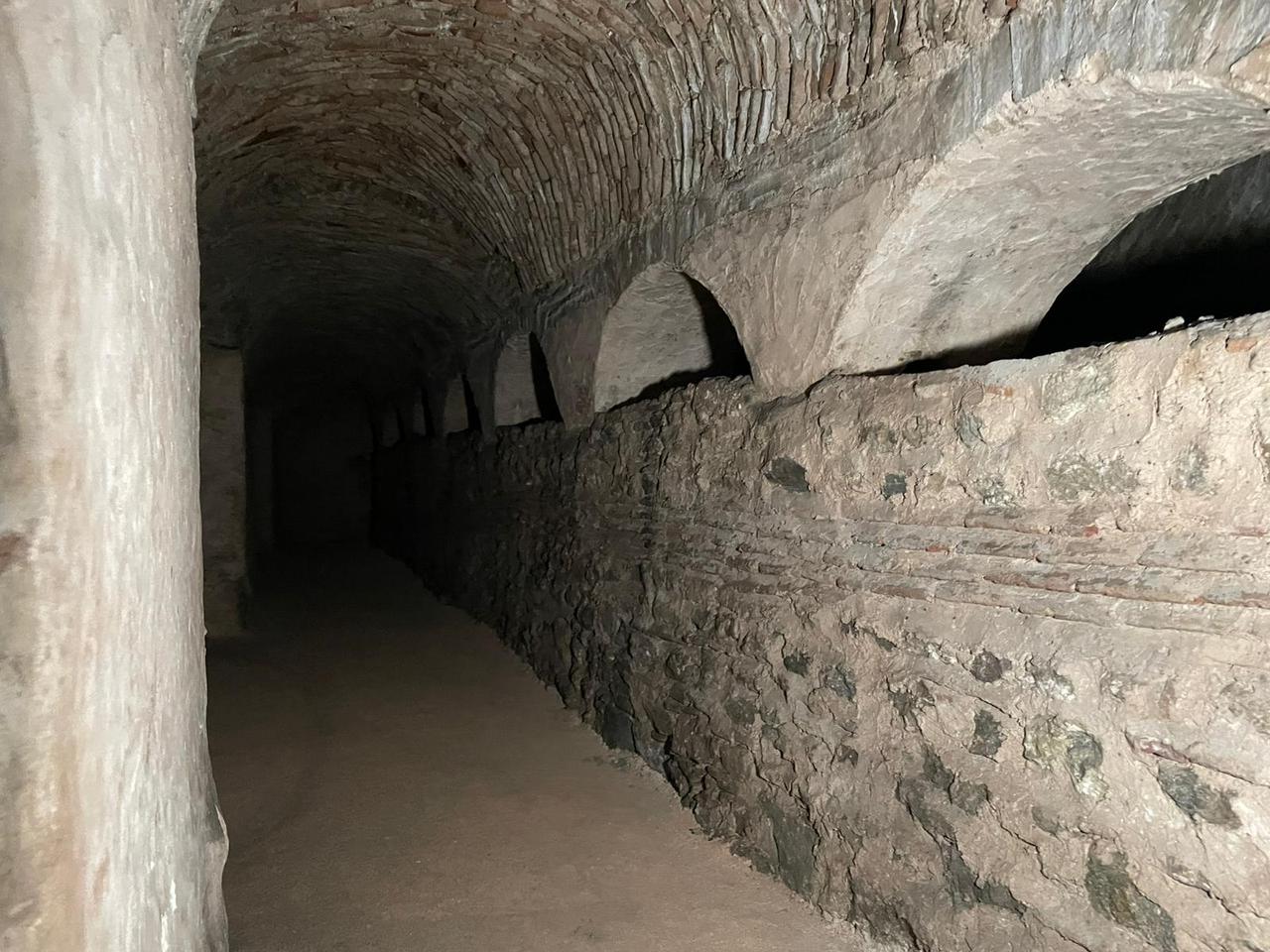
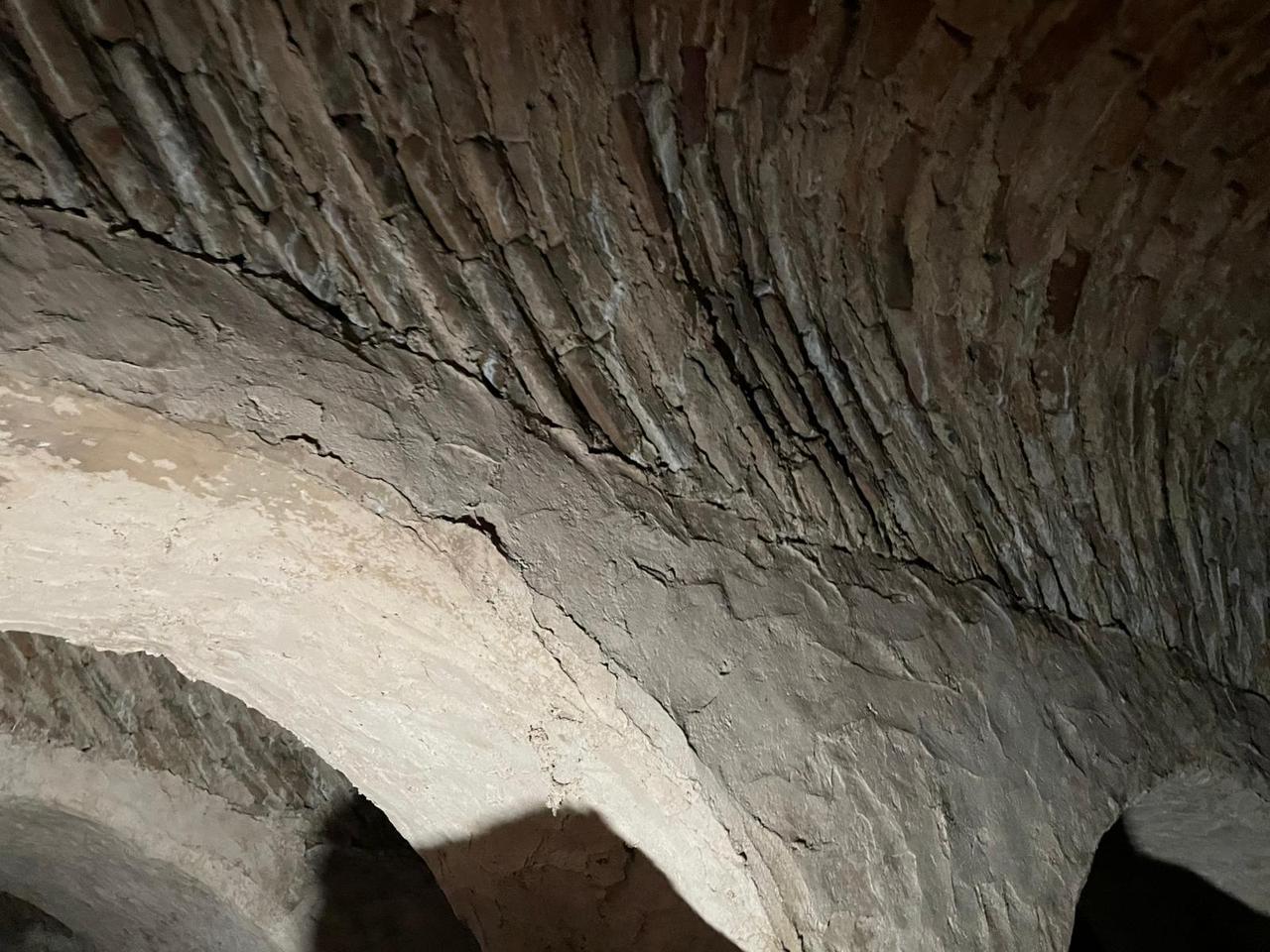
What makes the site particularly remarkable, however, lies beneath its foundations. The underground chamber captured by the Türkiye Today team reveals labyrinth-like corridors believed to have been part of a broader system of cisterns and passageways.
Historical explanations shared during the visit suggest that such underground spaces were common in Byzantine institutional complexes. Because Constantinople faced recurring water shortages, large cisterns were built beneath major structures to store water.
Over time, these subterranean areas also served multiple purposes, including communication routes, storage facilities and, in certain periods, detention spaces.
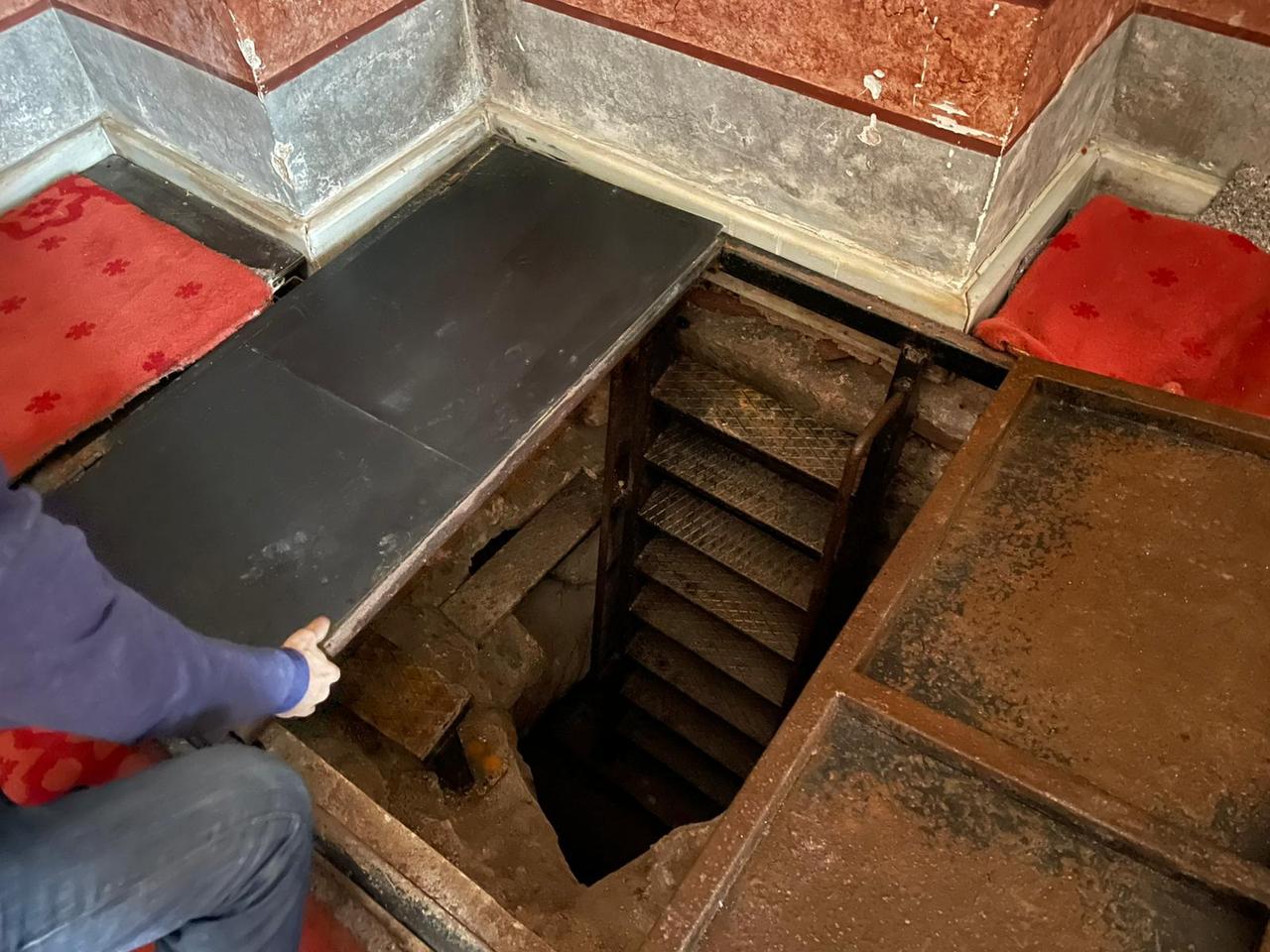
Observers noted that the narrow passages branch off in several directions, raising the possibility that they once connected different parts of the city. While not fully mapped, these routes are widely believed to have formed part of a wider underground network used for logistical and administrative functions.
The maze-like layout reinforces accounts describing Istanbul as a city where movement and survival often depended on hidden infrastructure operating out of sight.
The Pantocrator complex also bears marks of historical upheaval. During the Fourth Crusade, when Latin forces occupied Constantinople, the monastery was reportedly looted, and many sacred objects were removed and transported to Western Europe. Traces of damaged mosaics remain visible today behind protective coverings, offering silent evidence of that turbulent period.
Following the Byzantine restoration of the city in the 13th century, Orthodox clergy resumed control of the monastery until the Ottoman era transformed its function once again.
The building later suffered severe damage from a major fire in the 18th century and an earthquake shortly afterward, leading to extensive repairs during the reign of Sultan Mustafa III. Centuries of neglect followed before multiple restoration campaigns gradually stabilized the structure. A large-scale restoration completed after nine years of work allowed the mosque to reopen to visitors in 2019.
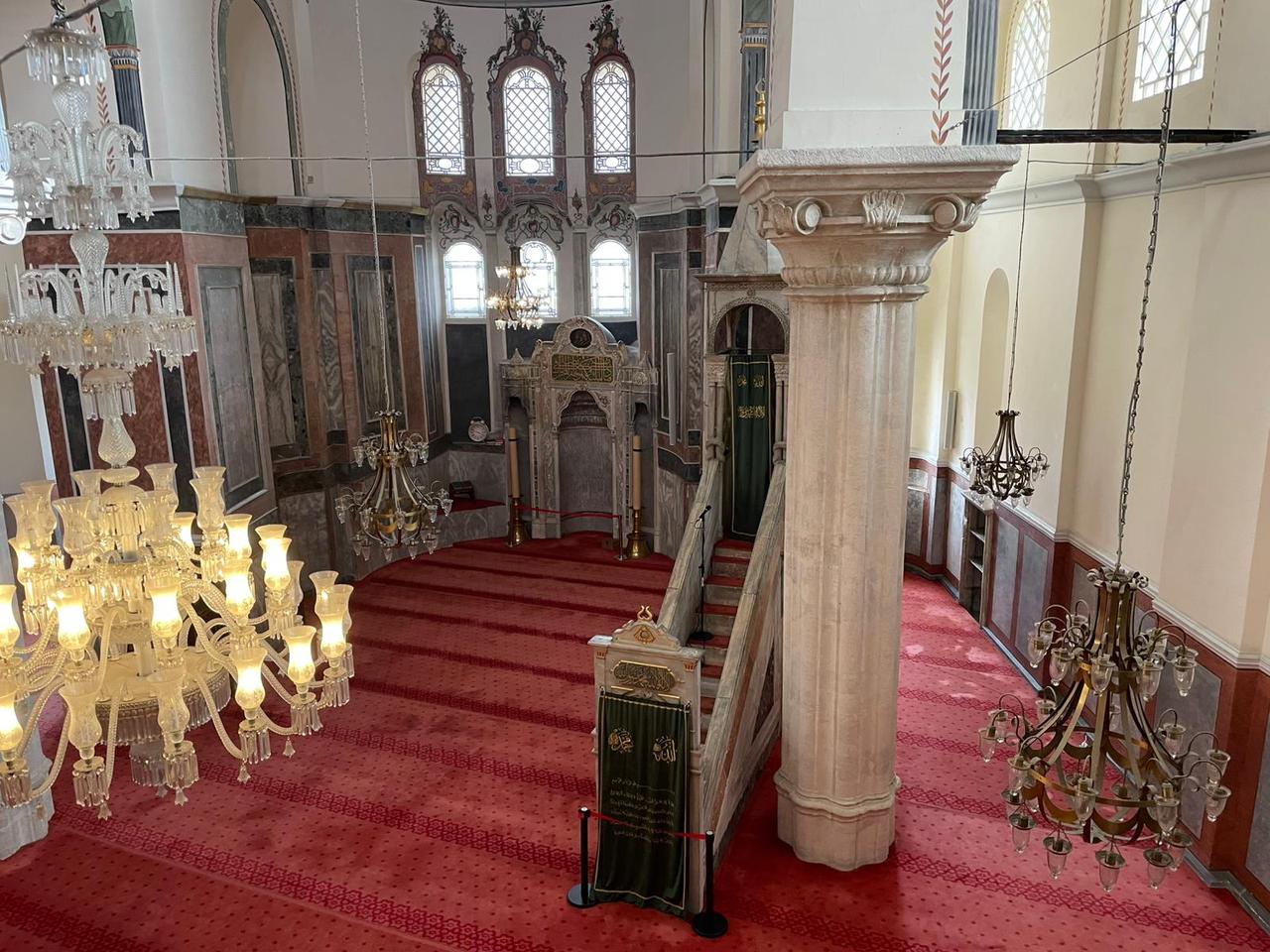
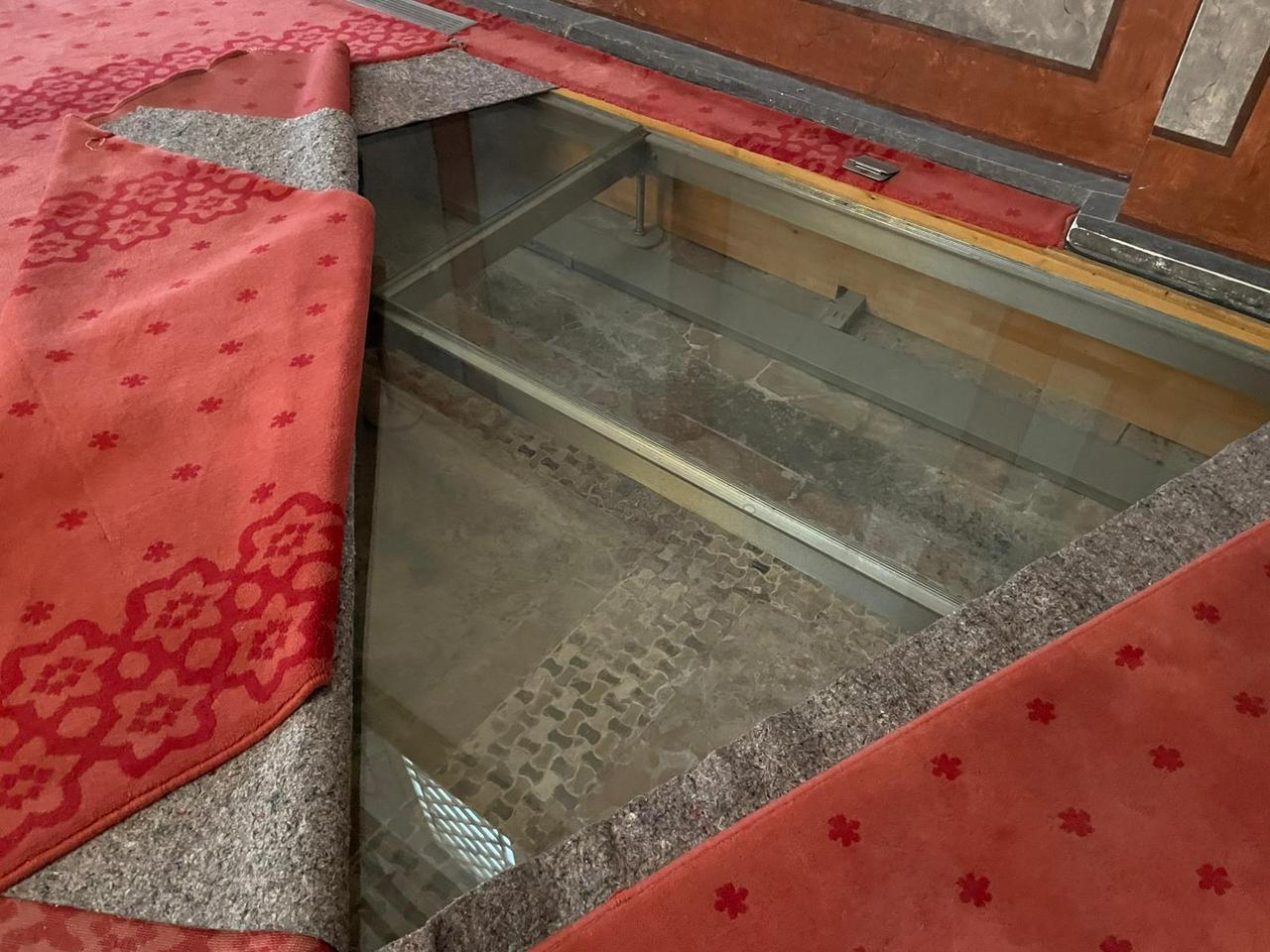
Currently, only the southern section functions as an active mosque, while the rest of the complex stands as a historical monument reflecting Istanbul’s evolving identity. It should also be noted that beneath the carpets used in the mosque lies a massive Byzantine mosaic.
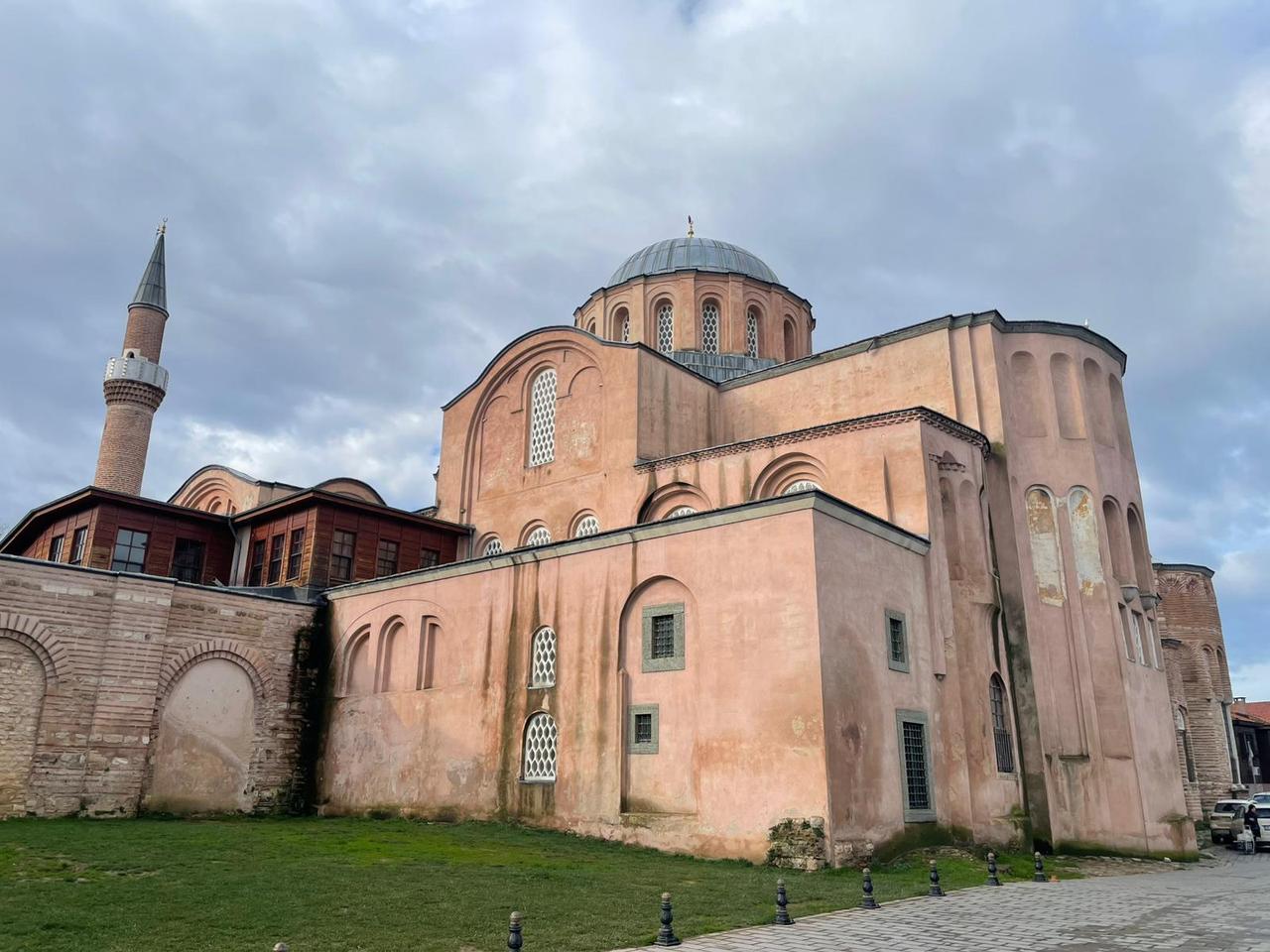
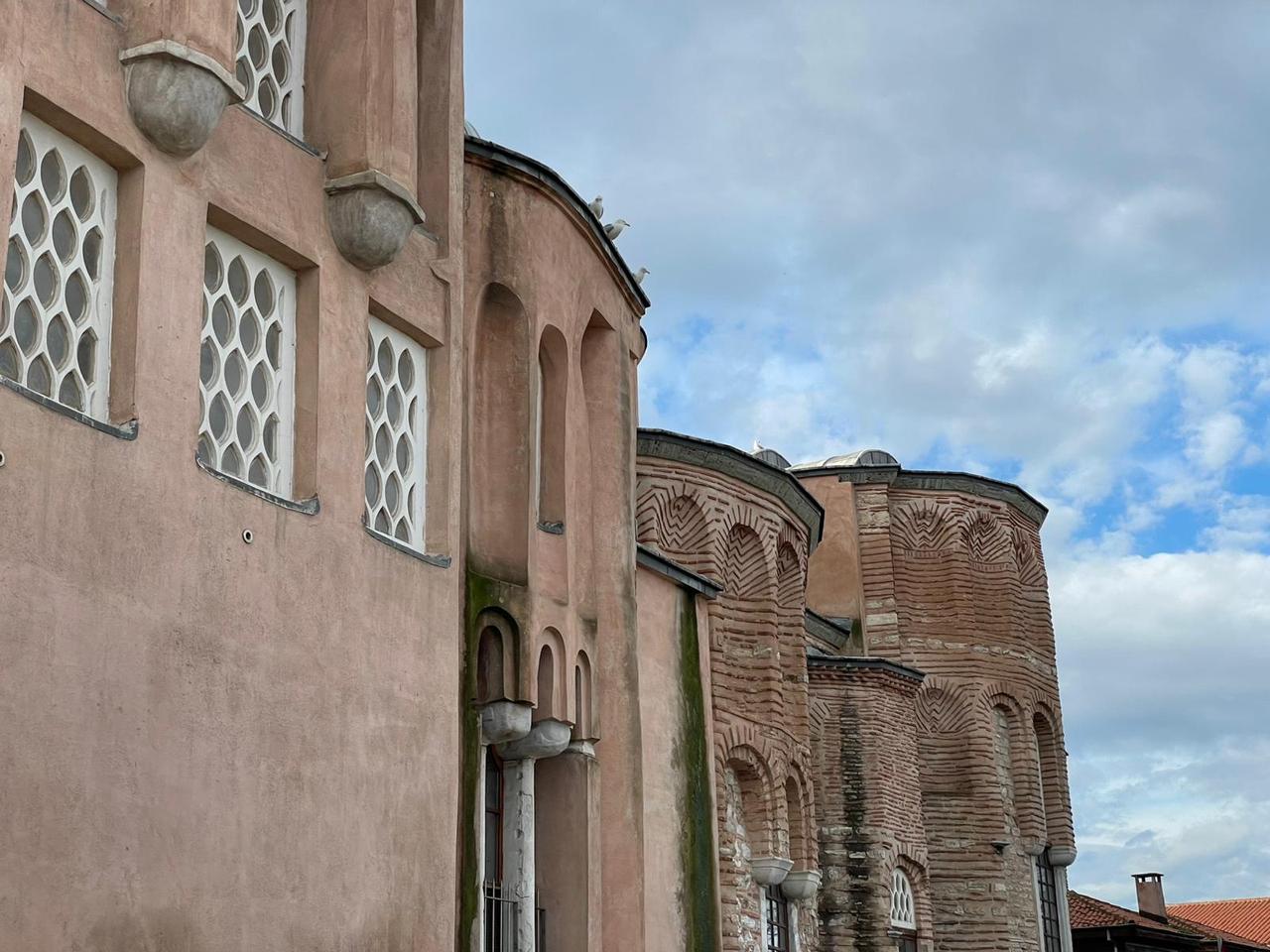
Architecturally, the complex represents one of the finest surviving examples of Middle Byzantine design in Istanbul. Built using the recessed brick technique characteristic of the period, the structure combines cross-shaped churches, domed spaces and polygonal apses decorated with layered masonry patterns.
Although much of its original decoration has disappeared, fragments of marble flooring, colored glass and surviving structural details continue to reveal the building’s former richness.
Yet the underground vault visited by Türkiye Today adds another dimension to the monument’s significance. The hidden cistern serves as a reminder that Istanbul’s true historical scale extends beyond what visitors see at street level.


 Set as preferred source
 Set as preferred source



 3 min read