Newsletters


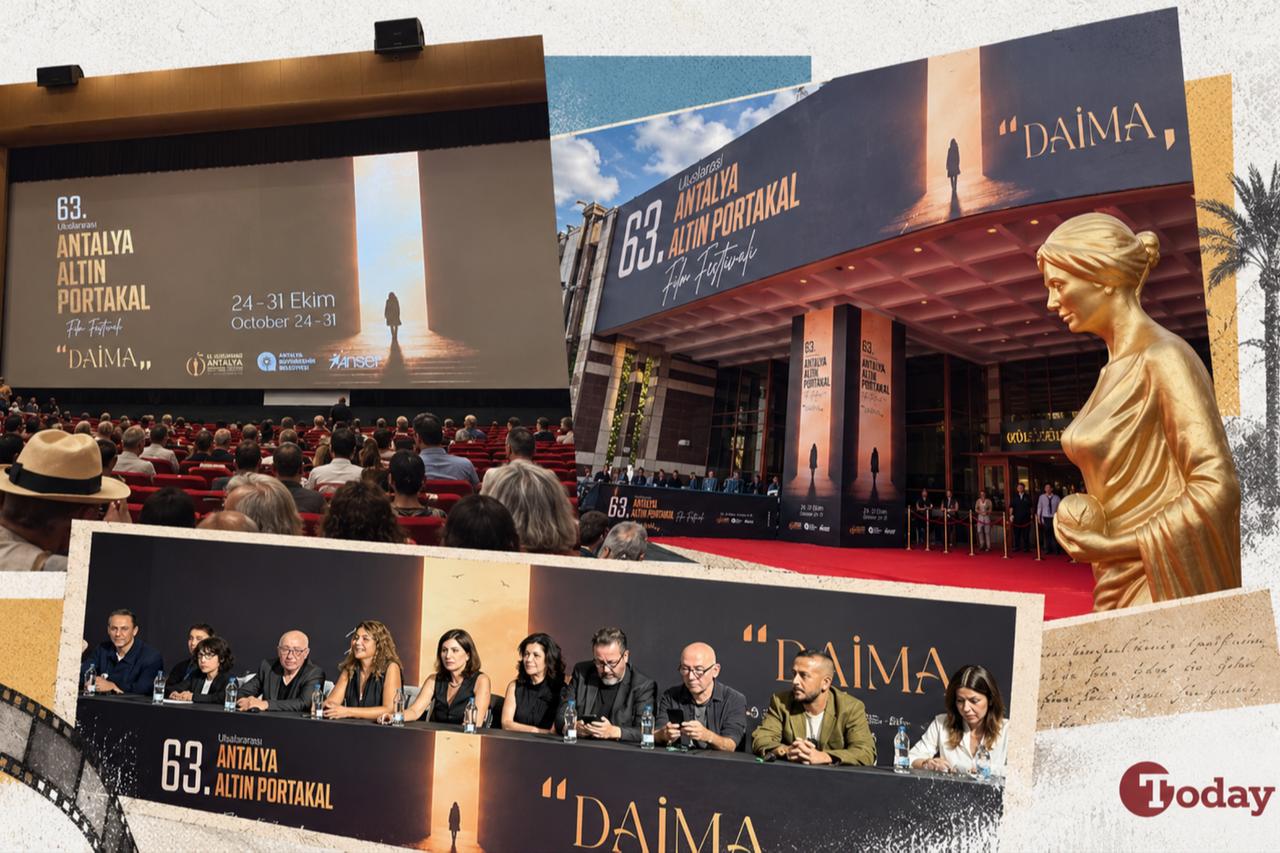


Director Yesim Ustaoglu and lead actors Oyku Karayel and Metin Akdulger opened up exclusively to Türkiye Today about what their new film “What Remains,” titled “Artakalan” in Turkish, leaves behind for its audience. Their answers came during a post-screening talk at the 63rd Antalya Golden Orange Film Festival, known in Turkish as Altin Portakal. Ustaoglu said what remains is the way we cope with everything we see and with what is left behind. Karayel urged people to take action when a painful state becomes unbearable, and Akdulger admitted that his character never truly hears the wife whose transformation drives the story.
The film screened on Monday, Oct. 26, in the festival’s National Feature Film Competition at the Aspendos Hall of the Ataturk Cultural Center (AKM) in Antalya. Following its world premiere at the 74th San Sebastian International Film Festival in Spain, the 2026 production was shown in Türkiye for the first time.
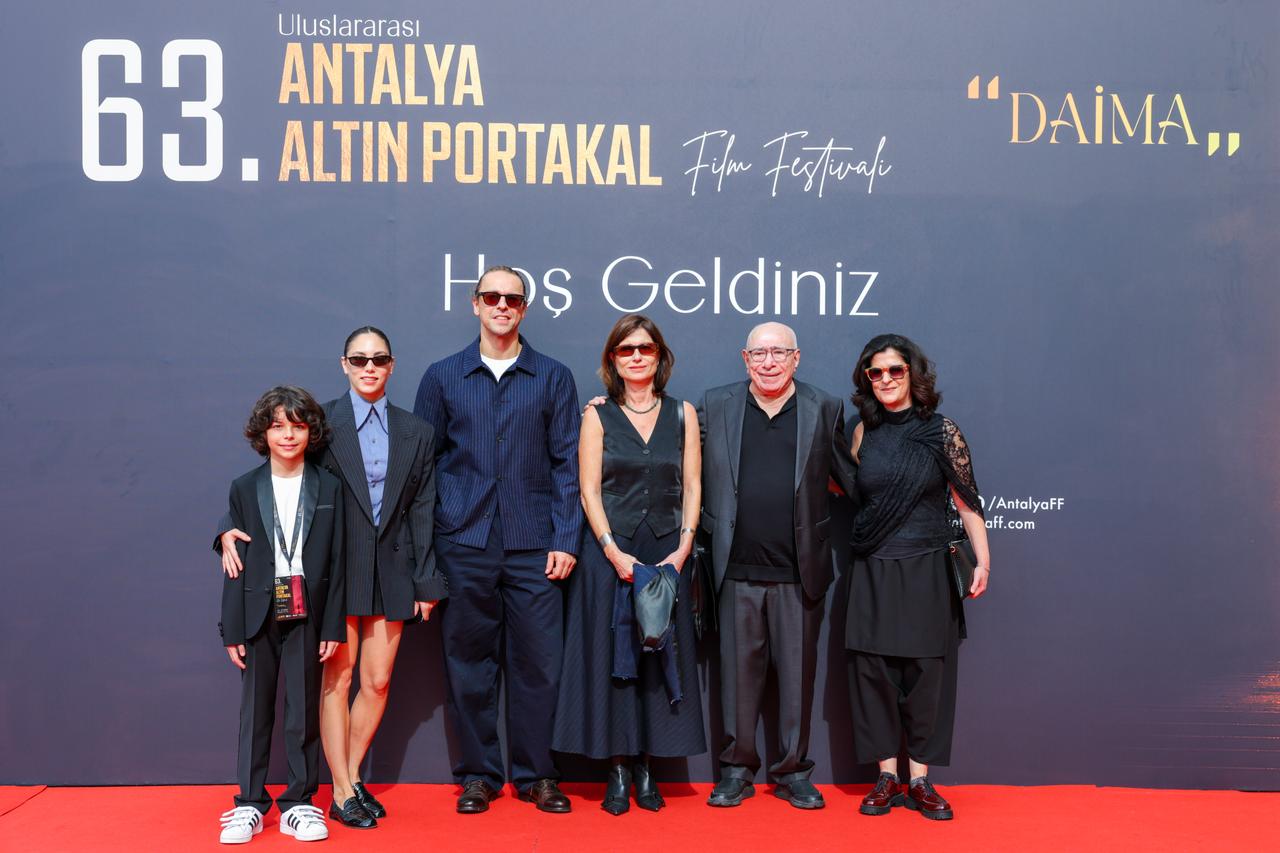

Turning to the meaning behind the film’s strong title, Türkiye Today asked Ustaoglu whether it points to the parts of the past a person cannot close off or at what they manage to carry over into a new life. The director replied that what remains is both what we are seeing right now and whatever has been left behind for us, along with our ability to cope with everything we see and, perhaps, what remains in the past.
Elsewhere in the talk, Ustaoglu described the film as an attempt to navigate the impasses people face, not by constantly complaining, but by finding a path forward. She explained that the confrontations and lessons her characters go through are tied to their roots, and that every moment along the way deserves attention.
“How do we see, how do we touch, how do we hear? I actually wanted the audience to live through this experience,” she said.
The director also noted that she made up almost nothing in her head, building the story instead around people she came across on similar journeys. When an audience member asked whether one’s family history could offer a way out of a crisis, she answered that it could be “maybe one of the remedies.”
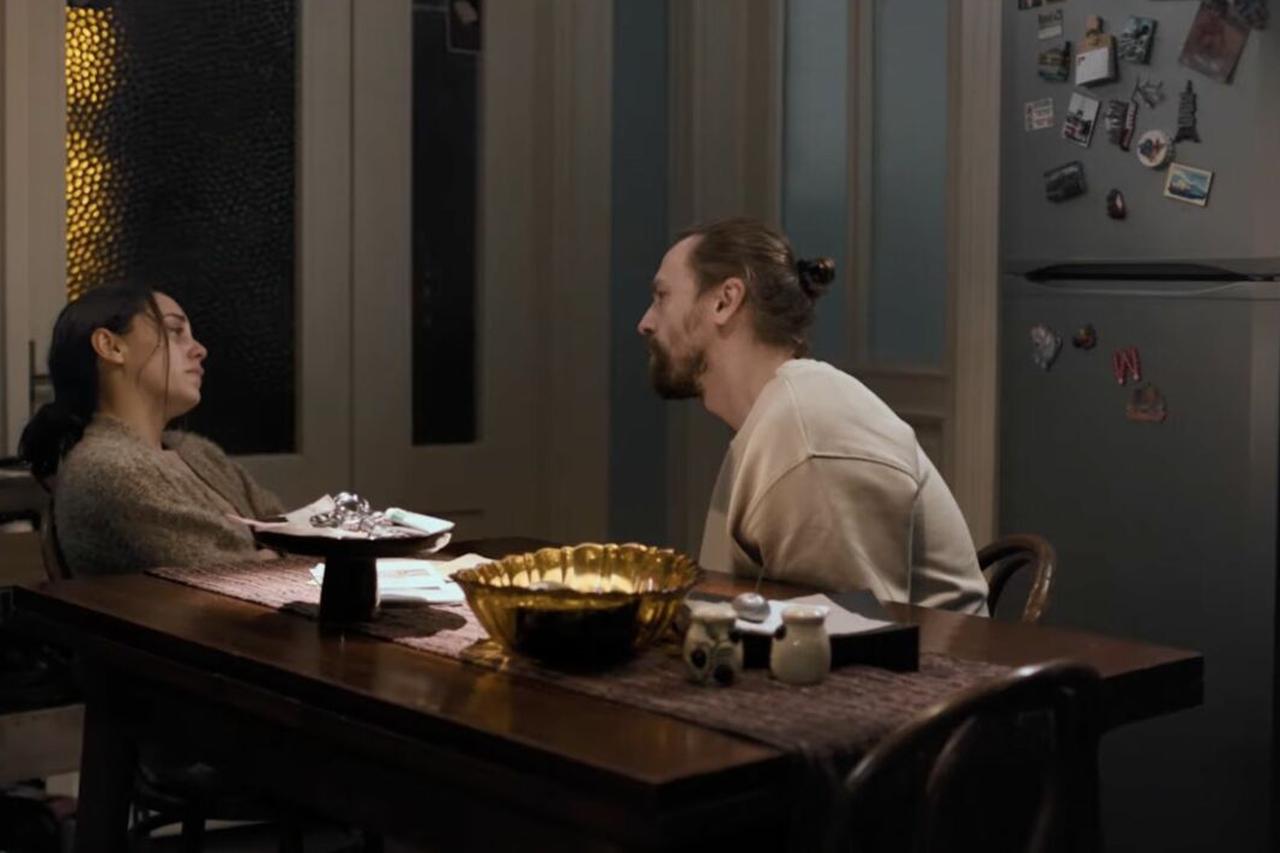
The story follows Elif, a poet played by Karayel, and her husband Mehmet, a musician played by Akdulger, as the two drift apart while living under the same roof. Mehmet works on soundscapes, a term for compositions built from recorded environmental and everyday sounds. After his teaching job comes to an end, he begins thinking about starting a new life in Berlin.
Meanwhile, Elif slides into a depression that shows up in her body and daily habits, as she goes days without showering and struggles to find the strength to brush her teeth. Her journey eventually takes her to her grandmother’s village of Avcilar, located in the Yusufeli district of the northeastern province of Artvin.
Speaking at the talk, Ustaoglu said the village sits at an altitude of about 2,000 meters (around 6,500 feet), roughly two hours from the town of Yusufeli. On the road, Elif meets a woman transporting seasonal agricultural workers and Syrian migrant women working to make ends meet.
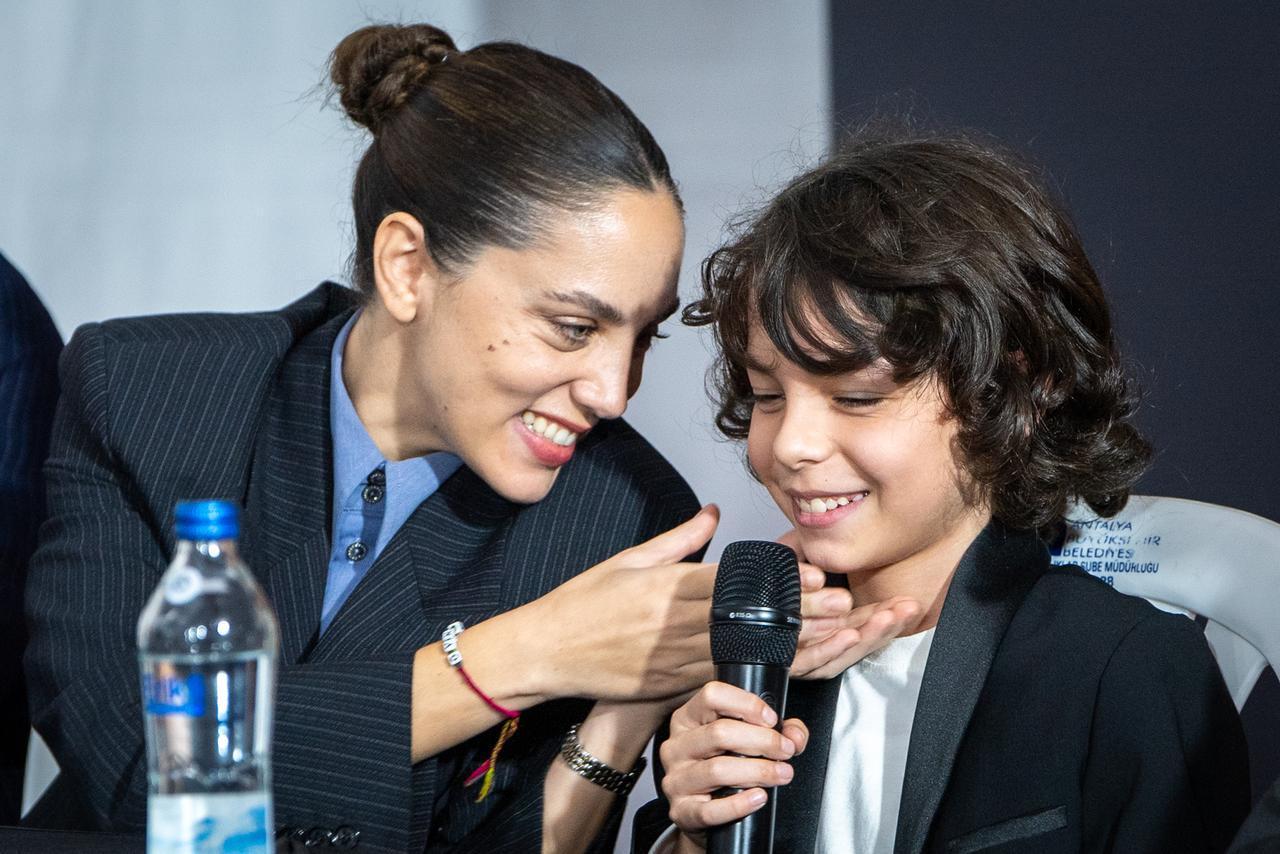
Once she arrives, she opens up the closed family house, cleans it, chops wood and gradually sets up a new routine. Mehmet, now looking after their son Selim, played by Ali Kayra Kul, travels to Trabzon after learning that his father is seriously ill, and there he confronts a childhood wound tied to his older brother’s death.
Elif’s poems in the film are written by Turkish poet Birhan Keskin. Karayel said that Keskin’s poem “Tas” (The Stone), which Elif reads aloud, “truly described the character to me in all its depth.” She added that the role turned into a very personal film for her because she found many things in common with Elif, so the journey her character sets out on became her own journey as well.
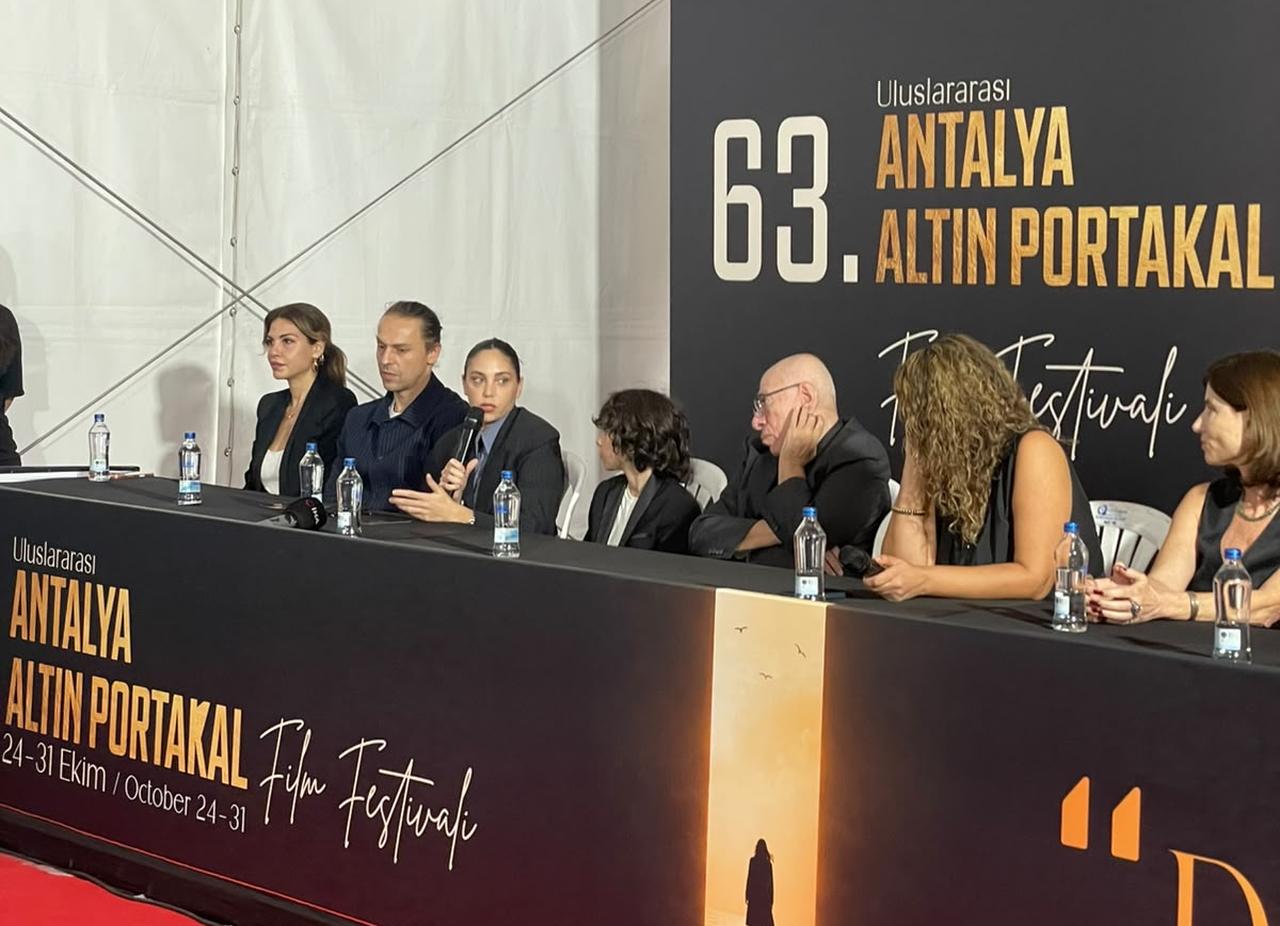
Türkiye Today asked Karayel what single question today’s women could draw from Elif’s story. The actor said she would not answer as a woman, explaining instead that, in general, once a person feels they can no longer go on living in that emotional state, they need to take action, even if it is painful. She described this as a risky move and a very hard decision to make, but she stood by its outcome from her own experience.
“But nothing gets any worse than it already is once you take action. I can say that for myself,” she said.
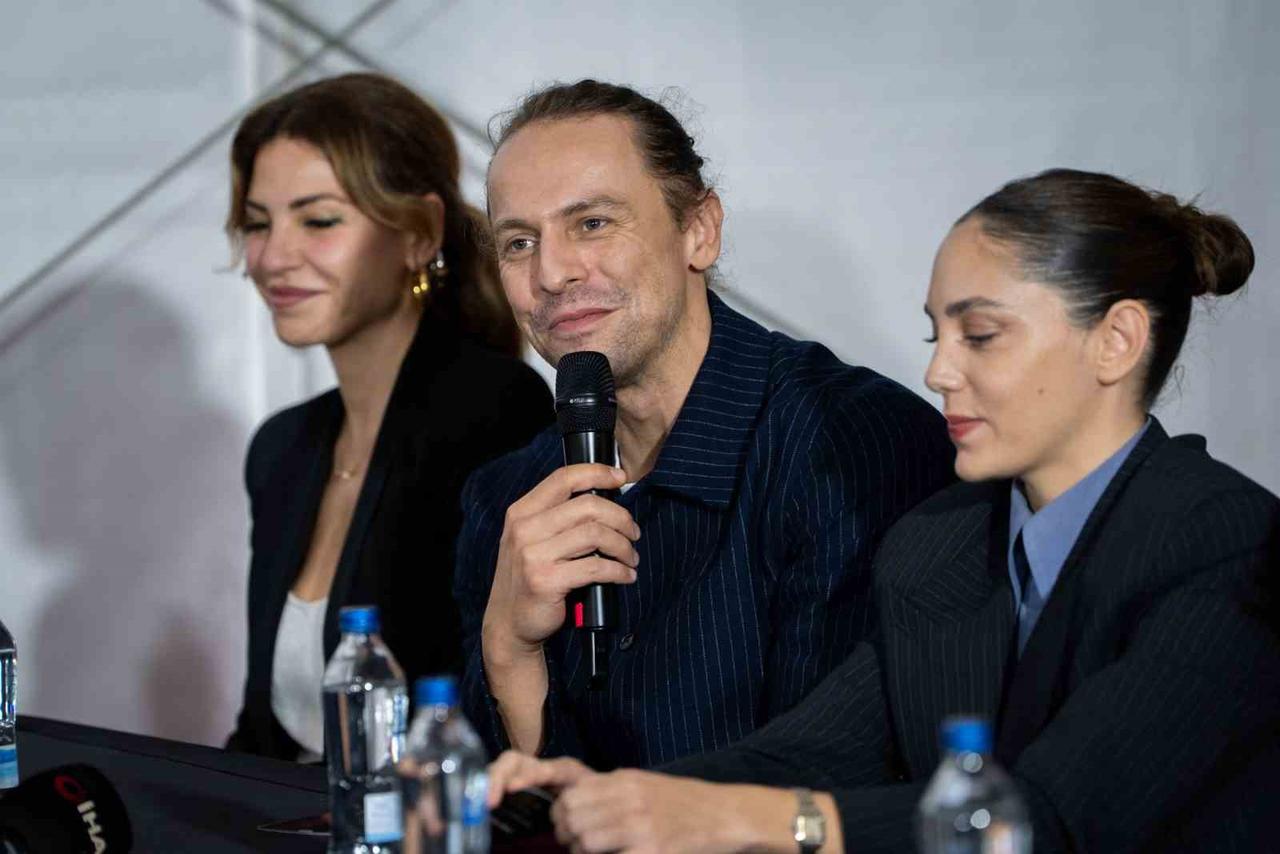
Türkiye Today asked Akdulger whether Mehmet, who is not portrayed as the villain of the story even though Elif’s questioning of her life upends his settled routine, can truly understand her transformation and psychological state. Akdulger said he believes Mehmet is not very aware of it, noting that he and the film’s composer Sevket Akinci largely built up the music side of the character together.
“Even though he is someone who works on listening and on soundscapes, we don’t really see him listening much while he is with the person he shares his life with,” Akdulger said. “He always stands there with his own answers ready in some way. That is his behavior and, I think, his irony.”
He added that once Mehmet finishes coming to terms with his own life, he begins to understand Elif’s poems better, and it becomes easier for him to see the transformation taking place between them.
Responding to a separate audience question about the toughest parts of their roles, Akdulger said physical tasks such as cleaning or chopping wood were not the hard part. Instead, he said the difficulty lay in inner exploration, describing it as “digging into ourselves.”
Ustaoglu, whose earlier films include “Journey to the Sun,” “Waiting for the Clouds,” “Pandora’s Box,” “Araf” and “Tereddut,” wrote and directed the film, which she produced with Anna Maria Aslanoglu and Behrooz Hashemian. Among the production partners is the streaming and distribution company MUBI. Kiril Prodanov served as cinematographer, while Mathilde Muyard edited the film.
At its core, the film presents change not as a sudden awakening but as a series of small acts, such as cleaning, walking, chopping wood, listening to a stranger and recording the sound of a room. Ustaoglu summed up that approach during the talk with the following words.
“There is almost always hope in my films, because I tell the story of a process of change,” she said.


 Set as preferred source
 Set as preferred source


 1 min read


 1 min read