

 Newsletters


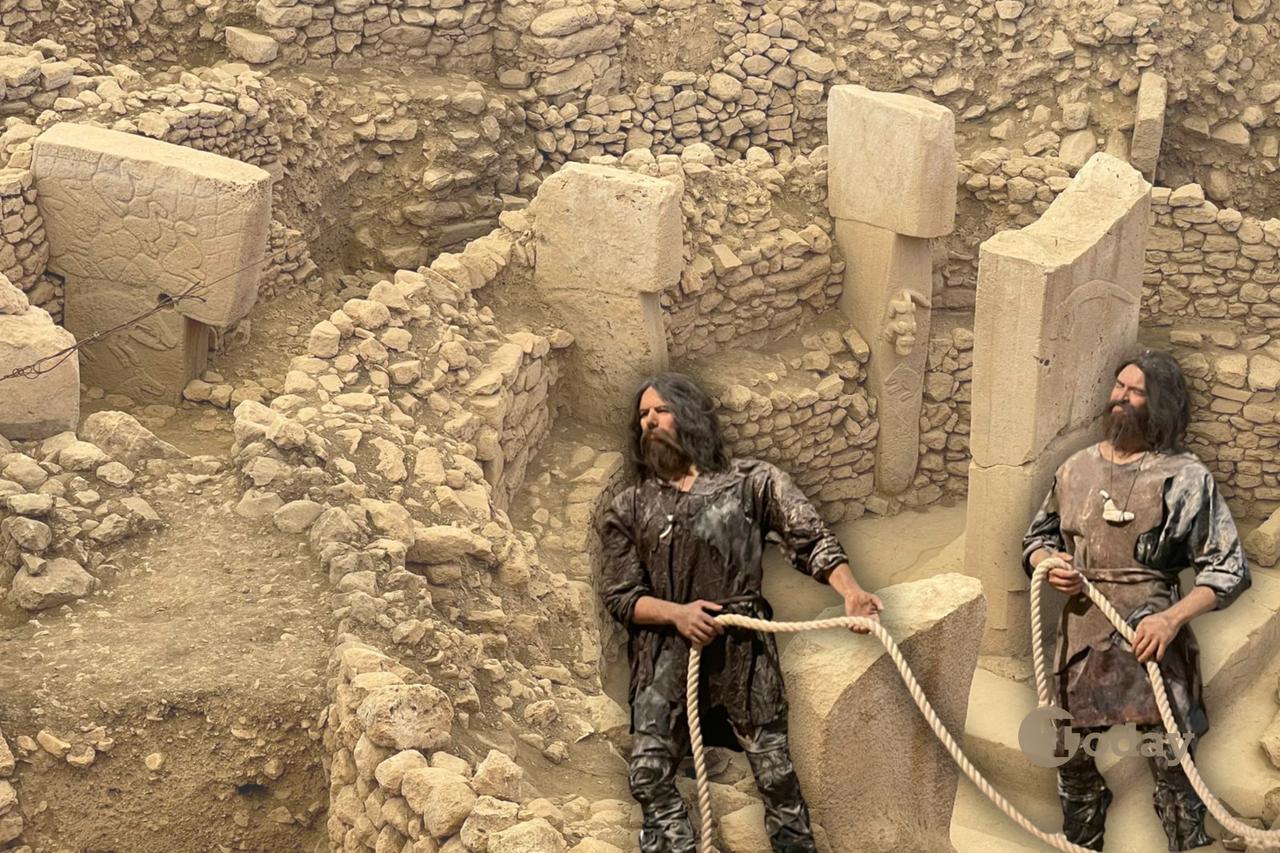


The communities that built the Tas Tepeler sites in southeast Türkiye appear to have been neither fully settled farmers nor simple foraging bands, but groups moving through a major historical transition. Archaeological and genetic evidence presented in current research suggests that the people behind sites such as Gobeklitepe, Karahantepe, Cakmaktepe, Sayburc and Sefertepe were still largely hunter-gatherers, yet were already living within a mixed economy and edging toward more permanent settlement.
That picture has also reshaped older assumptions about the rise of monumental architecture. Rather than emerging only after the full development of farming societies, the evidence from Tas Tepeler points to large-scale building activity taking shape among communities that still relied heavily on hunting, gathering and the early processing of wild plant resources.
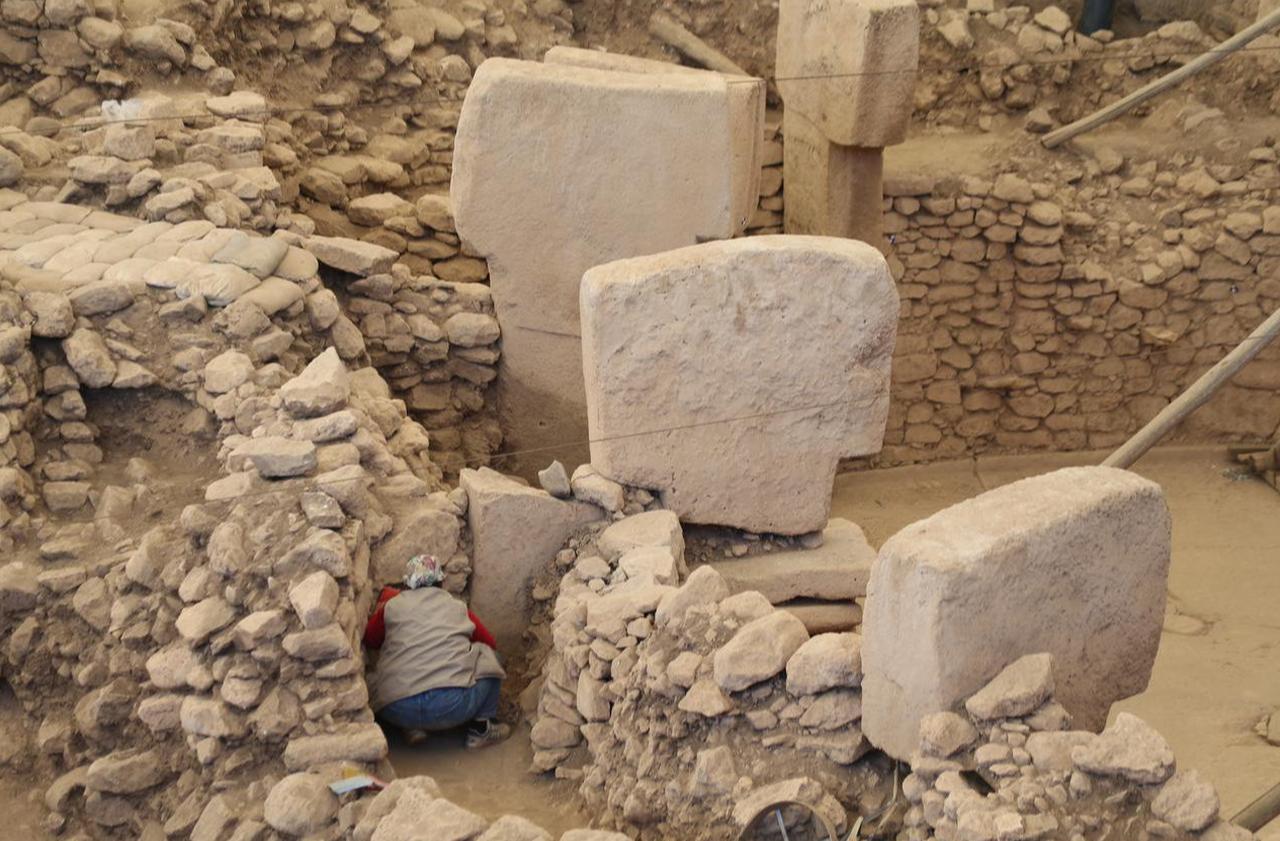

Tas Tepeler refers to a wider archaeological landscape in southeast Türkiye dating to the Pre-Pottery Neolithic, or PPN, a phase between the 10th and 8th millennia B.C. when pottery had not yet appeared but people were beginning to set up more lasting settlements. Within this framework, Gobeklitepe stands out for its circular structures, some around 20 meters in diameter, and for its towering T-shaped stone pillars rising to around 5 to 6 meters. Their surfaces carry reliefs of animals such as vultures, bulls, snakes and leopards, while radiocarbon results indicate that the site began to be used around 9,600 B.C. and was abandoned roughly around 8,000 B.C.
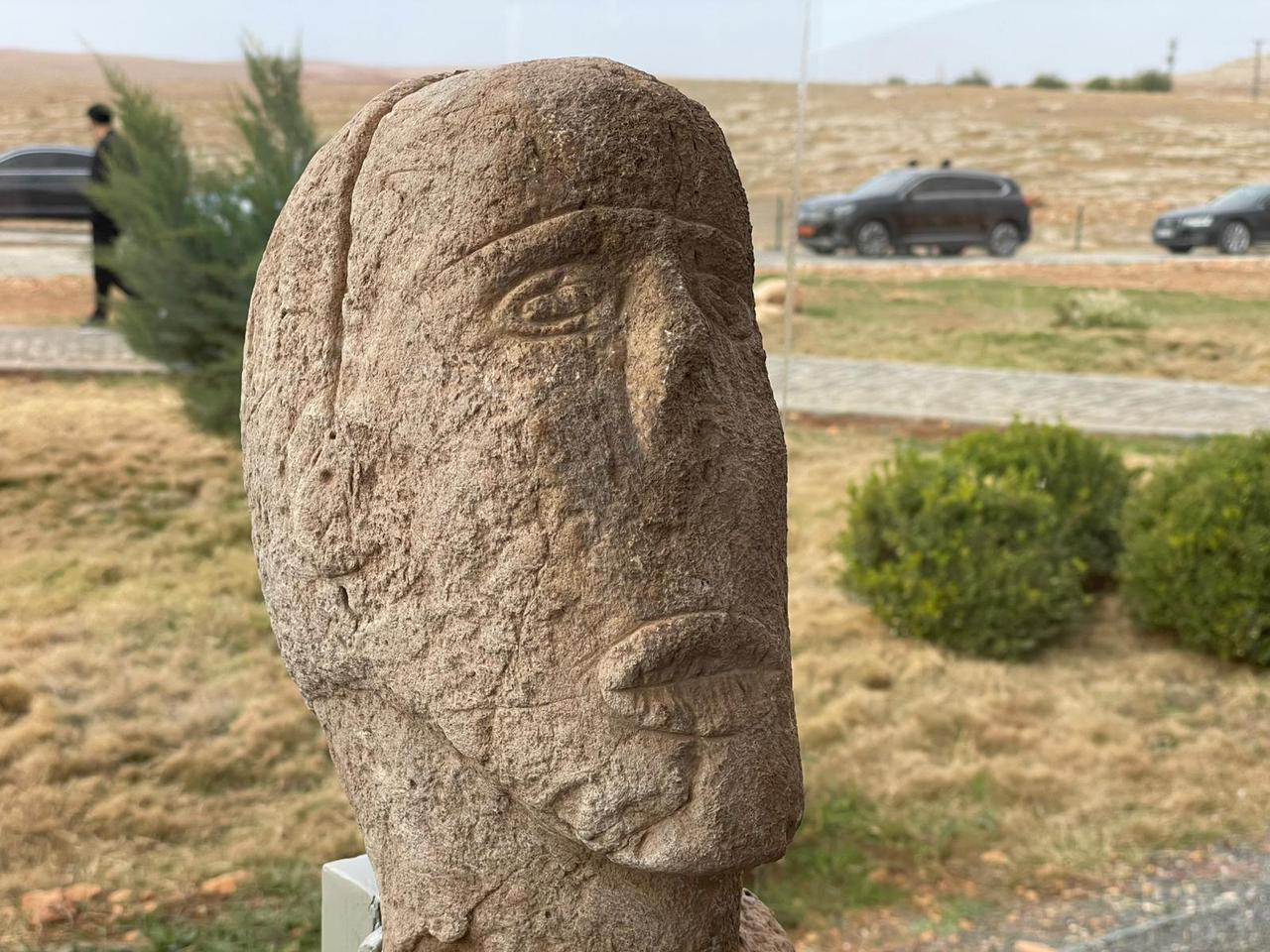
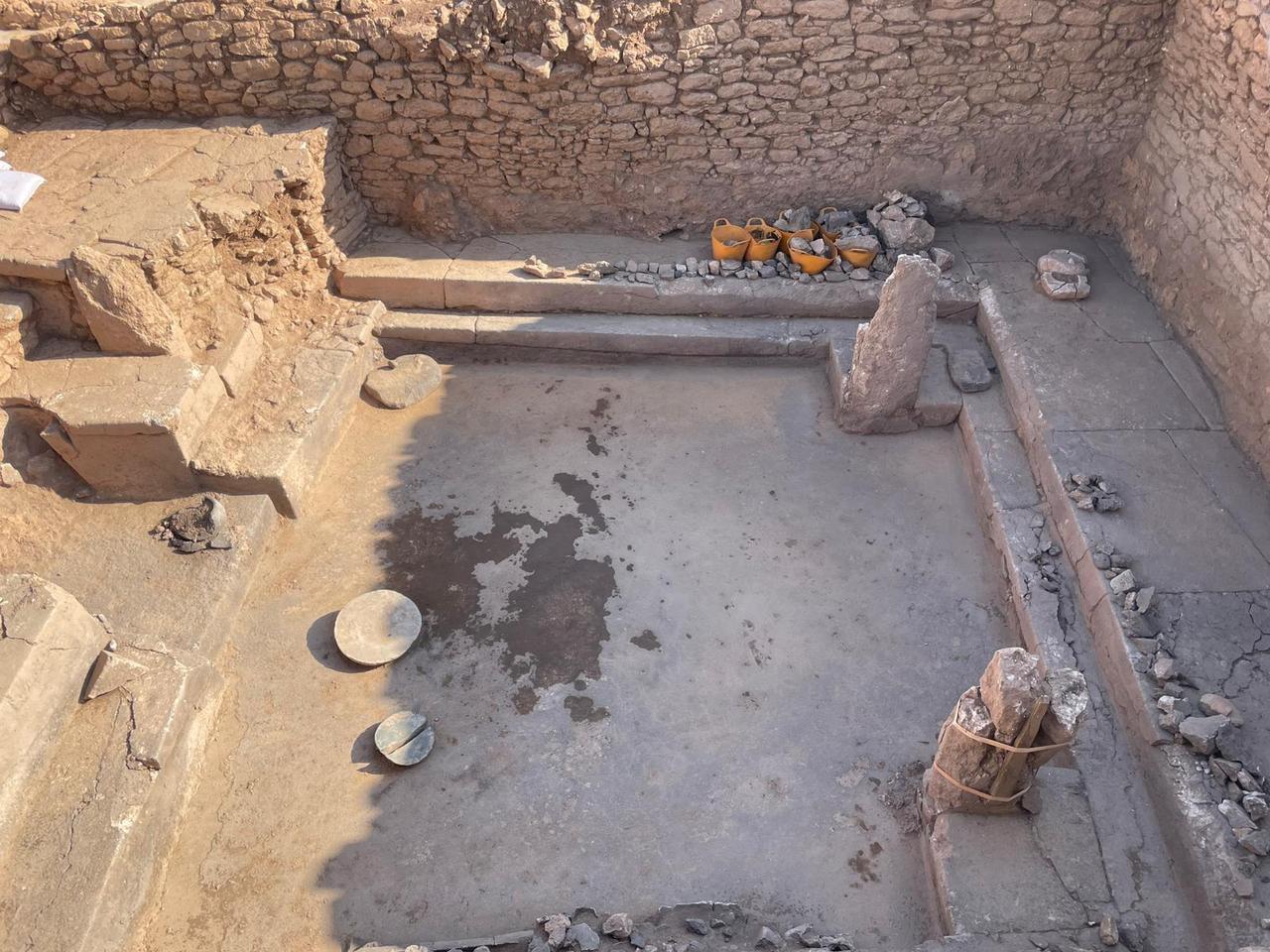
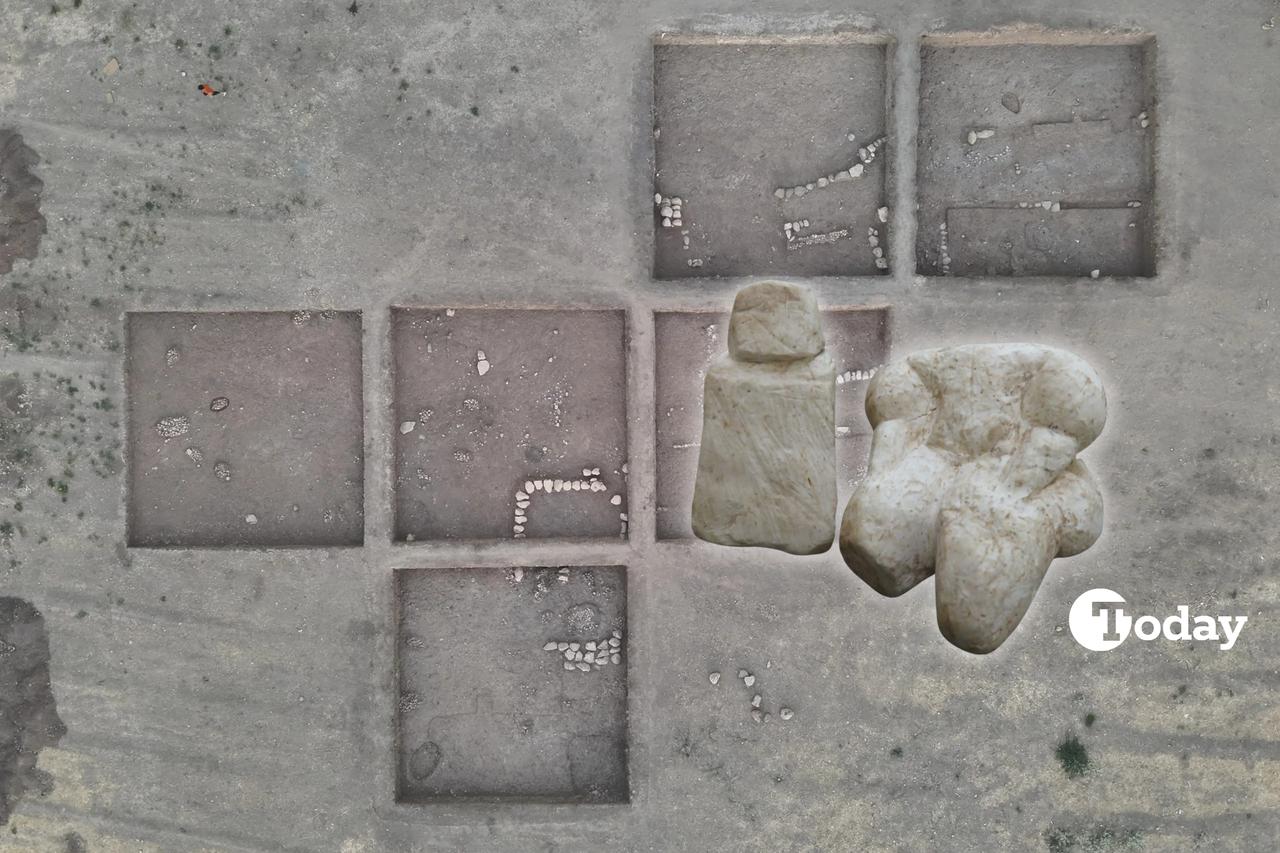
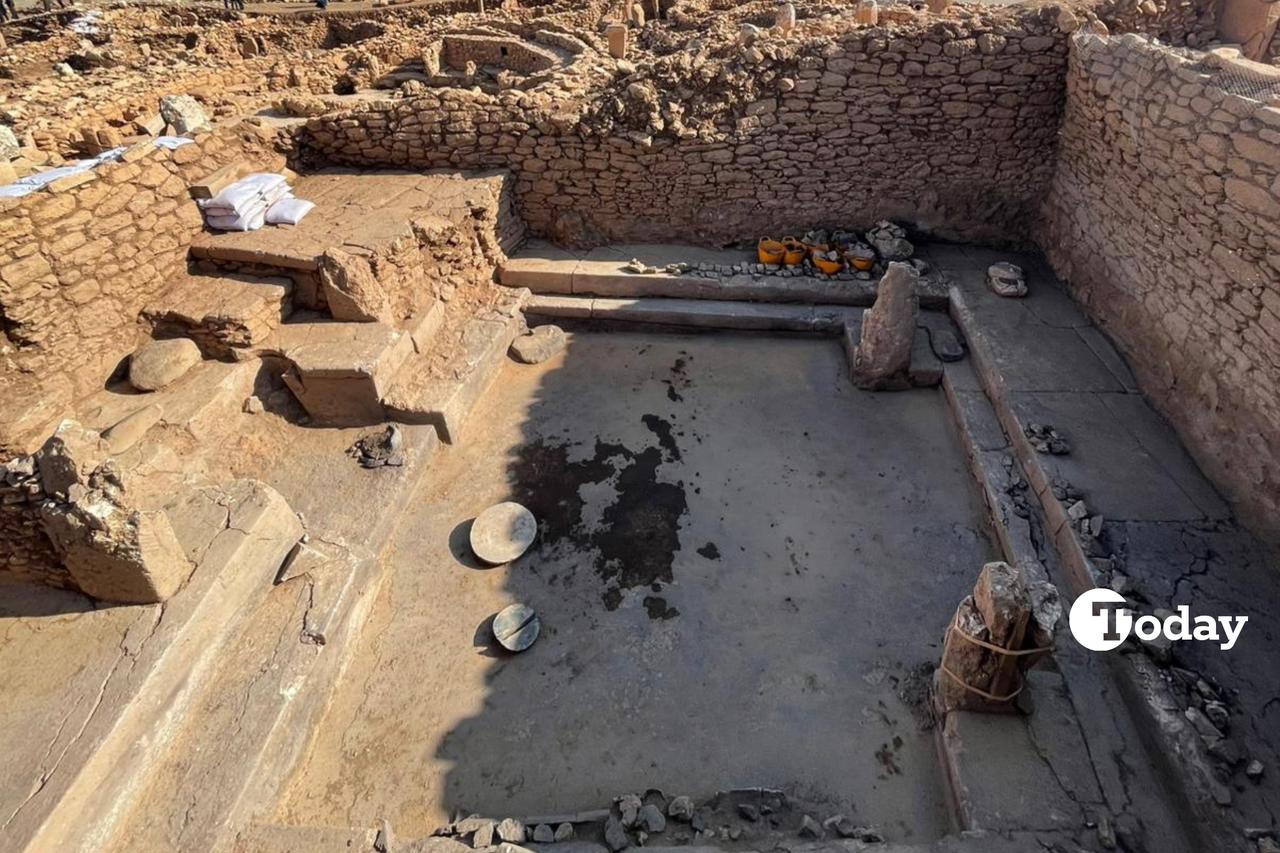
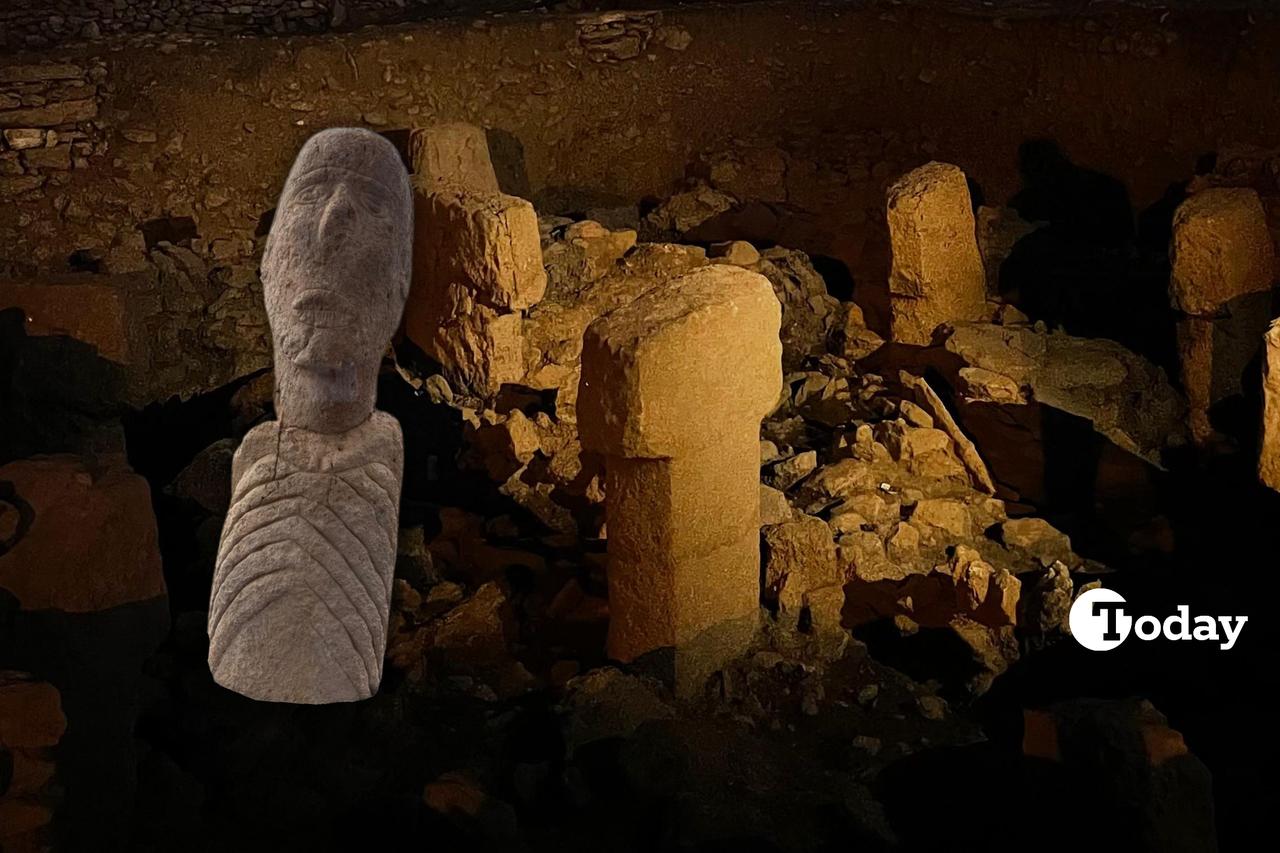
Karahantepe, which belongs to the same cultural tradition, dates to around 9,500 B.C. Excavations there have brought to light similar T-shaped pillars, round-plan buildings and spaces interpreted as ritual areas. The site has also yielded pillars with human faces and symbolic elements including phallic imagery, suggesting a distinct visual language of its own. In recent excavations, archaeologists also identified a large 17-meter structure thought to have had a ritual function, including an area with a 230-centimeter statue of a man holding his phallus, where the bedrock floor was fully reached and the structure’s plan clarified.
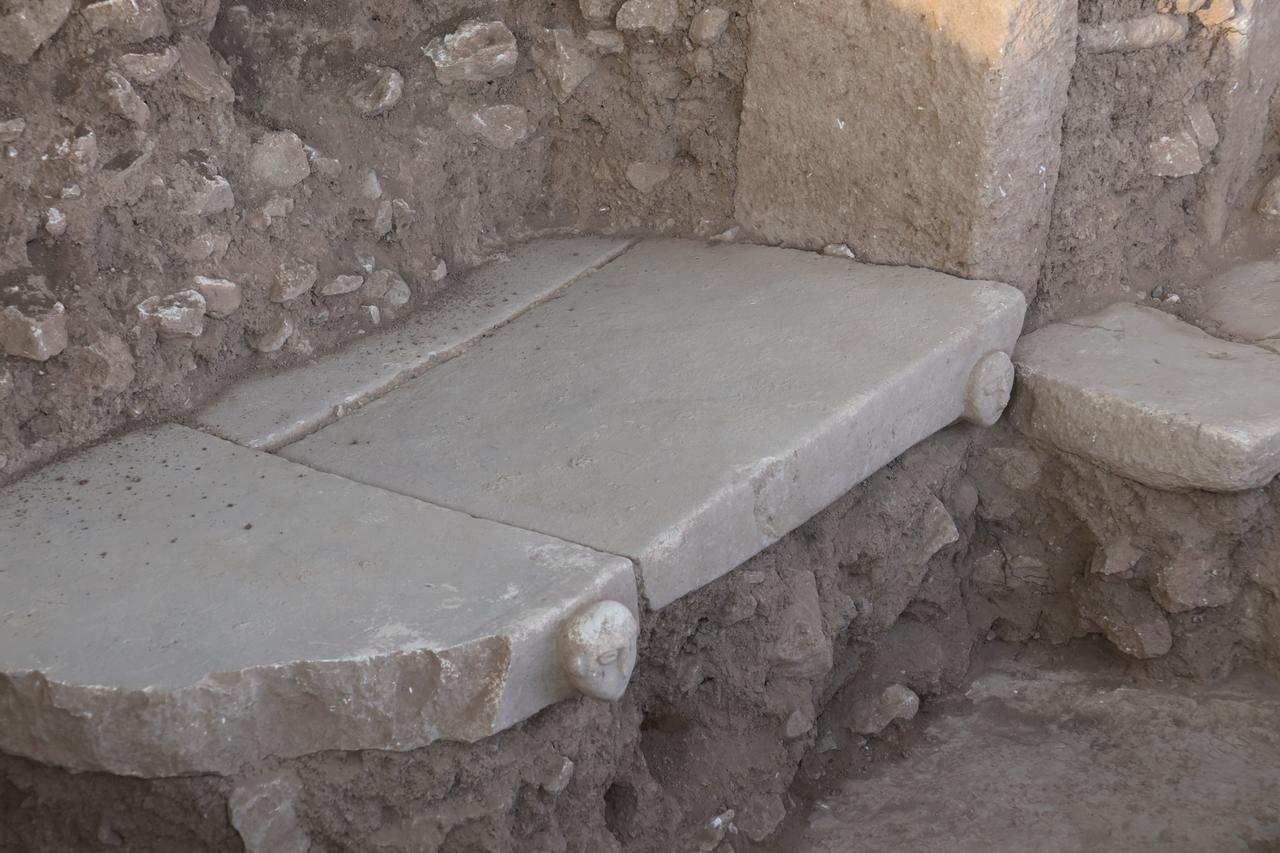
Newer sites including Cakmaktepe, Sayburc and Sefertepe have reinforced the idea that Tas Tepeler was not a single center but a broader cultural network. Stone circles cut into bedrock, carved benches and stone-walled domestic remains indicate that this was a connected Neolithic landscape rather than an isolated sacred place.
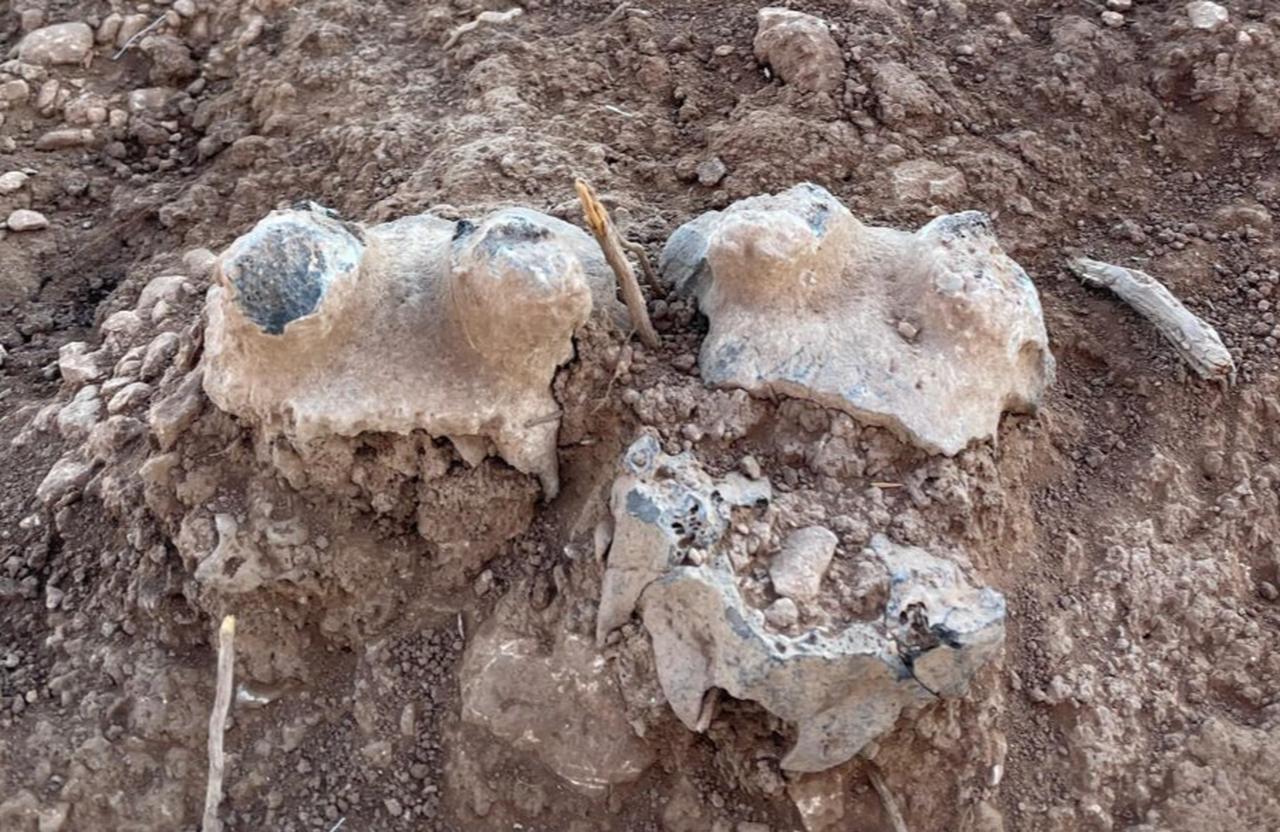
Animal bones and stone tools recovered from the excavations help flesh out how these communities lived. The findings indicate that the people of Tas Tepeler relied heavily on hunting animals such as gazelle, wild cattle, goat and pig. At the same time, thousands of grinding stones, mortars and pestles show that wild cereals were being intensively processed.
Researchers interpret this as evidence that plants such as wheat and barley, though not yet fully domesticated, were regularly gathered, worked and consumed. Wheat grains and stone oven remains uncovered at Karahantepe have also raised the possibility of early cultivation and bread production. Taken together, these finds suggest that the region’s inhabitants were moving away from a purely hunter-gatherer existence and toward a more production-based economy.
A large share of the excavated structures at Tas Tepeler has been interpreted not as ordinary dwellings but as ritual spaces. At Gobeklitepe, the massive pillars and their animal imagery offer important clues to the symbolic world of early Neolithic communities. Archaeologists do not view these carvings as simple decoration, but as expressions of shared myths, beliefs and ways of understanding the relationship between humans and the natural world.
At Karahantepe, human imagery appears more clearly, while reliefs found on a stone bench at Sayburc combine human and animal scenes in the same composition. At Cakmaktepe, which is considered earlier than the other settlements, the symbolic use of animals seems to take a different form. Instead of carved reliefs, gazelle skulls appear to have been used directly, with evidence suggesting they may once have been hung on architectural walls.
These discoveries point to societies that were doing far more than trying to survive. They were building symbolic systems, producing imagery and organizing collective spaces in ways that reflect a high degree of social complexity.
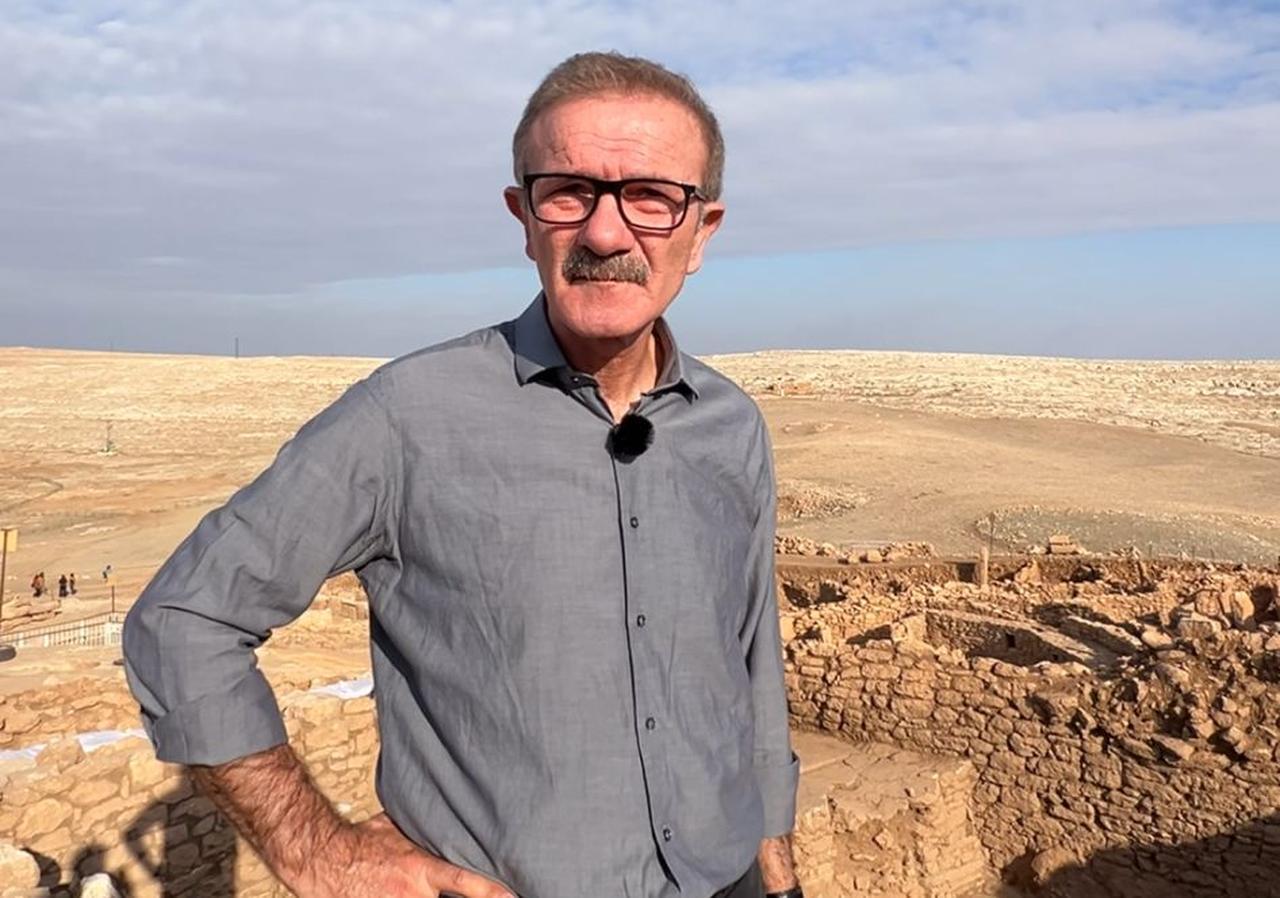
Professor Necmi Karul, coordinator of the Tas Tepeler Project, has argued in earlier remarks that the communities who built settlements such as Gobeklitepe and Karahantepe should not be understood as advanced farming societies in the conventional sense. Instead, he has described them as groups that still maintained a hunter-gatherer way of life while gradually developing more complex social structures.
According to Karul, the evidence from the region challenges the long-standing idea that people first had to become full farming communities before they could put up monumental architecture. In his reading, the settlements around Gobeklitepe emerged during a period when people were beginning to settle down, and agriculture may have developed as a result of that wider process rather than as its starting point.
Karul has also stressed that Tas Tepeler should be seen not as a single sacred center but as a broad Neolithic settlement network. House-like structures, grinding stones, plant remains and animal bones from Karahantepe and other sites indicate that people were not only gathering for ritual purposes, but also carrying on daily life and making active use of surrounding natural resources. For him, the evidence shows that communities living in the region around 12,000 years ago were closely tied to nature while also sustaining complex social organization.
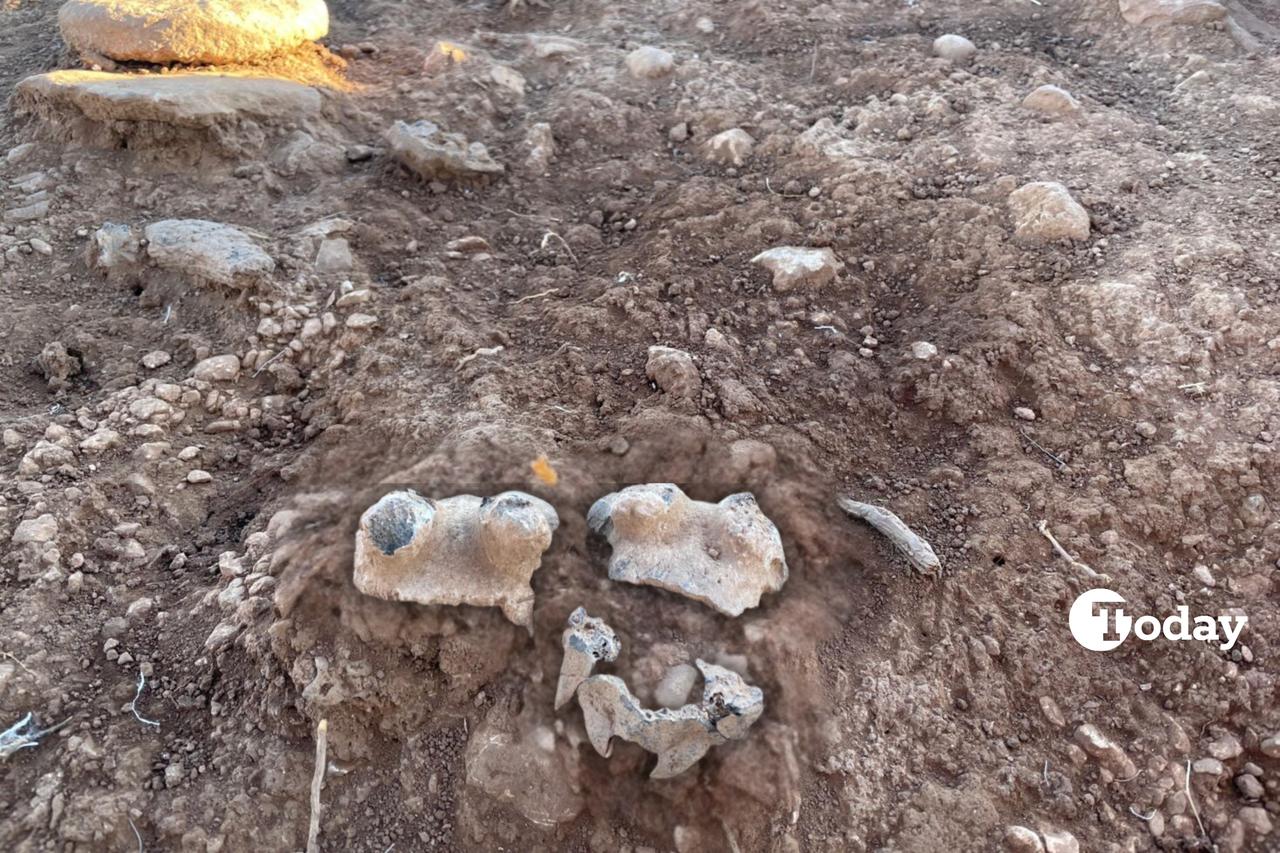
Another striking feature of the Tas Tepeler sites is the lack of clear burial grounds. Excavations at Gobeklitepe and Karahantepe have produced only limited skull fragments and pieces of bone. This has led some researchers to suggest that the dead may have been incorporated into ritual processes within monumental structures.
The skull remains have also been discussed in connection with the so-called skull cult known from the Neolithic Near East, in which human heads were linked to ancestor-focused ritual practices. Even so, no broad collection of human skeletons has yet been found at these sites, so such interpretations remain unconfirmed.
Tas Tepeler is increasingly understood as part of a much larger cultural sphere extending across southeast Anatolia, northern Syria and Mesopotamia. Archaeological evidence indicates that these settlements were connected to contemporary communities beyond their immediate surroundings. Materials such as obsidian and flint appear to have been brought in from distant areas, showing that wide exchange networks were already in place in the early Neolithic.
Genetic research adds another layer to that picture. Although no direct DNA evidence has yet been recovered from Gobeklitepe or Karahantepe because human skeletons are still absent, studies from surrounding regions suggest that early Neolithic populations in Anatolia were formed through a mixture of local hunter-gatherer groups and populations with roots in Mesopotamia.
For that reason, the people of Tas Tepeler are seen as part of a broader process of Neolithic continuity across the Near East. Current evidence suggests that their past was both local and regional at once, shaped by deep roots in the landscape as well as by wider human interaction. That is why Tas Tepeler remains important not only for its monumental architecture, but also for what it reveals about how human communities moved toward settled life.


 Set as preferred source
 Set as preferred source


 2 min read
 1 min read


