Newsletters


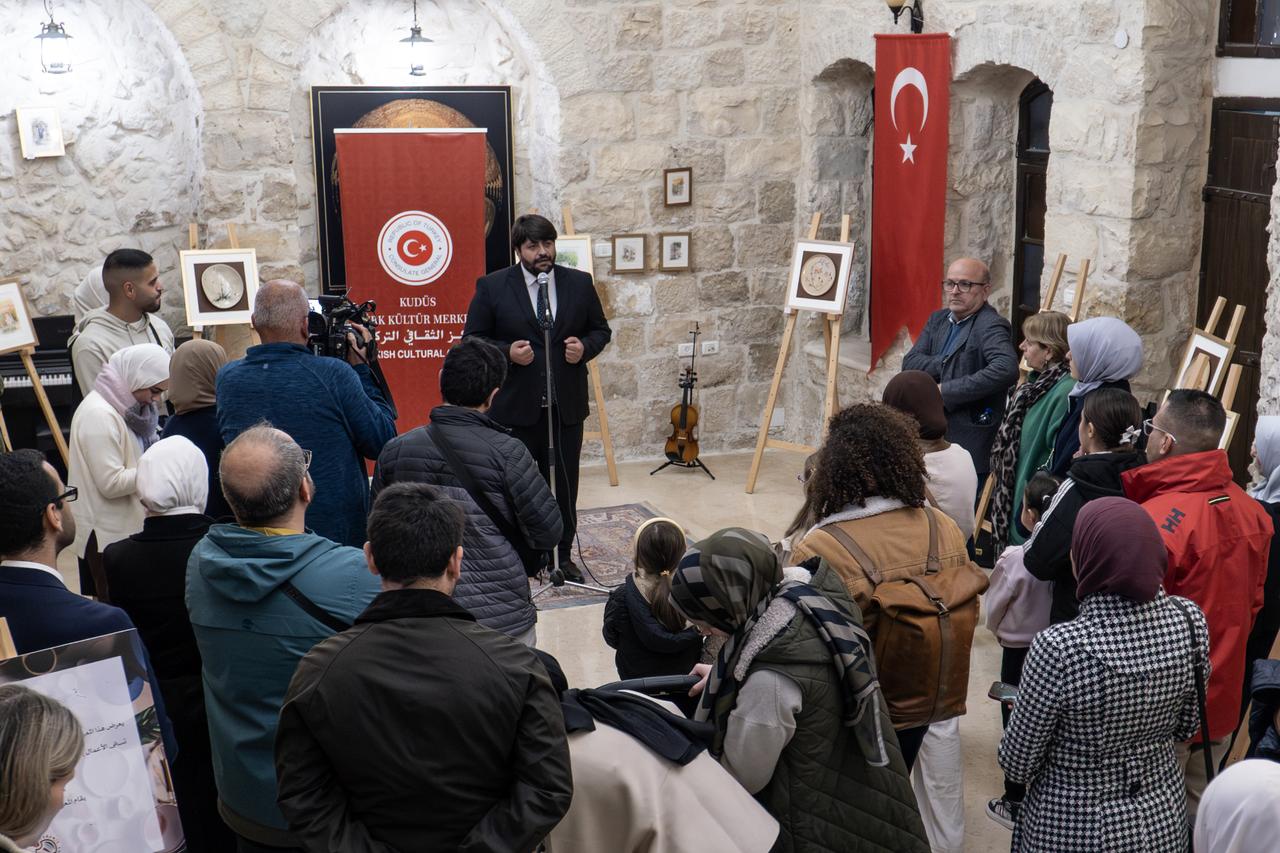


A ceramic exhibition inspired by plants from depopulated Palestinian villages has opened at the Yunus Emre Institute Turkish Cultural Center in Jerusalem, featuring works by artist Sundus al-Rajabi that combine clay, plant imprints and watercolor techniques.
The Yunus Emre Institute organized the exhibition, titled “Between Water and Clay: A Ceramic Exhibition.”
It showcases works by artist Sundus al-Rajabi depicting plants that grow in Palestinian villages whose residents were forcibly displaced.
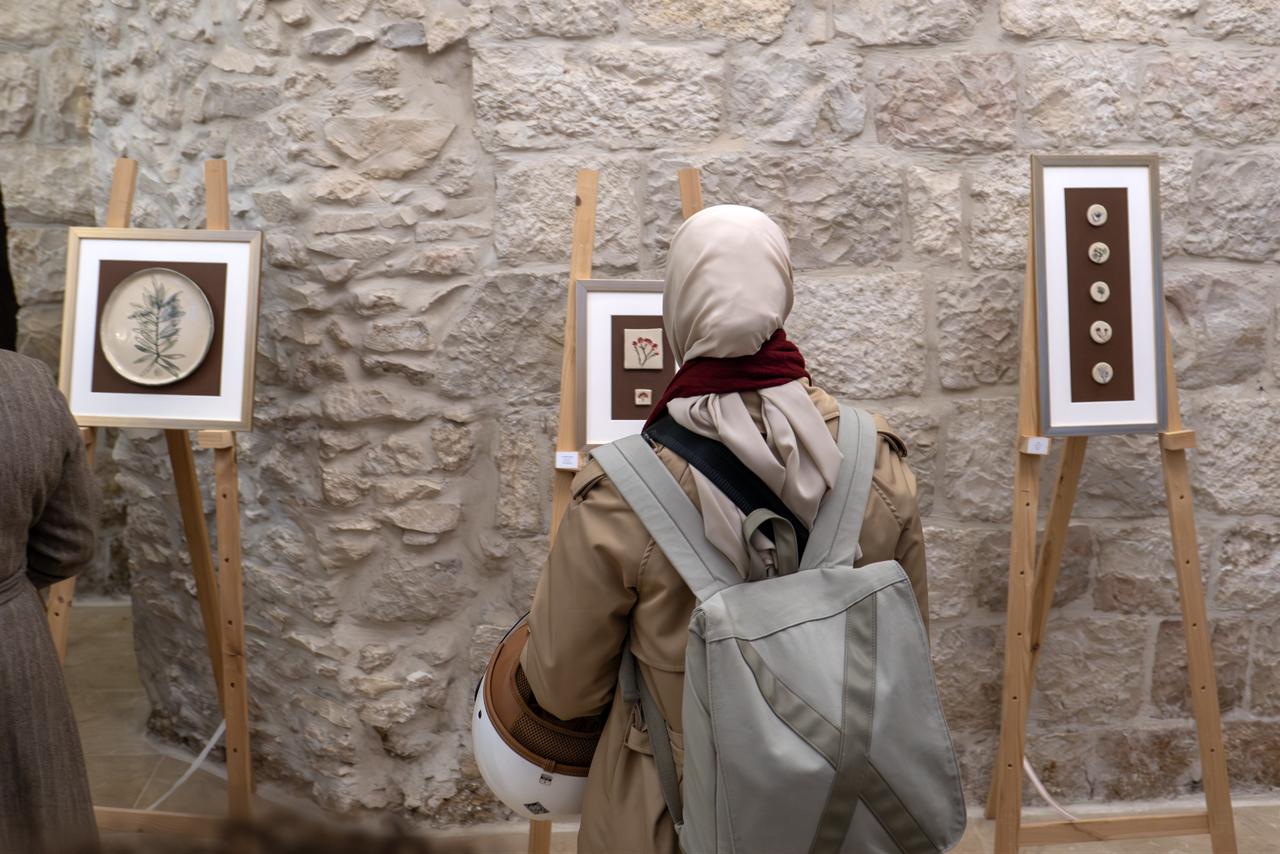

The exhibition includes ceramic pieces in which leaf imprints of various plants, ranging from olive to fig trees native to depopulated Palestinian villages, were first molded onto clay and then painted using watercolor techniques.
As part of the event, guests were also allowed to experience the process of creating leaf molds on clay.
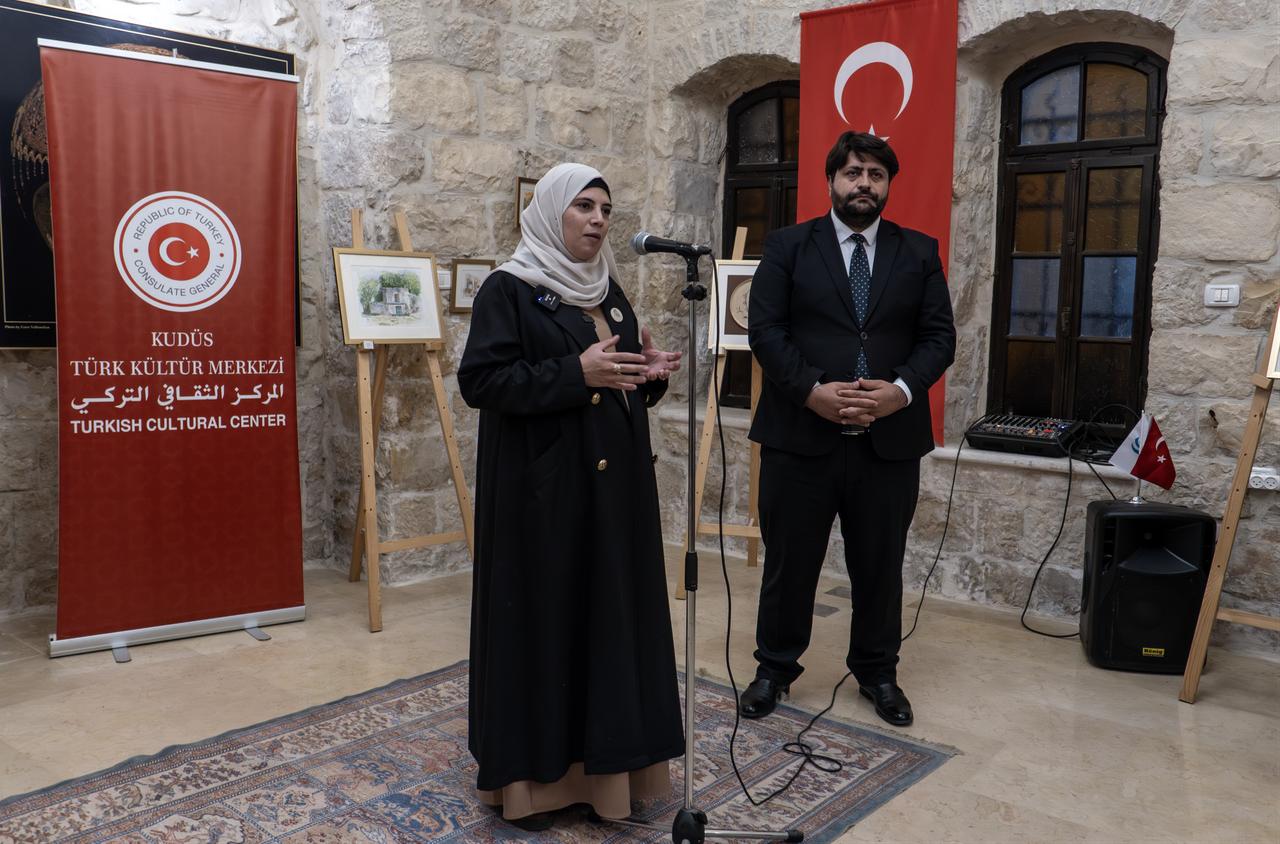
Commenting on the exhibition, Jerusalem Yunus Emre Institute Director Ensar Firat said, “Every plant remnant carries the memory of a place, the story of a land, and the traces of a life that once passed through it.”
Firat noted that the ceramic works on display were produced by combining clay with tree branches collected from villages around Jerusalem.
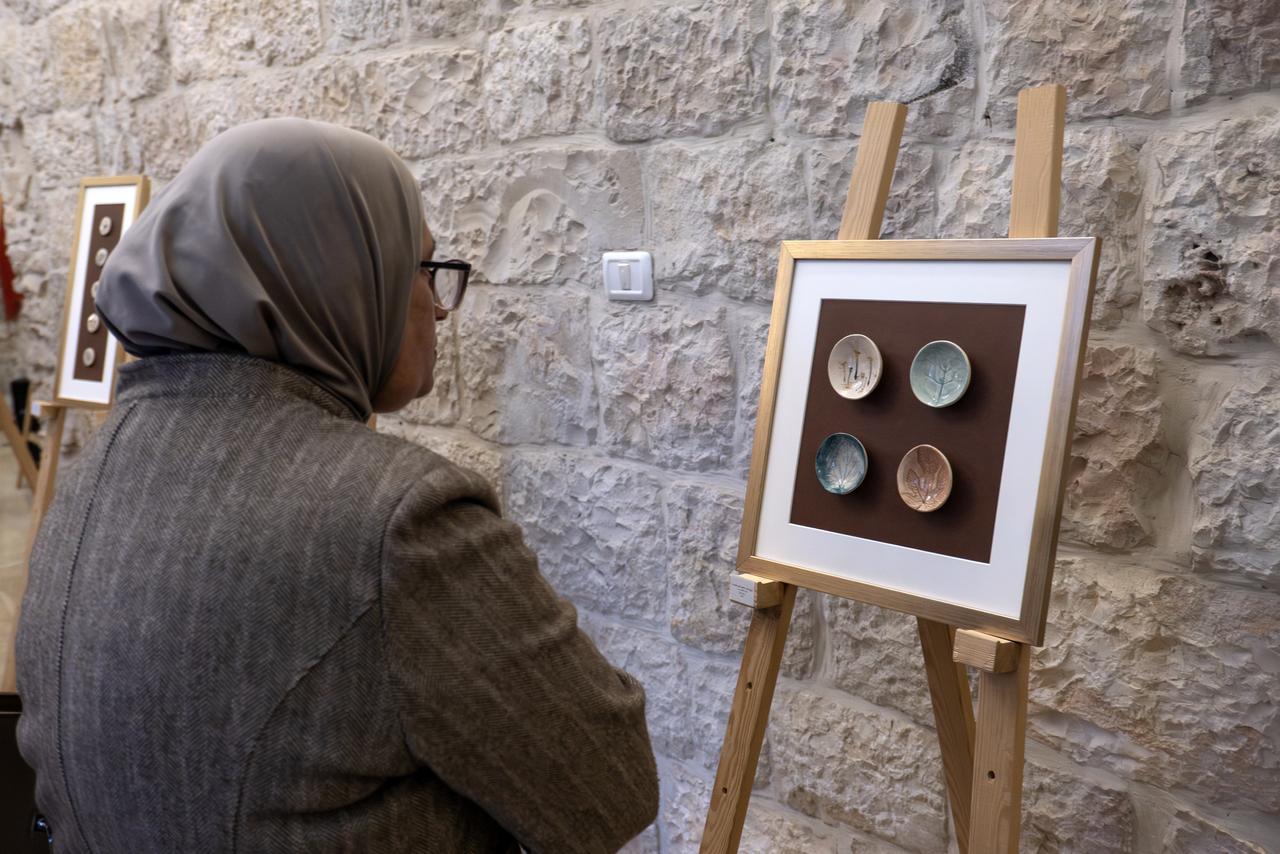
Artist Sundus al-Rajabi said she aims to immortalize, through art, the plants that grow in Jerusalem’s abandoned villages.
Al-Rajabi added that the leaf patterns embedded in the ceramics belong to trees planted by her ancestors, explaining that the works are intended to strengthen ties with the past.


 Set as preferred source
 Set as preferred source


 3 min read