Newsletters


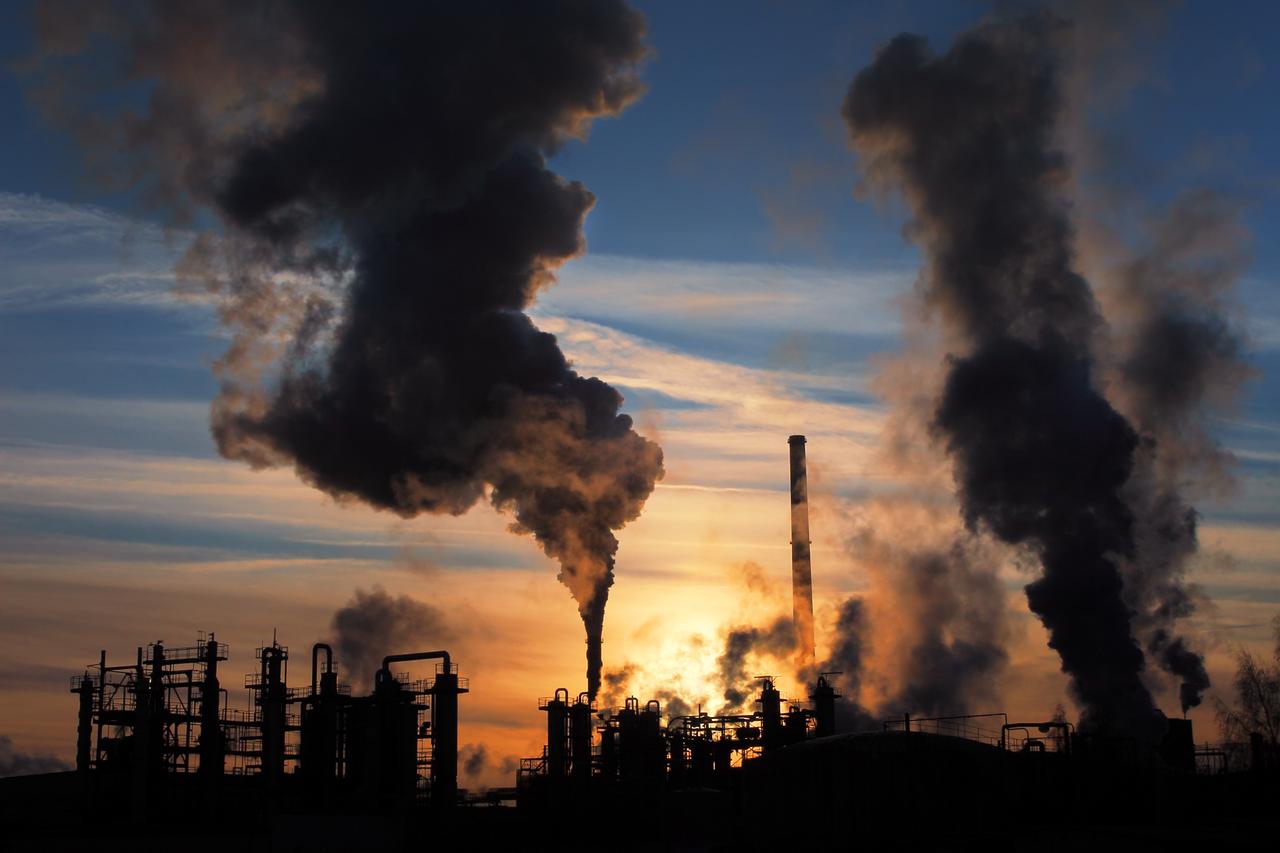


Despite significant improvements in air quality across the European Union (EU) over the past two decades, air pollution continues to pose a major health risk, claiming thousands of lives each year, according to a new report by the European Environment Agency (EEA).
The report indicates that in 2023, 182,000 premature deaths in Europe were attributable to air pollution levels exceeding safe limits, primarily from fine particulate matter (PM2.5). While the number of early deaths linked to PM2.5 has declined by 57% between 2005 and 2023, the persistence of unsafe air pollution levels underscores ongoing public health concerns.
The EEA highlighted that approximately 95% of urban Europeans are exposed to air pollution concentrations far above the World Health Organization (WHO) recommended thresholds. Air pollution remains the leading environmental health risk in Europe, ahead of other factors such as noise, chemical exposure, and heatwaves linked to climate change.
Italy experienced the highest death toll, with 43,083 deaths linked to PM2.5 exposure, equivalent to 100.6 deaths per 100,000 people and a total of 407,949 years of life lost (YLL). Poland and Germany followed with 25,268 and 21,640 deaths.
However, the highest relative impacts, measured by YLL per 100,000 population aged 30 and over, were observed in Southeast European countries, including North Macedonia, Bosnia-Herzegovina and Albania.
In contrast, Iceland reported no deaths attributable to air pollution, while Finland recorded only 34 deaths. Northern and northwestern European countries such as Sweden, Estonia, and Norway exhibited the lowest relative impacts.
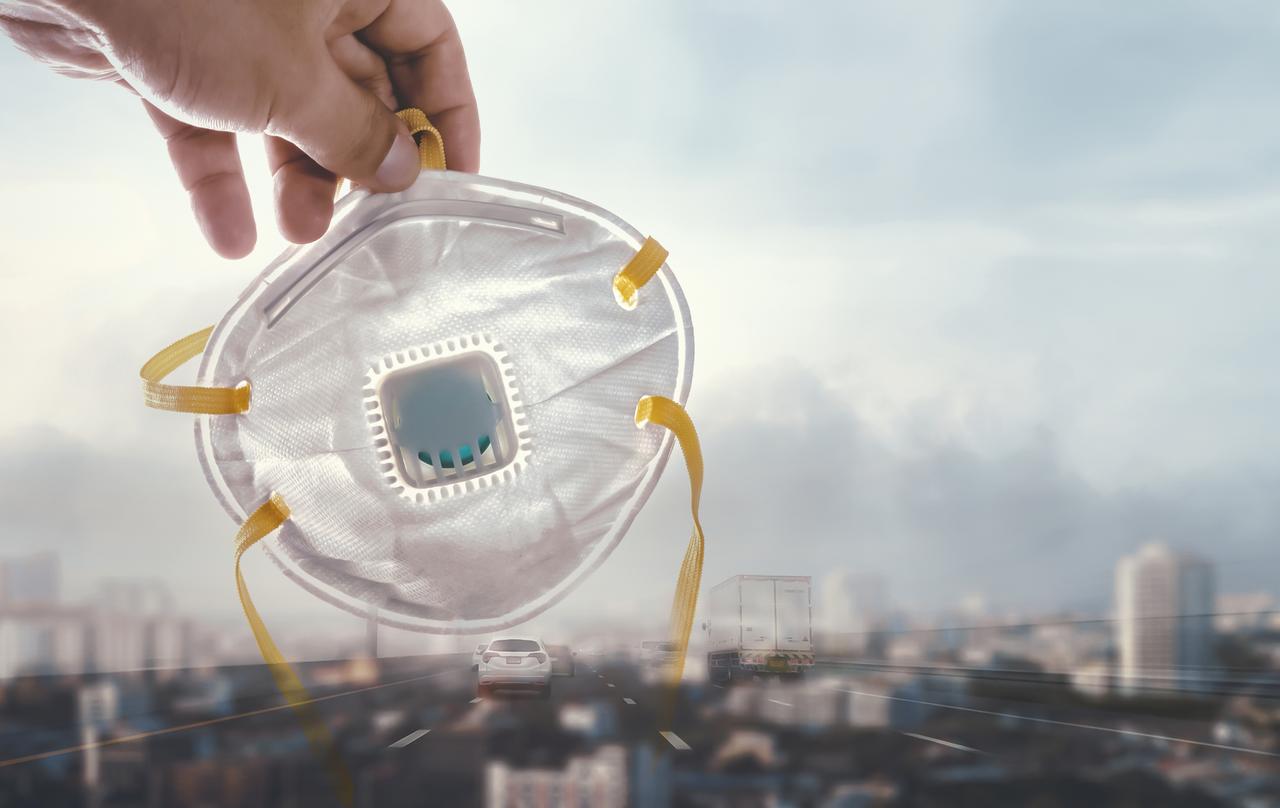

PM2.5 refers to fine particles with a diameter of 2.5 micrometers or less, which can penetrate deep into the lungs and bloodstream. Exposure is linked to asthma, ischemic heart disease, and lung cancer, and emerging research suggests it may also increase the risk of dementia.
Major sources include vehicle emissions, industrial processes, combustion of solid fuels and air sprays, as well as natural events such as wildfires, which are intensifying due to climate change.
 1 min read

The EEA report comes as the EU implements updated air quality standards. The revised Ambient Air Quality Directive, which came into effect on Dec. 10, 2024, halves the annual limit for PM2.5, aligning EU standards more closely with WHO recommendations for 2030.
The directive also strengthens local authorities’ capabilities in air quality monitoring, modeling, and planning.
Jessika Roswall, EU Commissioner for Environment, Water Resilience, and Circular Economy, emphasized the significance of the new rules, stating: "Each year, polluted air causes approximately 250,000 premature deaths and costs the EU economy up to €850 billion. These new air quality standards will improve millions of Europeans’ quality of life, protect biodiversity and ecosystems, and strengthen our economy."


 Set as preferred source
 Set as preferred source


 1 min read