Newsletters


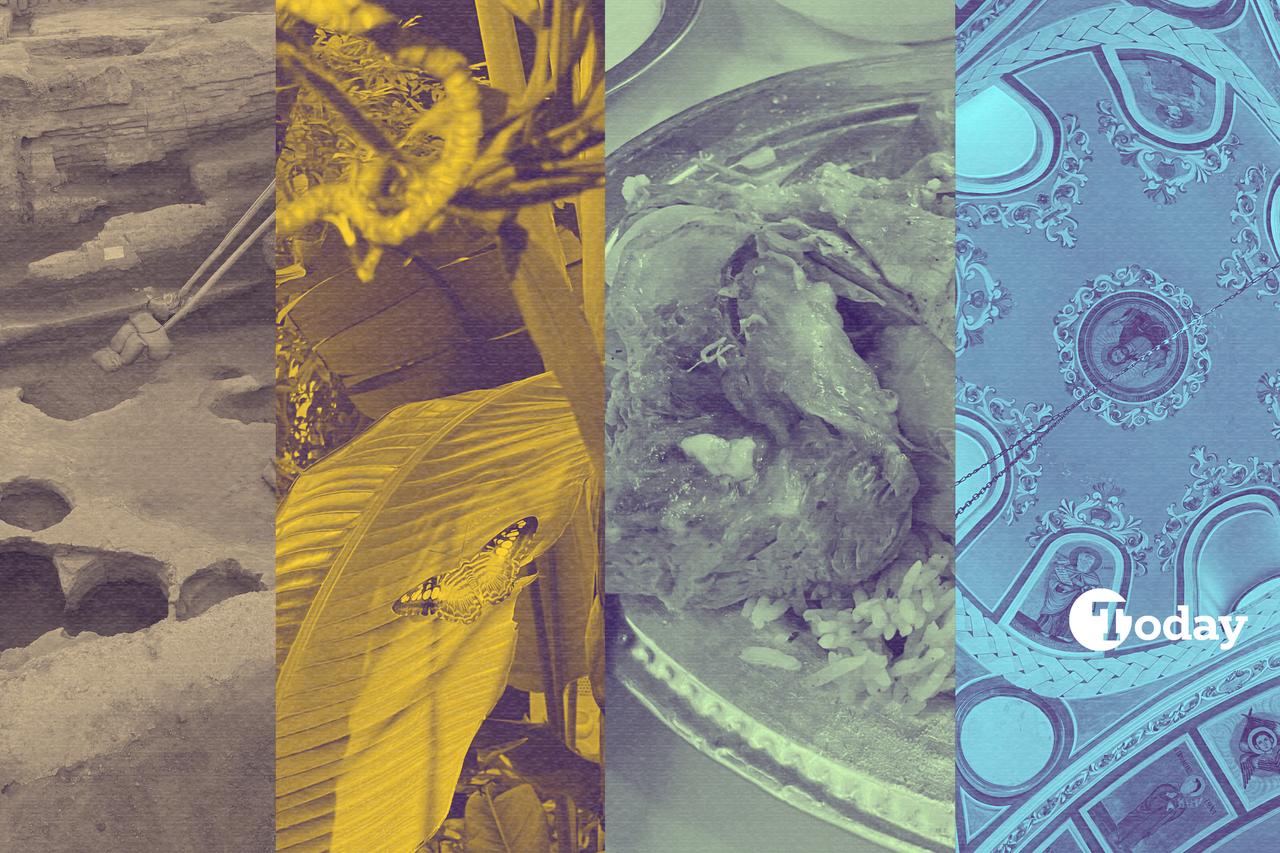


Located in central Anatolia, Konya stands out as one of Türkiye’s most deeply rooted destinations, bringing together prehistoric heritage, spiritual traditions, living cuisine and vast agricultural landscapes. With a past stretching from the Neolithic period to the Seljuk era, the city offers a layered travel experience where history and belief systems still shape daily life.
I arrived in Konya on Wednesday at 7 a.m., flying from Istanbul Airport on a direct Turkish Airlines flight that took about an hour. Depending on where travelers are coming from, Konya can also be reached by long-distance buses from many cities, by high-speed train via Ankara, or by private car. The high-speed train connects Ankara and Konya in under two hours, while flights from both Istanbul airports offer the fastest option.

I began the day away from the city center, heading straight to Catalhoyuk, the world's first city, around 40 kilometers (24 miles) southeast of Konya. A friend met me at the airport, and we traveled by car. Before leaving town, I stopped at a local bakery to pick up freshly baked yag somunu, a traditional Konya pastry, paired with hot Turkish tea, which felt especially comforting in the winter cold.
Yag somunu has long been part of Konya’s culinary culture and dates back to the Ottoman period. Made with flour, butter, milk, sugar, yeast and salt, it is traditionally prepared for special occasions and is seen as a symbol of hospitality.
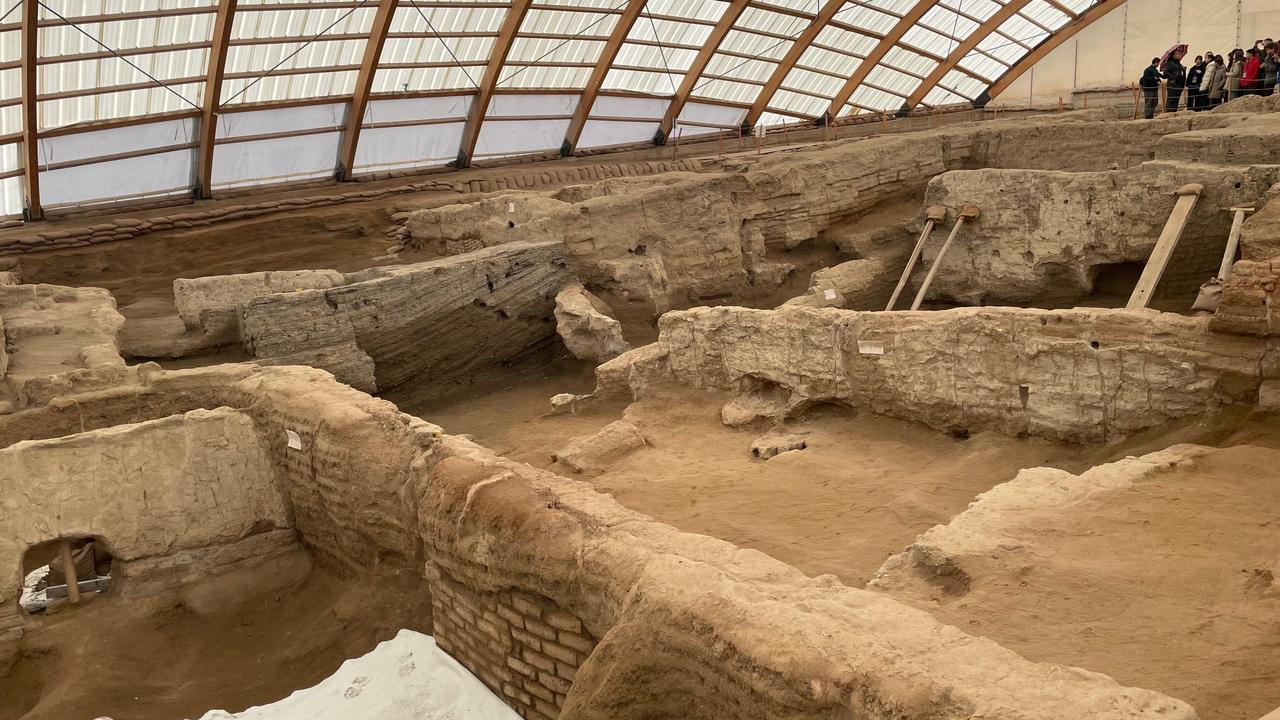
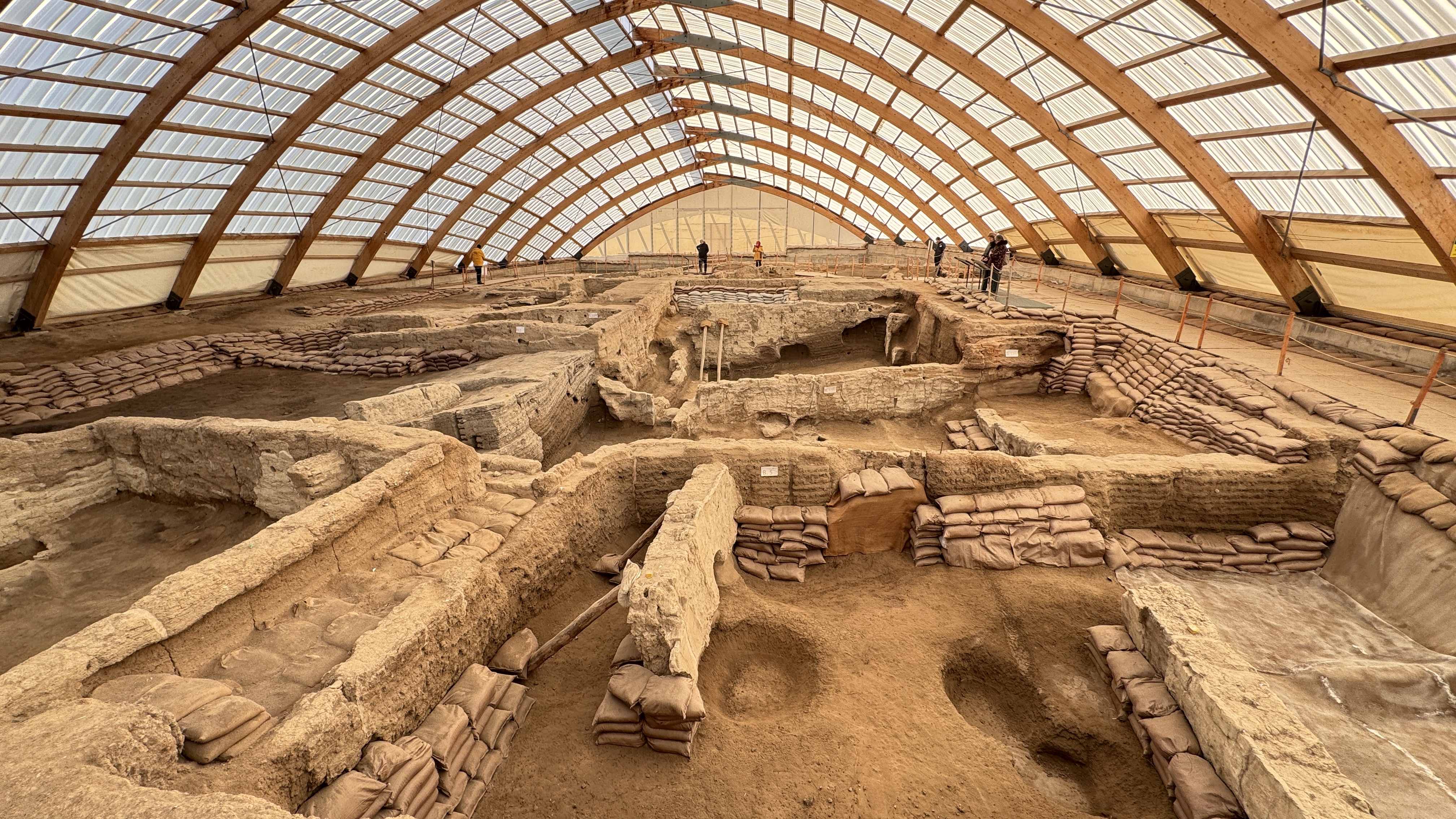
After a drive of about 45 minutes through wide agricultural plains, Catalhoyuk appeared on the horizon. Recognized as one of the world’s earliest urban settlements, the site represents one of humanity’s most ambitious social experiments. I was welcomed by Gozde Parlak, deputy head of the current excavation team, working under the leadership of Associate Professor Ali Ozan from Pamukkale University.
Parlak explained that Catalhoyuk consists of two main mounds, known as the East and West Mounds. The East Mound was densely occupied during the Neolithic period, while the West Mound reflects settlement during the later Chalcolithic period. Excavations are ongoing at both locations, with work focusing on preserving existing structures, opening new areas, and studying layers that have not yet been fully explored.
She noted that excavations currently cover roughly 1,000 square meters and that the 2025 field season has recently come to an end. Together, we walked through the Neolithic area known as the Northern Shelter. Standing among mudbrick walls, it becomes easier to imagine daily life, belief systems and social relations in a nine-thousand-year-old city, revealing how architecture itself tells a story.
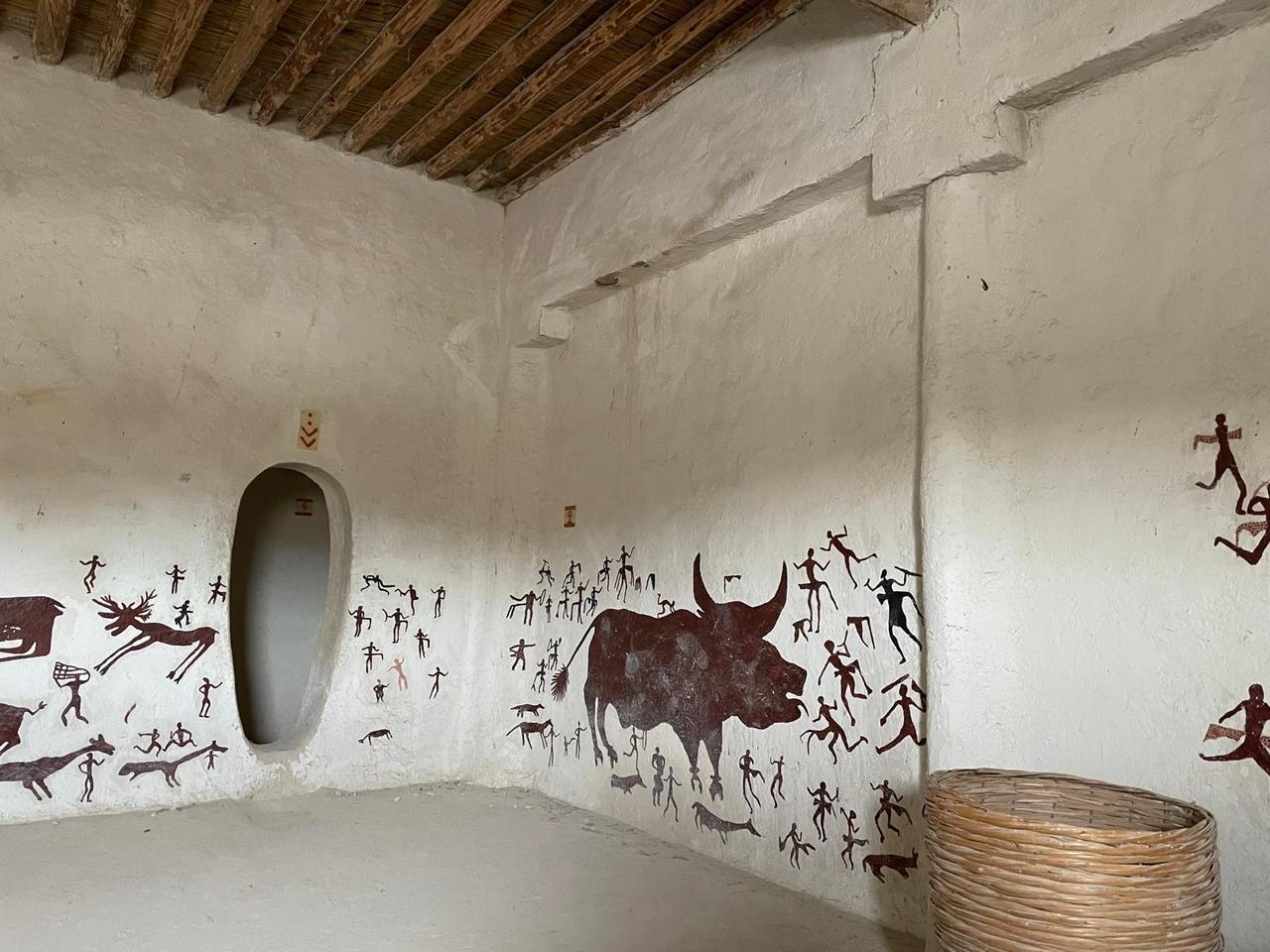
Catalhoyuk was first excavated in the early 1960s by British archaeologist James Mellaart, who identified multiple architectural layers dating between approximately 6,500 and 5,650 B.C. His work brought global attention to the site, though later controversies led to the suspension of excavations and eventually to his ban from working in Türkiye.
Years after Mellaart’s death, claims emerged suggesting that some of his findings may have been fabricated. Research conducted at his London residence reportedly revealed prototype drawings of wall paintings and documents related to inscriptions, raising questions about earlier interpretations.
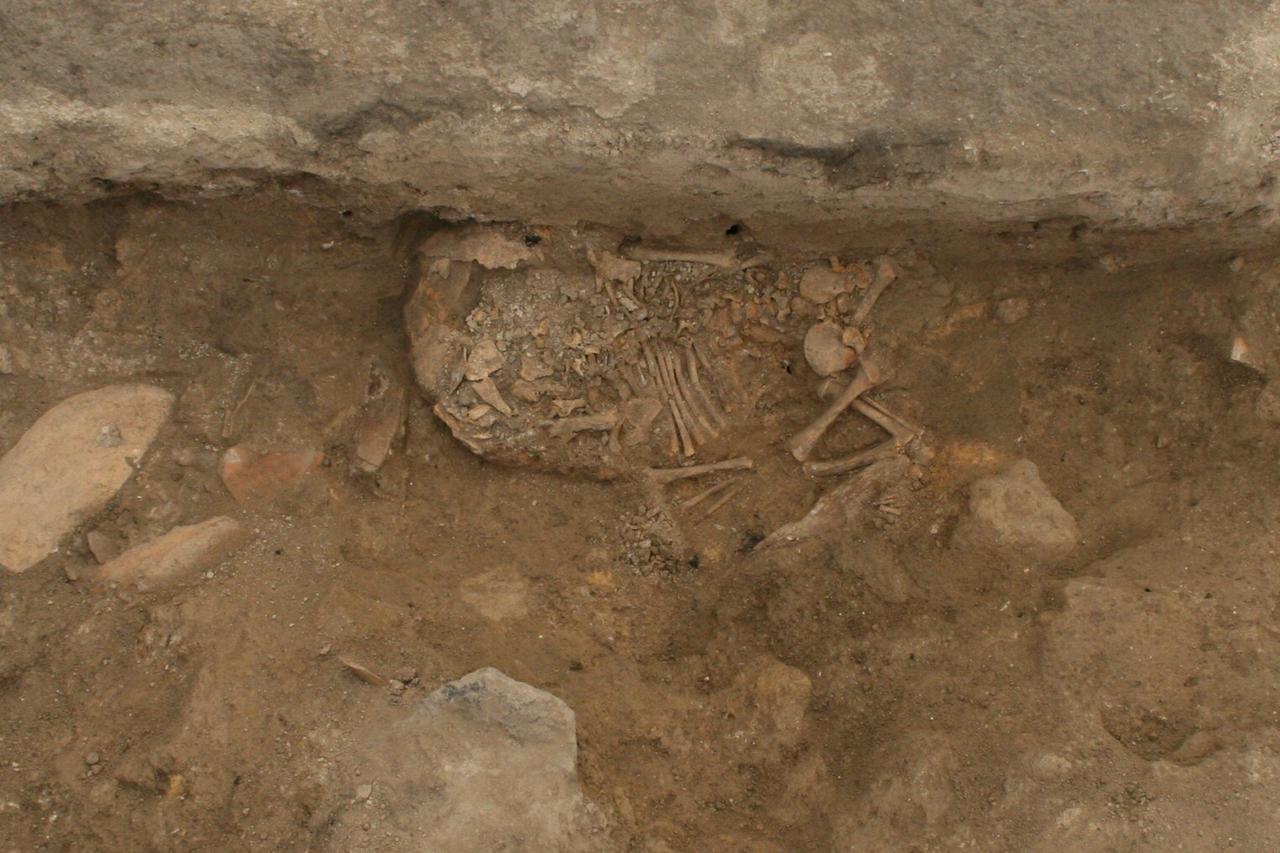
Despite such debates, Catalhoyuk continues to generate new scientific insight. A large-scale DNA study involving dozens of researchers from multiple countries highlighted the central social role of women in Neolithic communities. However, isotope analyses and skeletal measurements suggested that men and women shared similar diets, workloads and living spaces, pointing not to a matriarchal society but to one of the most egalitarian social structures known from early history.
Even so, Catalhoyuk has become the subject of numerous online myths, ranging from alien bases to secret cults. On-site evidence instead points to a densely populated, cooperative community that once supported thousands of people.
Catalhoyuk is open daily, and easily accessible via minibuses from Konya to Cumra, followed by a short taxi ride. Visitors are advised to check opening hours before arriving.
Leaving Catalhoyuk behind, the drive back to Konya passes through vast farmlands where agriculture has been practiced continuously for millennia. It is not difficult to imagine that some of the earliest bread dough ever discovered may have used grain grown in these very fields.
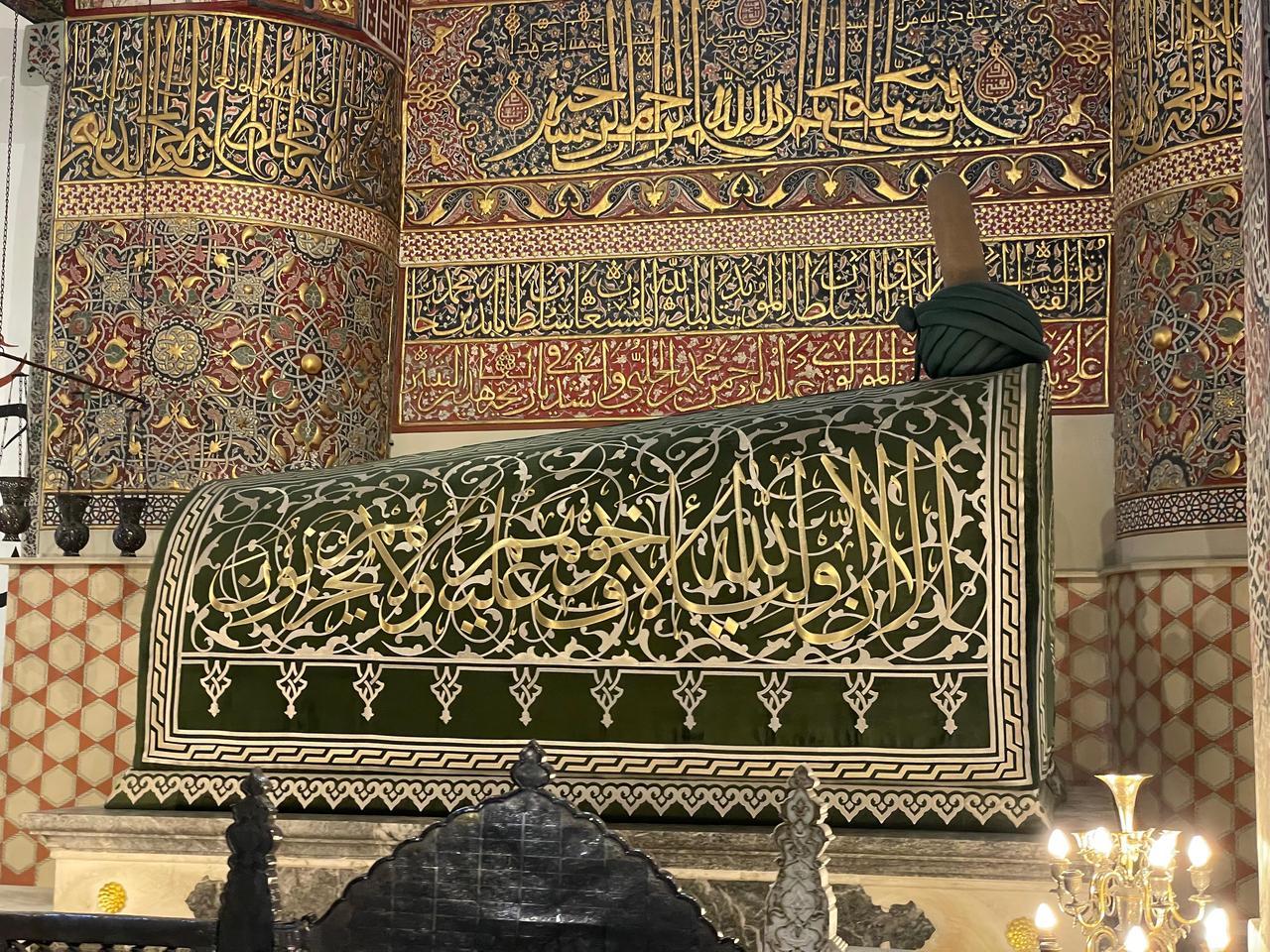
Back in the city center, I headed to Mevlana Square and the Mevlana Museum, which houses the tomb of Mevlana Jalaluddin Rumi, one of the most influential spiritual figures in world history. The complex, once a Seljuk palace garden gifted to Rumi’s family, later became a Mevlevi dervish lodge and is now one of Türkiye’s most visited museums.
Rumi’s philosophy, centered on self-knowledge, love and tolerance, continues to resonate globally. UNESCO declared 2007 the Year of Mevlana, recognizing the universal influence of his thought. Inside the museum, visitors encounter manuscripts, ceremonial objects, musical instruments and scientific tools, offering a broad view of Seljuk intellectual life.
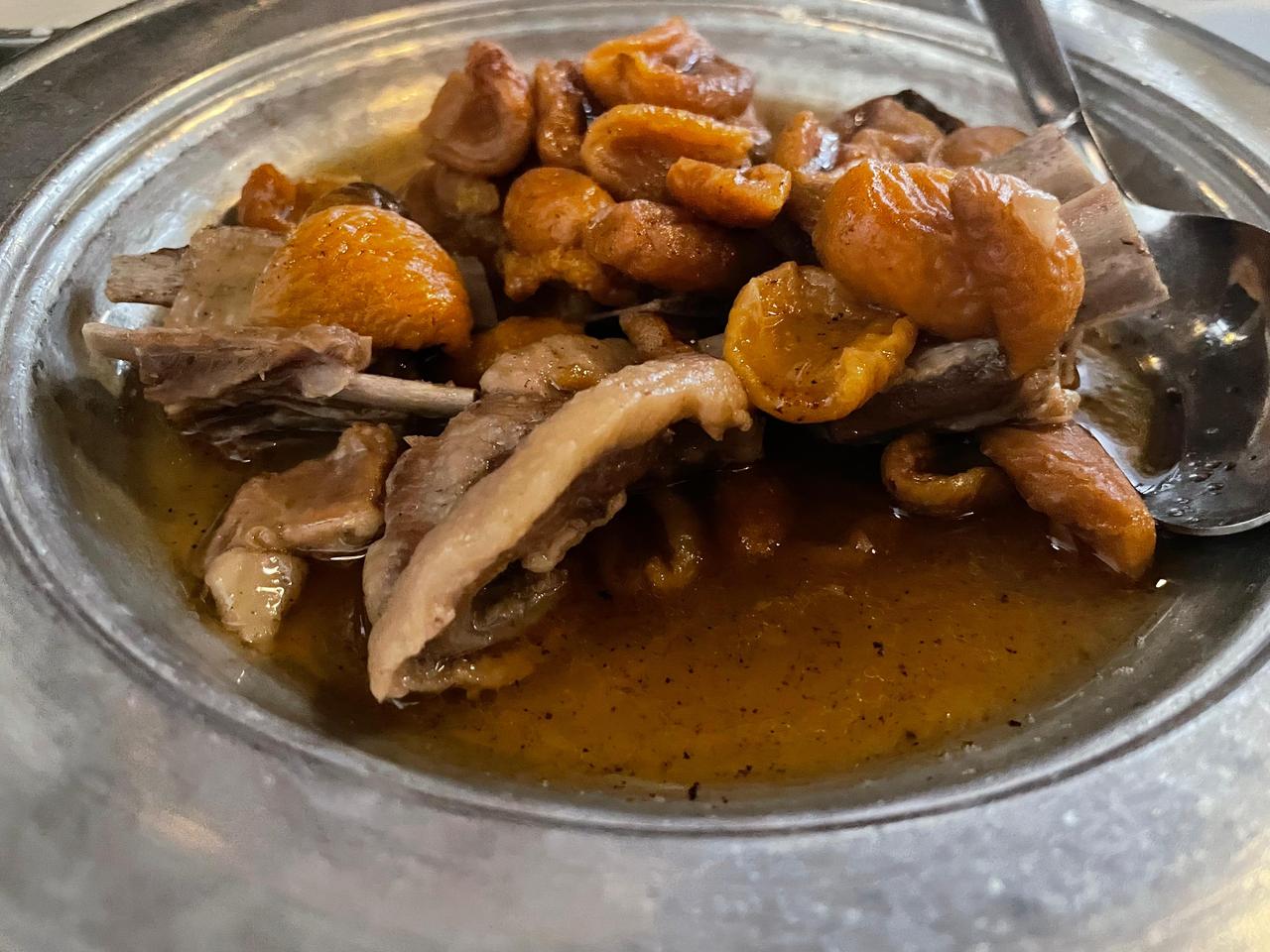
After visiting Konya’s most symbolic landmarks, I moved on to lunch at Lokmahane Merkez, a restaurant recognized by Türkiye’s first gastronomic rating institution, YEDY. Despite its status, prices remain accessible.
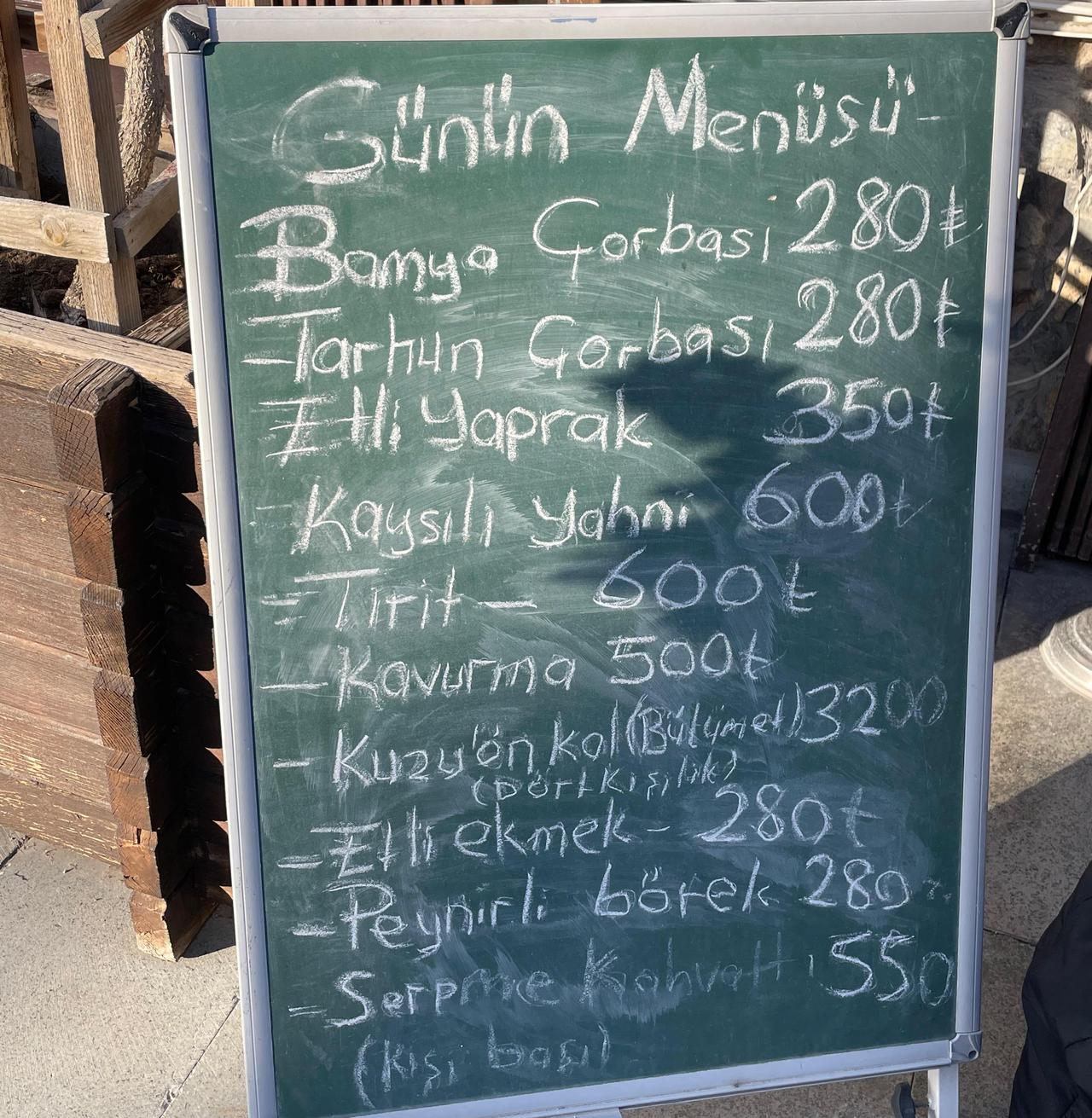
The menu reflected the region’s Seljuk and Ottoman culinary heritage, featuring dishes such as bamya soup, kayisili yahni made with lamb ribs and dried apricots, etli ekmek, kapama, and hosmerim dessert. The use of lamb and sheep meat reflects historical dietary traditions tied to small livestock breeding in Central Anatolia.
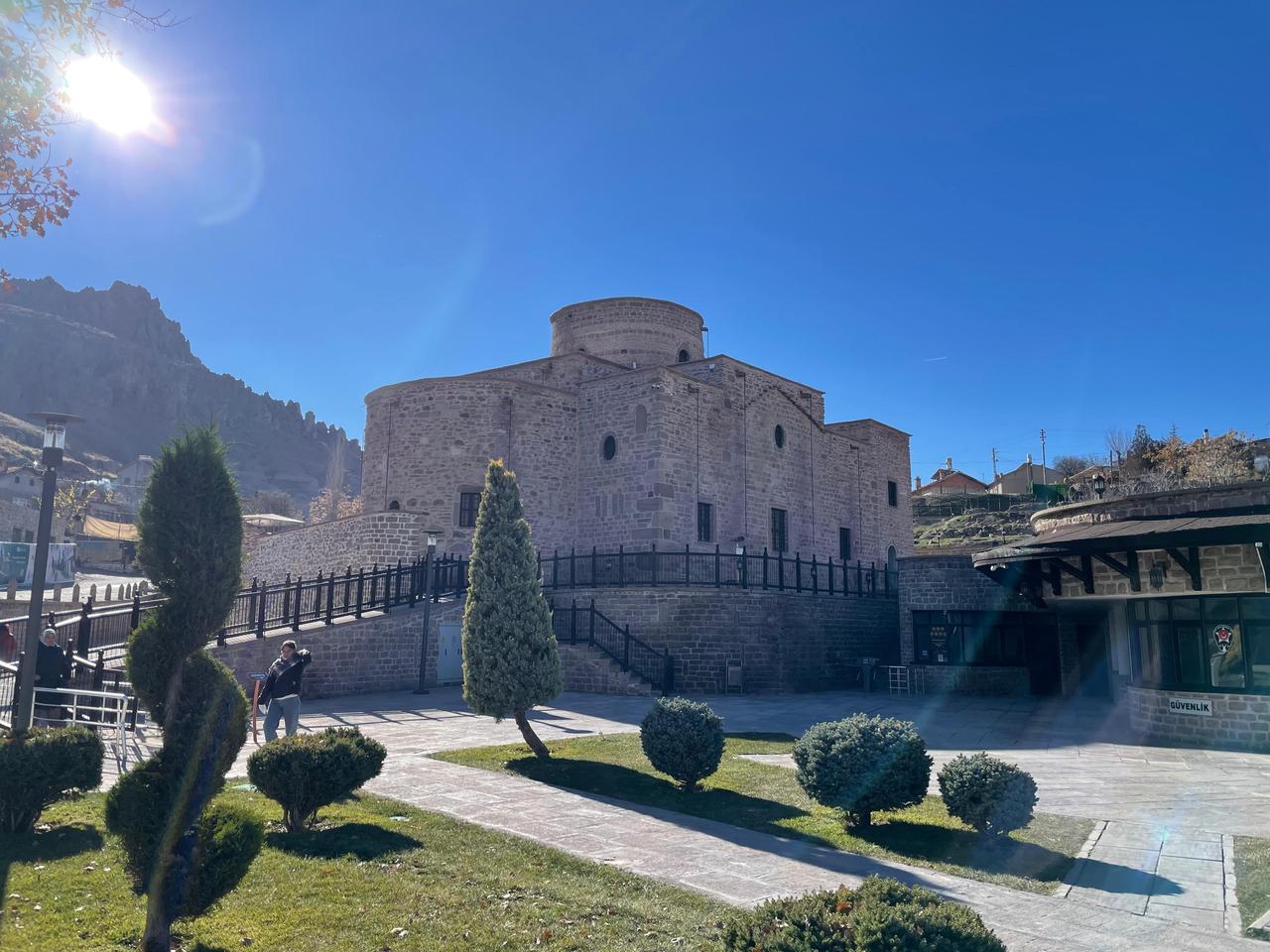
In the afternoon, I headed to Sille, a historic settlement located about 7 kilometers from Konya’s center. Restored by local authorities, Sille preserves a strong sense of place shaped by centuries of coexistence.
One of its most significant landmarks is the Church of Saint Michael, also known as Aya Elenia Church, traditionally attributed to Helena, the mother of Roman Emperor Constantine.
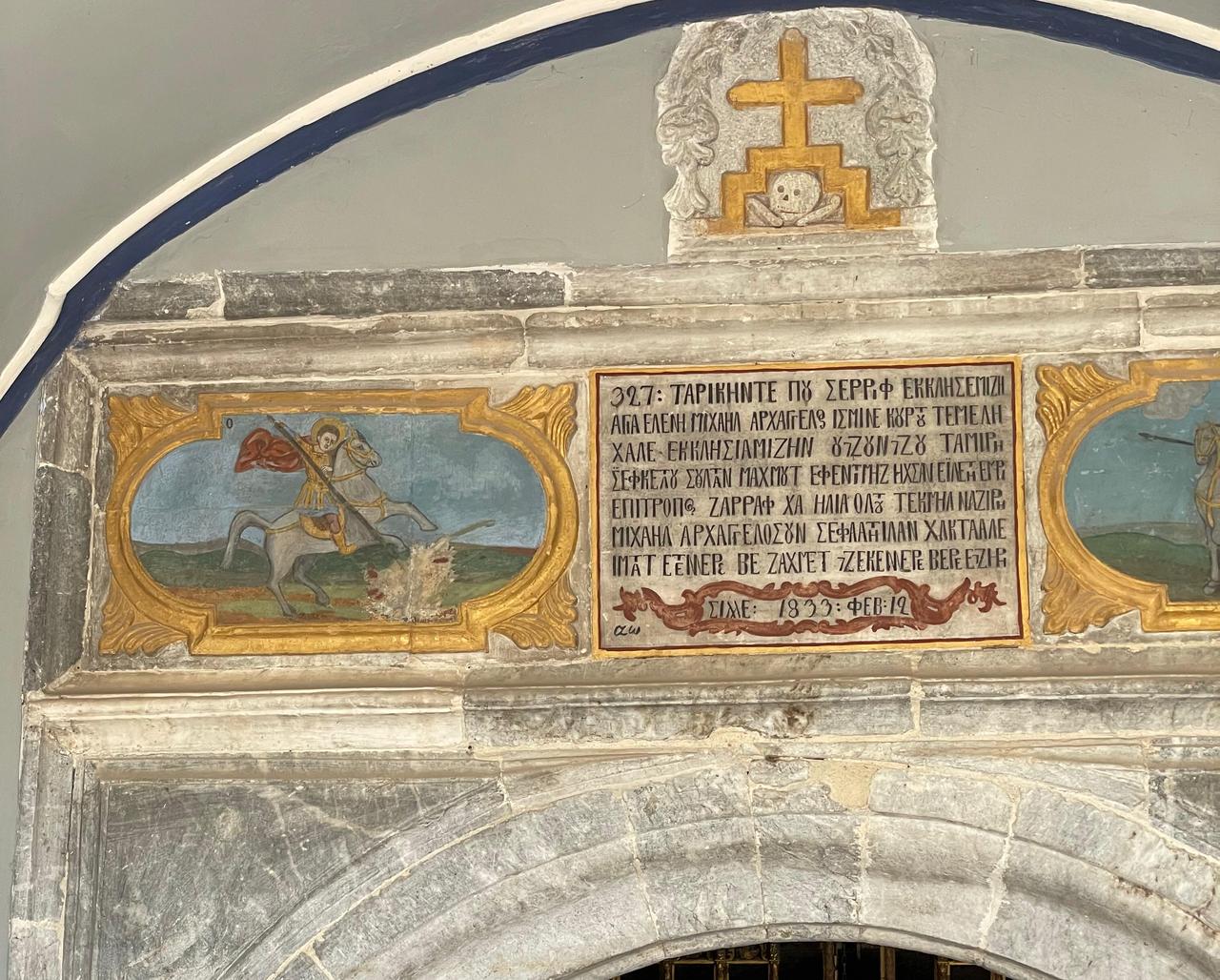
Considered one of the earliest churches in Anatolia, it contains a restoration inscription dated to the 19th century, written in Turkish using Greek letters, known as Karamanlidika. This reflects the linguistic traditions of Christian Turkish communities that once lived in the region.
After warming up with a cup of salep at a local cafe, I continued on to a very different environment.
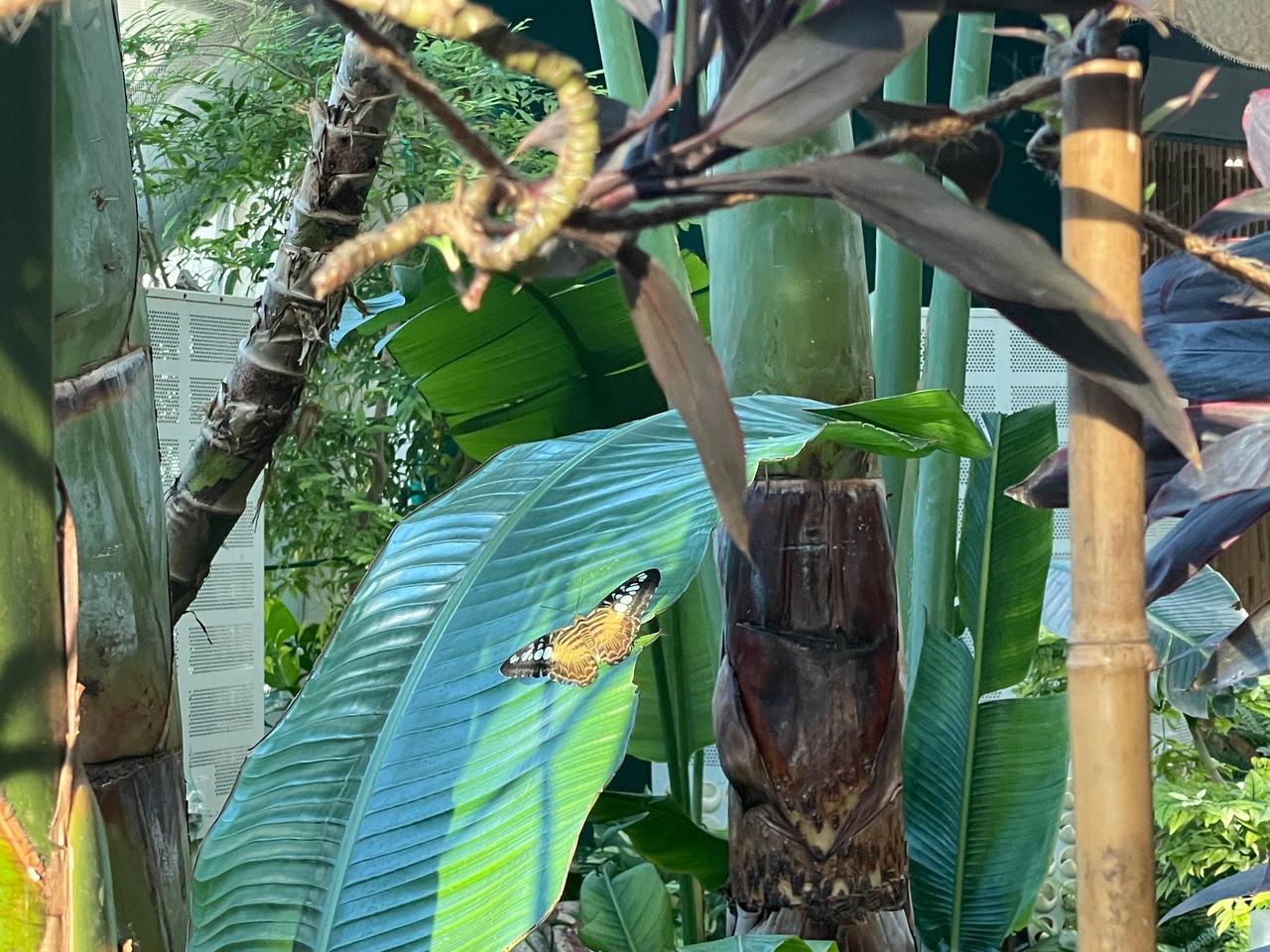
The Konya Tropical Butterfly Garden offers a striking contrast to the city’s ancient sites. Inside a large indoor space filled with thousands of plants, visitors can observe multiple butterfly species flying freely.
Guided paths introduce visitors to butterfly life cycles, camouflage and behavior, creating a calm, immersive experience.
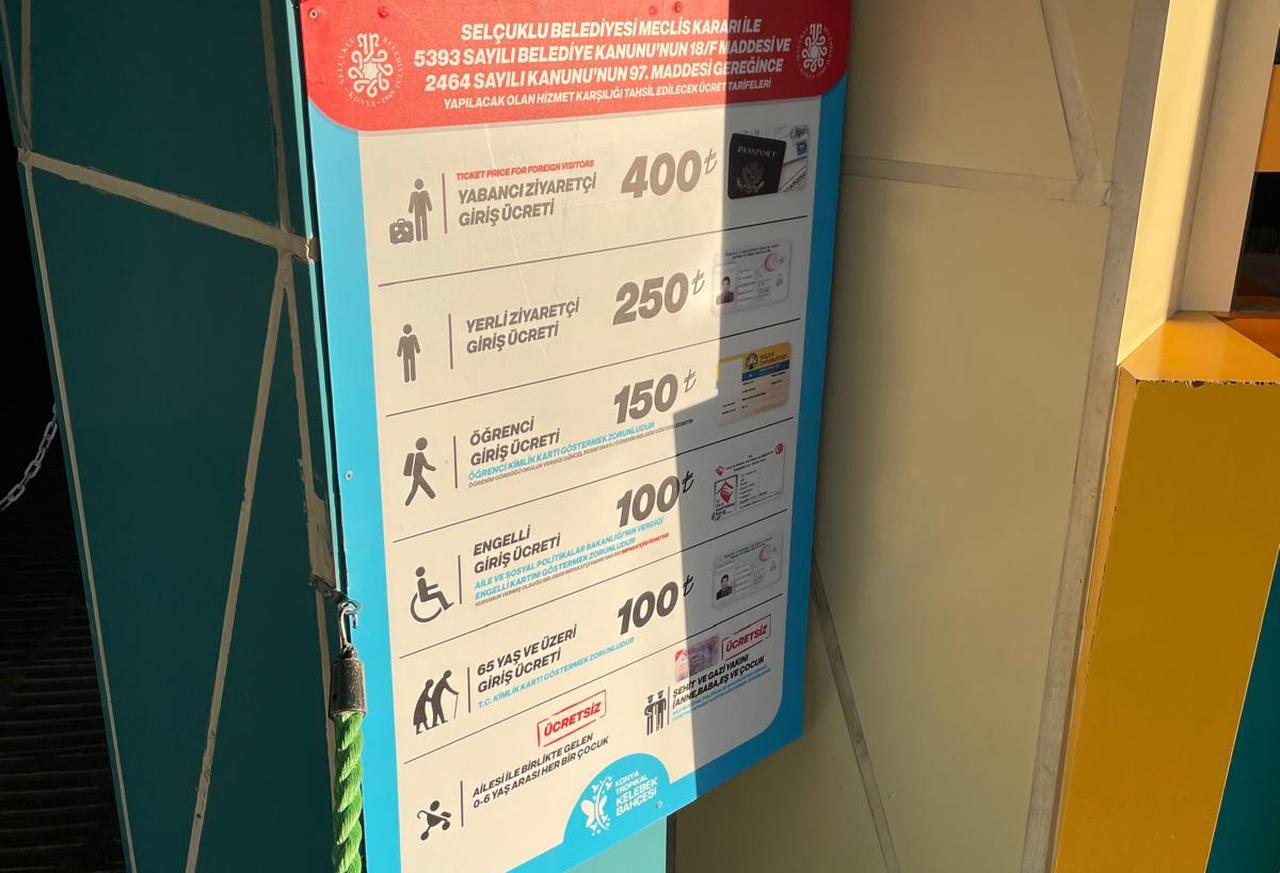
The garden is closed on Mondays and operates during daytime hours on other days.
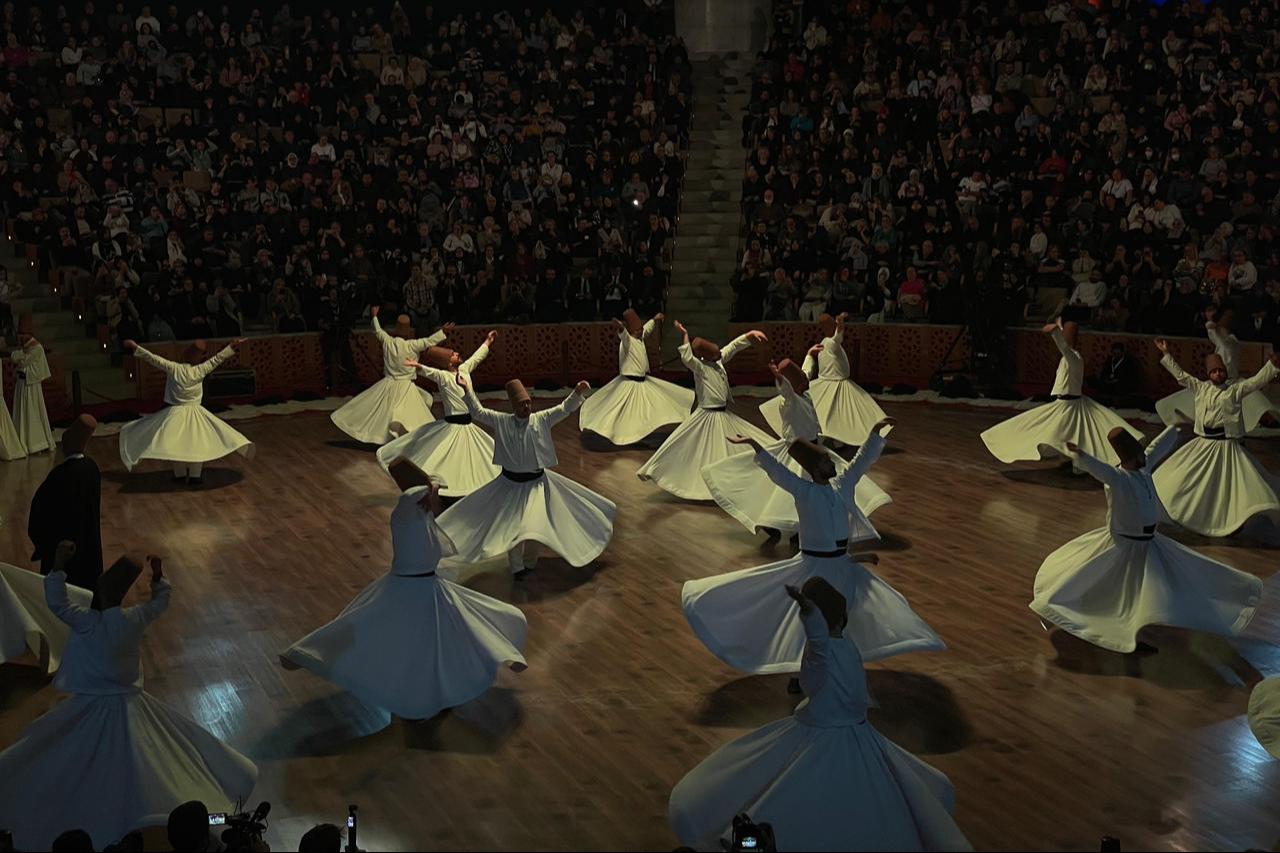
The day concluded with a sema ceremony, part of the commemorations marking the 752nd anniversary of Rumi’s passing. Watching the ritual, recognized by UNESCO as Intangible Cultural Heritage, offered a final moment of reflection before returning to the airport for an evening flight back to Istanbul.
In just one day, Konya revealed itself as a place where humanity’s earliest settlements, enduring spiritual traditions and a living culinary culture continue to intersect.


 Set as preferred source
 Set as preferred source


 1 min read
 1 min read