Newsletters


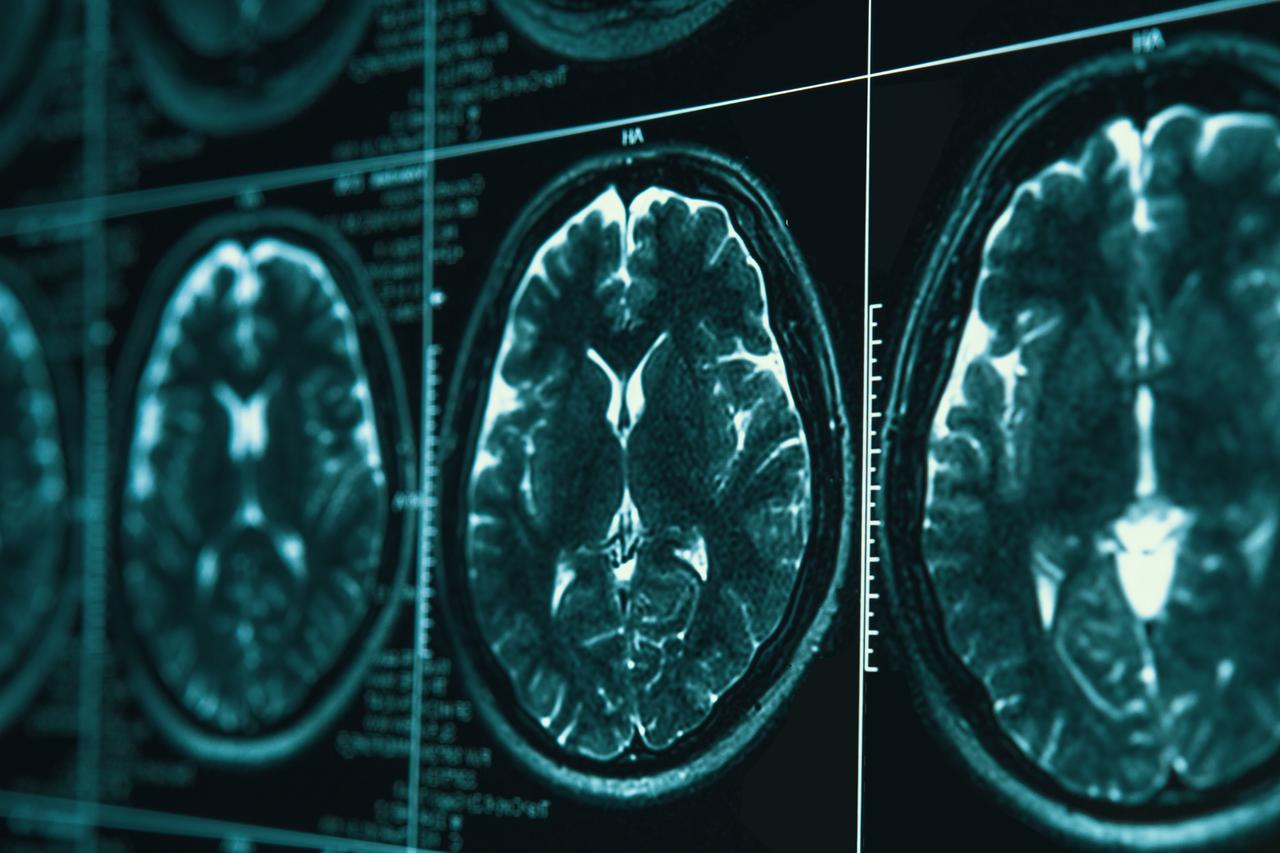


Scientists have identified a potential new strategy for slowing Alzheimer’s disease after finding that blocking a single protein improved learning and memory in a mouse model of the condition.
The study was led by Cold Spring Harbor Laboratory Professor Nicholas Tonks and published in the journal Proceedings of the National Academy of Sciences.
It focuses on a protein known as PTP1B, which Tonks first discovered in 1988 and has studied for decades. Researchers found that inhibiting PTP1B may help restore the function of microglia, the brain’s immune cells, allowing them to clear amyloid beta (amyloid-β) plaques more effectively.
Alzheimer’s disease is often associated with the buildup of amyloid beta, or Aβ, a naturally occurring peptide that can accumulate in the brain and form plaques over time. These plaques are widely considered one of the major features of the disease, although current treatments that target amyloid buildup have shown limited benefits for many patients.
For Tonks, the research also has a personal dimension as his mother lived with Alzheimer’s disease, a condition he described as “a slow bereavement.”
“You lose the person piece by piece,” he told ScienceDaily.
The research team found that PTP1B interacts with spleen tyrosine kinase, or SYK, a protein involved in controlling microglia. These immune cells help remove waste and debris from the brain, including excess amyloid beta.
However, as Alzheimer’s progresses, microglia can lose effectiveness.
“Over the course of the disease, these cells become exhausted and less effective,” said Yuxin Cen, a graduate student and first author of the study. “Our results suggest that PTP1B inhibition can improve microglial function, clearing up Aβ plaques.”
According to the study, removing or blocking PTP1B in a mouse model strengthened a signaling process in microglia, making the cells more active and better able to perform their cleanup role. The result was improved learning and memory in the Alzheimer’s mouse model.
The findings suggest that future treatments may not need to focus only on reducing amyloid plaques directly, but could also aim to strengthen the brain’s own ability to clear them.
The discovery comes as researchers continue to debate the effectiveness of anti-amyloid drugs, which directly target amyloid beta buildup. Some scientists see these therapies as an important advance, while others argue that their clinical benefit remains limited.
The Cold Spring Harbor Laboratory team does not present PTP1B inhibition as a replacement for existing treatments. Instead, researchers suggest it could become part of a broader combination therapy.
“Using PTP1B inhibitors that target multiple aspects of the pathology, including Aβ clearance, might provide an additional impact,” said postdoctoral fellow Steven Ribeiro Alves.
The possible link between PTP1B and Alzheimer’s is also notable because the protein is already considered a therapeutic target in metabolic disorders. Alzheimer’s disease is strongly associated with obesity and type 2 diabetes, both of which are recognized risk factors for the condition.
That connection may strengthen the case for studying PTP1B inhibitors in Alzheimer’s treatment, particularly as researchers look beyond single-target approaches.
Tonks’ laboratory is now working with DepYmed, Inc. to develop PTP1B inhibitors for several medical applications. For Alzheimer’s disease, Tonks has said the long-term goal is to combine these inhibitors with already approved drugs.
“The goal is to slow Alzheimer’s progression and improve the quality of life of the patients,” he said.


 Set as preferred source
 Set as preferred source



 3 min read