

 Newsletters


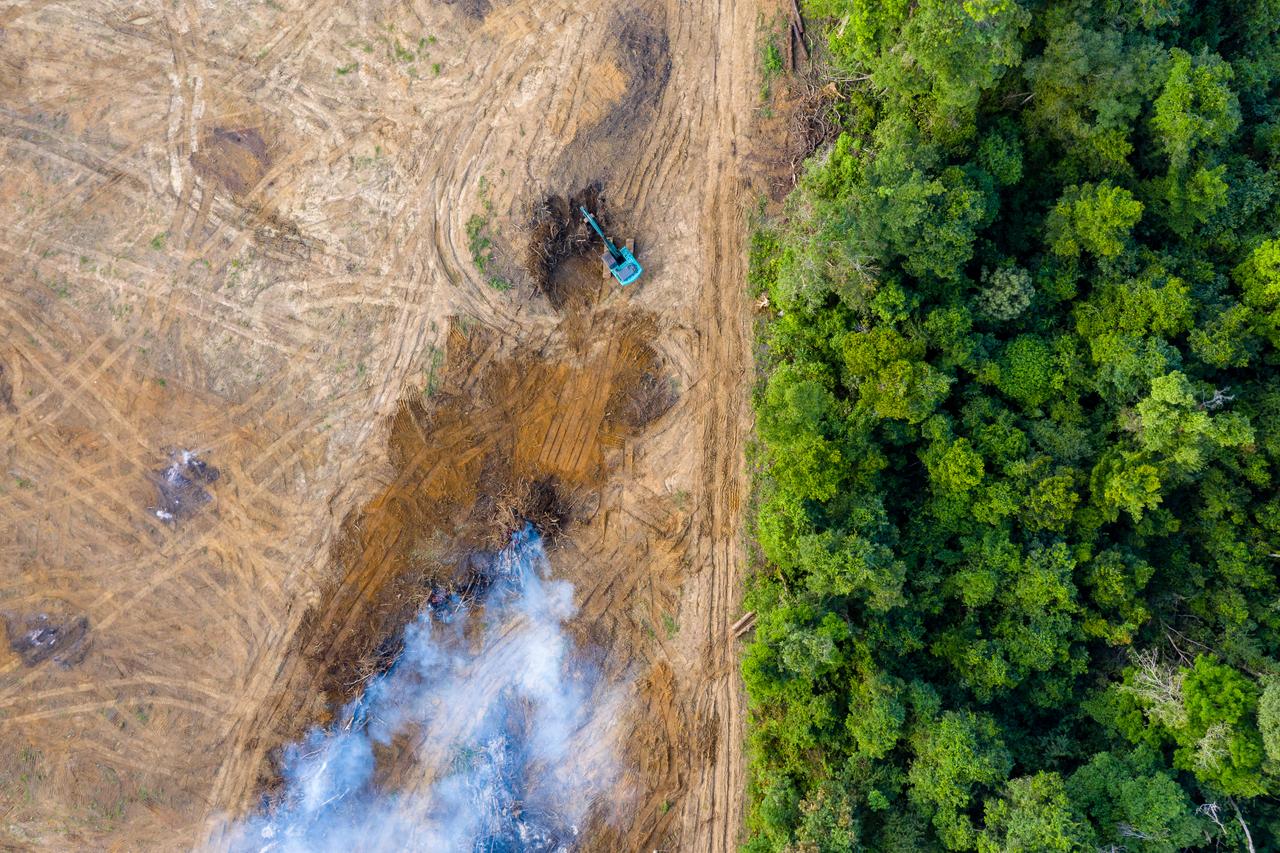


In what is seen as good news for Brazil's leftist President Luiz Inacio Lula da Silva, deforestation in the Brazilian Amazon fell to its lowest level last year since 2019, according to a report on Wednesday.
South America's biggest country lost 985,000 hectares (2.4 million acres) of native vegetation last year, down 20.6% from 2024, the MapBiomas monitoring network announced. The figure is the lowest since the network began keeping records in 2019.
It notably does not include forest lost to fires, but after a record fire season in 2024, the country was relatively spared major infernos last year.
Lula, who is seeking a fourth term in the October elections, made the fight against deforestation a central tenet of his administration.
Preserving forest cover is essential to fight climate warming as trees act as a natural carbon sink.
After four years of widespread logging under his far-right predecessor Jair Bolsonaro, Lula pledged to eradicate illegal deforestation by 2030.
The reduction in deforestation was noted across Brazil's six major ecosystems.
"We are seeing an increase in enforcement actions and sanctions ... which have a direct correlation with the drop in deforestation in all Brazilian biomes," Marcos Rosa, MapBiomas's technical coordinator, told AFP.
Lula is keen to showcase his environmental achievements ahead of the election.
He has, however, been criticized by environmentalists for his support of a massive oil exploration project near the mouth of the Amazon River.
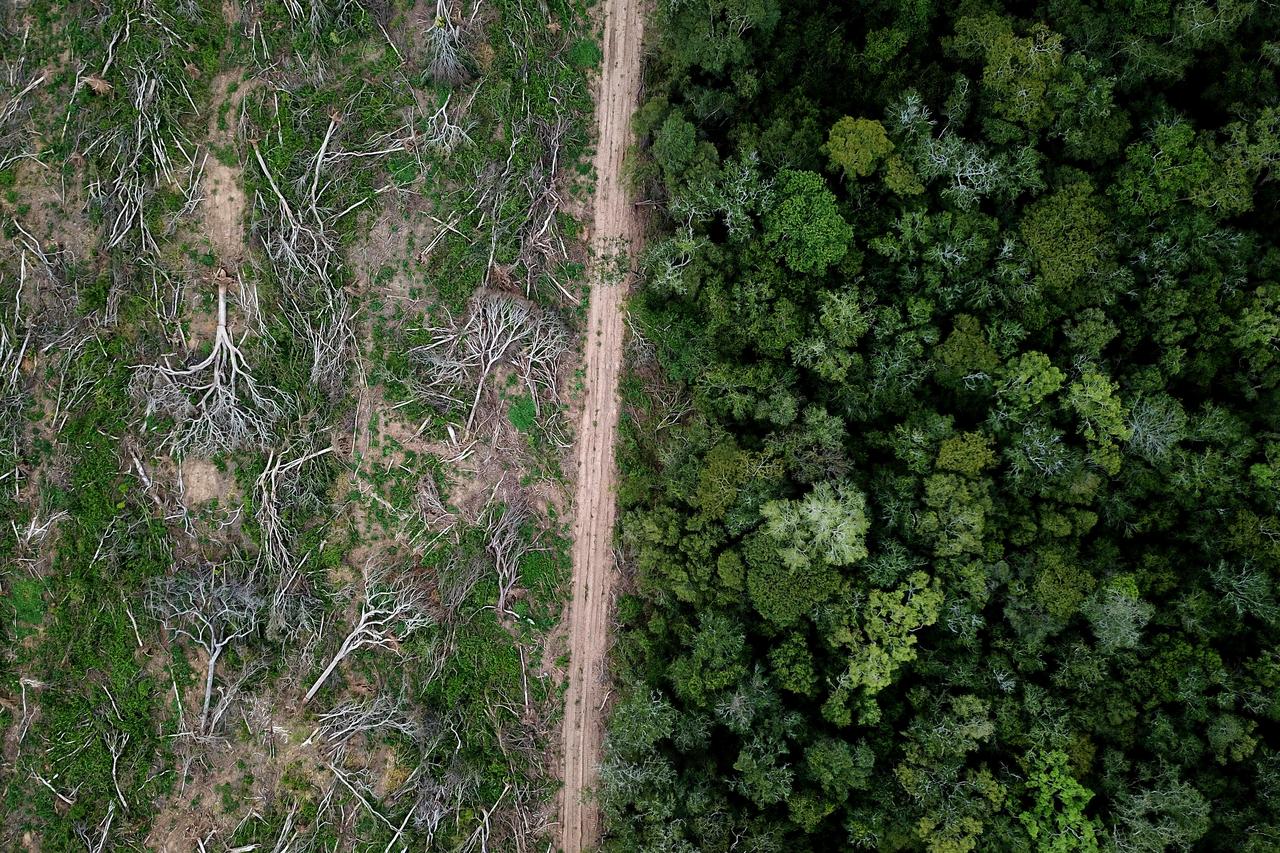

Even so, the rate of destruction remains high.
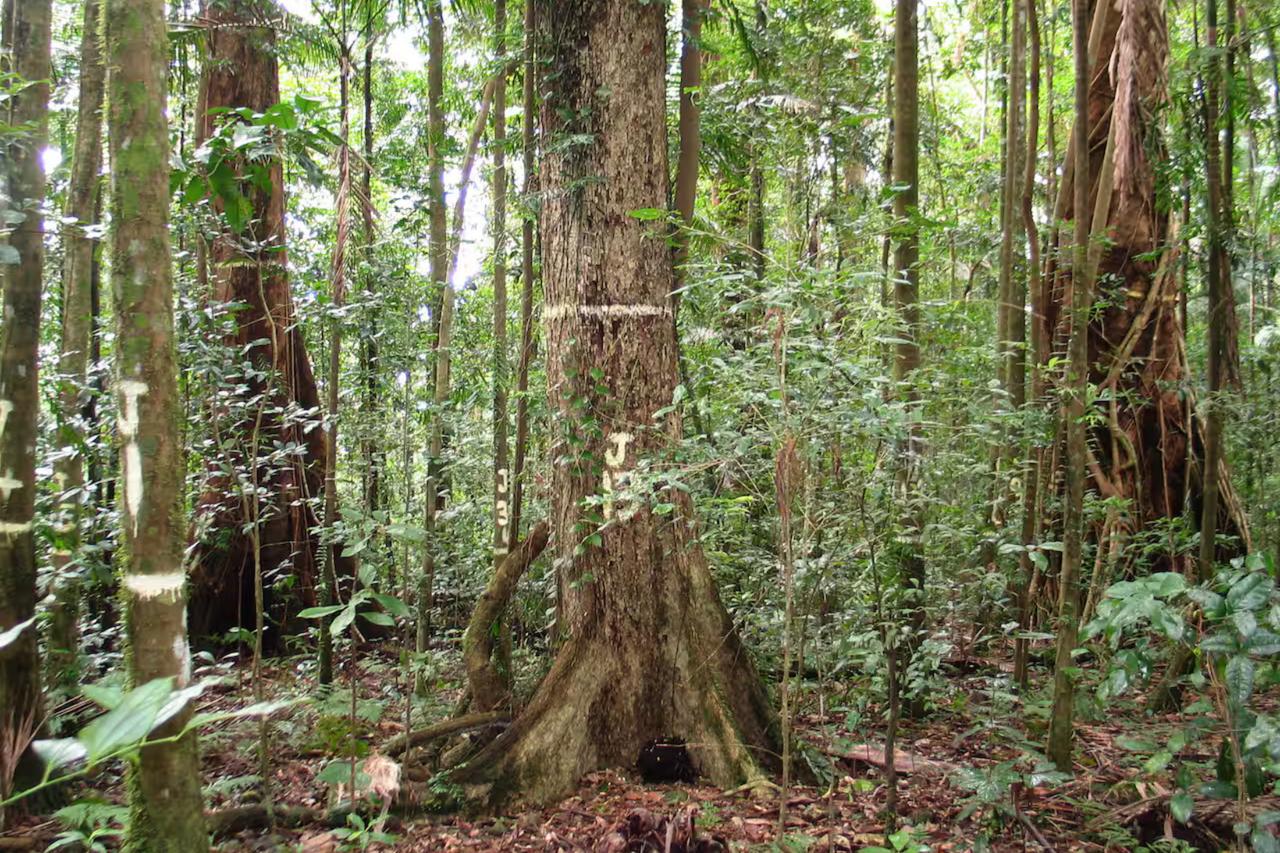
In the Amazon, the world's largest rainforest, where deforestation slowed by 23.5%, five trees are still felled every second.
The hardest-hit biome last year was once again the Cerrado, a vast, biodiverse savanna south of the Amazon. It alone accounted for more than half of the deforestation.
However, a report by WWF Brasil showed that deforestation rates in the Amazon have been falling since 2022, after a period of successive increases between 2018 and 2021.
In the Cerrado, rates had been increasing gradually but persistently until this trend reversed in 2024. The cumulative reduction between 2023 and 2025 was 34.29%.
MapBiomas, a consortium of universities, NGOs and technology companies, said agriculture accounted for 99% of vegetation loss.
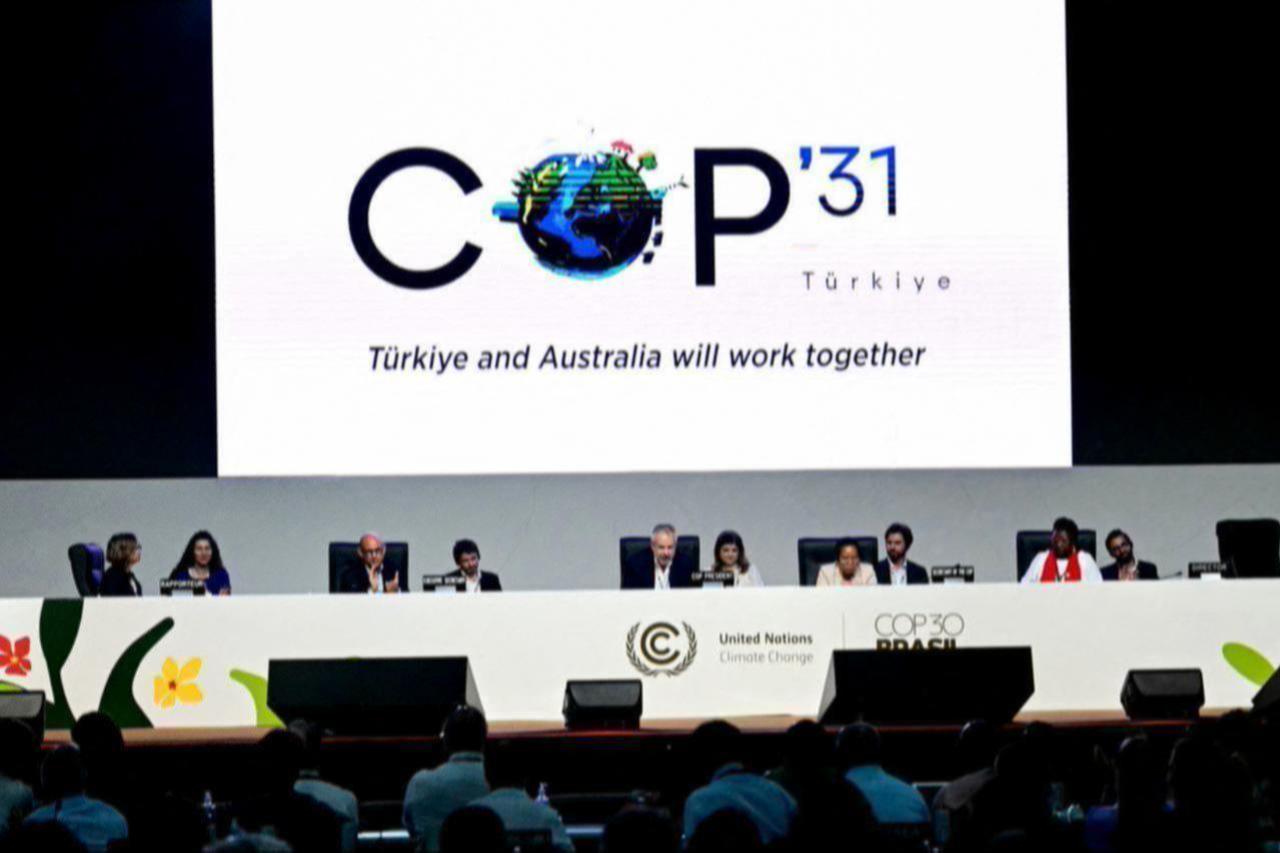
Brazil hosted the COP30 climate summit last year in the Amazonian city of Belem. The summit's 31st version will be hosted by Türkiye in Antalya in November 2026.


 Set as preferred source
 Set as preferred source


 1 min read
 1 min read


